Venice
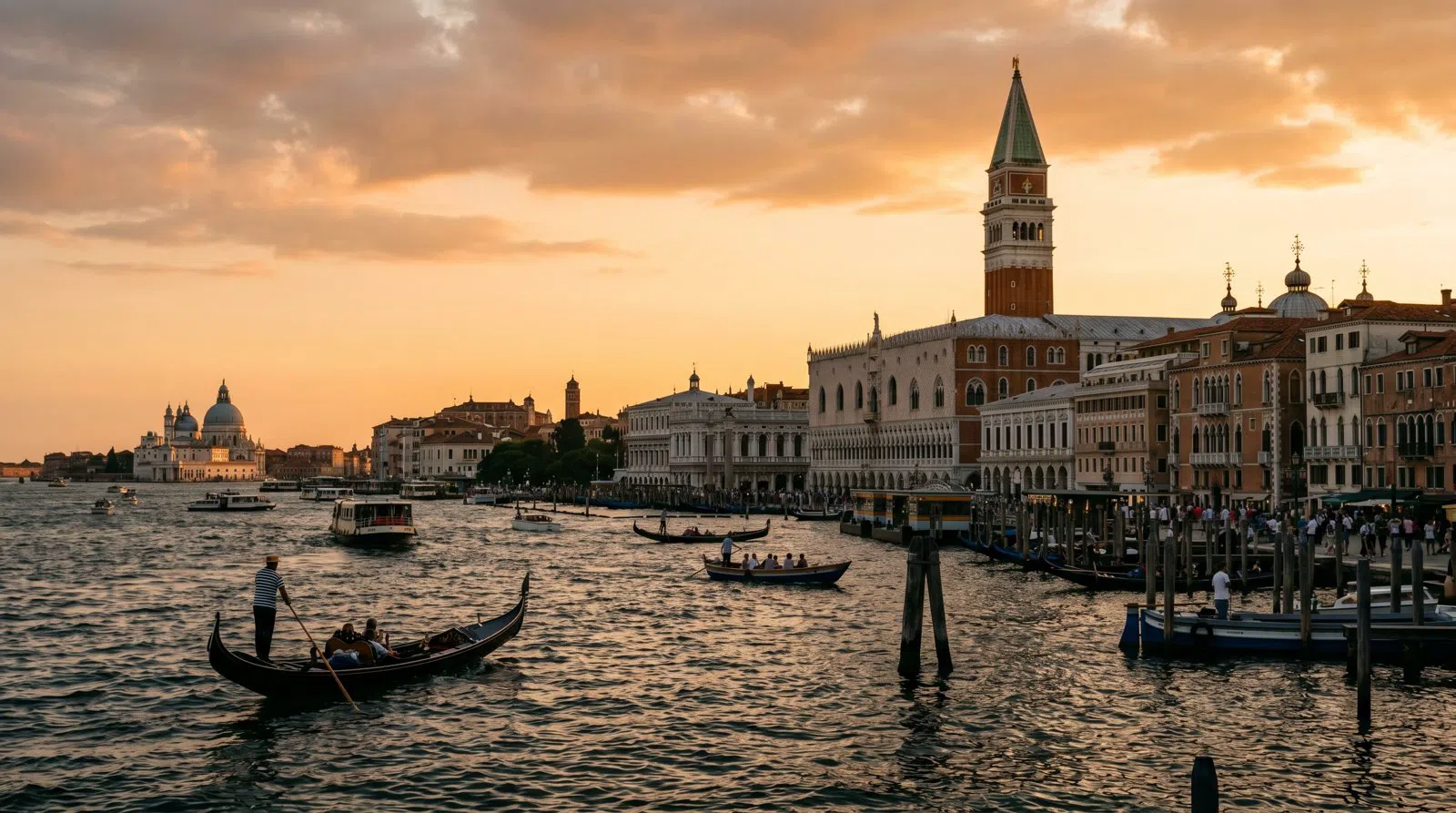
Venice is a city defined by its friction with water and the sheer physical improbability of its existence.
Guests & rooms
The Venice guide
An insider’s read on Venice
VVenice is a city defined by its friction with water and the sheer physical improbability of its existence.
The character of Venice is rooted in its past as the Serenissima—the Most Serene Republic—a maritime empire that dominated Mediterranean trade for centuries. This wealth funded an architectural style that blended Gothic, Byzantine, and Renaissance influences into a unique Venetian Gothic aesthetic. Today, the city grapples with the dual pressures of a shrinking local population and intense tourism, yet its backstreets retain a quiet, working-class dignity where laundry hangs across narrow canals and neighbors converse from opposing windows.
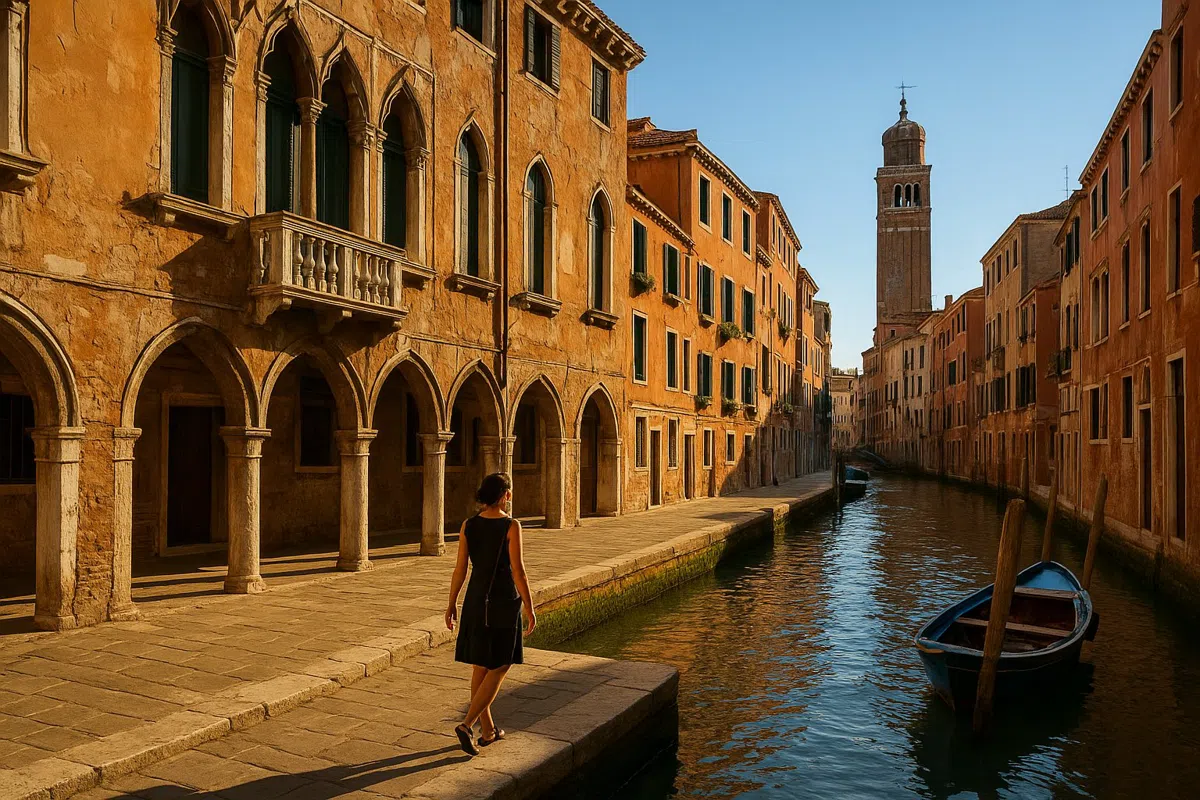
PLATE IVenice, Italy
Guides & ideas
The Venice reading list
Hand-written guides from our editors — itineraries, the best of after dark, where to eat, and what’s genuinely worth your time.
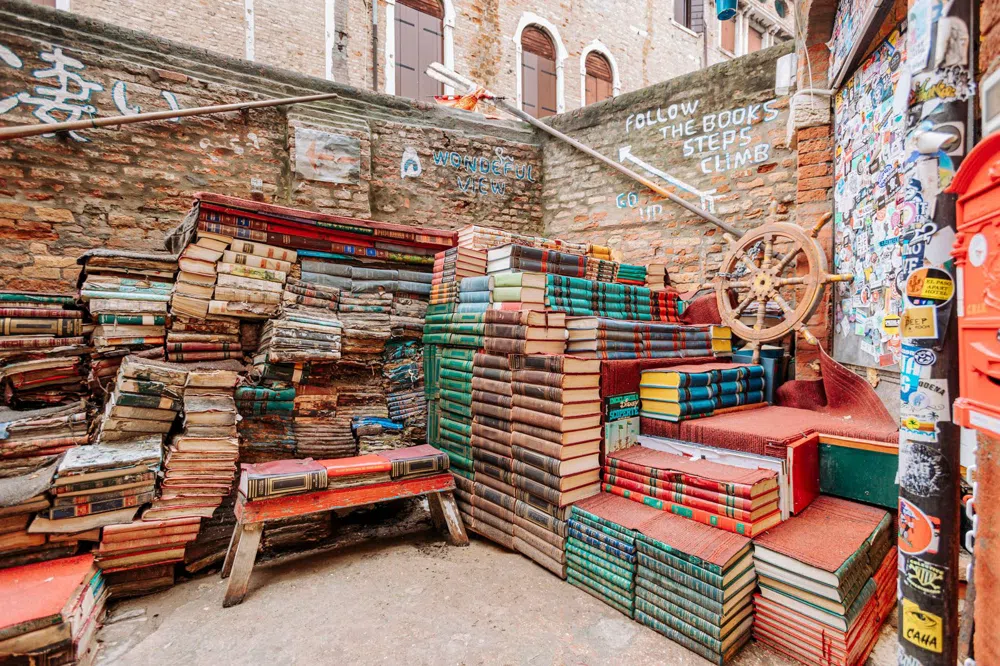
Venice's Literary Underbelly and Bookshops
Beyond the gondola-shelf photo op: the bookshops, cafes and one silent cemetery island where Venice's writers actually lived, drank and are buried.
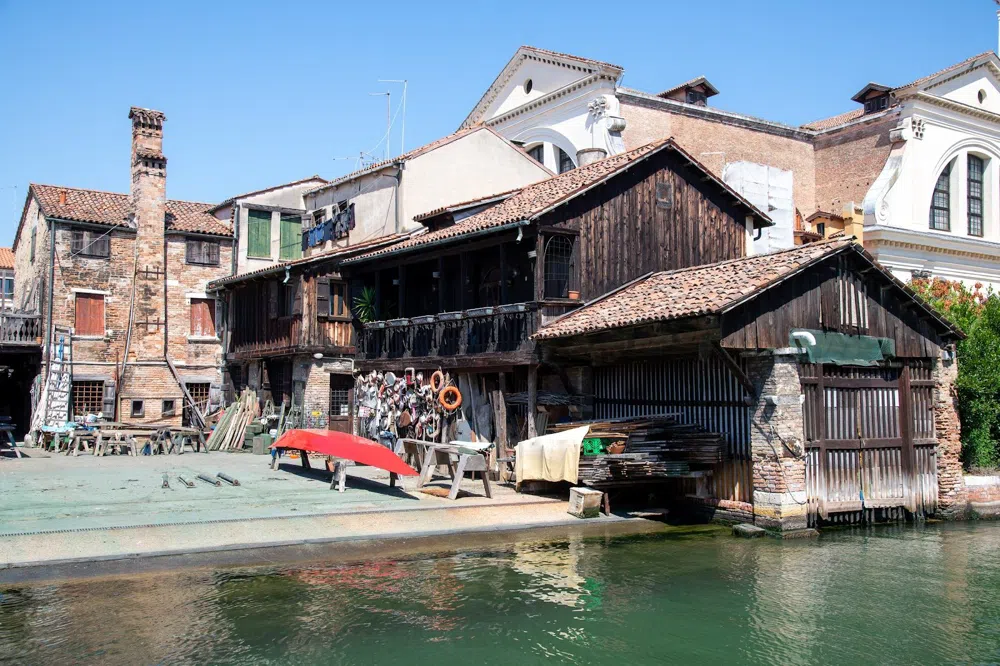
The Artisans Who Keep Venice Afloat: Gondola Makers, Glass Masters, and the City's Vanishing Crafts
The boatyards, furnaces and loom rooms where Venice is still made by hand — and the vanishing craftspeople behind them.
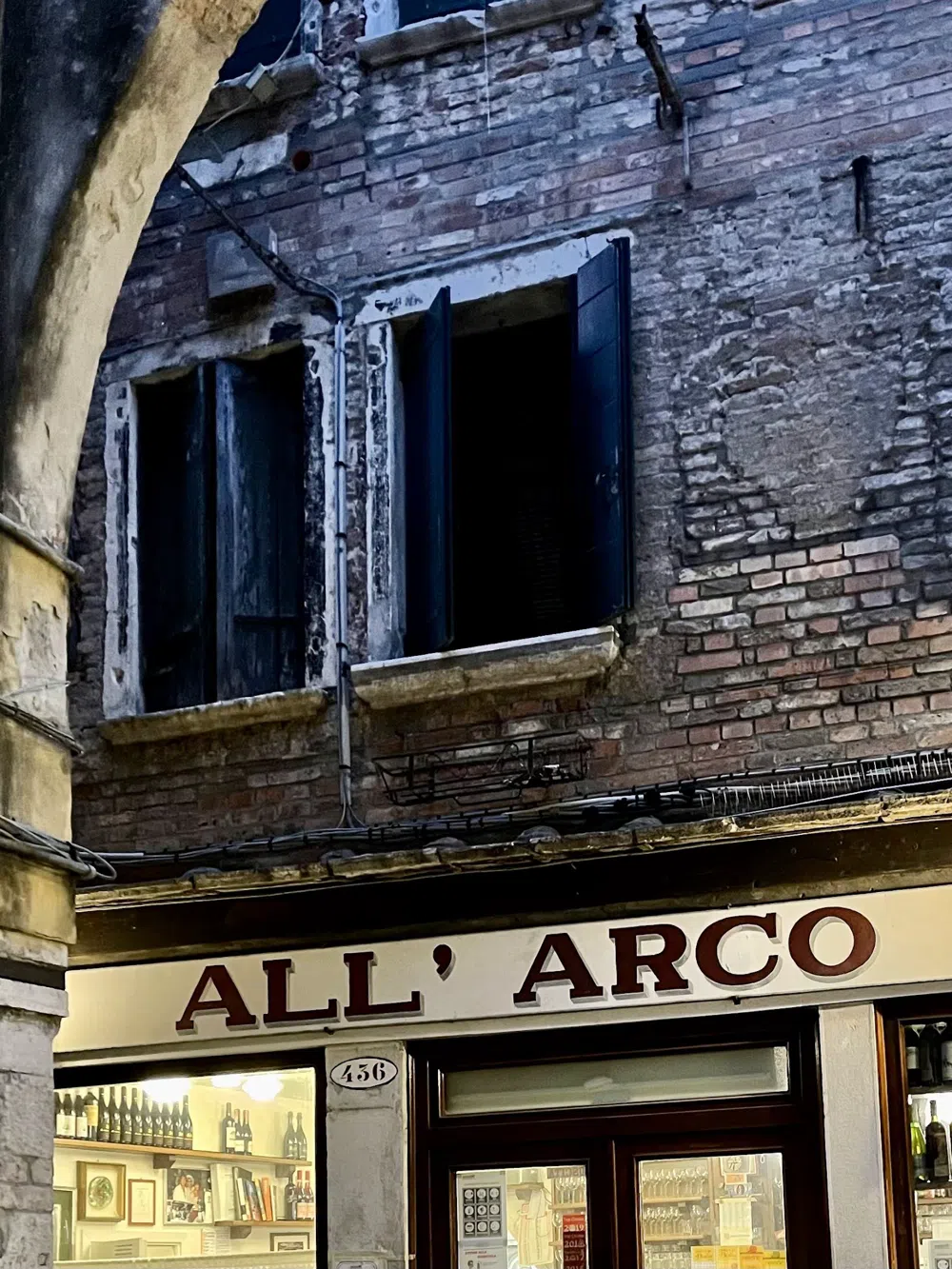
Six O'Clock in Venice: The City's Real Dinner Table Is a Bar
Skip the tired canal-side restaurant and eat the way Venetians do — standing at a bacaro with a €3 cicchetto and a €2.50 glass of wine in hand.
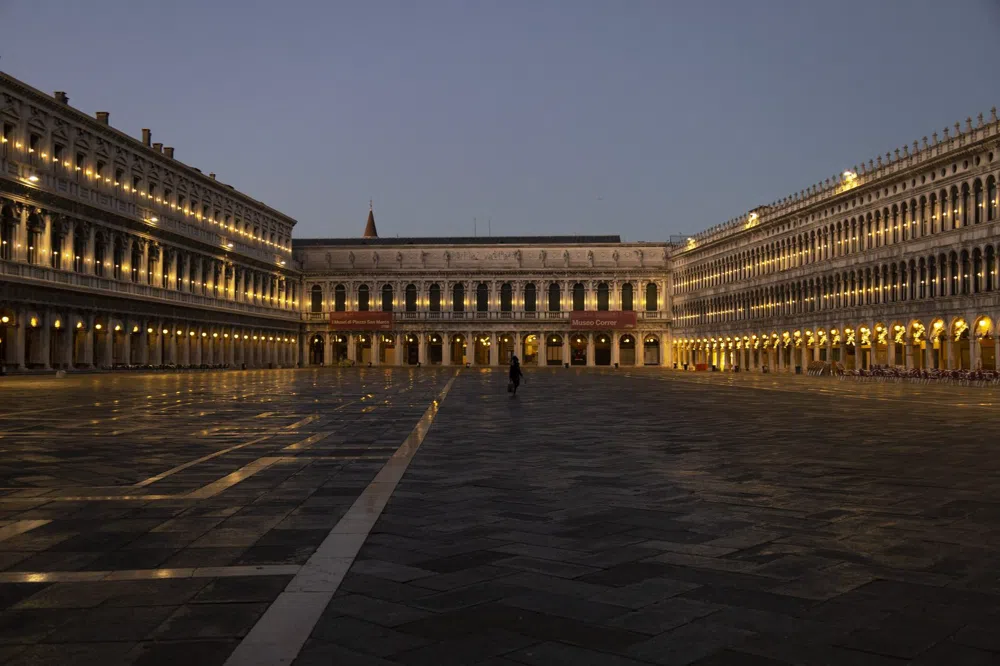
First Light in Venice: The Hour the City Keeps for Itself
A calm, stop-by-stop walk through the quiet hour between the first vaporetto and the ten o'clock crowds — with the price, timing and walking distance for every stop.
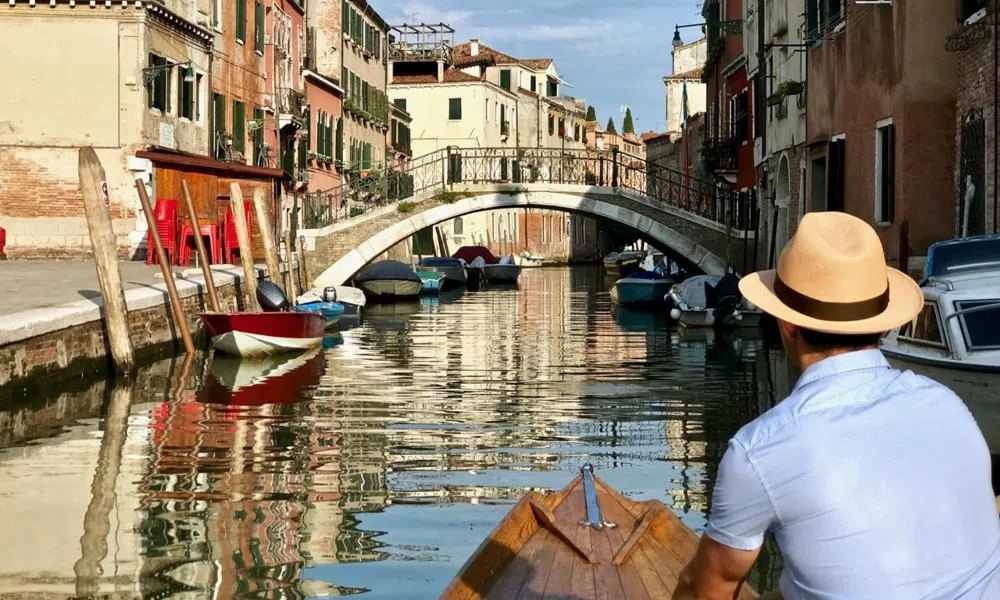
Beyond the Grand Canal: A Local's Map of Venice's Hidden Waterways and Quiet Courtyards
A calm, walkable route through Venice's back canals, working boatyards and vine-shaded courtyards — with the times, prices and quiet alternatives you actually need to plan the days.
Skip-the-Line Tours of Venice's Top Landmarks
An ordered, honest 2026 route through Venice's landmark tours — with the price, the walk between each stop, and the quieter door wherever one exists.
Where to base yourself
The neighborhoods
01
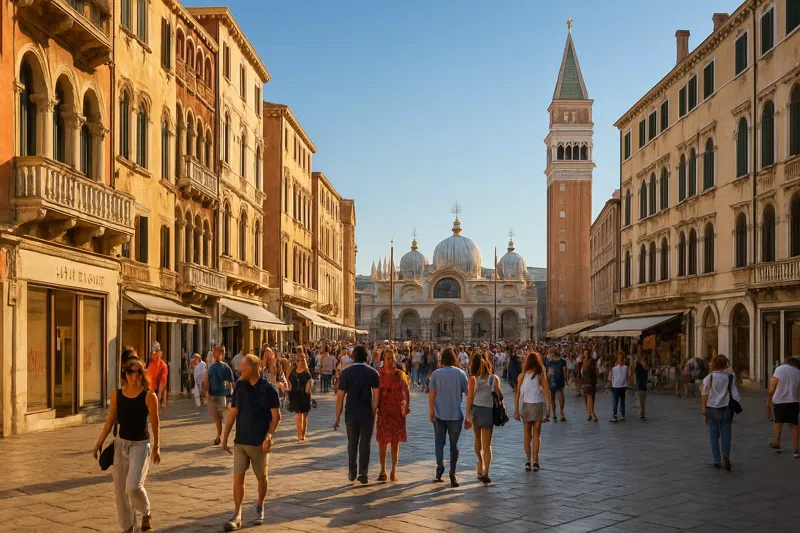
San Marco
For First-time visitors who want to be steps from major monuments. The trade-off is intense daytime crowds, high prices, and highly commercialized dining.
The historic and geographic heart of Venice, dominated by monumental architecture and high-end boutiques.
Where to stay — Grand historic hotels and high-end boutique properties overlooking the Grand Canal or tucked into quiet alleys behind the piazza.
02
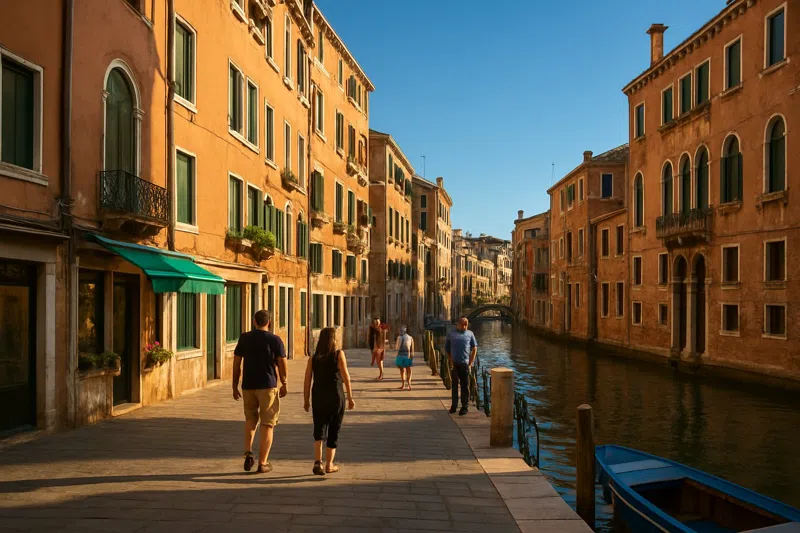
Cannaregio
For Travelers seeking an authentic neighborhood feel and better-value dining. The trade-off is a longer walk to the southern lagoon sights.
A large, largely residential district in the north with a lively local atmosphere, wide canals, and historic Jewish heritage.
Where to stay — Converted monasteries, quiet guesthouses, and canal-side boutique hotels along the Fondamenta della Misericordia.
03
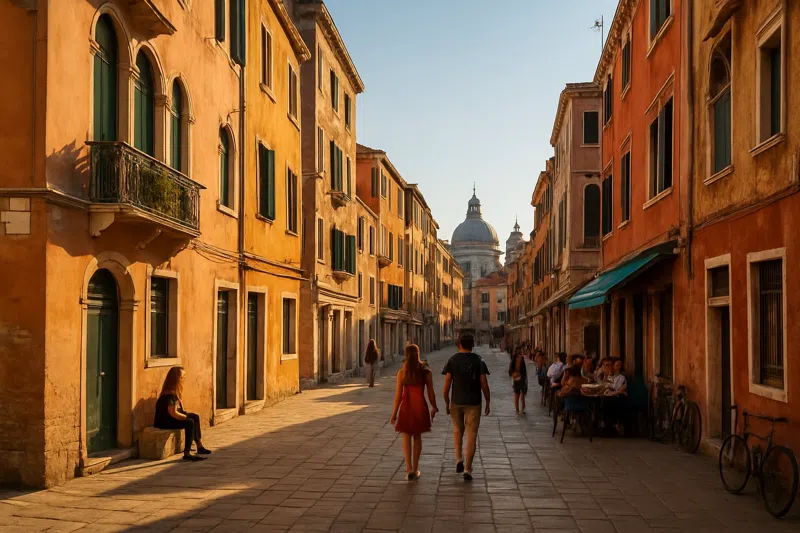
Dorsoduro
For Art lovers and younger travelers who appreciate a relaxed daytime vibe and casual evening socializing. The trade-off is a quieter nightlife scene compared to the mainland.
The university and arts district, home to major galleries, student hangouts, and quiet residential squares.
Where to stay — Design-forward hotels, quiet guesthouses near the Zattere promenade, and apartments near Campo Santa Margherita.
04
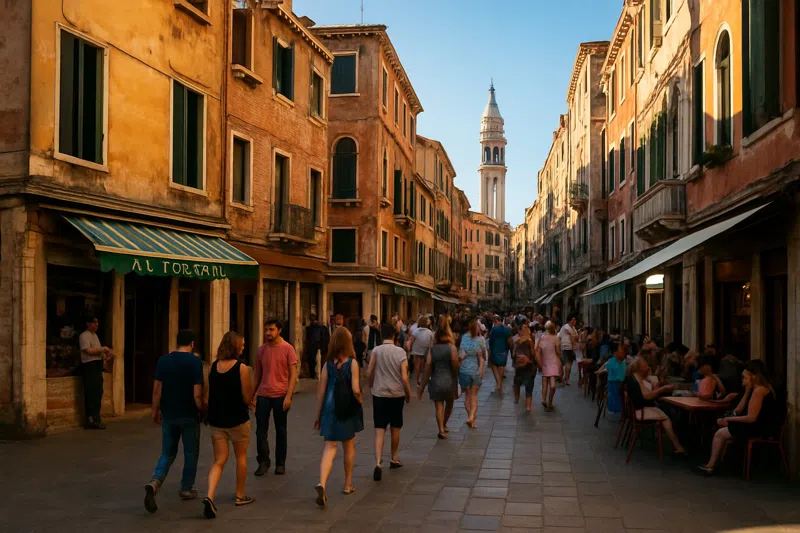
San Polo
For Food lovers who want to be close to the market and central sights. The trade-off is heavy foot traffic along the main pedestrian arteries.
One of the oldest parts of the city, centered around the historic Rialto market and packed with traditional wine bars.
Where to stay — Charming mid-range hotels and historic apartments tucked away in the labyrinthine alleys behind the Rialto Bridge.
05
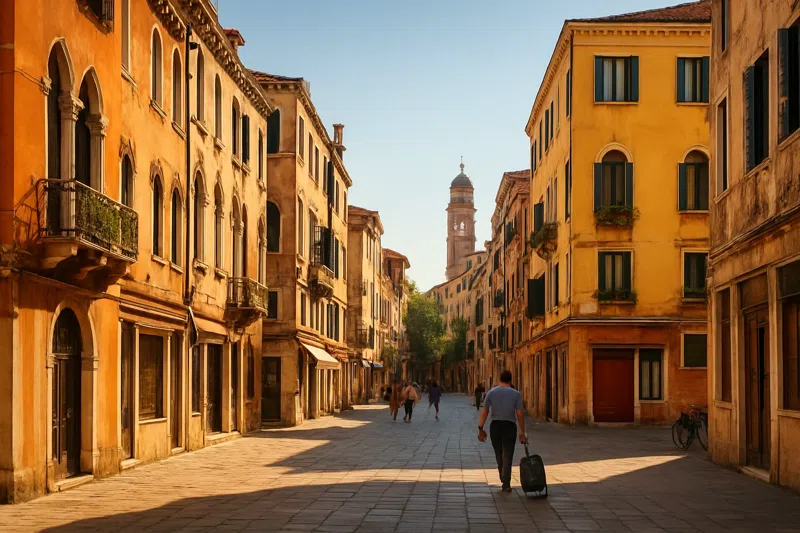
Castello
For Those seeking peace, green spaces, and a glimpse of daily Venetian life. The trade-off is that it is a long walk from the train station.
The largest sestiere, stretching from the tourist-heavy Riva degli Schiavoni to the quiet, green eastern tip of the island.
Where to stay — Quiet local apartments, simple guesthouses, and upscale hotels along the waterfront.
06
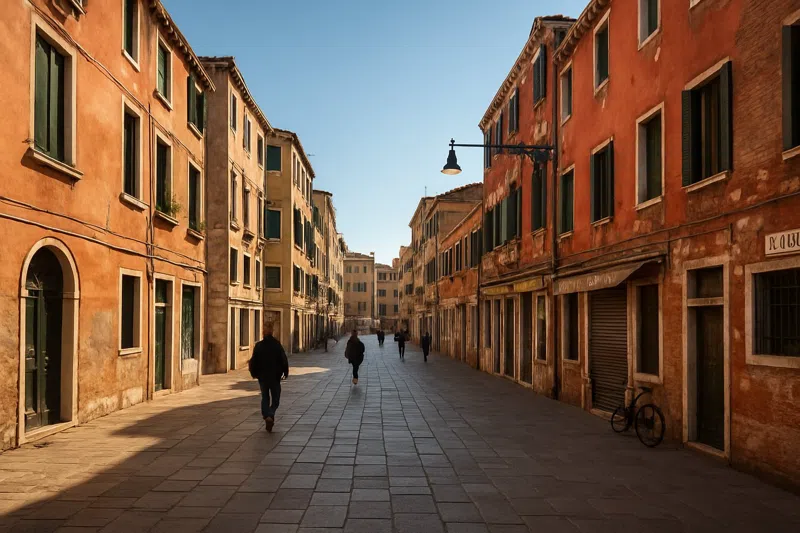
Santa Croce
For Practical travelers who want easy access to the train station or bus terminal without carrying luggage across the entire city. The trade-off is a less romantic first impression near the transit hubs.
The entry point for travelers arriving by land, transitioning from busy transit terminals to quiet, unpretentious residential lanes.
Where to stay — Convenient mid-range hotels and functional apartments near Piazzale Roma or Campo San Giacomo dell'Orio.
07
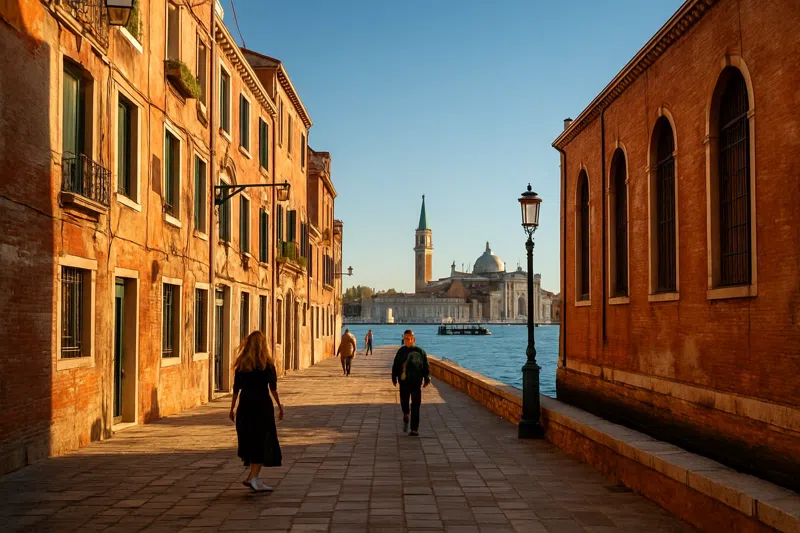
Giudecca
For Travelers looking to escape the crowds entirely while enjoying spectacular views of the San Marco skyline. The trade-off is dependency on the vaporetto to reach the center.
A long, narrow island separated from the main body of Venice by a deep canal, offering industrial-chic architecture and panoramic views.
Where to stay — Luxury resort hotels, converted industrial spaces, and budget-friendly hostels.
08
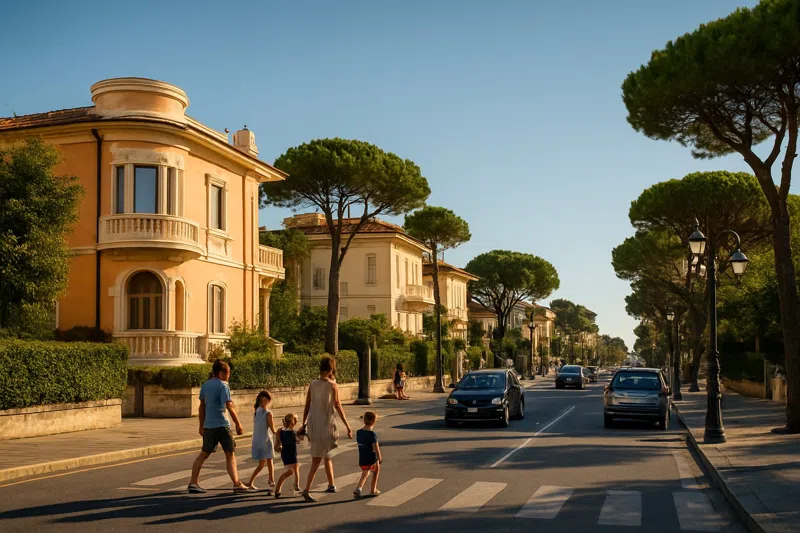
Lido
For Families and travelers who want a beach resort experience combined with their city trip. The trade-off is a lack of the historic canal-street atmosphere of central Venice.
A sandy barrier island with leafy streets, Art Deco villas, and actual car traffic.
Where to stay — Grand historic beach resorts and mid-century boutique hotels.
09
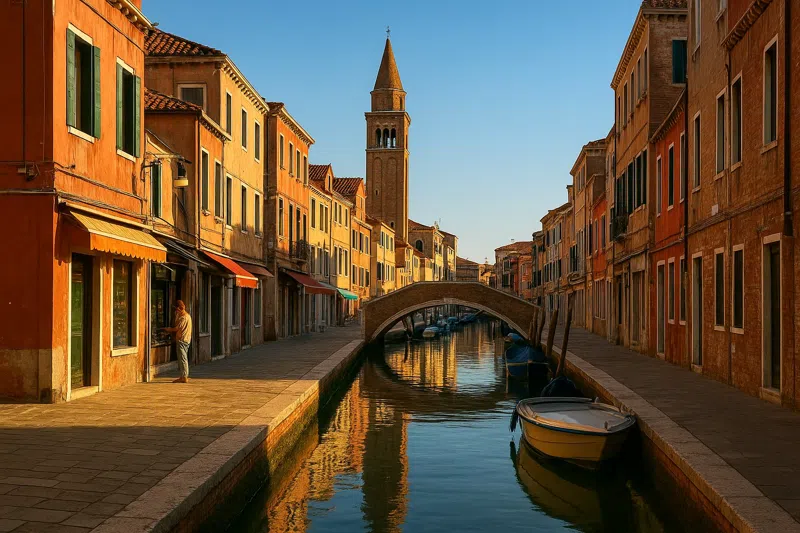
Murano
For Craft lovers and those seeking absolute quiet after the day-trippers depart. The trade-off is limited dining and nightlife options in the evening.
A cluster of islands famous for its centuries-old glassmaking industry, quiet in the evenings but busy with day-trippers.
Where to stay — Boutique hotels in converted glass factories or quiet local apartments.
Book direct
Book a hotel in Venice
Loading live availability and real-time prices…
Where to eat
Dining
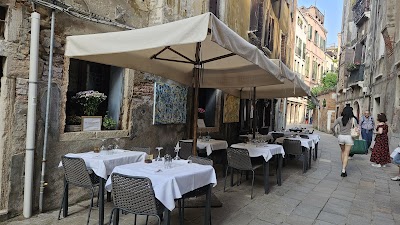
Antiche Carampane
€€€San Polo
A historic trattoria that famously refuses to serve tourist menus, focusing strictly on wild-caught lagoon fish and seasonal seafood.
Signature — Tagliolini with spider crab (granseola)
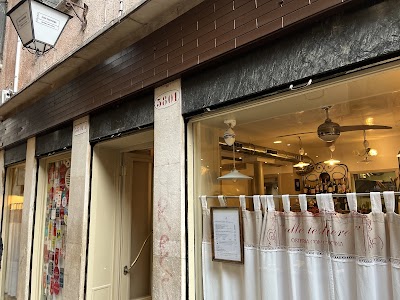
Osteria alle Testiere
€€€Castello
An intimate, nine-table spot where the menu is decided daily based on what the chef finds at the Rialto market.
Signature — Grilled baby calamari with rosemary
Trattoria da Romano
€€€Burano
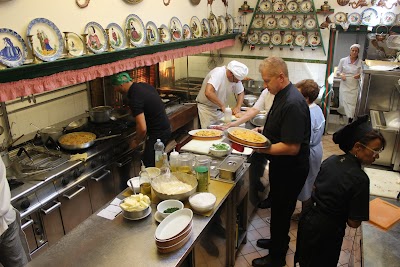
A legendary island institution known for its classic preparation of lagoon fish risotto, served in a historic dining room lined with art.
Signature — Risotto di Gò (lagoon goby fish risotto)
Al Covo
€€€€Castello
An upscale, welcoming restaurant dedicated to preserving traditional lagoon species and supporting small-scale local fishermen.
Signature — Fritto misto of hyper-local lagoon fish and vegetables
Osteria da Alberto
€€Cannaregio
A traditional, wood-paneled tavern serving reliable seafood classics to a mix of locals and travelers.
Signature — Spaghetti al nero di seppia (squid ink spaghetti)
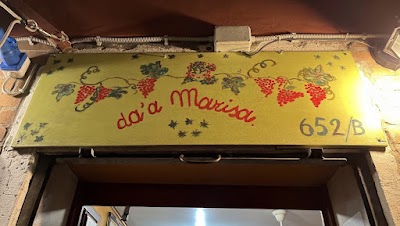
Trattoria dalla Marisa
€€Cannaregio
A tiny, canal-side institution famous for its meat-focused lunch menus on specific days, serving hearty, traditional dishes.
Signature — Pheasant or wild game ragù with fresh pasta
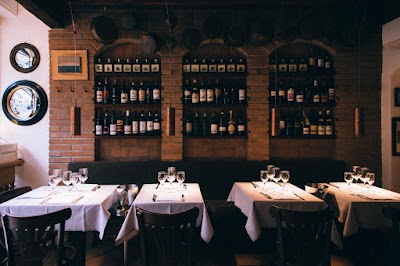
Osteria Ai Artisti
€€€Dorsoduro
A small, highly regarded bistro that balances fresh seafood with exceptional, precisely cooked meat dishes.
Signature — Pan-seared duck breast with local cherries
Ristorante Da Ivo
€€€€San Marco
An upscale, classic restaurant accessible by water taxi, famous for serving high-quality Tuscan steaks to an international elite.
Signature — Florentine T-bone steak grilled over charcoal
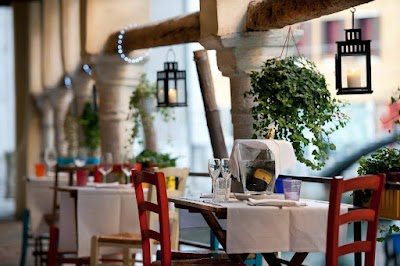
Osteria Al Cantinon
€€Cannaregio
A cozy, rustic-chic tavern offering creative takes on Venetian meat dishes alongside natural wines.
Signature — Slow-braised beef cheek in Amarone wine
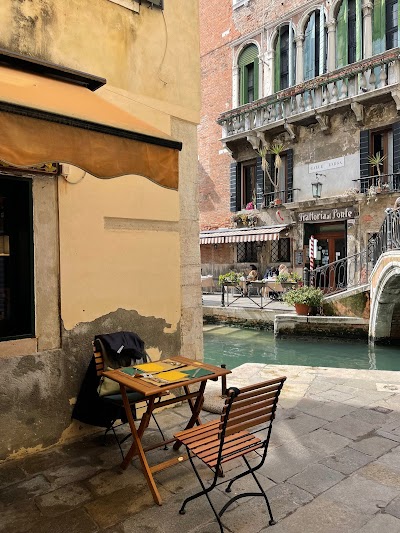
La Zucca
€€Santa Croce
Though famous for its vegetables, this canal-side spot serves exceptional, carefully sourced rabbit and lamb dishes.
Signature — Rabbit braised with white wine and pine nuts
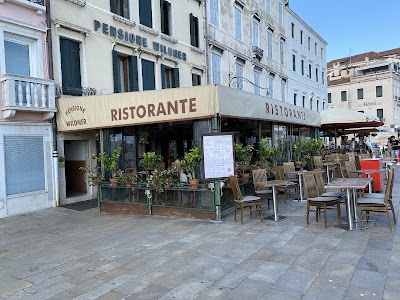
Ristorante Wildner
€€€Castello
A waterfront bistro focusing on natural wines and high-quality, ethically sourced meats from the Veneto region.
Signature — Grilled lamb chops with seasonal bitter greens
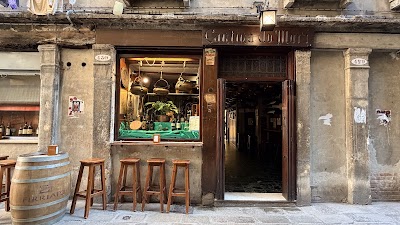
Cantina Do Mori
€San Polo
Dating back to the 15th century, this is Venice's oldest bàcaro, featuring copper pots hanging from the ceiling and a standing-only counter.
Signature — Francobollo (tiny square sandwiches with cured meats)
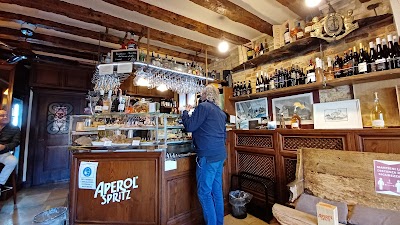
Osteria al Squero
€Dorsoduro
A popular canal-side spot where you can eat creative crostini while looking directly across the water at the historic San Trovaso gondola shipyard.
Signature — Crostini with pink peppercorn and creamed cod
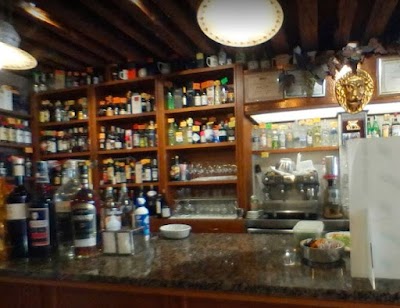
Cantinone già Schiavi
€Dorsoduro
A historic wine shop and bar where the matriarch prepares dozens of unique, colorful crostini toppings daily.
Signature — Crostini with ricotta, raw beef, and cocoa powder
Bacareto da Lele
€Santa Croce
A tiny, legendary counter near the university district serving incredibly cheap, simple paninetti to crowds spilling onto the church steps.
Signature — Mini roll with mortadella and mustard
Osteria Bancogiro
€€San Polo
An upscale bàcaro with a vaulted stone interior and an outdoor terrace overlooking the Grand Canal.
Signature — Black polenta squares topped with creamed cod
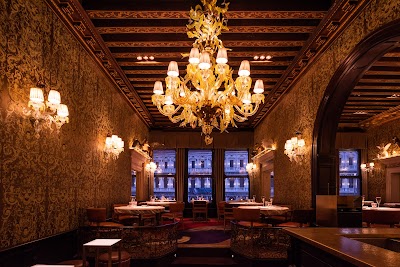
Ristorante Quadri
€€€€San Marco
A Michelin-starred venue run by the Alajmo family, offering contemporary interpretations of Italian classics inside a grand, historic salon on Piazza San Marco.
Signature — Cappuccino of cuttlefish ink
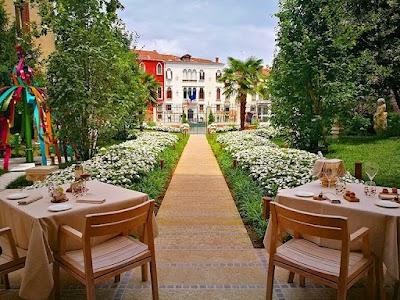
Glam Ristorante
€€€€Santa Croce
Located inside the Palazzo Venart, this two-Michelin-starred restaurant by chef Enrico Bartolini offers highly creative, modern interpretations of Venetian flavors in a quiet courtyard.
Signature — Smoked cuttlefish with potato and sage
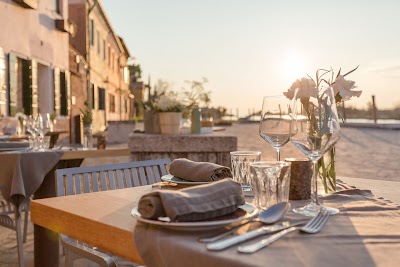
Venissa
€€€€Mazzorbo
Set inside a walled vineyard on an island in the northern lagoon, this Michelin-starred restaurant focuses entirely on hyper-local, sustainable lagoon ingredients.
Signature — Lagoon herbs and wild greens with local fish
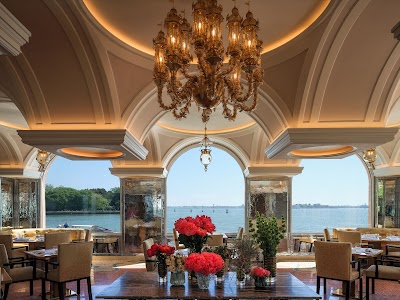
Oro Restaurant
€€€€Giudecca
The flagship restaurant of the Hotel Cipriani, offering refined, contemporary Mediterranean dishes under a gold-leaf ceiling.
Signature — Lagoon blue crab with citrus and wild fennel
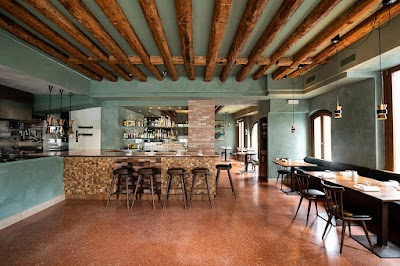
Local
€€€€Castello
A modern, design-forward restaurant that uses traditional Venetian ingredients to create bold, internationally influenced tasting menus.
Signature — Handmade ravioli filled with local lagoon fish
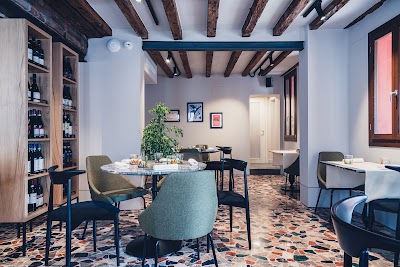
Wistaria
€€€€San Polo
A contemporary, Michelin-starred dining room with a quiet canal-side terrace, focusing on clean, minimalist presentations of regional ingredients.
Signature — Spaghetti with sea urchin and local herbs
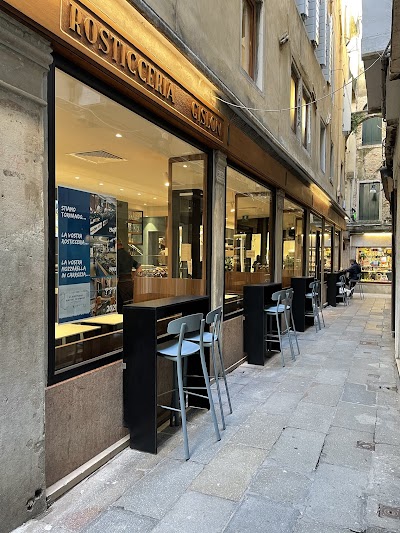
Rosticceria Gislon
€San Marco
A legendary, no-nonsense food hall near the Rialto Bridge that has been serving cheap, hot Venetian snacks to locals for decades.
Signature — Mozzarella in carrozza (fried cheese sandwich with anchovy or ham)
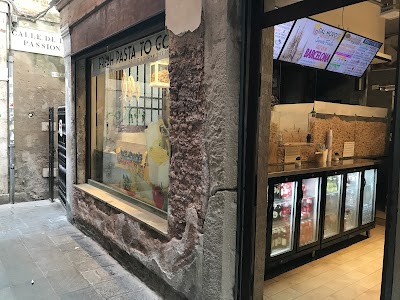
Dal Moro's Fresh Pasta to Go
€Castello
A tiny takeaway spot serving fresh, handmade pasta with a variety of classic sauces in convenient boxes.
Signature — Fresh fusilli with squid ink sauce
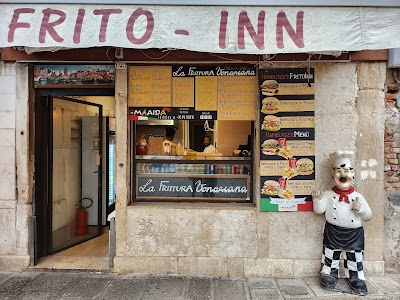
Frito-In
€Cannaregio
A simple counter on a busy pedestrian street serving hot, crispy cones of fried seafood and vegetables.
Signature — Cartoccio di pesce fritto (fried seafood cone)
Osteria La Perla Ai Bisatei
€Murano
An unpretentious, working-class tavern on Murano serving simple, home-cooked Venetian lunches to glassblowers.
Signature — Risotto with seasonal lagoon vegetables
Pizza Al Volo
€Dorsoduro
A reliable, long-standing pizza slice window in Campo Santa Margherita, popular with local university students.
Signature — Slice of pizza with spicy salami and black olives
La Zucca
€€Santa Croce
A cozy, wood-paneled restaurant famous for its creative, vegetable-forward menu that elevates simple ingredients into complex dishes.
Signature — Flan di zucca (savory pumpkin flan with smoked ricotta)
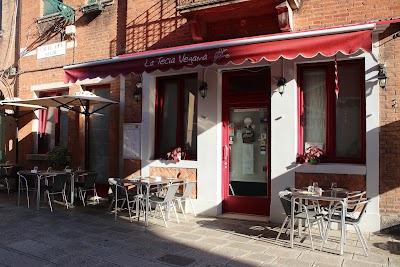
Tecia Vegana
€€Dorsoduro
Venice's first fully vegan restaurant, located in a quiet residential corner and serving hearty, organic plant-based versions of Italian classics.
Signature — Vegan lasagna with soy ragù and cashew cheese
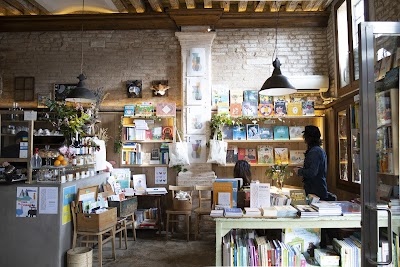
Sullaluna
€€Cannaregio
A charming vegetarian bistro, tea room, and independent bookstore located on the quiet Misericordia canal.
Signature — Local organic prosecco paired with artisanal vegetarian crostini
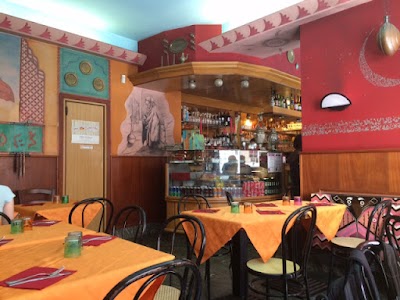
Frary's
€€San Polo
A long-running restaurant near the Frari church specializing in Middle Eastern and Mediterranean vegetarian and vegan dishes.
Signature — Vegetarian moussaka with lentils and eggplant
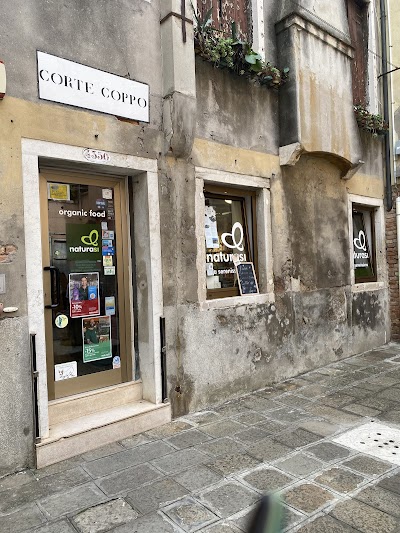
Fiumefreddo Bio
€Campo San Stefano
A small, organic vegetarian cafe offering fresh salads, soups, and grain bowls for a healthy lunch.
Signature — Farro salad with roasted seasonal vegetables and pesto
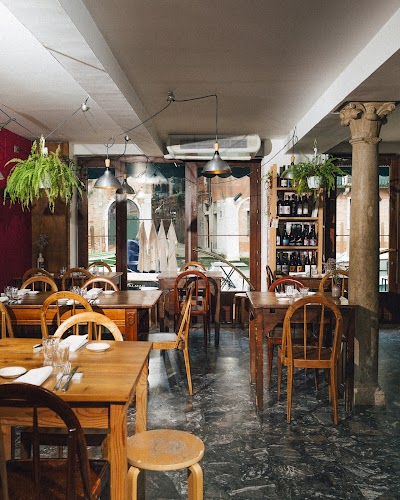
L'Anice Stellato
€€€Cannaregio
An elegant, canal-side osteria that offers beautifully crafted, vegetable-centric dishes alongside its traditional seafood menu.
Signature — Tempura of seasonal lagoon vegetables with sweet-and-sour dipping sauce
After dark
Nightlife
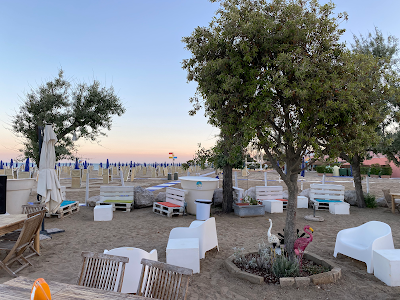
Aurora Beach Club
Lido
A seasonal, open-air beach club on the Lido island that hosts electronic DJs and dance parties during the summer months.

Molocinque
Marghera
A massive, multi-room clubbing complex located on the mainland, easily accessible by taxi or bus from Venice.
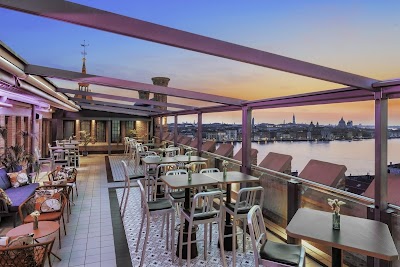
Skyline Rooftop Bar
Giudecca
Located on the top floor of the Hilton Molino Stucky, offering the most dramatic panoramic views of the Venice skyline and the Giudecca Canal.
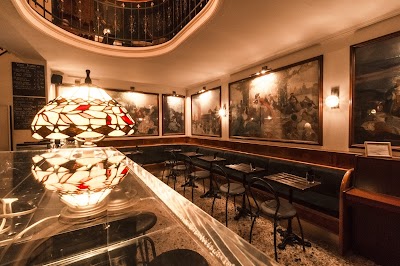
Il Mercante
San Polo
A highly creative, two-story cocktail bar near the Frari church, famous for its innovative, story-driven drink menus and historic interior.
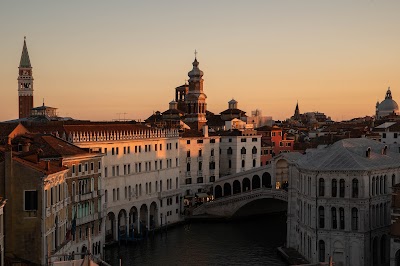
The Venice Venice Hotel Bar
Cannaregio
An ultra-contemporary, design-forward terrace bar directly on the Grand Canal, attracting a fashionable crowd.
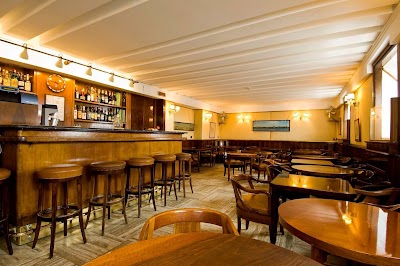
Harry's Bar
San Marco
The legendary, historic birthplace of the Bellini cocktail and beef carpaccio, maintaining its classic mid-century decor.
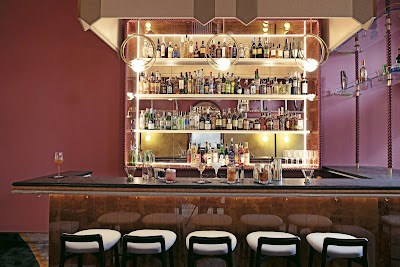
Experimental Cocktail Club
Dorsoduro
A sleek, Parisian-designed cocktail lounge inside Il Palazzo Experimental, serving expertly crafted modern drinks.
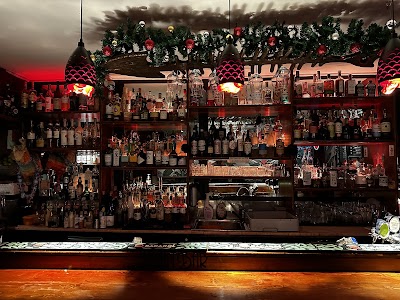
Chet Bar
Dorsoduro
A lively, compact bar in Campo Santa Margherita popular with local students for its affordable, well-made cocktails.
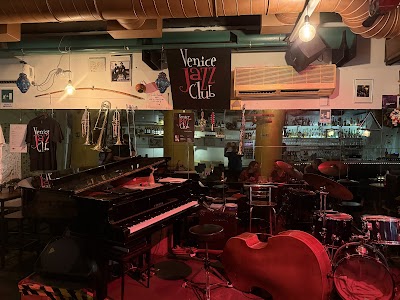
Venice Jazz Club
Dorsoduro
The city's premier dedicated jazz venue, hosting regular performances by the house quartet and visiting musicians in a cozy, candlelit room.
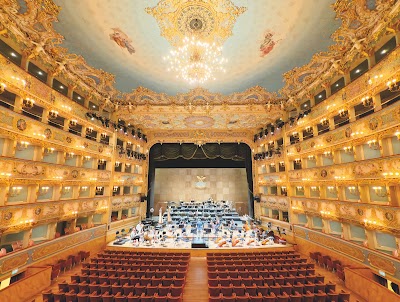
Teatro La Fenice
San Marco
One of the most famous opera houses in Europe, beautifully rebuilt after a devastating fire, hosting world-class opera and classical concerts.
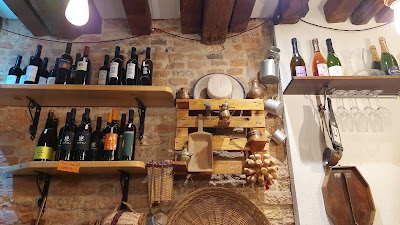
Cantina Arnaldi
Santa Croce
A warm, rustic wine bar that occasionally hosts intimate acoustic live music sets alongside an excellent selection of natural wines.
Art & history
Culture
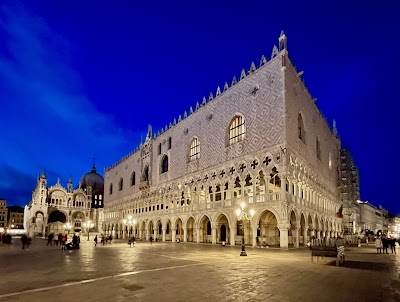
Doge's Palace (Palazzo Ducale)
San Marco
The Gothic masterpiece that served as the residence of the Doge and the political heart of the Venetian Republic, featuring grand council chambers and the Bridge of Sighs.
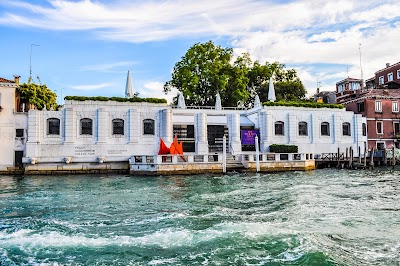
Peggy Guggenheim Collection
Dorsoduro
An exceptional collection of 20th-century modern art (including Picasso, Pollock, and Ernst) housed in Peggy Guggenheim's unfinished 18th-century canal-side palazzo.
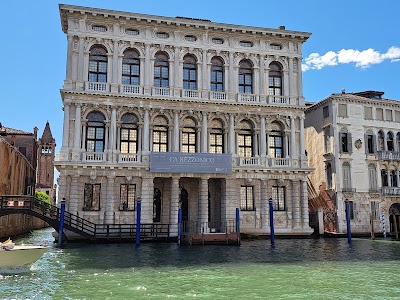
Ca' Rezzonico
Dorsoduro
A magnificent Baroque palace on the Grand Canal dedicated to the art, furniture, and lifestyle of 18th-century Venice.
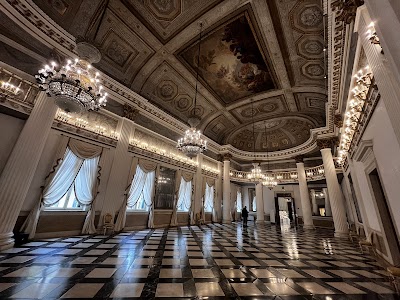
Museo Correr
San Marco
Located on Piazza San Marco, this museum offers a comprehensive look at Venetian history, daily life, and the imperial apartments of Empress Sisi.
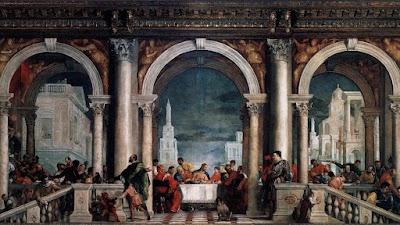
Gallerie dell'Accademia
Dorsoduro
The definitive collection of pre-19th-century Venetian painting, featuring masterpieces by Titian, Tintoretto, Canaletto, and Bellini.
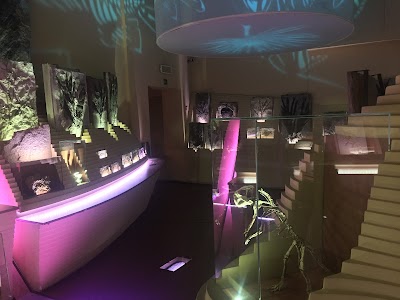
Museo di Storia Naturale
Santa Croce
Housed in the 13th-century Fondaco dei Turchi, this family-friendly museum features interactive exhibits on the evolution of life and lagoon ecology.
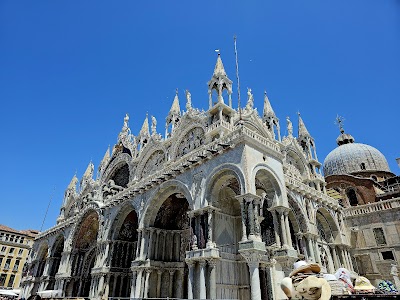
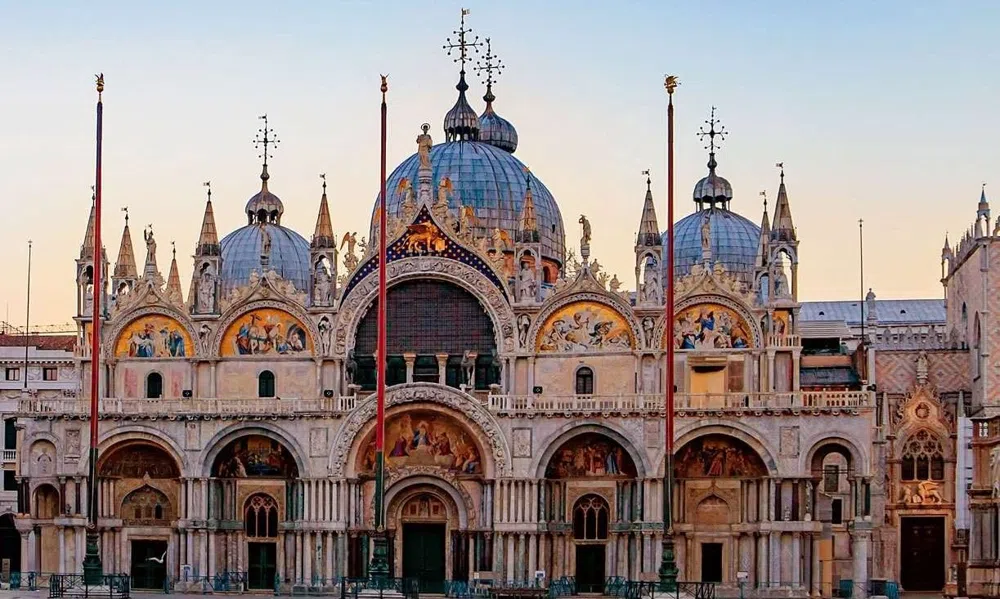
St. Mark's Basilica
San Marco
A masterpiece of Byzantine architecture, famous for its glittering gold mosaics, marble floors, and the historic horses of St. Mark.
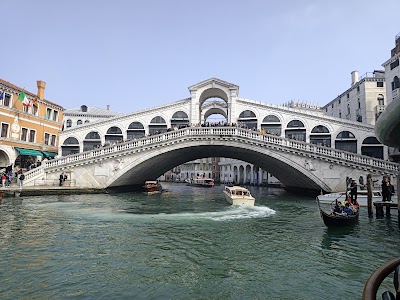
Rialto Bridge
San Polo / San Marco
The oldest and most famous stone arch bridge spanning the Grand Canal, designed by Antonio da Ponte in the late 16th century.
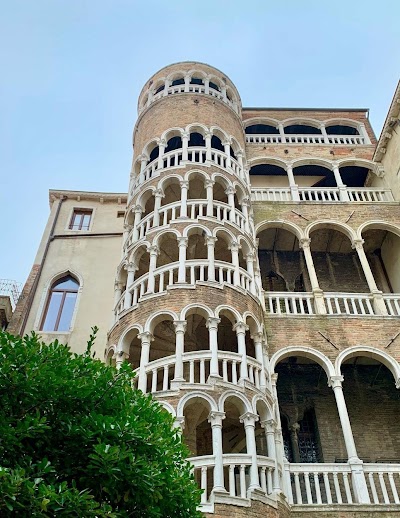
Scala Contarini del Bovolo
San Marco
A unique external multi-arched spiral staircase leading to a viewing platform with panoramic views over the city's rooftops.
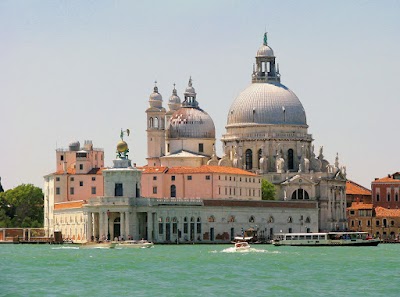
Basilica di Santa Maria della Salute
Dorsoduro
A grand Baroque octagonal church built at the entrance of the Grand Canal as a votive offering for the city's deliverance from the plague.
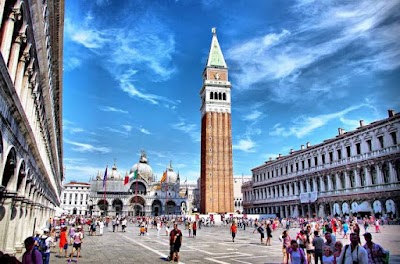
Campanile di San Marco
San Marco
The iconic brick bell tower of St. Mark's Basilica, offering the highest and most complete views of the lagoon and city.
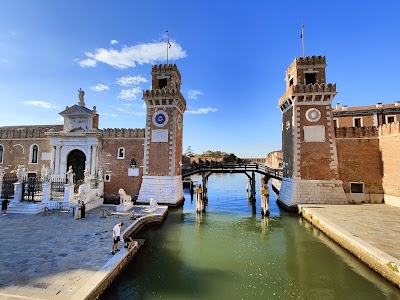
Arsenale di Venezia
Castello
The historic shipyard and military complex that mass-produced the Venetian Republic's naval fleet, featuring monumental Renaissance gates.
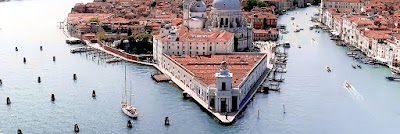
Punta della Dogana
Dorsoduro
The city's old customs house, beautifully restored by architect Tadao Ando, now housing rotating contemporary art exhibitions from the Pinault Collection.
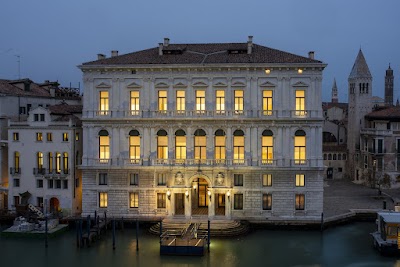
Palazzo Grassi
San Marco
A grand 18th-century neoclassical palace on the Grand Canal, serving as the sister venue to Punta della Dogana for contemporary art exhibitions.
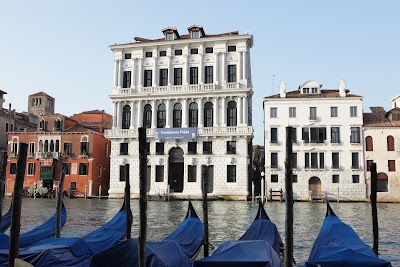
Fondazione Prada
Santa Croce
Housed in the spectacular Ca' Corner della Regina palazzo, this gallery hosts thought-provoking contemporary art and research projects.
Victoria Miro Venice
San Marco
An intimate gallery tucked away in a quiet residential area, showing works by prominent international contemporary artists.

Palazzo Grimani
Castello
An exceptionally rare Renaissance-style Venetian palace, famous for its Tribuna room which once housed a legendary collection of classical sculptures.
Book ahead
Top-rated experiences in Venice

Luxurious Photoshoot in Venice
from $349

Professional Photographer in Venice, Italy
from $289

Private Venice Family Tour with Saint Mark’s & Doge’s Palace
from $291

Brunetti's Venice: A Culinary Journey Through Leon's Mysteries
from $157

Transfer from Venice Airport to Trieste
from $203

The Secrets of Venice - Private Tour
from $166

Market Tour and Cooking Class with a Venetian Sailor
from $116

Secret Venice, an unusual walk - Private Walking Tour
from $437
Prices from Viator; we may earn a commission when you book — at no extra cost to you. Tours are sold and operated by Viator, the merchant of record. Ratings are collected by Viator and Tripadvisor.
Timing
When to visit
Spring
April and May bring mild temperatures and clear lagoon views, though Easter and the opening of the Biennale art exhibition attract heavy crowds.
Summer
June through August is hot, humid, and crowded. Canal water can occasionally smell during prolonged heatwaves, and mosquitoes are active.
Autumn
September and October offer cooler days and the Venice Film Festival on the Lido. November marks the beginning of the Acqua Alta (high tide) season.
Winter
December to February is cold, damp, and frequently foggy, wrapping the canals in a dramatic atmosphere. Aside from the busy Carnival period in February, this is the quietest time to visit.
What it costs
Budgeting
Logistics
Getting around
From the airport
From Marco Polo Airport, the Alilaguna water bus (Blue, Orange, or Red lines) connects directly to various points in Venice. Alternatively, the ACTV AeroBus or ATVO express bus runs to Piazzale Roma, the city's land-based transit hub.
Public transit
The public transit system consists of vaporetti (water buses) operated by ACTV. They run scheduled routes along the Grand Canal and to outlying islands.
Passes & tickets
Single vaporetto tickets are expensive. It is highly recommended to purchase an ACTV Tourist Travel Card (available in 24-hour, 48-hour, 72-hour, or 7-day durations) which falls into the €€ price band but offers unlimited travel.
On foot
Venice is entirely pedestrian. Walking is the fastest way to get around, though it requires navigating hundreds of stone bridges with steps.
Travel smart
Safety & etiquette
Local etiquette
- •Do not swim or dip your feet in the canals; the water is highly unsanitary and swimming is strictly illegal, carrying heavy fines.
- •Do not sit on the steps of bridges, monuments, or church entrances to eat your lunch; use designated public benches or parks.
- •Always dress respectfully when entering churches; shoulders and knees must be covered, and hats must be removed.
From the ground
Practical tips
1
Purchase your ACTV vaporetto pass online before arriving; a single-ride ticket is very expensive, and multi-day passes pay for themselves quickly.
2
Download the 'hi!tide Venice' app to monitor real-time tide levels and receive warnings about potential Acqua Alta flooding.
3
Never order fresh seafood on a Monday; the fish markets are closed on Sundays, meaning Monday's fish is rarely fresh.
4
Use the 'Traghetto' (gondola ferry) to cross the Grand Canal for just €2 at designated points where there are no bridges nearby.
5
Always carry a small amount of cash; many small, traditional bàcari refuse card payments for small purchases under €5.
6
Get lost intentionally; the best way to experience Venice is to turn off your GPS and wander into the quiet residential corners of Castello or Cannaregio.
Venice FAQs
Is the Venice entry fee active?
Yes, Venice implements a pilot access fee (€5) on specific peak days for day-trippers; overnight hotel guests are exempt but must register online to receive a QR code.
How do I avoid tourist trap restaurants?
Avoid any restaurant with staff standing outside calling to customers, menus featuring photos of the food, or signs translated into multiple languages. Look for quiet bàcari filled with locals standing up.
Is a gondola ride worth the cost?
Yes, if you want a classic romantic experience, as rates are officially regulated (around €80-100 for 30 minutes). To get the best experience, hire a gondola from a quiet side canal station rather than the busy Rialto or San Marco docks.
What is Acqua Alta and what should I do?
Acqua Alta is temporary high-tide flooding that lasts for only a few hours at a time. The city sets up elevated wooden walkways (passerelle) along major routes; simply wear rain boots or purchase temporary plastic overboots.
Can I drink the tap water in Venice?
Yes, Venice has excellent, safe tap water. There are dozens of historic public fountains throughout the city providing fresh, cold water; bring a reusable bottle to refill.