The Venice issue
Murano, Venice: the neighbourhood guide
Ten minutes from Fondamente Nove sits a working glass island that empties at half past four — here is how to time it, eat on it, and stay the night.
By Kim SolheimTimed walking routes and the quieter half of the city
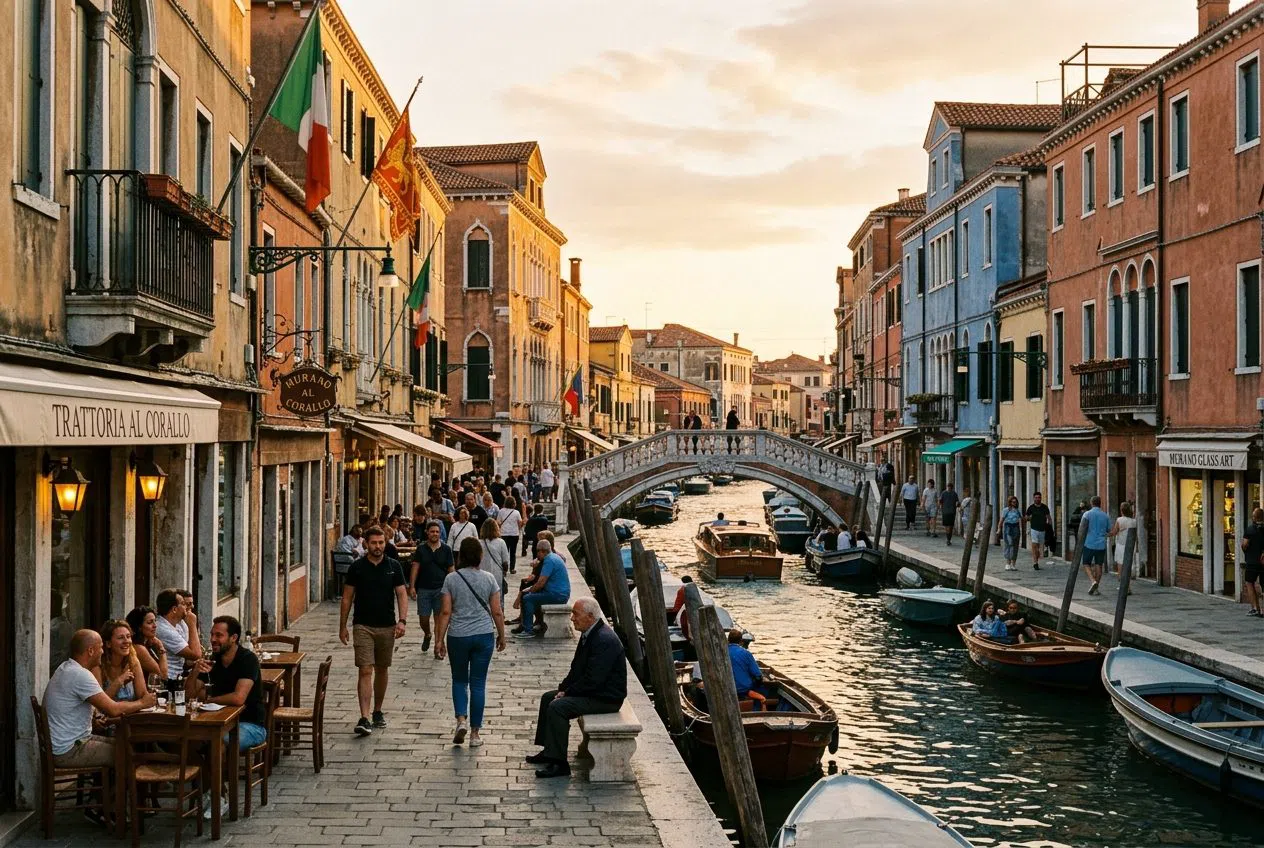
The 4.1 pulls away from Fondamente Nove and ten minutes later the noise has gone out of the day. Murano is not a miniature Venice; it is a working island of a few thousand people where the furnaces are lit before six in the morning and most kitchens have stopped serving by nine at night. Arrive with the day boats and you get the showroom version. Stay until the last one has left and you get the island.
Getting there, and how the island is laid out
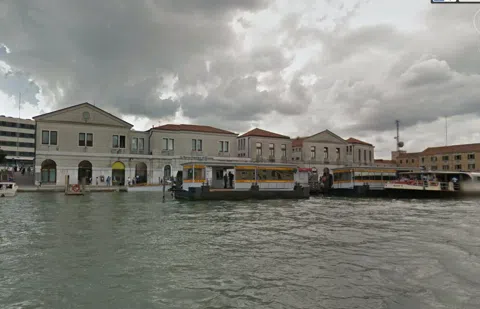
Vaporetti 4.1 and 4.2 run from Fondamente Nove, on the northern edge of Cannaregio, and take about ten minutes, every ten to twenty minutes through the day. Line 12 — the Burano and Torcello boat — calls at Faro. Line 3 comes direct from Piazzale Roma and the railway station, which is the one to take if you are arriving with luggage. Five stops serve the island: Colonna, Faro, Navagero, Museo and Venier. Getting off at the wrong one costs you five minutes on foot, not an afternoon.
The island reads as one long spine. Fondamenta dei Vetrai runs from the Colonna stop north-east along the main canal to the Ponte Longo: about eight minutes at a walking-and-looking pace. Over the bridge, Riva Longa carries you to Campo Santo Stefano in another three. From there Fondamenta Giustinian runs east past the museum to the church at Campo San Donato, six or seven minutes more. End to end, twenty-five minutes. Nothing in this guide sits further than half an hour from anything else in it, which is the practical argument for doing Murano slowly rather than efficiently.
One timing fact shapes everything below. The day-trip window is roughly 10am to 4.30pm. Inside it, Fondamenta dei Vetrai is a corridor of tour groups and showroom touts. Outside it, the same quay is a residential street where people are hanging washing. If you can only come for the day, come before ten. If you can stay the night, the calculation changes entirely — see the hotels further down.
Plan your Venice trip
Live prices from our booking partners.
Free cancellation on many rooms. We may earn a commission when you book.
The glass, in the order that makes sense
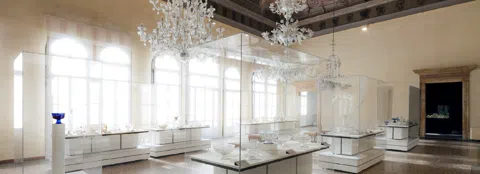
Start at the Museo del Vetro (Murano Glass Museum, Fondamenta Giustinian), a seven-minute walk east from the Ponte Longo, or thirty seconds from the Museo vaporetto stop. Around €15 for an adult, €7.50 concessions, free if you already hold a Venice museum pass; open daily, 10am to 6pm April to October and 10am to 5pm in winter. The audio guide is free via a QR code on your ticket, so you do not need to hire anything at the desk. Give it an hour. Doing this first is the difference between wandering into showrooms and understanding what you are looking at in them — every piece of glass you see for the rest of the day gets a date and a technique attached to it.
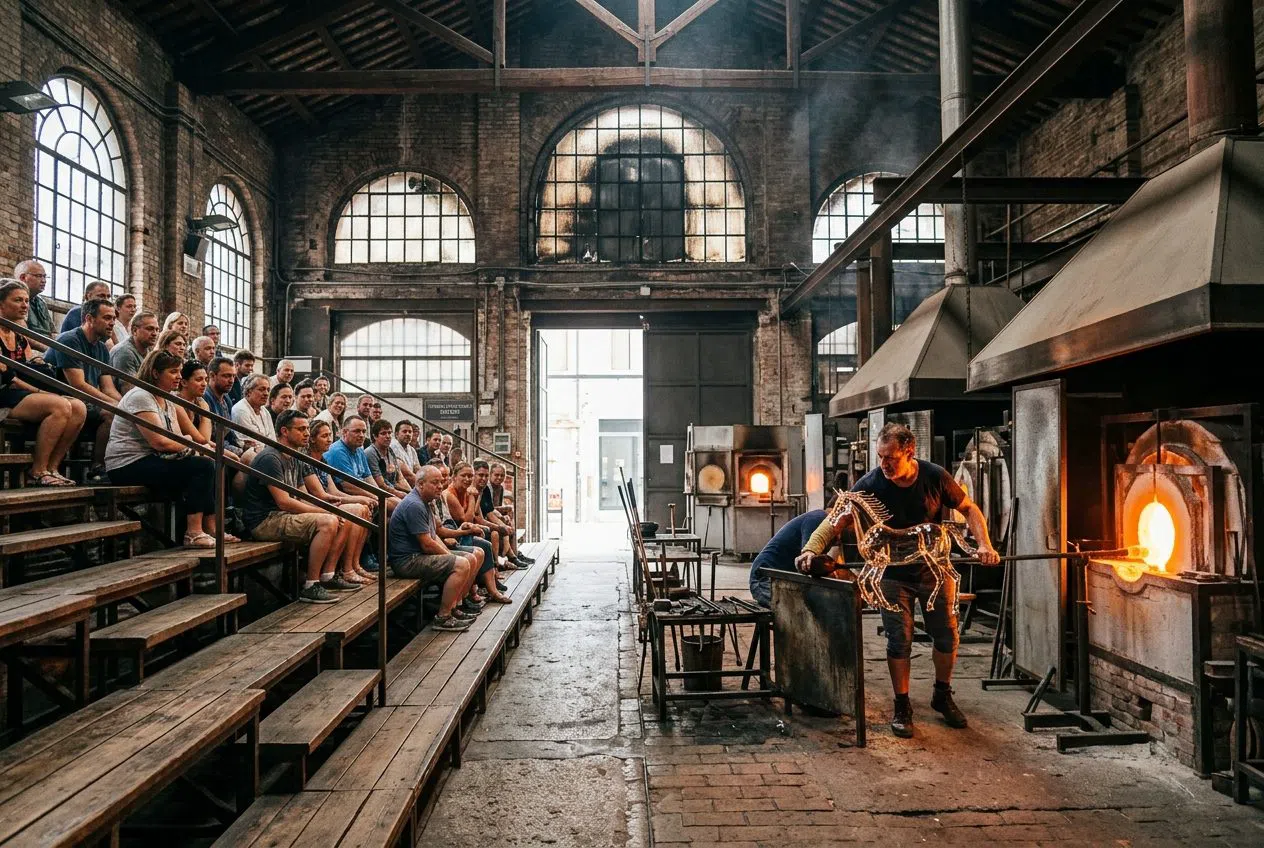
For the demonstration, Vetreria Artistica Colleoni (Fondamenta Navagero, about six minutes back west) runs scheduled twenty-minute demos in English, Italian and French. Entry is a few euros, the space is wheelchair accessible, and there is a gallery shop at the end that you can walk straight through without being worked over. This is the version for groups, for children, and for anyone whose interest in furnace temperatures runs to twenty minutes rather than two hours. Hands-on workshops cost extra.
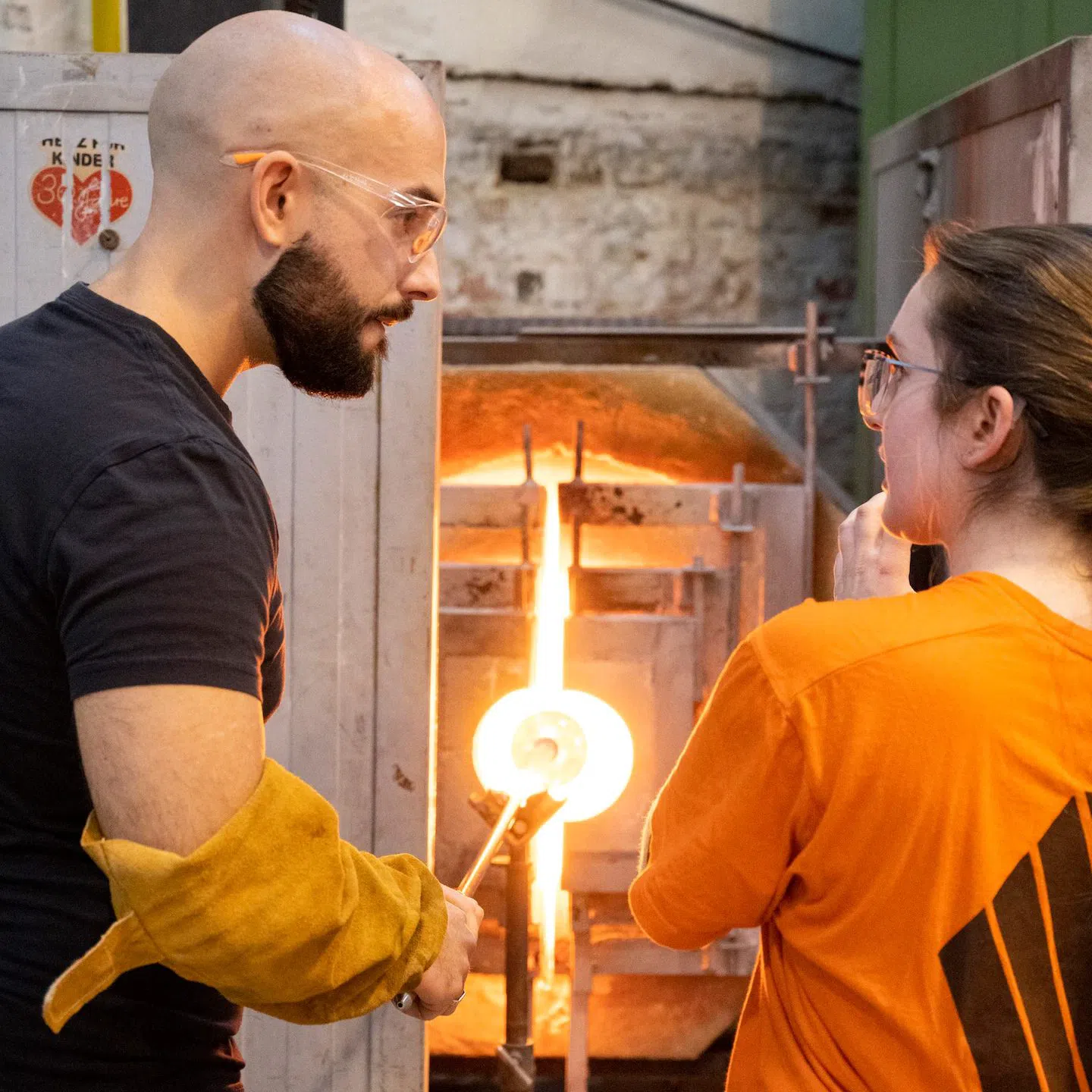
If you want the other thing — actually making a piece — Wave Murano Glass (Calle Bertolini, at the northern end of the island, about ten minutes from the Faro stop) is where Roberto Beltrami runs a working furnace that puts a blowpipe in your hands and lets you take home what you make. Classes are capped at four people and start from around €245 per person, so this is a considered purchase rather than a drop-in. Groups have two options: book consecutive slots, or take the private option. Separate guided factory tours handle larger parties at a much lower price. Block out half a day once you have added travel and the cooling time for your piece. It is the single strongest reason to stay on Murano past the day-trip window.
For shopping, Venini Boutique Murano (Fondamenta dei Vetrai) is a walk-in, daily 9.30am to 6pm, with appointments available if you are buying seriously and no pressure at all if you are not. The house has been working since 1921, and the point of going in is calibration: see the real thing at close range and the imported fakes sold from the racks along the fondamenta become obvious within an hour. Whatever you buy, on this island or anywhere else, ask for the Murano glass trademark sticker.
The quiet half of the island
Most visitors never cross the Ponte Longo, which is convenient for the people who do.
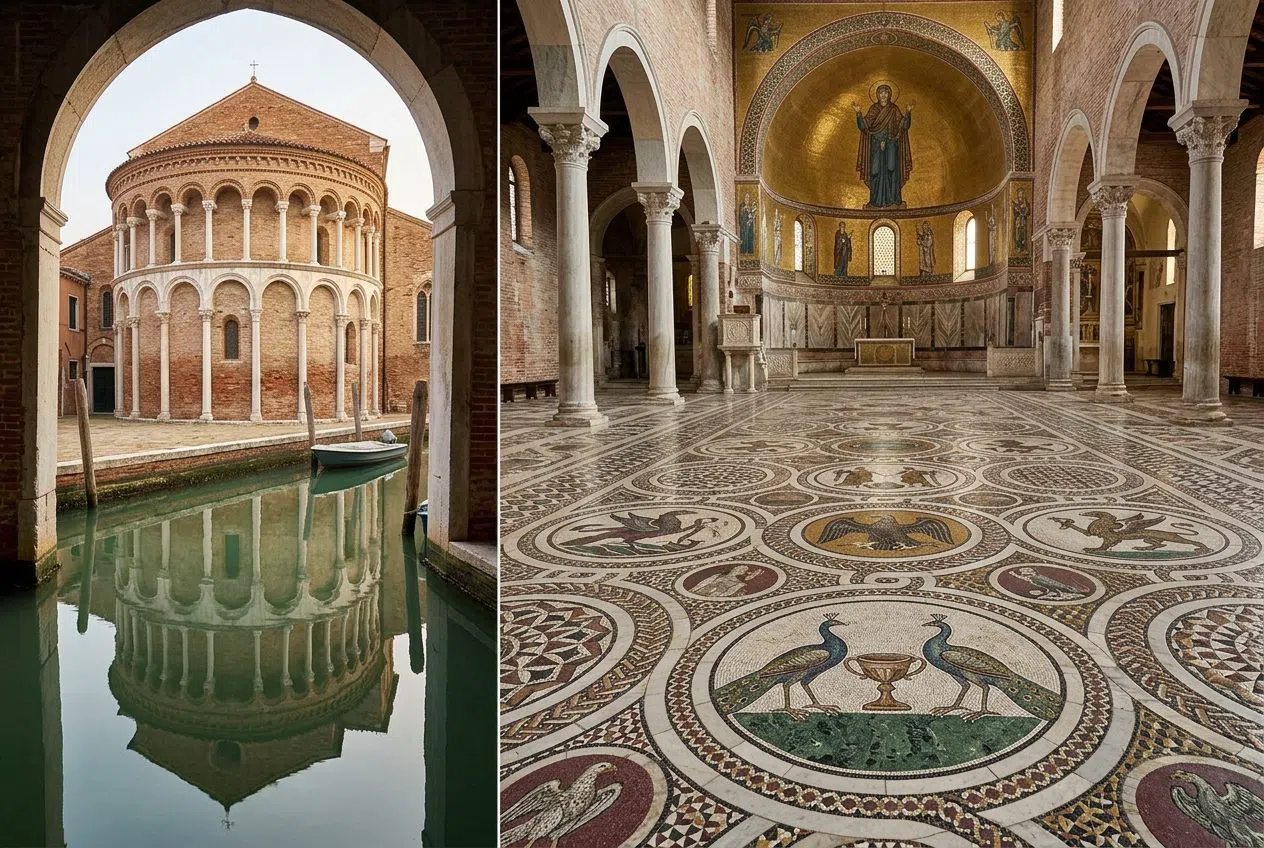
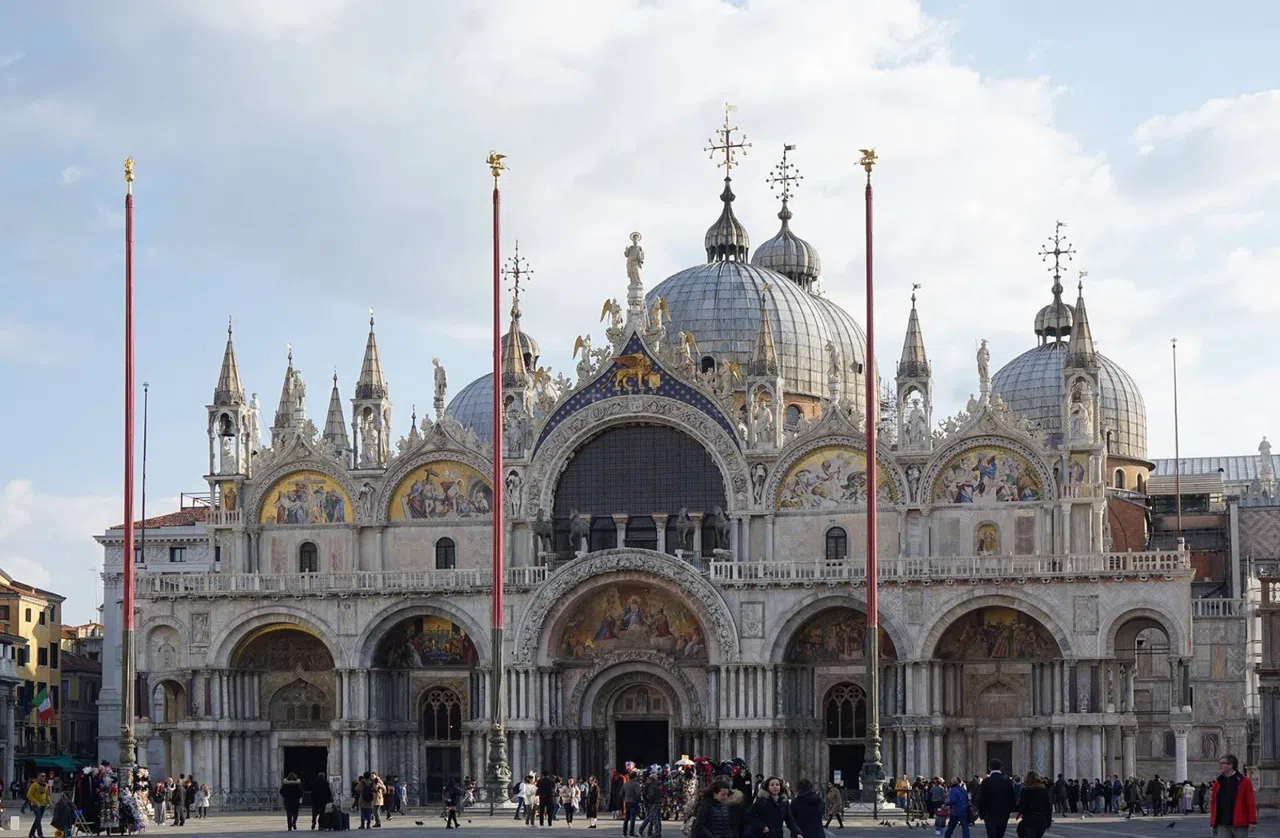
Basilica dei Santi Maria e Donato (Campo San Donato) is free to enter and about seven minutes east of the museum along the water. Roughly 9am to noon and 3.30pm to 7pm Monday to Saturday, Sunday afternoons only. It is an active parish church, so shoulders and knees covered, voices down, and no wandering about during a service. If the queue outside San Marco has put you off the idea of Venetian mosaic entirely, this is the alternative: a twelfth-century floor you will very likely have to yourself, and the thing on Murano that has nothing to do with blown glass.
Fondazione Berengo Art Space (Campiello della Pescheria, three minutes off Fondamenta dei Vetrai) is the reason to plan a 2026 visit around a date. Glasstress 2026 runs from 12 July to 22 November 2026, spread across this Murano space and Palazzo Ca' Tron in the city, with more than fifty artists. Entry is modest and guided visits can be booked in advance. It is an open gallery, easy with a group, and it is what stops Murano feeling like a souvenir island.
Cometa di Vetro (the Comet Glass Star, Campo Santo Stefano) is Simone Cenedese's 2007 sculpture and the island's default group photograph. Open square, no restrictions, no ticket. Come at six in the evening once the boats have gone and the campo is yours; come at noon in August and you are queueing behind three tour flags.
Lunch, which is when Murano actually eats
This island's food culture is built around the furnace shift, not around tourists, and it shows in the opening hours.
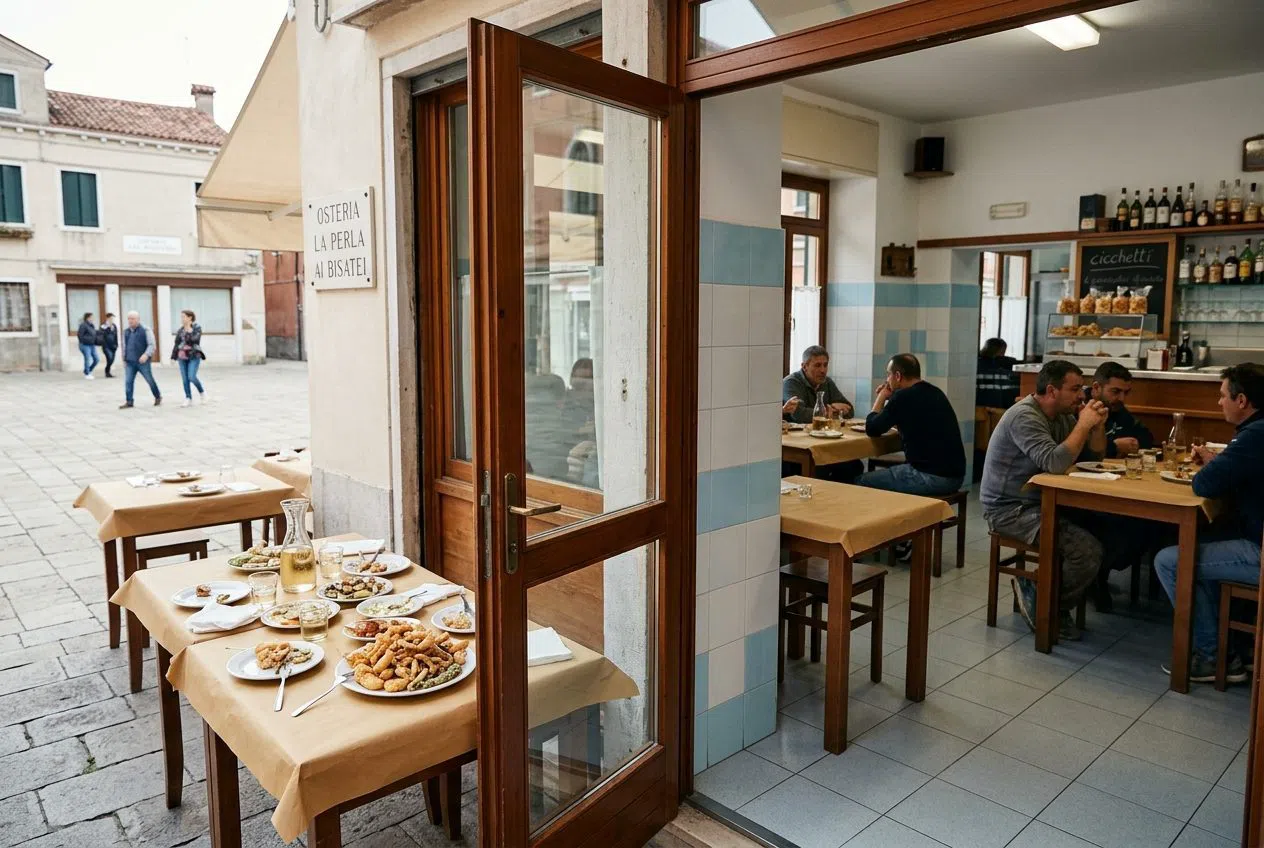
Osteria La Perla ai Bisatei (Campo San Bernardo, four minutes from the Faro stop) is where the glassworkers eat: fritto misto, risotto, spaghetti alle vongole, a full lunch comfortably under €25. It is unpolished, cash is easier than card, and it opens Thursday to Tuesday for lunch only — closed Wednesdays, no dinner ever. Four to eight people is fine. A coach party is not; the room is small and it is busy with locals who have forty-five minutes.
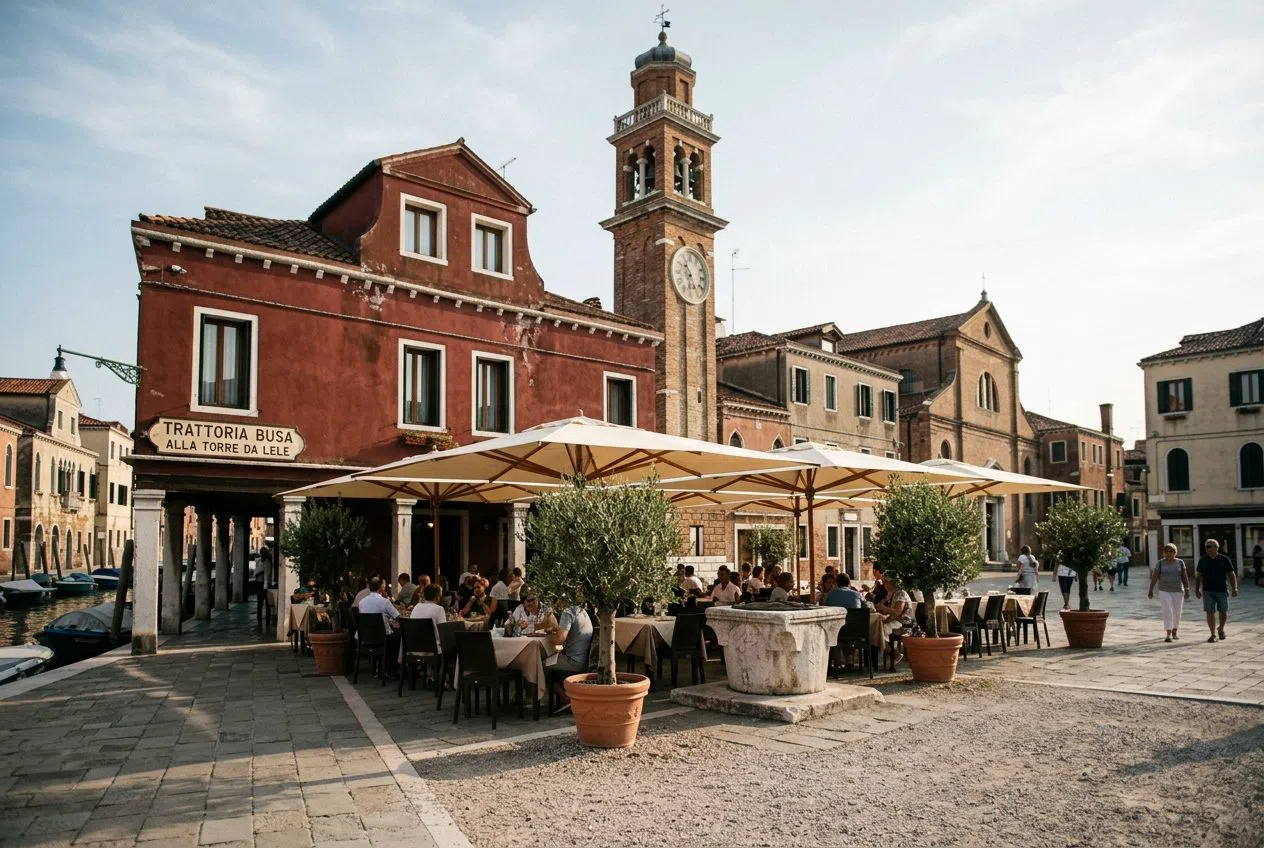
Trattoria Busa alla Torre da Lele (Campo Santo Stefano, right by the Comet) is the old-guard trattoria most people mean when they talk about lunch on Murano, with Lele himself working the tables and a terrace on the campo that absorbs ten or twelve people without fuss. Mains €20-30; order the antipasto Busa and the bavette alla busara. The critical detail: lunch only. Do not build an evening around it, because there will not be one.
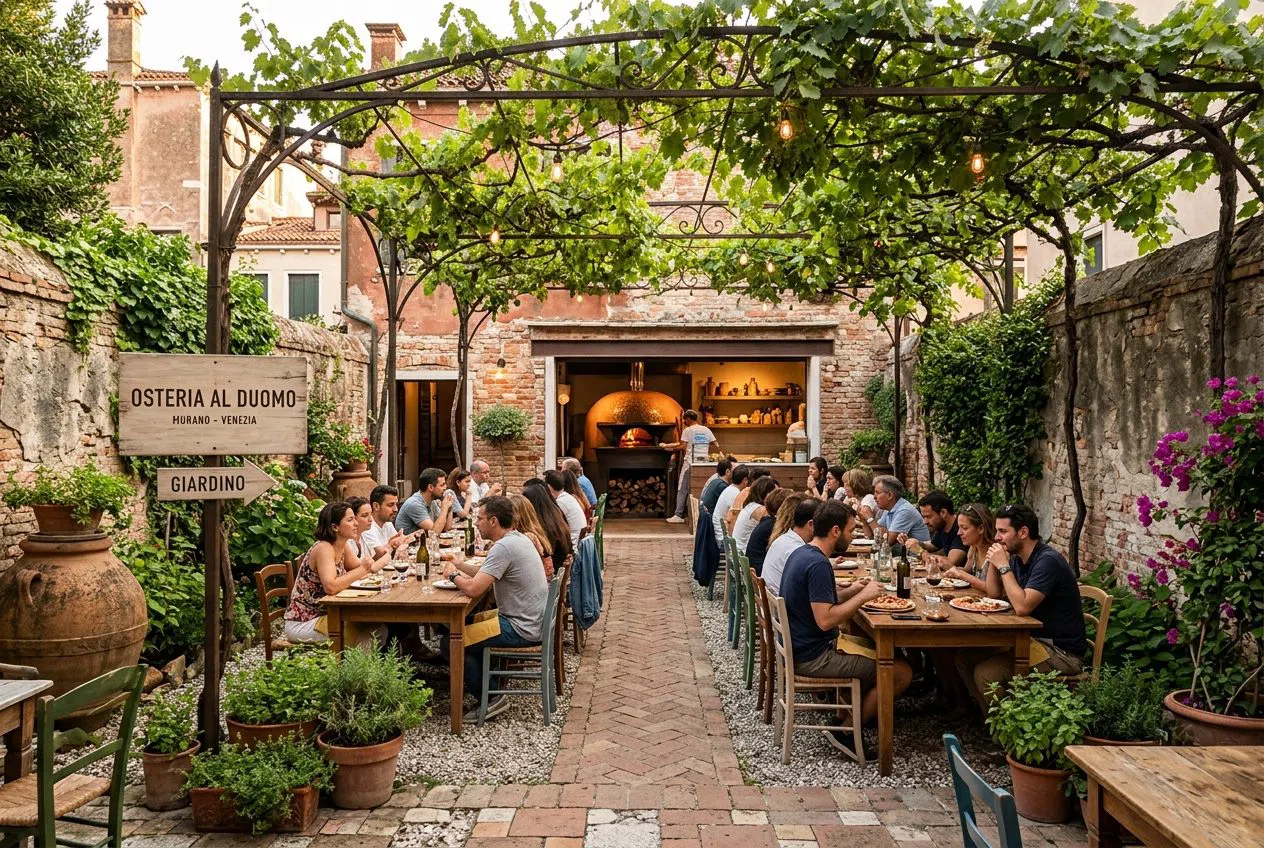
Osteria al Duomo (Fondamenta Maschio, two minutes from the Basilica) started life in 1903 as a workers' food co-operative and remains the strongest value on the island — pizzas €9-14, mains €16-24, served in a large shaded courtyard. It is the most group-tolerant kitchen here and it is happy with a dozen, but reservations are essential rather than advisable. Take a mixed group that cannot agree between pizza and spaghetti alle vongole, and let the garden solve it.
Dinner, and the trap nobody warns you about
The trap is this: people book a hotel on Murano, walk out at eight, and find the fondamenta dark. Three places reliably fix that, and each has a condition attached.
Osteria Acquastanca (Fondamenta Manin, three minutes from the Colonna stop) is the one genuinely special dinner on the island. Sisters-in-law Caterina and Giovanna buy fish at Rialto each morning, and it shows on the plate. Mains run €22-30, with cicchetti and wine by the glass for far less if you want a lighter evening. Six to eight works if you book ahead, but the room is tight — a larger party is better split across two tables than squeezed into one. Book by phone or email, not by turning up.
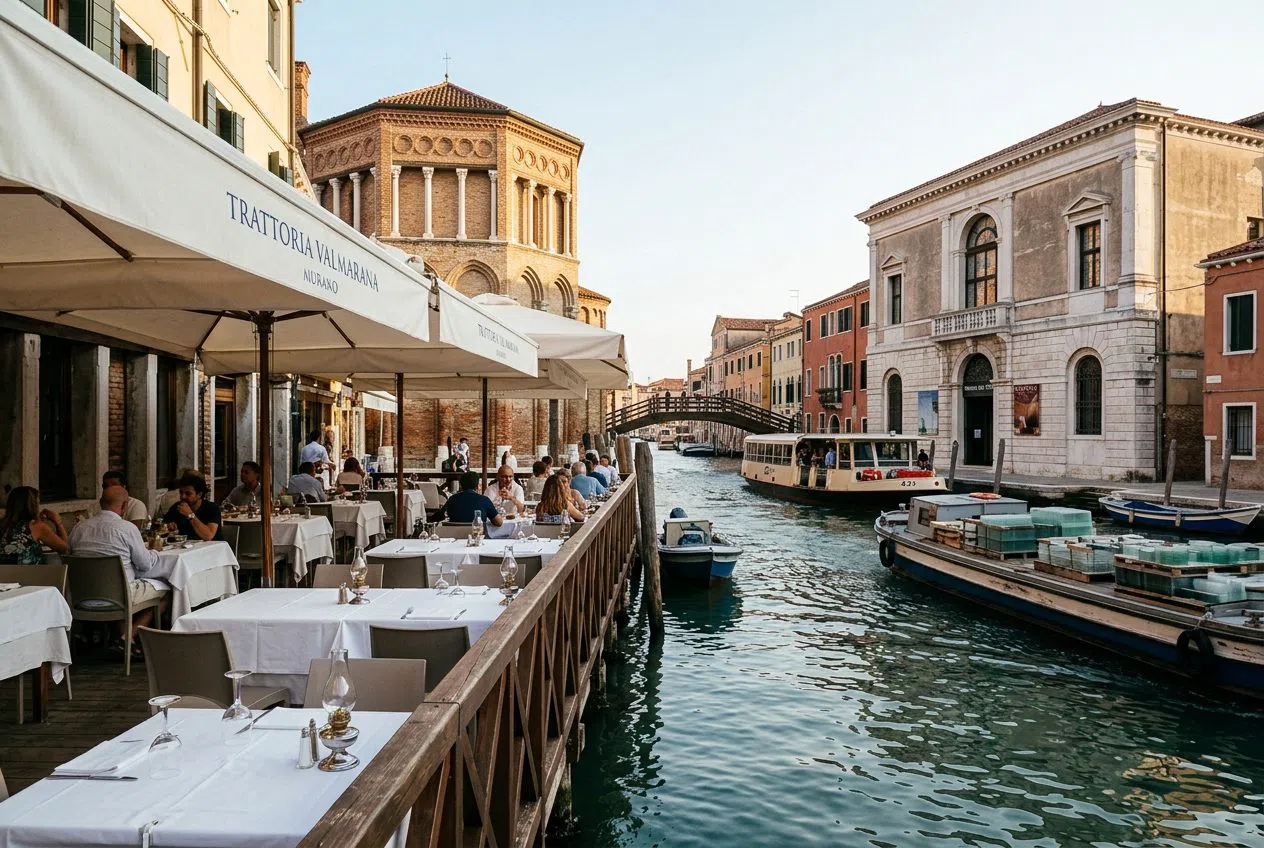
Trattoria Valmarana (Fondamenta Navagero) has been family-run since 1958 and holds the smart waterside table on the island, with a canal terrace that takes larger groups if you book, particularly in season. Mains €25-35. Note carefully: no dinner service Monday to Wednesday. This is the classic Murano trap in its purest form.
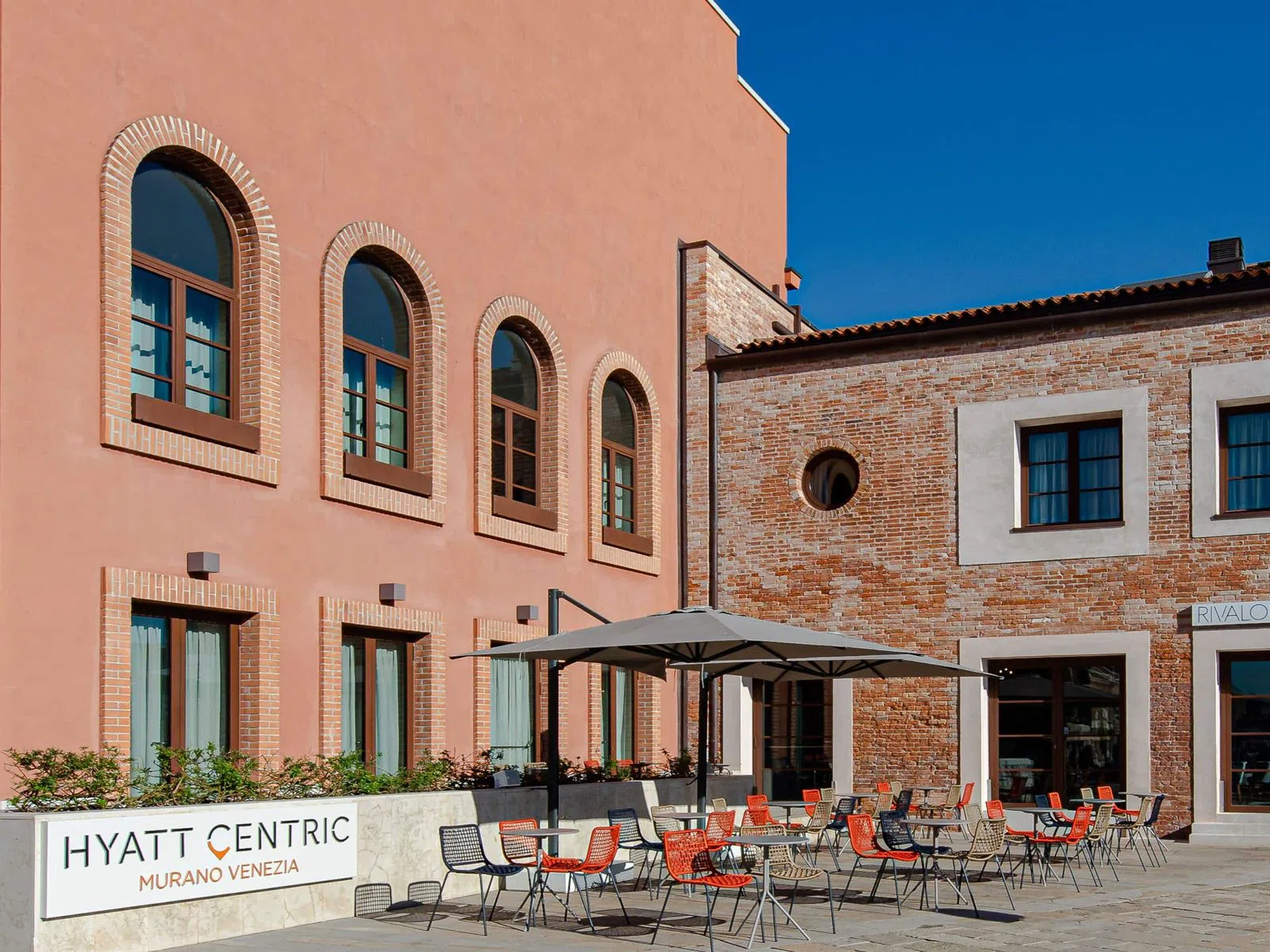
Osteriva, inside the Hyatt Centric Murano Venice (Riva Longa), is the dependable answer. It is a hotel restaurant, which means it handles large bookings and private dining, has no door policy to negotiate, and is properly open at night when half the island has shuttered. Mains €28-38, and the greenhouse setting earns its keep rather than being decoration. Start at the hotel's Spritz and Fizz bar beforehand.
One drink, earlier than you think
Osteria ai Cacciatori (Fondamenta Manin) opens at six in the morning for the furnace shift and closes around eight in the evening, so it is your early ombra and not your nightcap. Wine by the glass is €2-4 and toasted sandwiches cost a few euros. It is standing-room: a few of you can prop up the counter, but there is no seating plan for a party of ten. Closed Sundays.
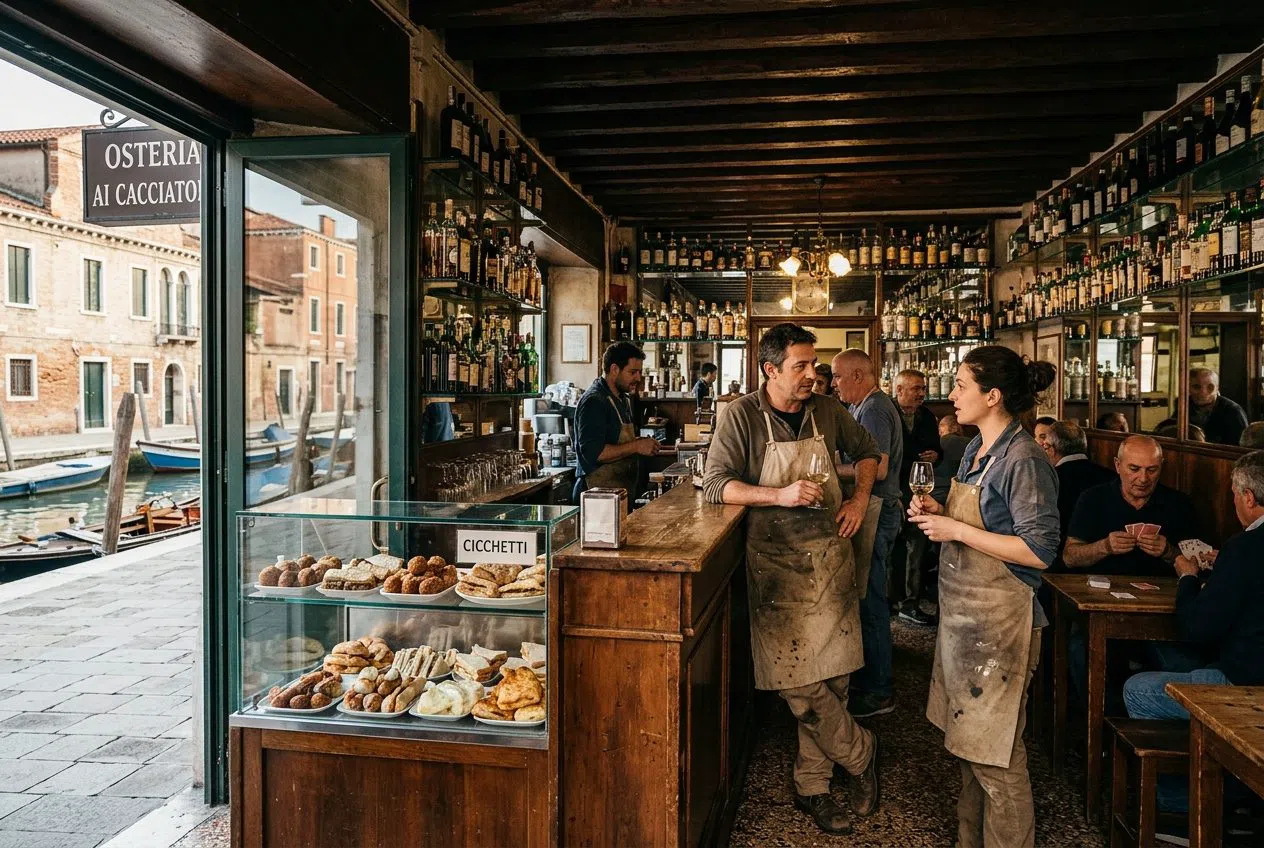
Be honest with your group about this. Murano's evening ends earlier than Venice's. If you want a bar at eleven, you want the 4.2 back to Fondamente Nove or your own hotel bar — and the wider Venice guide covers where to go once you are back across the water.
Staying the night
Hyatt Centric Murano Venice (Riva Longa) is the island's biggest hotel, typically £180-320 a night, with duplex suites that work for families, private dining, and the capacity to handle a group. It was formerly the LaGare Hotel Venezia - MGallery and rebranded, so disregard older listings and reviews filed under the previous name. Staying here is how you get the island at dusk and at dawn without a single day-tripper in the frame.
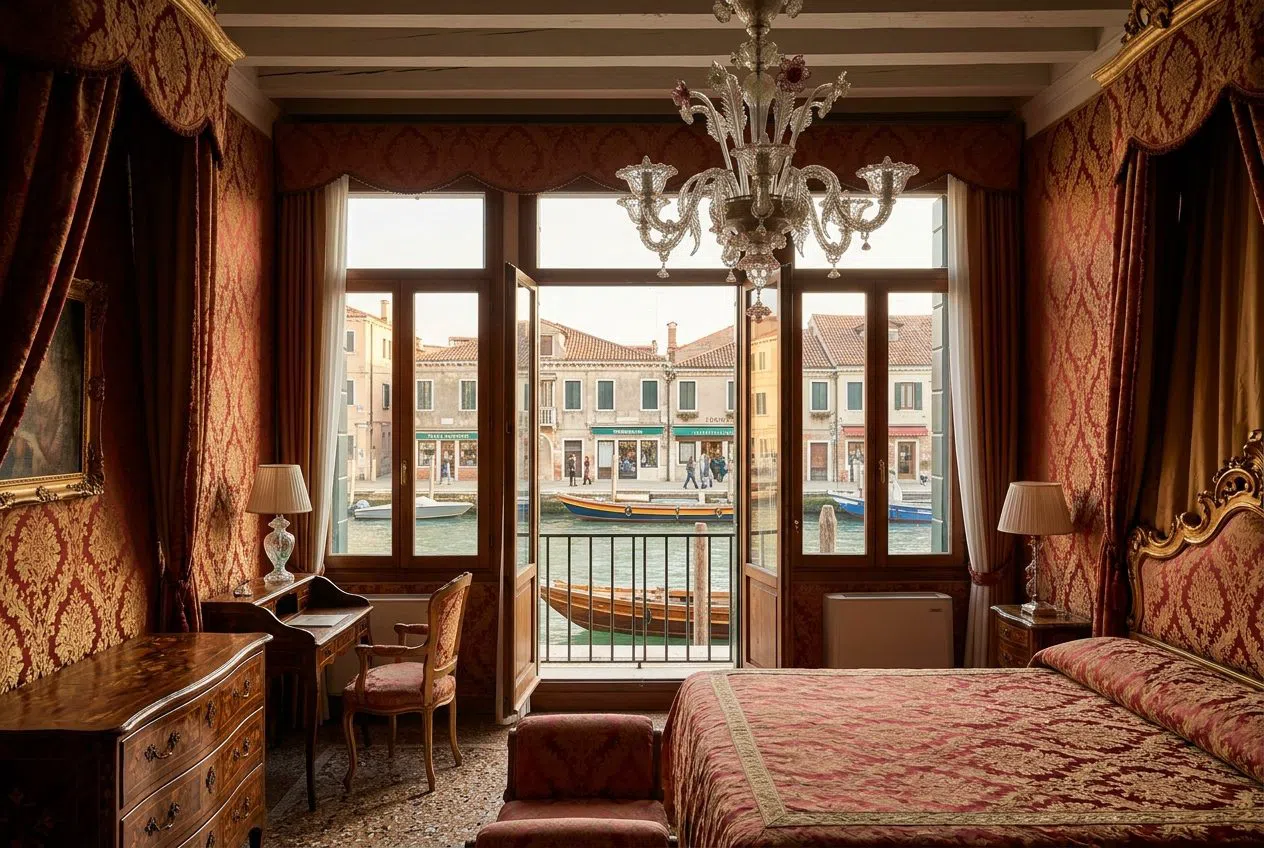
Murano Palace (Fondamenta dei Vetrai) has nine rooms at roughly £120-200 and the strongest reviews of the small stays here. A group of eight could reasonably take the whole place; a group of eighteen should not try. It sits on the main glassmakers' quay, which is busy by day and completely silent after the last vaporetto rush. If you want to price these against sleeping in Venice proper and commuting out, compare them with a Venice hotel search before you commit.
A day on Murano, in order
9.20am, 4.1 from Fondamente Nove. 9.35am, off at Colonna and walk the Fondamenta dei Vetrai while it is still quiet — eight minutes, Venini on your way. 10am, the Museo del Vetro; one hour. 11.15am, the Basilica at San Donato, seven minutes east. Noon, lunch at Osteria al Duomo two minutes away, or double back fifteen minutes to La Perla. 2pm, the Colleoni demonstration, or the afternoon at Wave if you booked a class. 4.30pm, Berengo. 6pm, an ombra at ai Cacciatori. 7.30pm, Acquastanca, three minutes along the same quay.
Practical notes
Transport. A single ACTV ticket is around €9.50 and valid for 75 minutes in one direction, which makes it poor value the moment you make two trips; a 24-hour pass at roughly €25 or 48-hour at roughly €35 pays for itself if you are pairing Murano with Burano. Check the printed timetable at the pontile before dinner — frequency drops sharply after 8pm and the crossing back becomes a twenty-minute wait rather than a five-minute one.
Cash. Carry €50-60 in notes. La Perla ai Bisatei and ai Cacciatori are far smoother with cash; everywhere else takes cards. There are cashpoints near the Colonna stop, and they are the last ones you will see.
Timing and closures. Wednesdays, La Perla is shut. Sundays, ai Cacciatori is shut and the Basilica opens afternoons only. Monday to Wednesday, Valmarana serves no dinner. Busa alla Torre is lunch only, always. Check two of these before you plan an evening and you will avoid the standard Murano disappointment.
Budget. A day trip done properly — return vaporetto, museum entry, lunch at al Duomo with a glass of wine — lands around €45-55 per person. An overnight with dinner at Acquastanca and a bed at Murano Palace comes to roughly £190-240 for two. A glassblowing class at Wave roughly doubles the day's cost on its own, and is worth it only if making the piece is the point of the trip.
Access. Colleoni is wheelchair accessible and the museum is manageable. The bridges, including the Ponte Longo, have steps and no ramps — plan routes along a single side of the canal where you can.
Before you go
How do I get to Murano from Venice, and what does it cost?
Vaporetti 4.1 and 4.2 run from Fondamente Nove in about ten minutes, every ten to twenty minutes. Line 12 (the Burano boat) calls at Faro, and line 3 comes direct from Piazzale Roma and the station — take that one if you have luggage. A single ACTV ticket is around €9.50 and valid 75 minutes in one direction, so a 24-hour pass at roughly €25 is better value the moment you plan a return trip or add Burano.
Is anything actually open on Murano in the evening?
Less than you would expect. Osteria Acquastanca on Fondamenta Manin is the standout dinner, Trattoria Valmarana serves on its canal terrace but not Monday to Wednesday, and Osteriva at the Hyatt Centric is reliably open every night and takes large bookings. Trattoria Busa alla Torre and La Perla ai Bisatei are lunch only, and the bacaro ai Cacciatori closes around 8pm. Book dinner before you arrive.
Is it worth staying overnight on Murano rather than day-tripping?
Yes, if the quiet is the point. The day-trip window runs roughly 10am to 4.30pm; before and after it, the island is residential and the Comet Glass Star square is empty. Hyatt Centric Murano Venice runs about £180-320 a night and handles groups; Murano Palace has nine rooms at roughly £120-200. The trade-off is a shorter evening — there is no late bar scene here.
Can I blow glass myself on Murano, or only watch?
Both, at different prices. Wave Murano Glass runs hands-on classes at Roberto Beltrami's furnace from around €245 per person, capped at four people, and you take your piece home; groups need consecutive slots or the private option. If you only want to watch, Vetreria Artistica Colleoni runs twenty-minute demonstrations in English, Italian and French for a few euros, and is wheelchair accessible.
How do I avoid buying fake Murano glass?
Go to the Museo del Vetro first so you know what you are looking at, then visit the Venini boutique on Fondamenta dei Vetrai — open daily 9.30am to 6pm, relaxed about browsers — to calibrate your eye against work from a house that has been going since 1921. When you buy anywhere, ask for the Murano glass trademark sticker; the cheap racks along the fondamenta will not have one.