The Venice issue
Six O'Clock in Venice: The City's Real Dinner Table Is a Bar
Skip the tired canal-side restaurant and eat the way Venetians do — standing at a bacaro with a €3 cicchetto and a €2.50 glass of wine in hand.
By Inês CarvalhoRialto market prices, cicchetti and who still cooks their own
At six in the evening, when the day-trippers are filing back toward the station and the light goes gold on the water, Venice quietly sets its real dinner table. It isn't a table at all — it's a marble counter crowded with little plates, a doorway you have to lean into, a glass of wine drunk on your feet. This is the bacaro, and an evening spent drifting between three or four of them, eating a €2 cicchetto here and a €1.50 crostino there, is the best meal the city serves. Here's how to plan it without wasting a single ombra.
First, the rules of the game
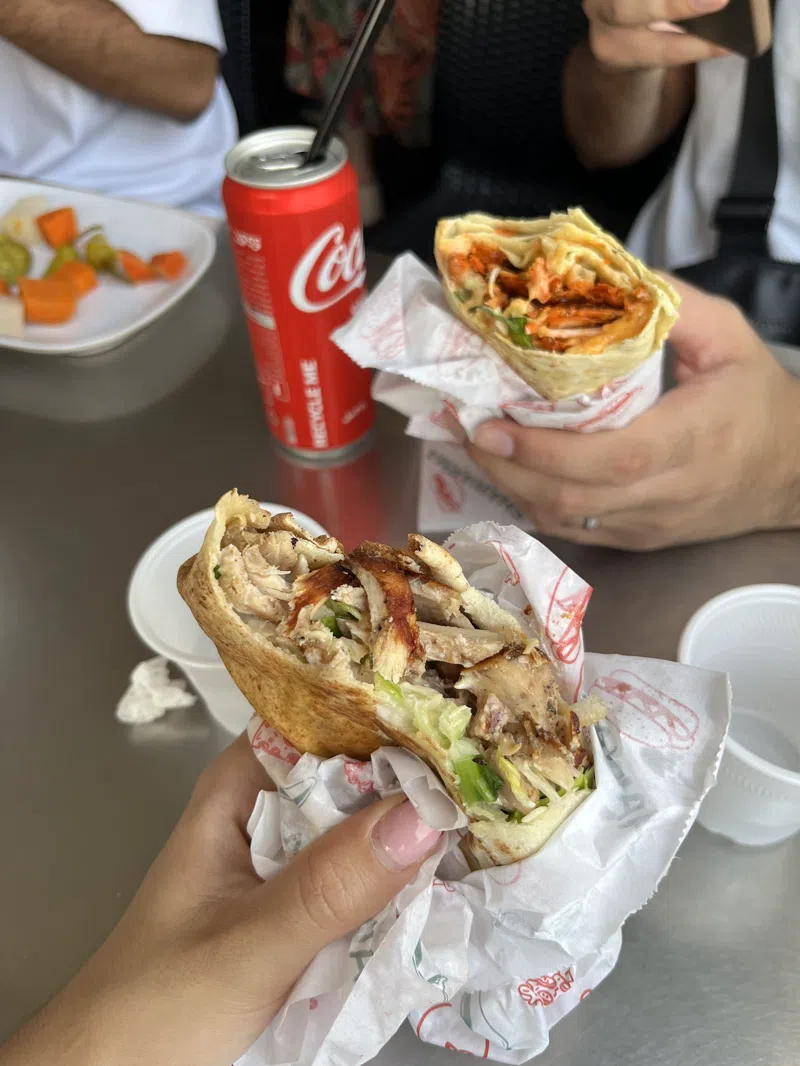
A bacaro is a Venetian wine bar built around cicchetti — small bites eaten standing, usually priced €1.50–4 each. An ombra is a small glass of house wine, often €2–4; a giro de ombre is the crawl itself, the act of walking from bar to bar. You order at the counter, you eat where you stand or on the nearest canal ledge, and in most of these places there is no table service and no reservation to be had. That's not a quirk to tolerate; it's the whole point. The moment you sit down and wait for a menu, you've left the bacaro world and entered the restaurant one, where the same sardine costs three times as much.
Most bacari do their business between about 11am and 8pm, with a hard aperitivo surge from six. Several close Sundays, and a few shut startlingly early, so a crawl is a thing you build with a rough clock in your head. Below I've grouped the venues by neighbourhood so you can walk a sensible line rather than zig-zag across bridges. If you're still sorting out where to sleep, the Venice hotel search is worth doing before you lock a neighbourhood — staying in San Polo or Cannaregio puts most of this within a ten-minute stroll.
Plan your Venice trip
Live prices from our booking partners.
Free cancellation on many rooms. We may earn a commission when you book.
Around the Rialto market: the classic crawl
The densest cluster of great bacari sits in the lanes behind the Rialto fish market in San Polo, and this is where I'd send a first-timer. Start early — right at opening if you can — because these places go from calm to shoulder-to-shoulder fast.
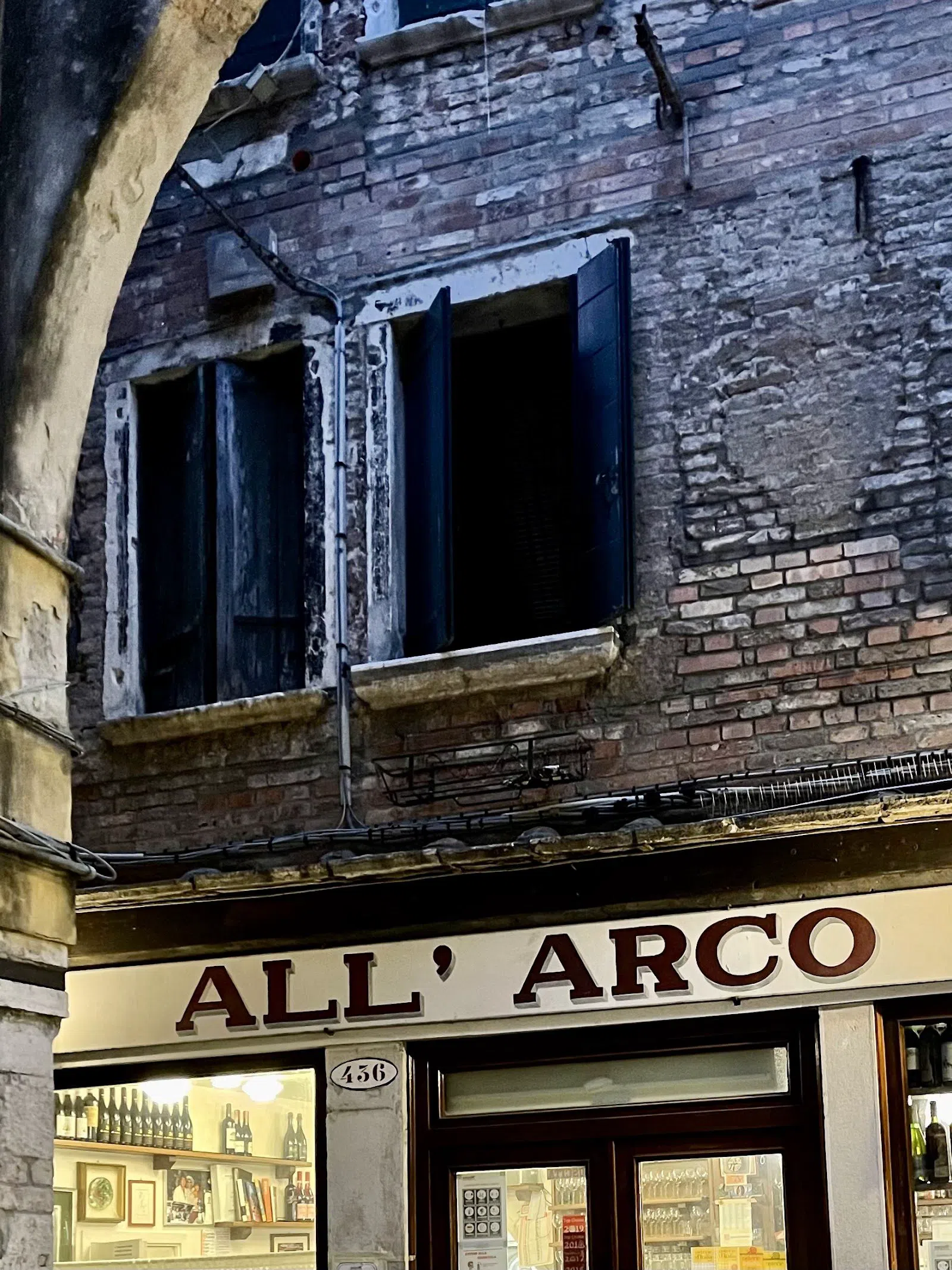
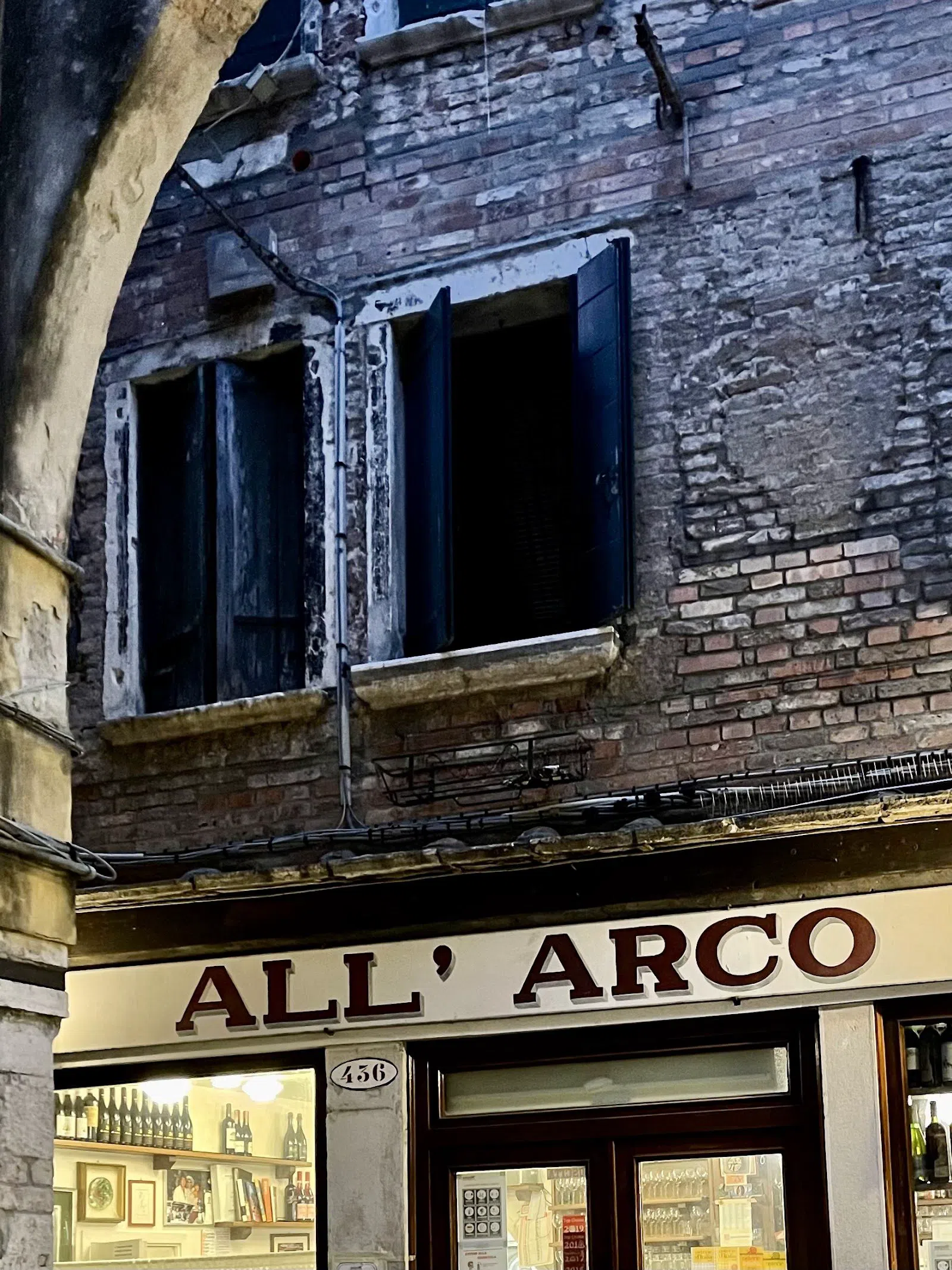
All'Arco (San Polo, behind the Rialto market) is the connoisseur's stop and, for my money, the best counter in the city for made-to-order crudo cicchetti — raw fish dressed to order, a scatter of things you point at and watch them build. Cicchetti run €1.50–3, an ombra €2–4. It is genuinely tiny and standing-only: perfect for two to four people at the counter, hopeless for a group of eight. There are no reservations, so go right at opening or on a Monday morning before it's mobbed. If you arrive at 1pm on a Saturday you'll be eating in the street with elbows in your ribs.
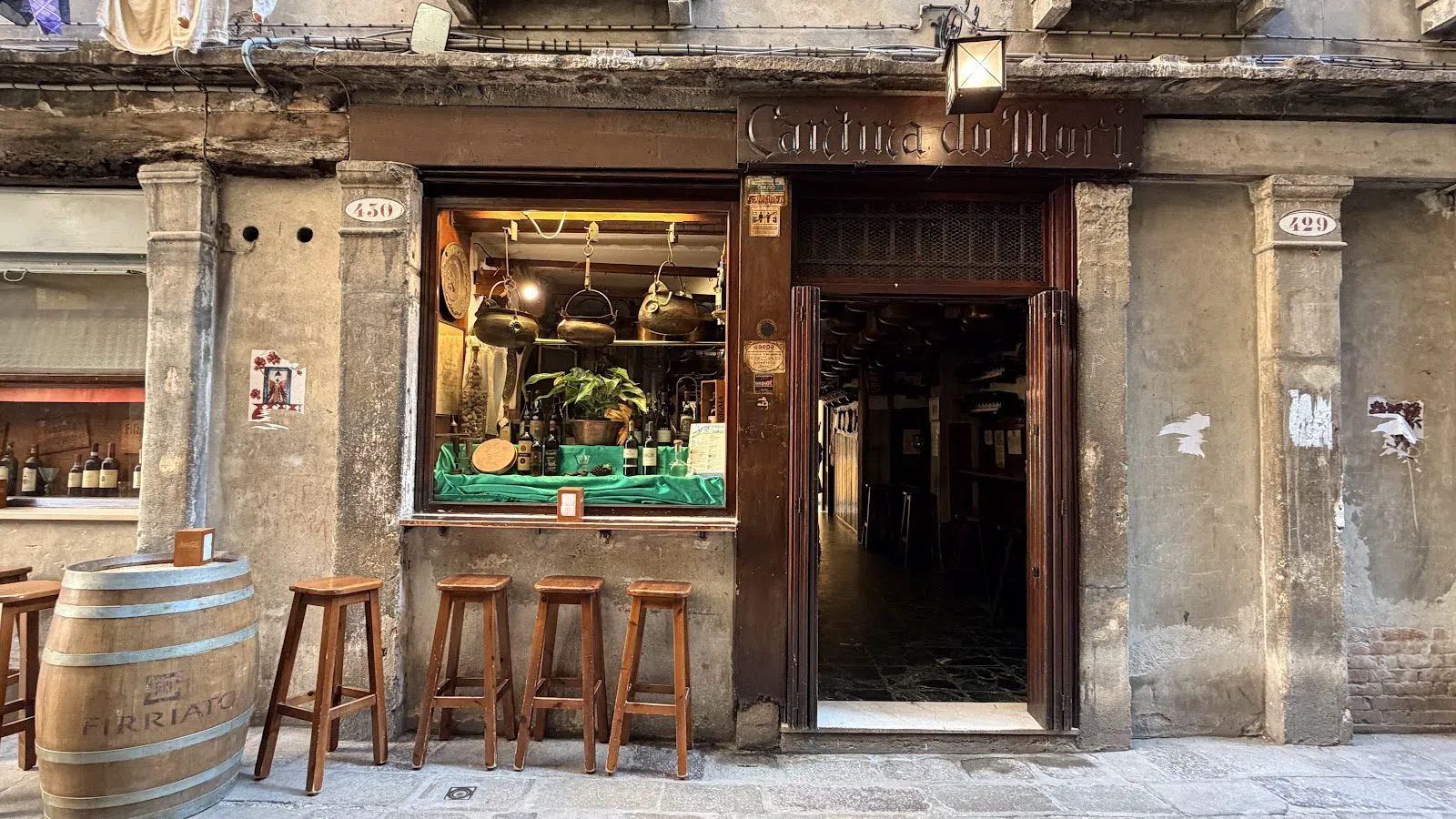
A two-minute walk away, Cantina Do Mori (San Polo) has been pouring since 1462, which makes it the oldest bacaro in Venice and a living piece of the city rather than a museum piece. Come for the low copper-pot ceiling, a glass from around €2.50 and the francobolli — the little "postage-stamp" sandwiches — at €1.50–3 a bite. It's cramped and standing-only, so think couples and pairs, not groups, and note it closes Sundays. This is a place you visit for atmosphere as much as food; go, order two glasses, soak up the room, and move on.
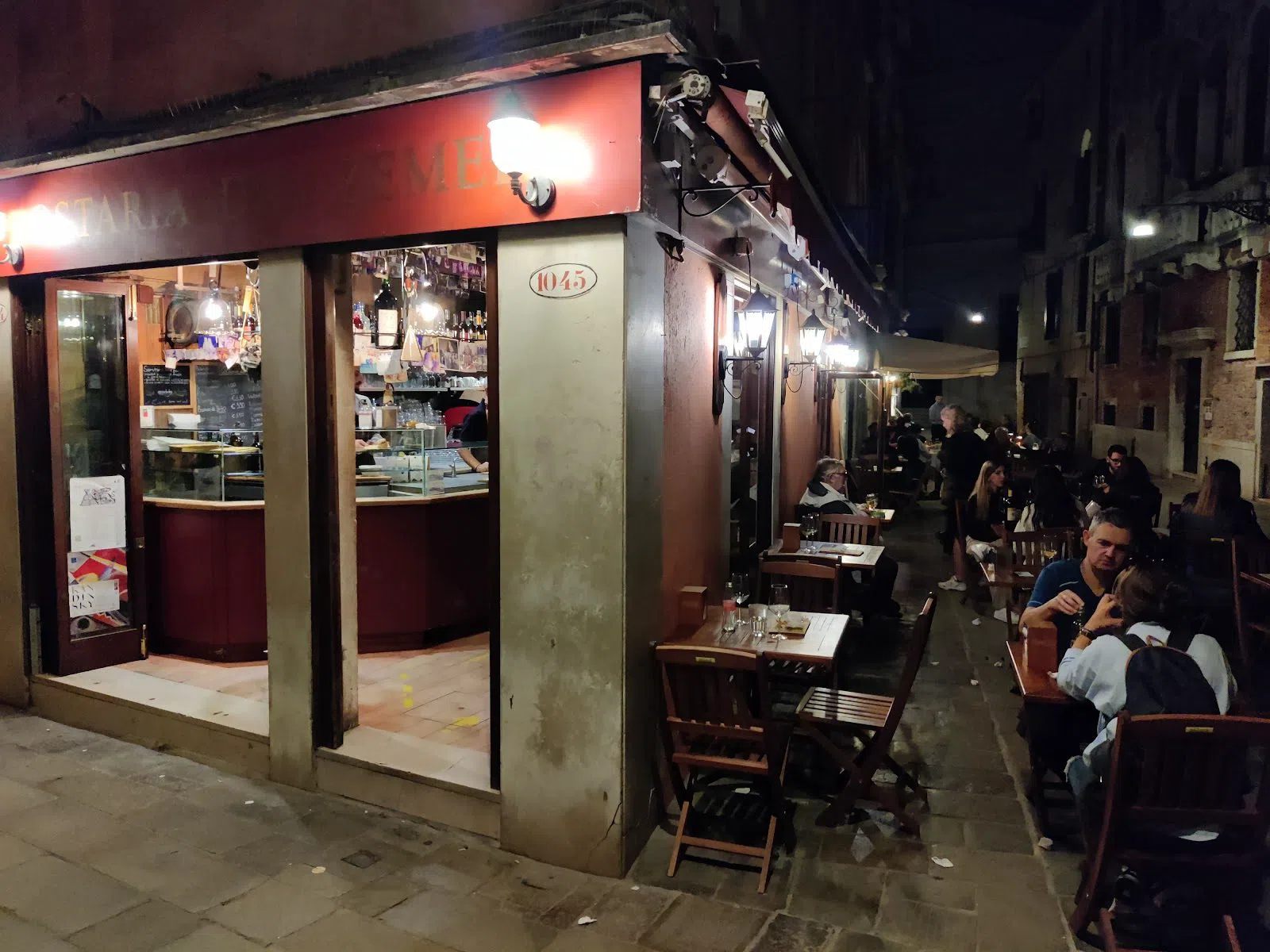
For the prettiest plates in the district, cut to Ostaria dai Zemei (San Polo, near Rialto) — "the twins" turn out some of the most inventive, good-looking cicchetti in town, €1.50–2.50 each, glasses €2.50–4. It's small and mostly a daytime spot, so slot it into the middle of an afternoon crawl rather than a late-evening one. Good for pairs and small groups happy to stand.
When you want a spritz and a cheap panino rather than a full graze, Al Mercà (San Polo, on the campo by the Rialto market) is the counter locals crowd for exactly that: mini panini at €1.50–2 and a Select spritz or glass of wine for €2.50–4. It's purely standing in the campo — no seating whatsoever — and it shuts hard in the evening, closing around 8pm and closed Sundays, so this is an early-doors move. A group can gather in the open square, but nobody's sitting down.
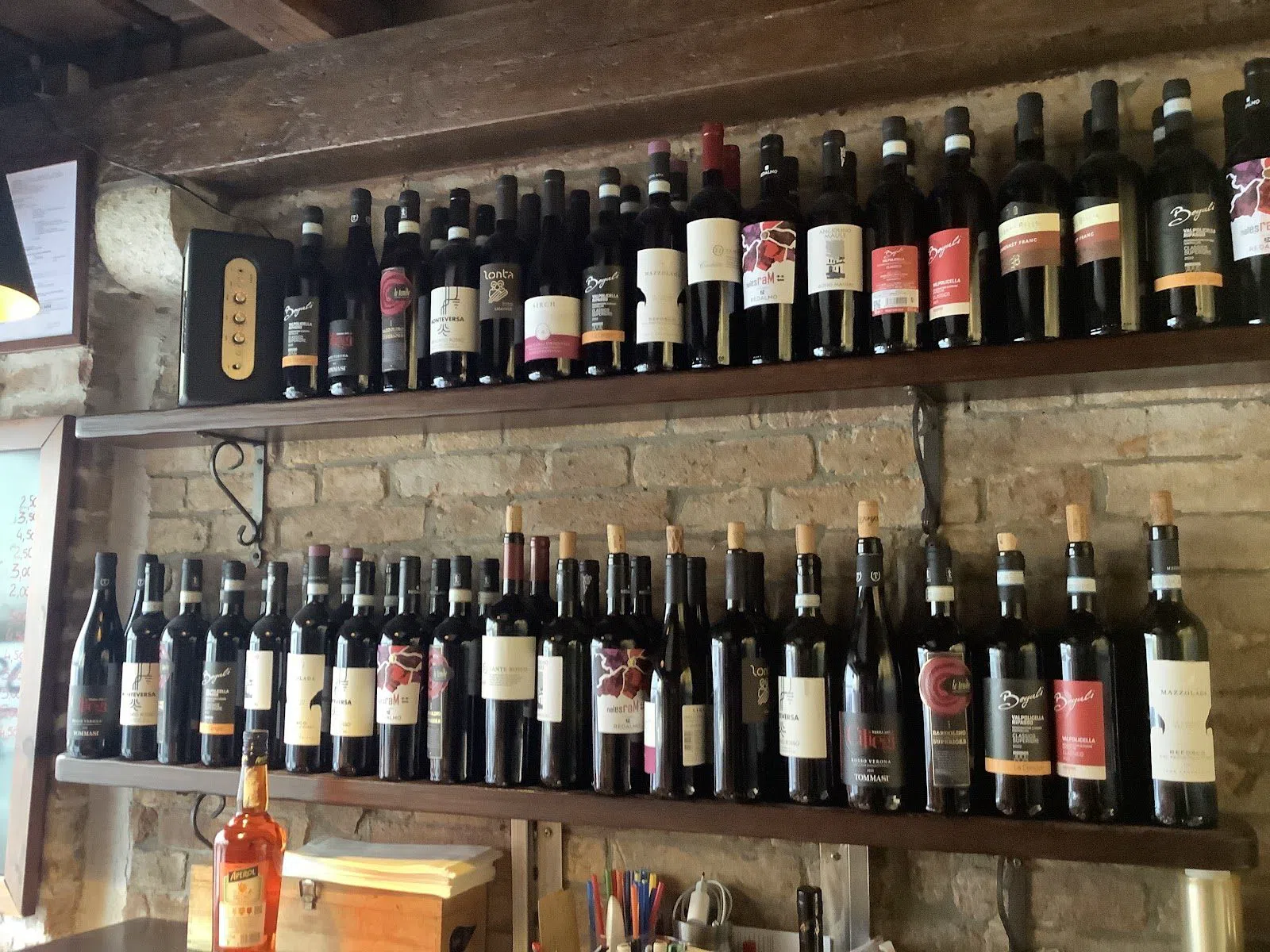
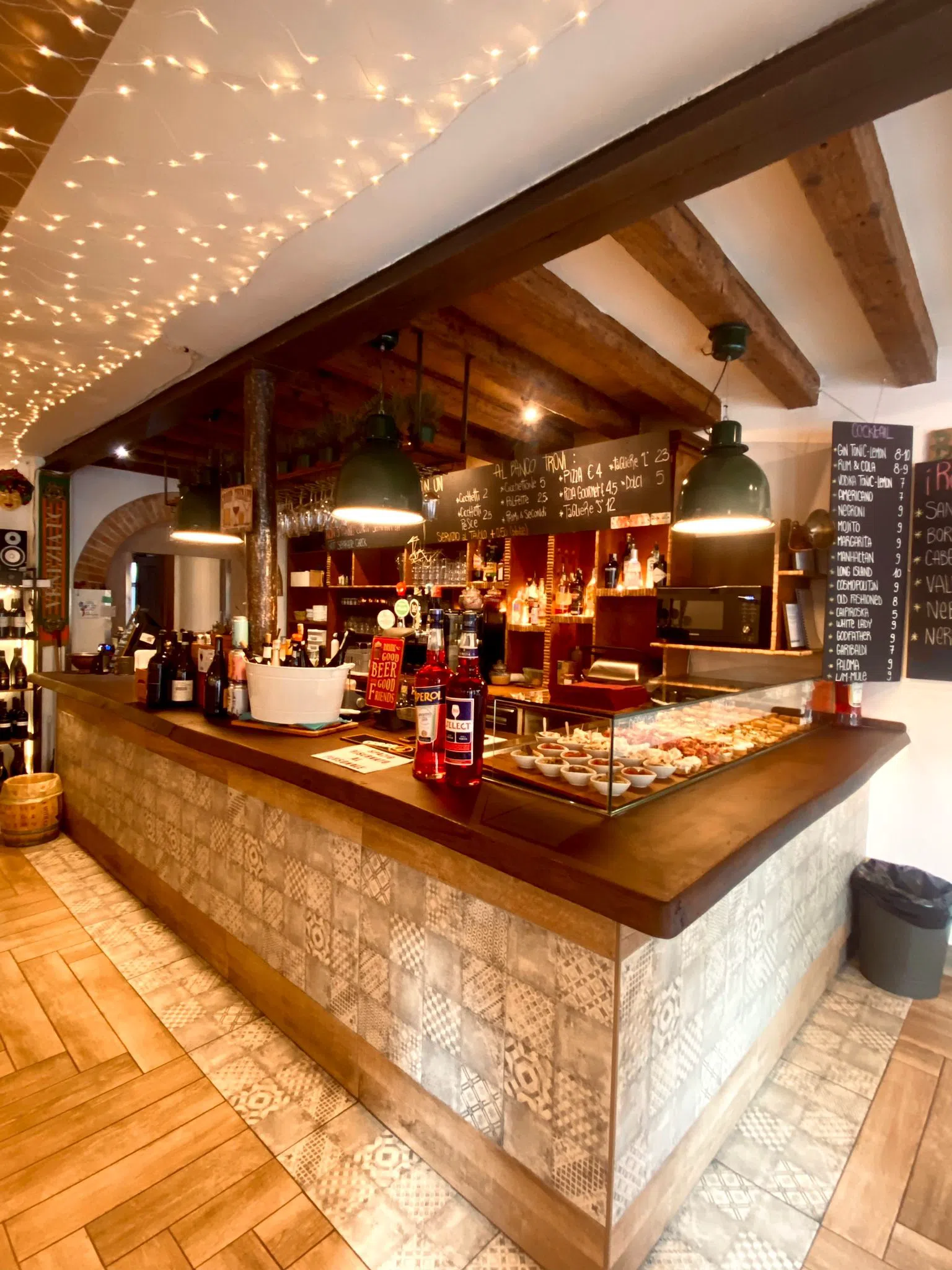
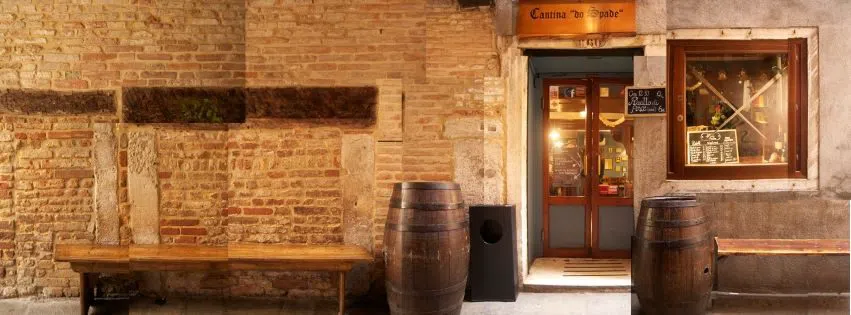
Two San Polo places give you an actual roof and a chair if you need one. Cantina Do Spade (San Polo) is six centuries old and still frying moeche — soft-shell crabs, in season — alongside cicchetti at €1.50–3; it has a proper sit-down back room with plates around €10–16, and it takes reservations. That makes it one of the better bets for a group, though the space is tight, so book for the back room on weekends. And Basegò (San Polo, on the walk toward San Marco) is a newer-generation, eco-conscious bacaro with a cicchetto sospeso pay-it-forward tradition — cicchetti €2–4, glasses €3–5. It's small and standing-led but genuinely welcoming, a warm, less-touristy stop for a small-group aperitivo. Neither is built for a big-table sit-down feast, but both are civilised places to regroup.
Cannaregio and the Misericordia strip
Across the Grand Canal, the Fondamenta della Misericordia in Cannaregio is the city's after-dark bar spine — a run of canal-side spots that fills with a young local-plus-traveller crowd from aperitivo onward. This is where an evening tips from eating into drinking.
Vino Vero (Cannaregio, Fondamenta Misericordia) is Venice's original natural-wine bar and the anchor of the strip. The wine range is the reason to come — glasses run €5–8, well above the old-school bacaro price, and the crostini are €2–4. There are a few small tables and standing room, and it's packed at aperitivo, so arrive early if you want one of the canal-side tables; otherwise you're standing on the fondamenta, which is no hardship on a warm night. Best for pairs and small groups.

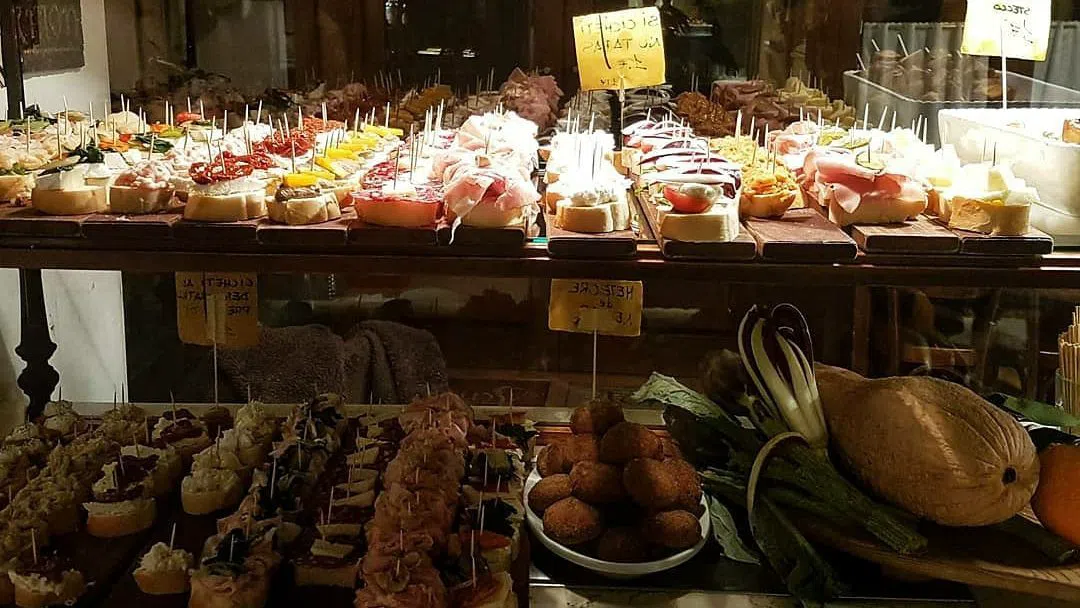
A few doors along, Al Timon (Cannaregio) is the social heart of the Misericordia, famous for its moored boats bobbing on the canal that you can sit in with a spritz. Cicchetti and spritz are €2–4, grilled plates €10–15, and the buzzy student energy genuinely suits a group. I'll be straight, though: you go here for the boat seats and the atmosphere, not for refined cicchetti — the food is fine, the vibe is the product. Expect a wait for the coveted boats, and don't build your whole meal around the kitchen.
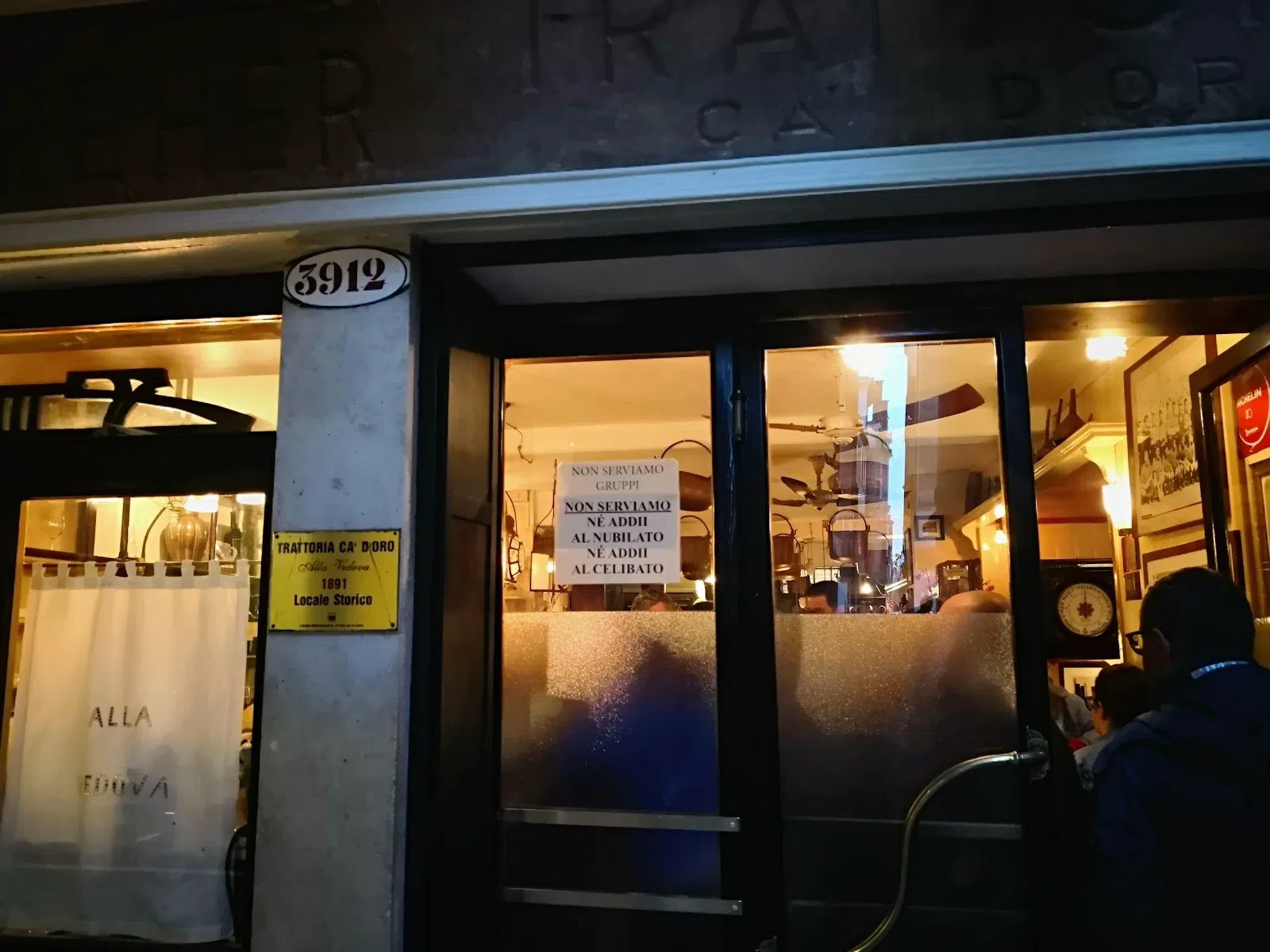
For the one properly seated meal in Cannaregio, Osteria alla Vedova (Cannaregio, near the Cà d'Oro, also called Cà d'Oro alla Vedova) is the group-friendly exception. It's a real sit-down osteria that takes reservations, and it's famous for arguably the best polpette in Venice — meatballs at about €1.50 each — alongside sit-down mains of €12–18. Here's the clever move: you can book the dining room for a proper dinner, or you can skip the room entirely, order a polpetta and a glass at the bar, and eat it standing outside for a couple of euros. Book ahead if you want the table; the polpette-and-a-glass version needs no plan at all.
Dorsoduro and the Accademia
The Dorsoduro side, around the Accademia and the Zattere, is quieter and more residential — the right register for a slower, later crawl.
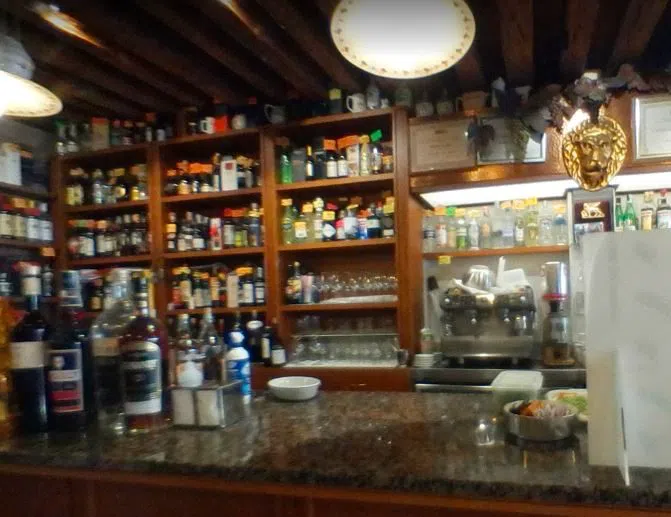
Cantine del Vino già Schiavi (Dorsoduro, by the Ponte San Trovaso near the Accademia) is a family-run classic that has been a favourite for decades, and deservedly. The draw is the crostini — inventive baccalà and tuna versions among dozens of others — at €1.30–2 each, with glasses from around €1.50, some of the fairest prices you'll find. There's no seating; small groups spill onto the canal-side ledge across the water, but there's no table service, so order everything at the bar. Buy a fan of crostini and a couple of glasses, cross to the ledge, and lean.
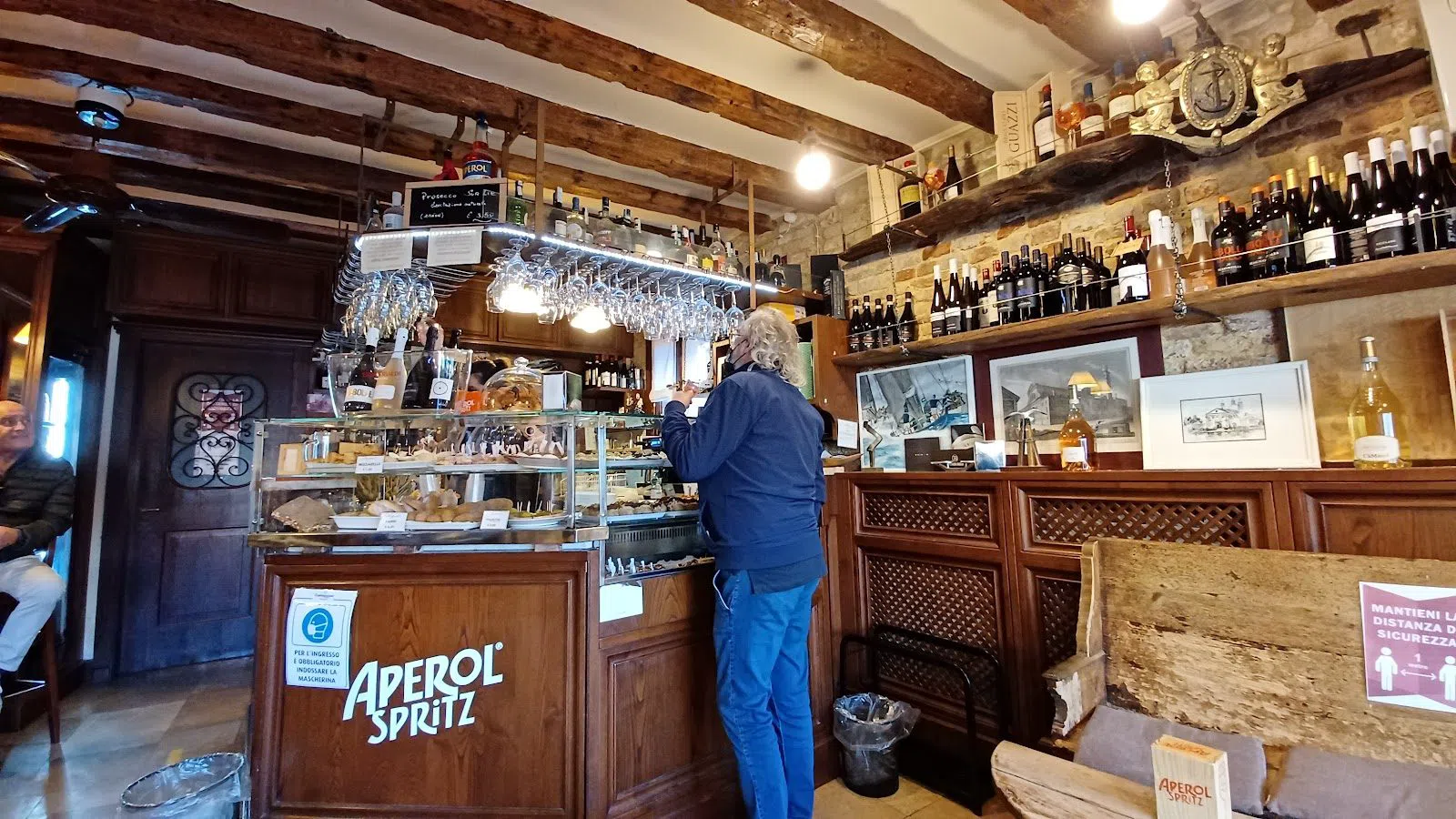
A short walk on, Osteria Al Squero (Dorsoduro, facing the San Trovaso boatyard) has the best view of any bacaro on this list: it looks straight across a narrow canal at a working squero, the gondola workshop where the boats are built and repaired. Cicchetti are €1.50–2.50, glasses €2–4, and there's no seating — you stand on the fondamenta with a plate. Come on a weekday when the boatyard is actually active and the view earns its postcard status; on a dead Sunday it's just a nice canal.
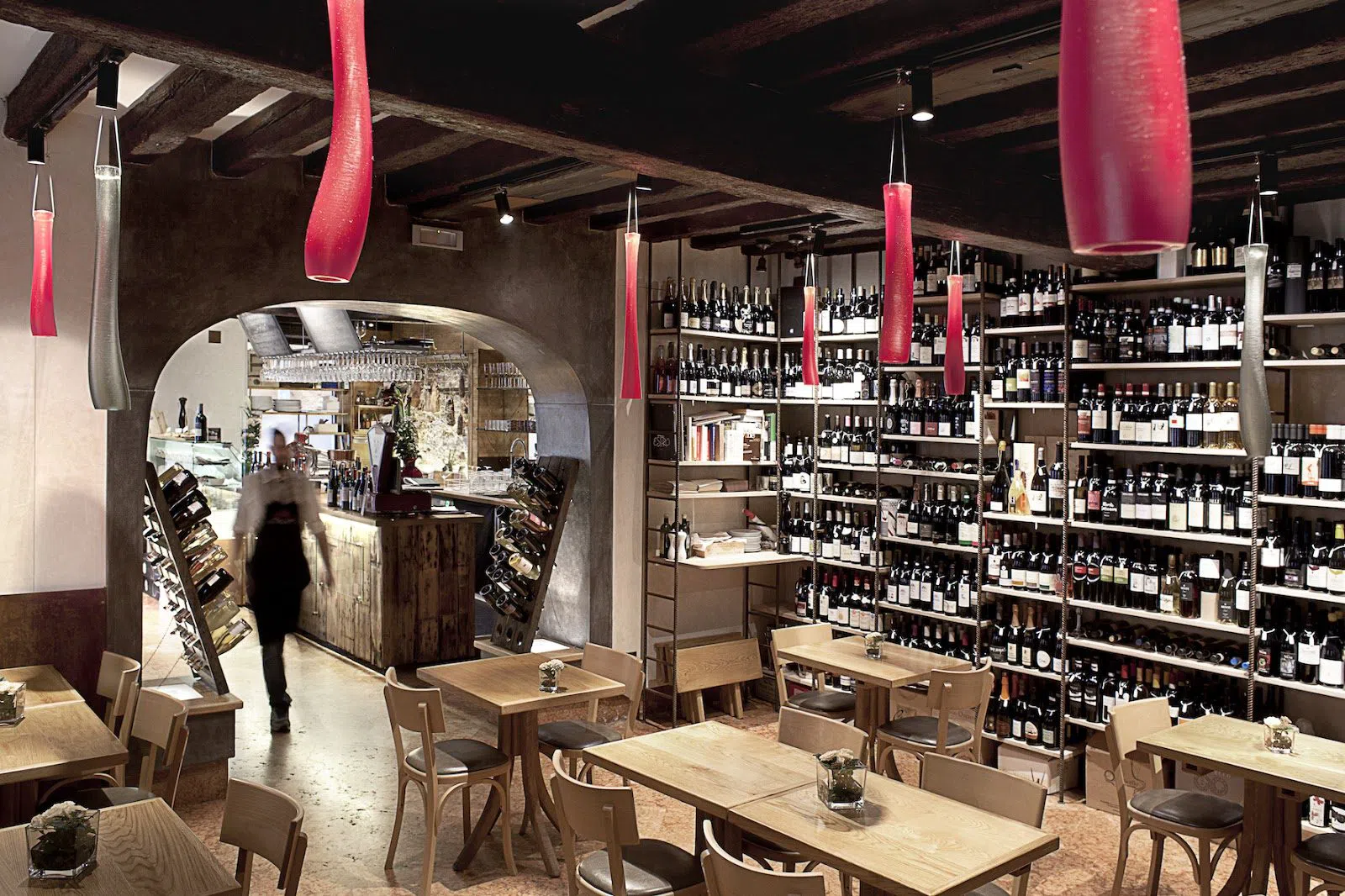
For a Dorsoduro sit-down that bridges bacaro and restaurant, Estro Vino e Cucina (Dorsoduro) is a modern, wine-led take on the form from two brothers — part wine bar, part restaurant, with real tables and its own booking system. Glasses run €5–9 and small plates €6–14, and because it takes reservations it's a strong choice when a group wants to actually sit and settle in. Note it's closed Tuesdays, and book for the dining room.
The cheapest bite in Venice — and your arrival gambit
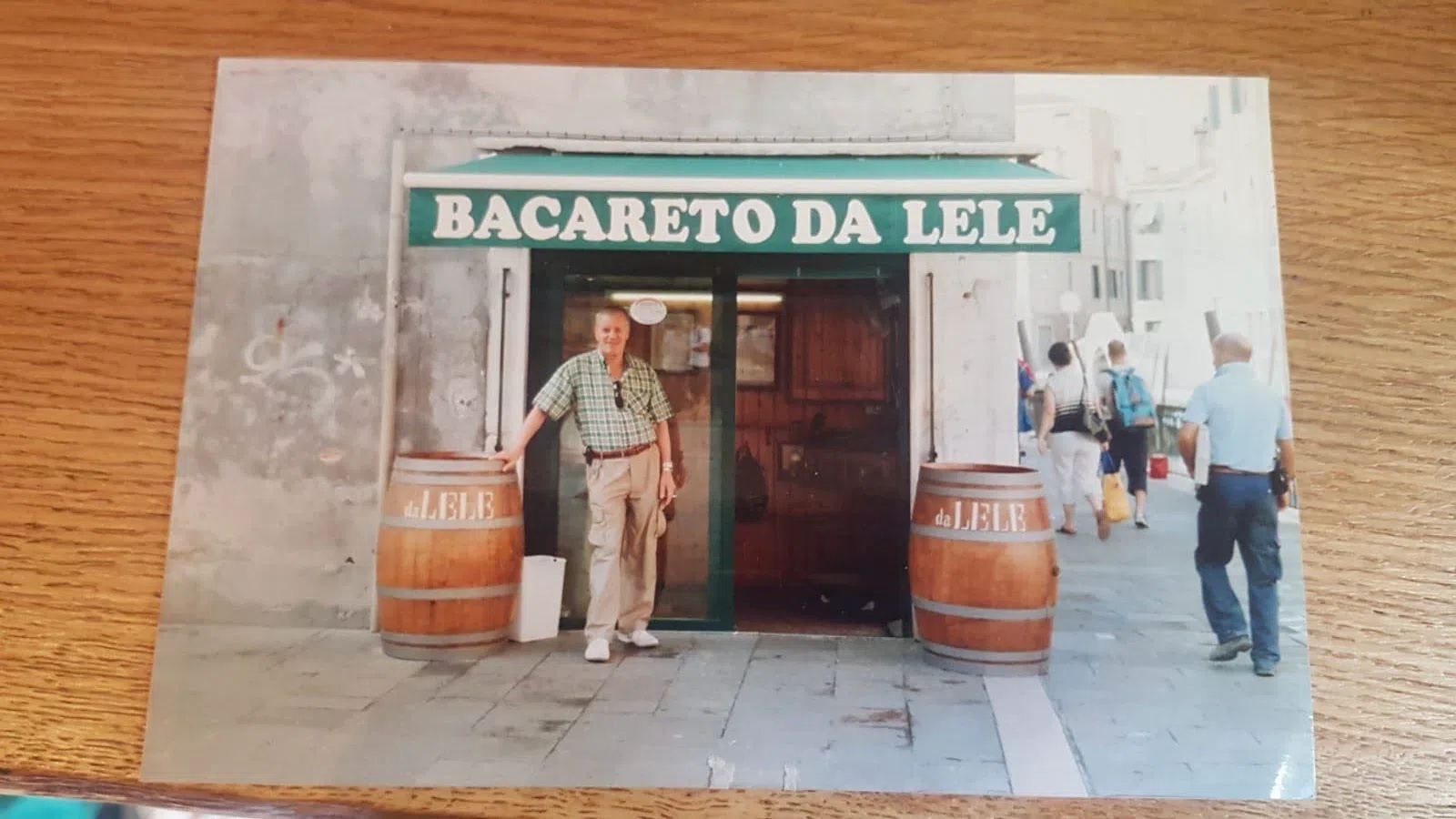
If you come or go by bus or car, you'll pass through Piazzale Roma, and that's your cue for Bacareto Da Lele (Santa Croce, by Piazzale Roma). This hole-in-the-wall is the best cheap eat in the city and something of a rite of passage: tiny filled panini at €1–1.80 and wine at €0.70–1.50 a glass, ordered at a hatch and eaten on the steps outside. It's cash only, standing or steps only, with no seating or service, and it shuts around early evening — plus it's closed Sundays — so plan around it rather than counting on it for dinner. A group can graze here happily on the way in or out; two panini and a glass will cost you less than a coffee at Piazza San Marco.
Couples, groups and the honest door realities
The biggest planning mistake is bringing a group of six to places built for two. If you're a couple, the whole map is open to you — the tiny counters at All'Arco, Cantina Do Mori and Ostaria dai Zemei are at their best with just the two of you wedged at the marble. If you're four or more and want to sit, your real options narrow to the ones that take bookings and have rooms: Osteria alla Vedova, Cantina Do Spade and Estro Vino e Cucina. Everywhere else, a group can work, but it works standing — gathered in a campo at Al Mercà, on the ledge at già Schiavi, on the fondamenta at Al Squero, or spilling along the canal at Vino Vero and Al Timon. Accept that, and a group crawl is a joy; fight it, and you'll spend the night hunting for chairs that don't exist. For more on neighbourhoods, seasons and getting around, the full Venice guide is the companion to this piece.
Practical notes: getting around, cash, timing, budget
Getting around. Every venue here is walkable if you base yourself centrally; the Rialto and Cannaregio clusters are a single vaporetto stop apart on the Grand Canal (line 1 or 2), and Dorsoduro is a short walk over the Accademia bridge. Bacareto Da Lele sits right at Piazzale Roma, the mainland gateway, so make it your first or last stop of the trip rather than a detour.
Cash. Carry it. Bacareto Da Lele is cash-only, and at these prices — a €1.50 cicchetto, a €2 ombra — tapping a card feels absurd and often isn't offered. A pocket of small notes and coins is the correct currency of a giro.
Timing. Start earlier than you think — 5.30 to 6pm — because the best counters mob up fast and several places close early: Al Mercà around 8pm, Da Lele in the early evening, and both those plus Cantina Do Mori shut Sundays; Estro closes Tuesdays. Build the crawl so the early-closers come first and the Cannaregio wine bars, which run latest, come last.
Budget. This is the great value meal of an expensive city. Two people can eat and drink well across three bacari for €40–60 total — a dozen cicchetti at €1.50–4 each and six or seven glasses at €2–8. The natural-wine bars like Vino Vero and the sit-down rooms at Estro or alla Vedova push the number up; the market counters and già Schiavi keep it gloriously low. Eat where the Venetians stand, and Venice stops being a city that overcharges you and becomes one that feeds you cheaply and brilliantly, one small plate at a time.
Before you go
What is a bacaro and what are cicchetti?
A bacaro is a traditional Venetian wine bar built around cicchetti — small bites like crostini, polpette and fried seafood, usually eaten standing at the counter. Cicchetti typically cost €1.50–4 each, and a small glass of house wine (an ombra) runs about €2–4. A giro de ombre is the crawl from bar to bar.
Do Venice bacari take reservations?
Most don't — you order and eat standing, with no table service. The exceptions that do take bookings and have proper rooms are Osteria alla Vedova, Cantina Do Spade and Estro Vino e Cucina, which are your best bets if you want to sit down.
Which bacari work for a group rather than a couple?
For a seated group, book Osteria alla Vedova, Cantina Do Spade or Estro. Tiny standing counters like All'Arco, Cantina Do Mori and Ostaria dai Zemei suit two to four people best. Others — Al Mercà, già Schiavi, Al Squero, Vino Vero, Al Timon — take groups if you're happy standing outside.
How much does a bacaro crawl in Venice cost?
It's excellent value. Two people can eat and drink across three bacari for roughly €40–60 total — a dozen cicchetti at €1.50–4 each plus six or seven glasses. Market counters and Cantine del Vino già Schiavi are cheapest; natural-wine bars and sit-down rooms cost more.
When should I start a bacaro crawl and do I need cash?
Start around 5.30–6pm; the best counters fill fast and several close early — Al Mercà around 8pm, Bacareto Da Lele in the early evening, with Da Lele, Al Mercà and Cantina Do Mori shut Sundays and Estro closed Tuesdays. Carry cash: Da Lele is cash-only and prices are too small to bother with cards.