Reaching the plague islands on an ordinary vaporetto ticket
Venice's vaporetti don't only run to Murano and Burano. Follow the right line further out and the lagoon opens onto a plague quarantine station, a working cemetery, a monastery a resident friar still keeps by hand, and a vineyard growing wine behind six-hundred-year-old walls. None of it needs a private guide or a chartered boat. Most of it is one ordinary ACTV ticket and a short walk away, if you know which stop to get off at.
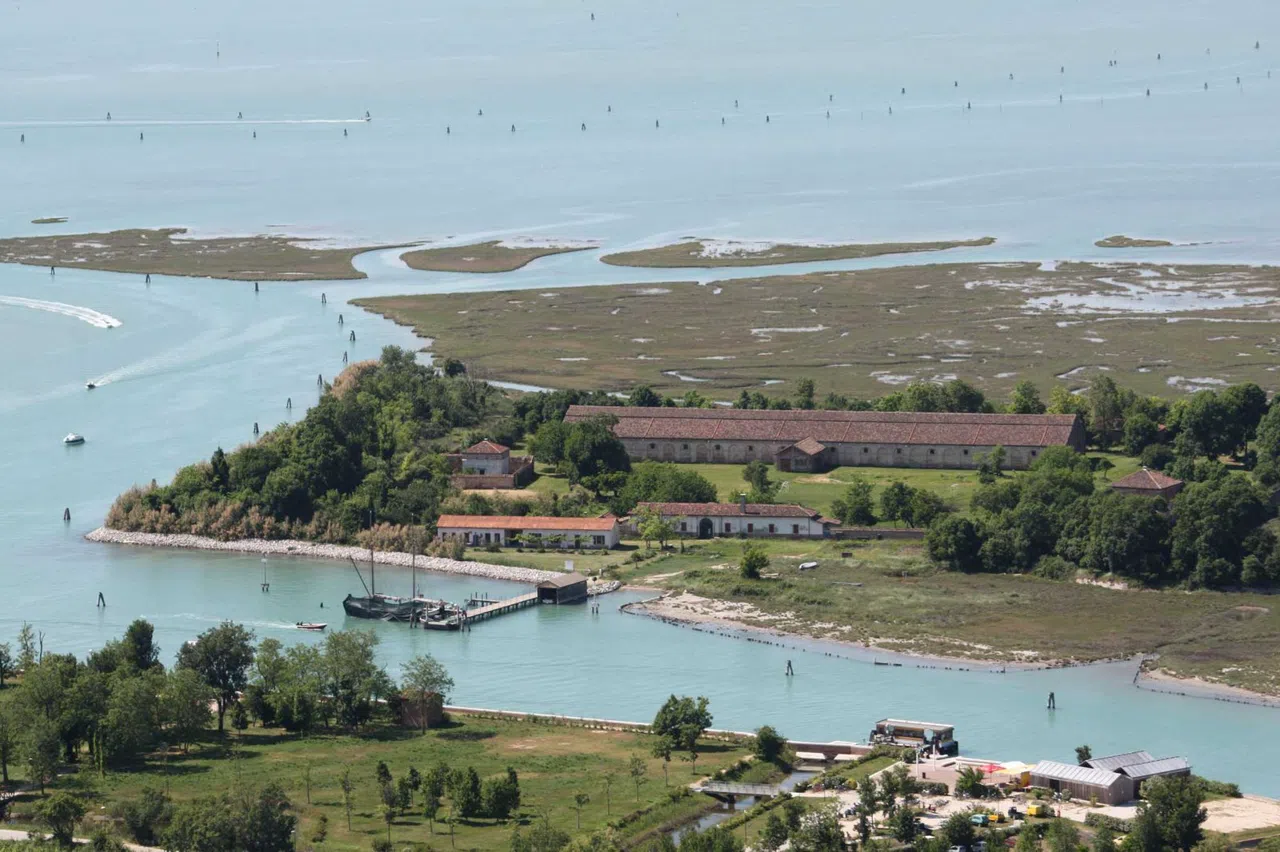
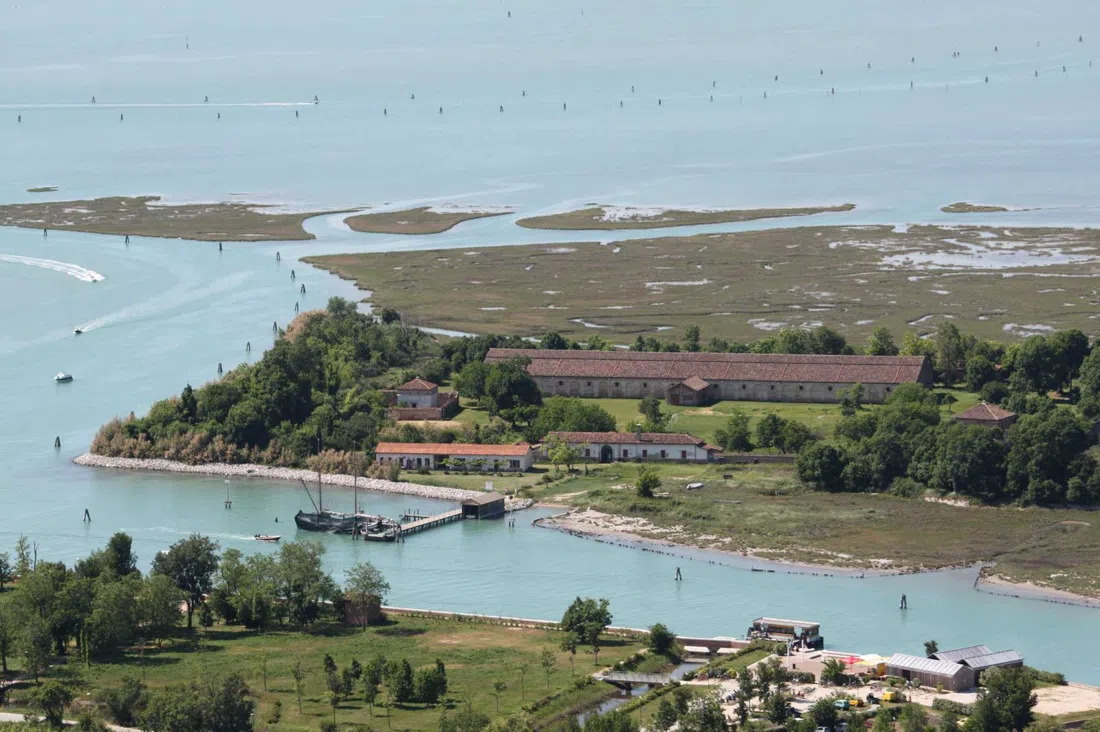
Lazzaretto Nuovo (northern lagoon, one stop past Sant'Erasmo on Line 13 from Fondamente Nove, about 40 minutes) is the genuine article behind most of the lagoon's abandoned-island folklore: a sixteenth-century quarantine station where ships and their cargo sat out plague scares before being let into the city. The excavated barracks and disinfection sheds are open to individuals only on standard Saturday English-language tours (€10pp, €5 under 14); any other day it's an exclusive group booking from €150, which suits a party of six to twelve better than a solo visitor. Book through the concession running the site at least a week out in shoulder season, further ahead in summer.
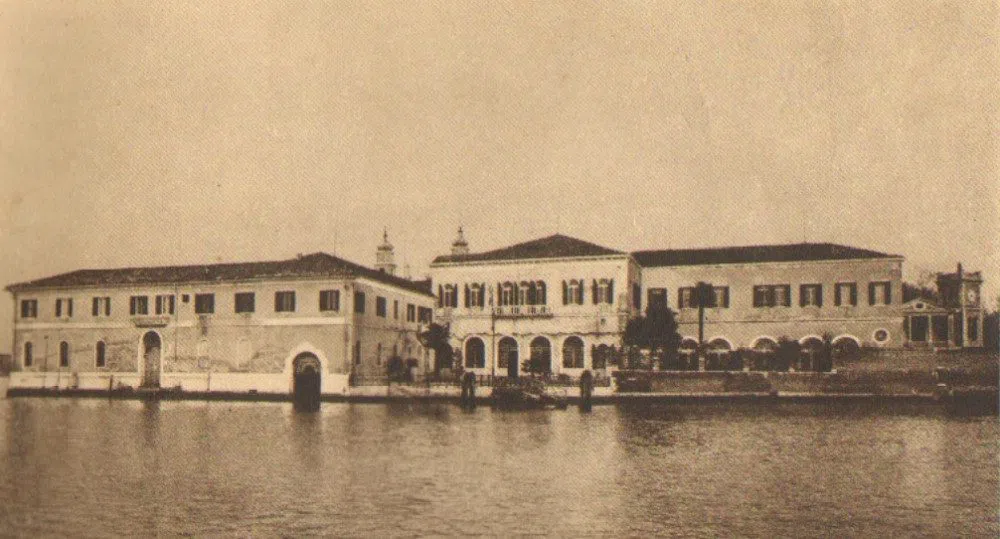
Ten minutes south on Line 20 from San Zaccaria sits San Servolo (facing the Riva degli Schiavoni), a former asylum that operated until 1978 and now houses a museum campus and Venice International University. It's freely open year-round, handles groups without friction, and the museum tour (€7, €5 reduced, free for residents on the first Friday of the month) walks through the old pharmacy and restraint rooms with none of the theatrical framing the nickname suggests. It's a plain, well-run museum that happens to sit somewhere unsettling.
The island Venice won't let anyone land on
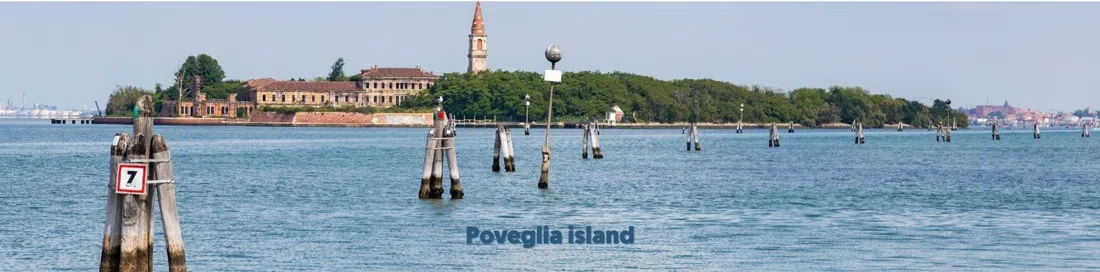
Poveglia (southern lagoon, between the Lido and Malamocco) is legally closed to landing: no ferry ticket, private boat, or guide will get you onto the island itself, whatever a listing implies. What's actually bookable in 2026 is a private boat circuit that threads past Poveglia and several other uninhabited islets without stopping: several licensed operators run this as a 2-3 hour charter, typically for 2-8 people, priced at €150-€400 per boat rather than per person, reasonable for a couple and genuinely good value split across a small group. It's the honest way to see the island's overgrown hospital buildings from the water. Ask your operator directly whether landing is offered before booking, and treat a yes as a reason to book elsewhere.
Where a quarantine island became five star
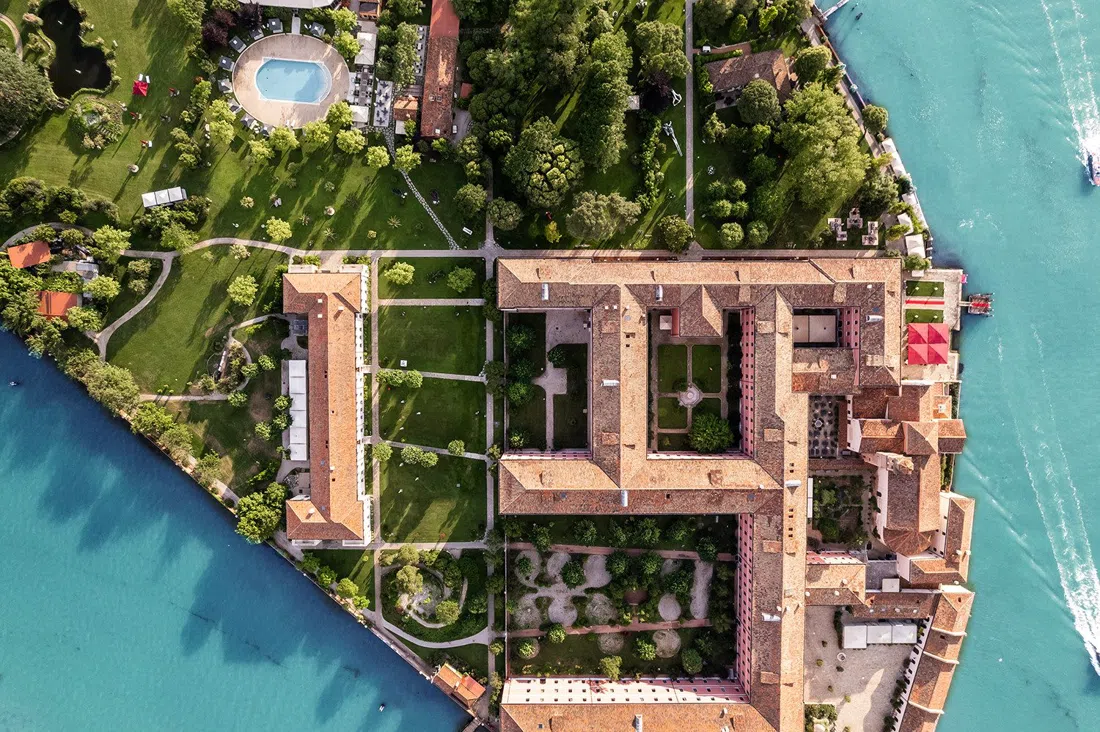
San Clemente Palace Venice (its own island between Venice and the Lido), rebranding to Mandarin Oriental, Venice partway through 2026, is the twist in this story rather than an exception to it: it was a quarantine island long before it was a resort, and abandoned for decades before that. Non-residents can't walk on, but the hotel runs a private launch for guests booking the restaurant, spa, or lunch. Figure on 5-star resort pricing ($$$$) and a reservation made well ahead, since the launch schedule is built around dining bookings, not drop-ins. It suits an afternoon for travellers curious how the lagoon's darkest history gets repackaged, not for anyone counting euros.
Two islands of prayer away from the crowds
San Francesco del Deserto (a private islet off Burano) has no public transport at all (the most genuinely cut-off stop on this route), reachable only by a private boat arranged directly with a boatman on Burano's quay, about five minutes each way. There's no fixed fare, so agree the round-trip price before you set off. A resident friar leads free guided visits (donations welcome) for small groups with no reservation needed within visiting hours, generally mornings and mid-afternoons; call ahead if arriving outside a normal tour window. It's the quiet alternative to Burano itself: same water, same light, a fraction of the footfall.
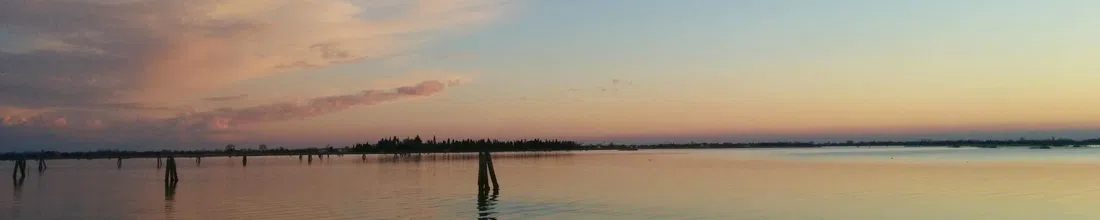
Line 20 also serves San Lazzaro degli Armeni (southern lagoon, facing the Lido), an Armenian monastery and museum where Byron rowed out to study the language in 1816-17 and where a small community of scholar-monks still lives. One guided tour departs daily, offered in multiple languages and built to take groups; €6 plus vaporetto fare. Email or phone the monastery ahead to confirm the day's departure time and language: it's a single daily slot, not a rolling schedule, and turning up without checking is the most common way to miss it.
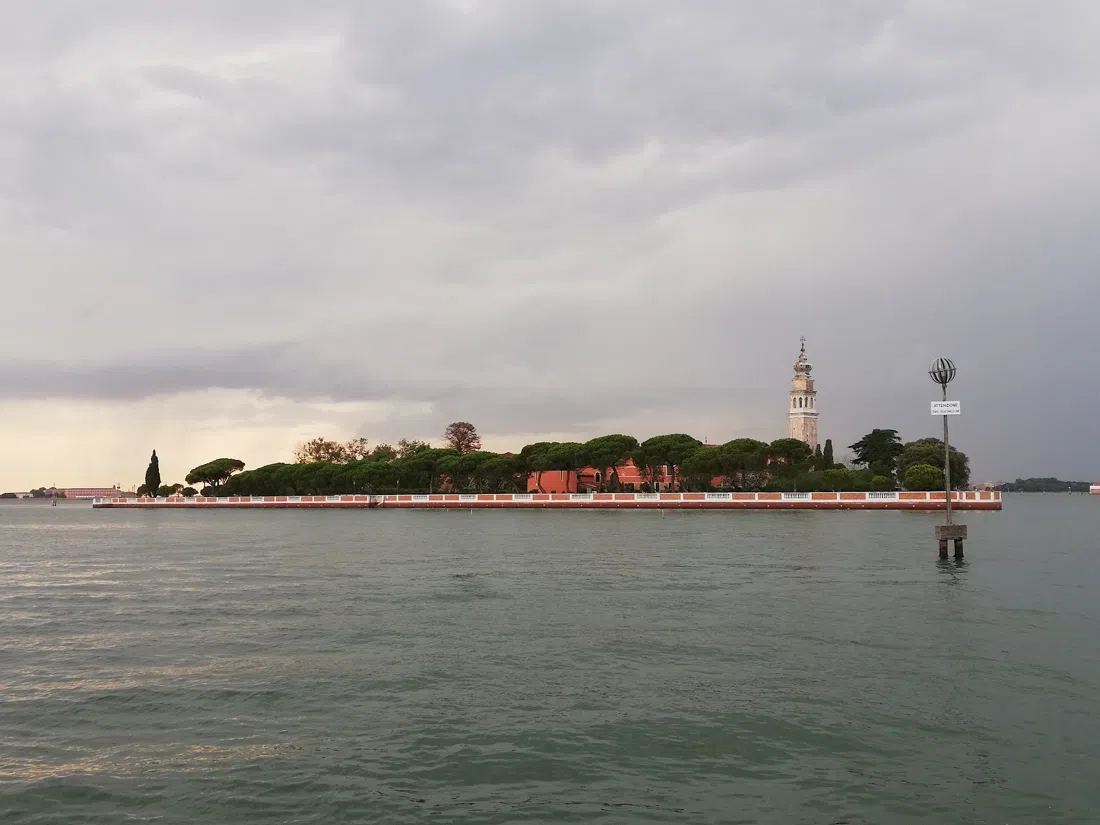
San Michele is the city's graveyard, not a ruin
San Michele (immediately north of Cannaregio, reached from Fondamente Nove on Lines 4.1, 4.2, 5.1 or 5.2 in under ten minutes) is the island most likely to turn up on an abandoned-Venice list despite being anything but: it's the city's working cemetery, still receiving burials, and one of the few stops here that's entirely free beyond the vaporetto fare. Any group size is fine, but this isn't a photo backdrop. Go quietly, keep voices down among the cypress-lined graves, and treat mourners with the same respect you'd expect at home. Stravinsky, Diaghilev and Ezra Pound are buried here, which draws a steady trickle of visitors without ever making it crowded.
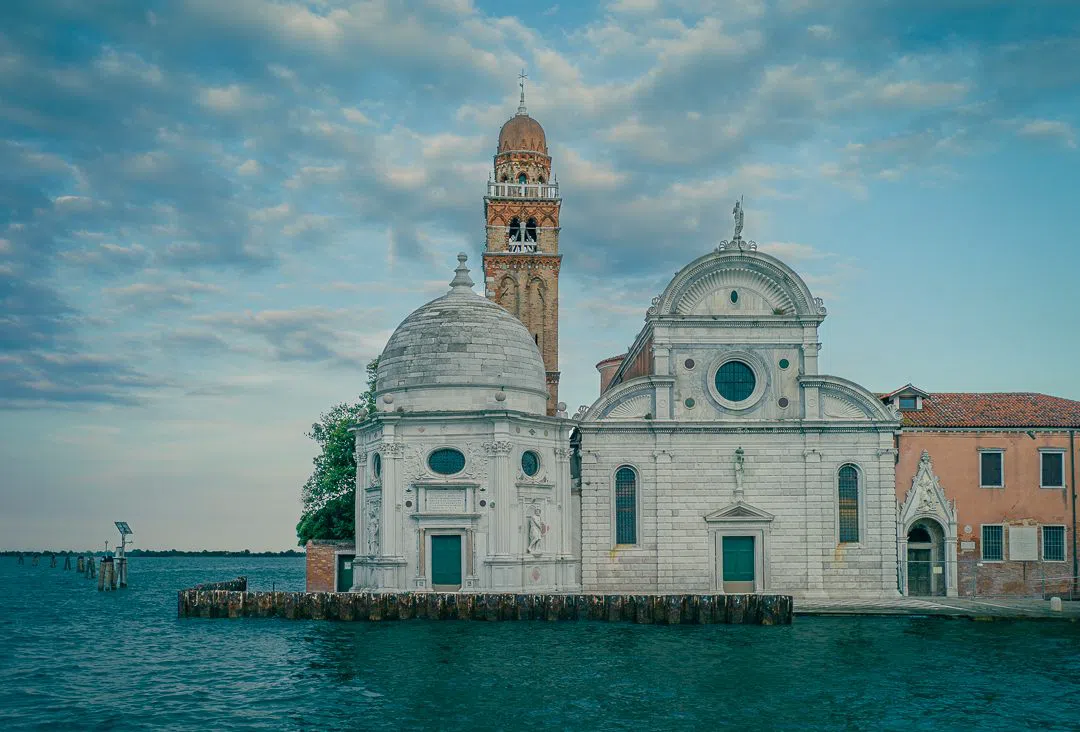
Torcello was once bigger than Venice itself
Torcello (northern lagoon, a 5-minute hop from Burano or about 45 minutes direct from Fondamente Nove on Line 12) is the island that earns this piece's framing better than any other: a settlement that outgrew Venice itself in the early Middle Ages and now holds around a dozen year-round residents. The cathedral of Santa Maria Assunta and the adjoining museum handle groups easily on standard rates (a combined ticket runs roughly €12-20, or €3 for the museum alone), and the walk from the vaporetto stop to the cathedral, past the empty fields where a city once stood, takes about fifteen unhurried minutes. Go in the late afternoon, after the Burano day-trip boats have thinned out, and the campanile views over the lagoon are close to solitary.
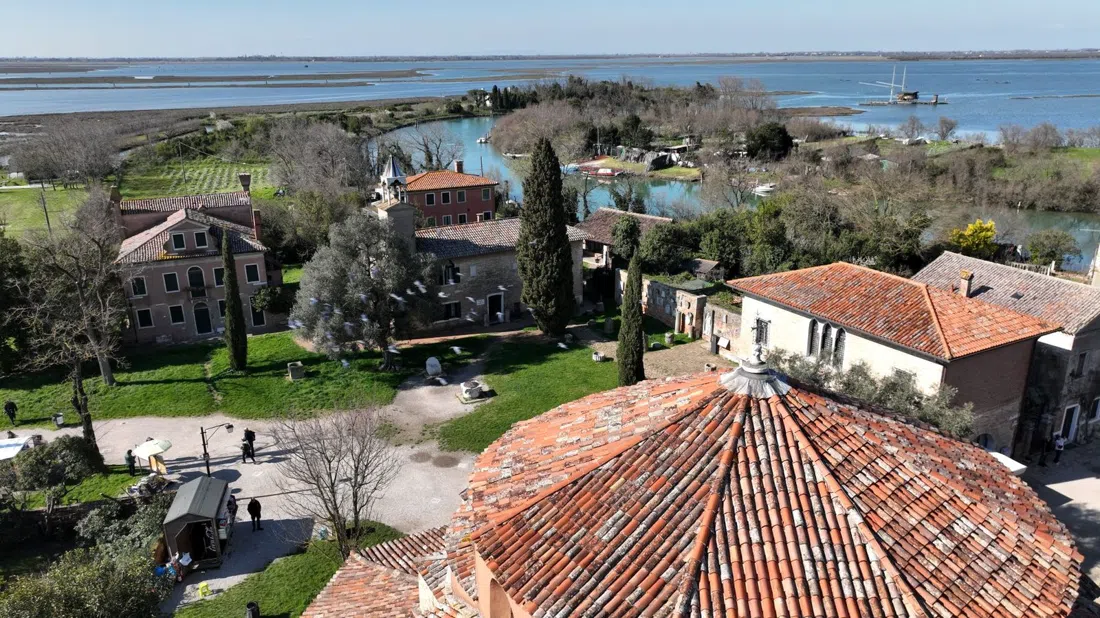
La Certosa went from abandoned to reborn
La Certosa (also called Isola della Certosa, tucked between Venice and Sant'Erasmo) is the clearest example in the lagoon of a genuinely abandoned island being brought back rather than simply preserved as a museum piece: a former monastery and, later, a military depot left derelict for most of the twentieth century, now home to a sailing school, event space, and a restaurant/bar that both operate year-round. It's free to walk and fully group-friendly, though boat and vaporetto access is seasonal and worth checking directly with the island's sailing school before setting out, since the connecting service isn't part of the standard ACTV network map. Come for an hour's walk through the reclaimed woodland, or plan around a meal at the restaurant if the timing lines up.
The quiet farming islands almost nobody stops at
Le Vignole (northern lagoon, one Line 13 stop before Sant'Erasmo, about 35 minutes from Fondamente Nove) is the least-visited inhabited island in the lagoon and it shows: the open north-western strip suits a small walking group comfortably, but most of the rest is private farmland or military land, so stay on the marked paths. It's free beyond the vaporetto fare and there's little in the way of facilities, which is precisely the point: a half-hour here after Lazzaretto Nuovo is a genuine change of pace, with nobody else on the path.
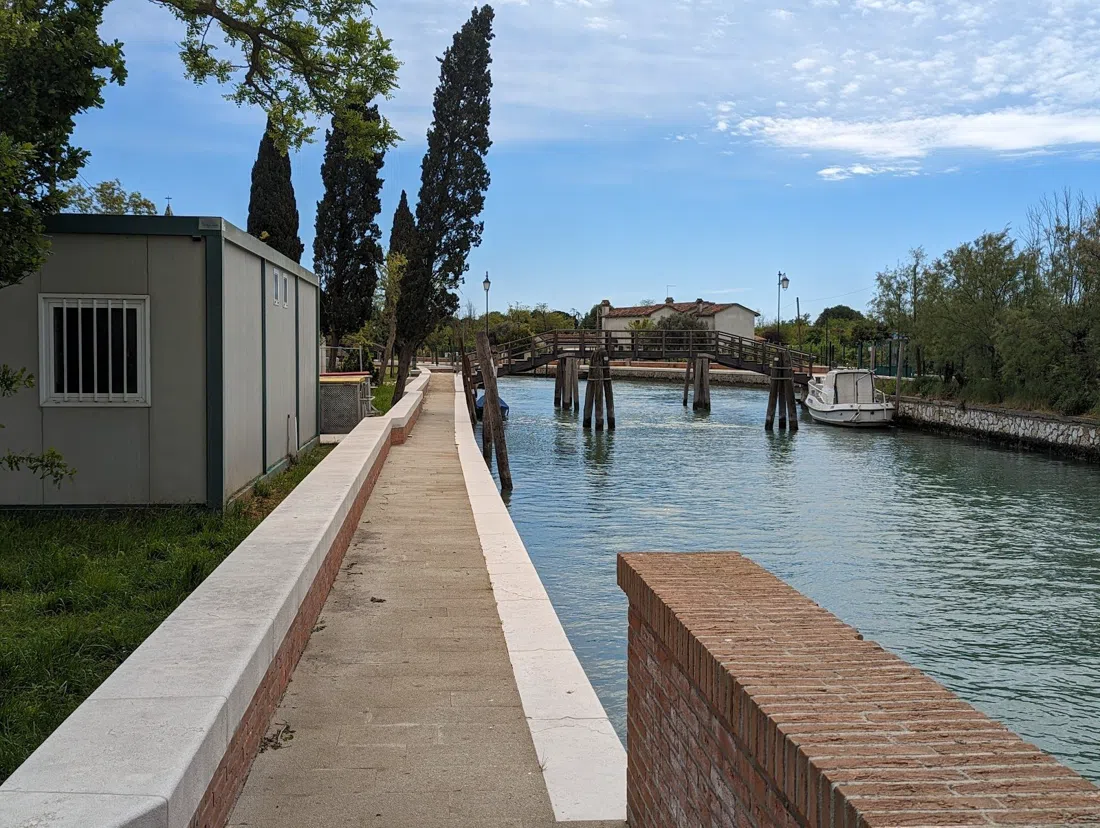
Sant'Erasmo (the lagoon's largest island after Venice itself, also on Line 13) is easily large enough for a full walking or cycling circuit and takes groups without difficulty; several of its farms run bookable tastings of the purple artichokes the island is known for, priced separately from the free entry. Renting a bike at the vaporetto stop and riding the flat perimeter road takes about two hours at an easy pace, with long stretches where the only sound is the wind through the artichoke fields, a contrast to Murano's crowded fondamenta, twenty minutes away by boat.
A Michelin finish on a walled vineyard
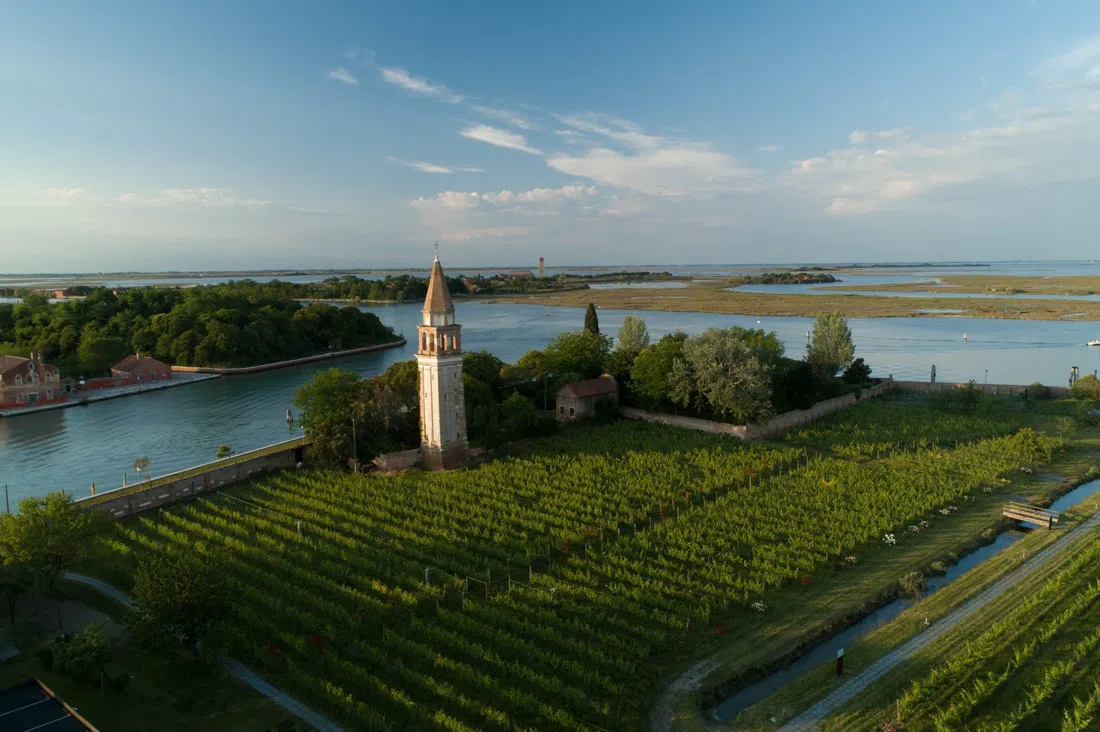
Venissa (on Mazzorbo, connected to Burano by a footbridge) closes this route on its highest note: a walled vineyard estate genuinely rescued from abandonment, now growing the rare Dorona grape behind medieval walls it shares with an orchard and a small hotel. The casual Osteria takes groups without fuss, mains running roughly €25-40, while the Michelin tasting room is small and needs advance booking (a table secured weeks out, not days, in peak season) at roughly €150-190pp for the tasting menu. The whole operation runs May through October only; outside that window the walls are still worth walking past on the way back from Torcello, but the kitchen will be closed.
Planning the trip
Base yourself in Venice proper for this route: a Venice hotel search turns up options near Fondamente Nove, the departure point for most of these lines, saving a transfer before you've even started. For the wider context on where to eat and stay beyond this itinerary, the Venice guide covers the rest of the city.
Buy a multi-day ACTV pass rather than singles if you're doing more than three of these stops in a day: a single ticket runs close to €9.50, and a 24-hour or 72-hour pass pays for itself fast once Lazzaretto Nuovo, San Michele and Torcello are all on the same day's route. Carry cash for the smaller operators: the friar-led tour on San Francesco del Deserto takes donations, and some private boat operators for the Poveglia circuit prefer cash on the dock over card readers that don't always hold signal mid-lagoon.
Time the trip around the vaporetto schedules, not the other way round: Line 13 and Line 20 run roughly every 30-50 minutes off-season, so missing a connection can cost an hour, not five minutes. A realistic single day covers two or three stops comfortably; stacking all twelve into one itinerary turns a quiet lagoon crossing into a transport exercise. Spring and early autumn give the calmest water and the shortest queues for the guided tours; summer afternoons on the open lagoon stretches (Sant'Erasmo, Le Vignole, the Poveglia circuit) can be exposed with little shade, so carry water and start early.
Budget for a full day of this somewhere between €40 and €120 per person depending on how many guided tours and private boats you add: San Michele and Le Vignole cost nothing beyond the vaporetto fare, while a private Poveglia circuit or the Venissa tasting menu will do most of the lifting on that upper number.