The Venice issue
Skip-the-Line Tours of Venice's Top Landmarks
An ordered, honest 2026 route through Venice's landmark tours — with the price, the walk between each stop, and the quieter door wherever one exists.

By Kim SolheimTimed walking routes and the quieter half of the city
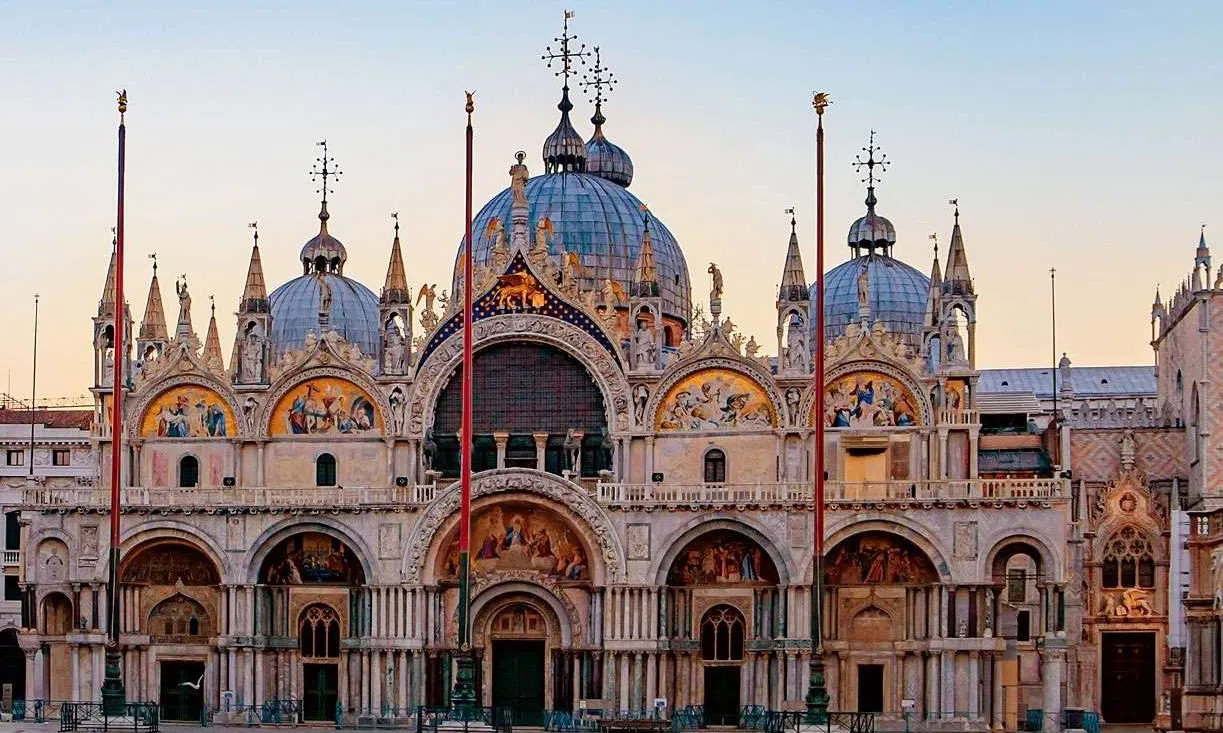
Venice rewards the visitor who books before they arrive. The queues that snake across Piazza San Marco in July are not a rite of passage; they are the price of turning up without a ticket, and a timed slot reserved weeks ahead turns a two-hour wait into a short walk to a side door. What follows is an ordered route through the landmarks worth reserving in 2026 — with the price, the walk between each stop, the door policy where it matters, and the quieter alternative wherever one exists.
Around Piazza San Marco: the four bookings that matter
Everything in this first cluster sits within a few minutes' walk, so it pays to group these visits into a single morning and arrive already ticketed rather than doubling back across the square.
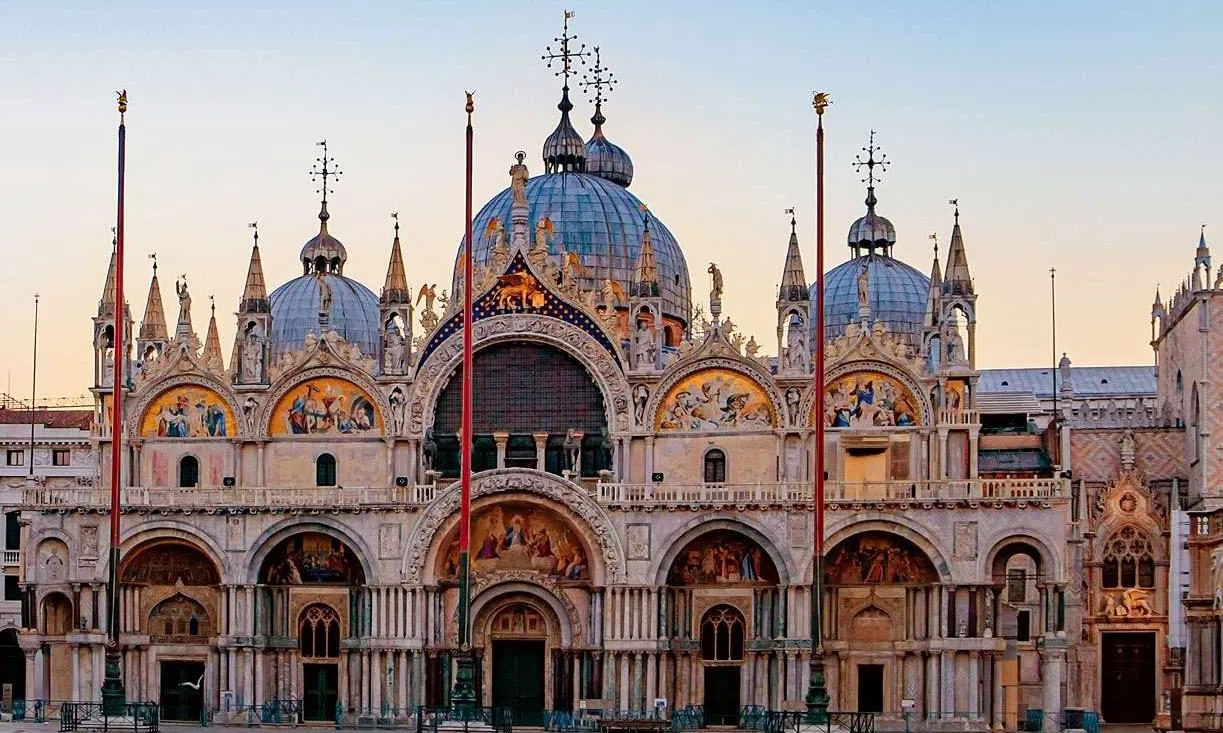
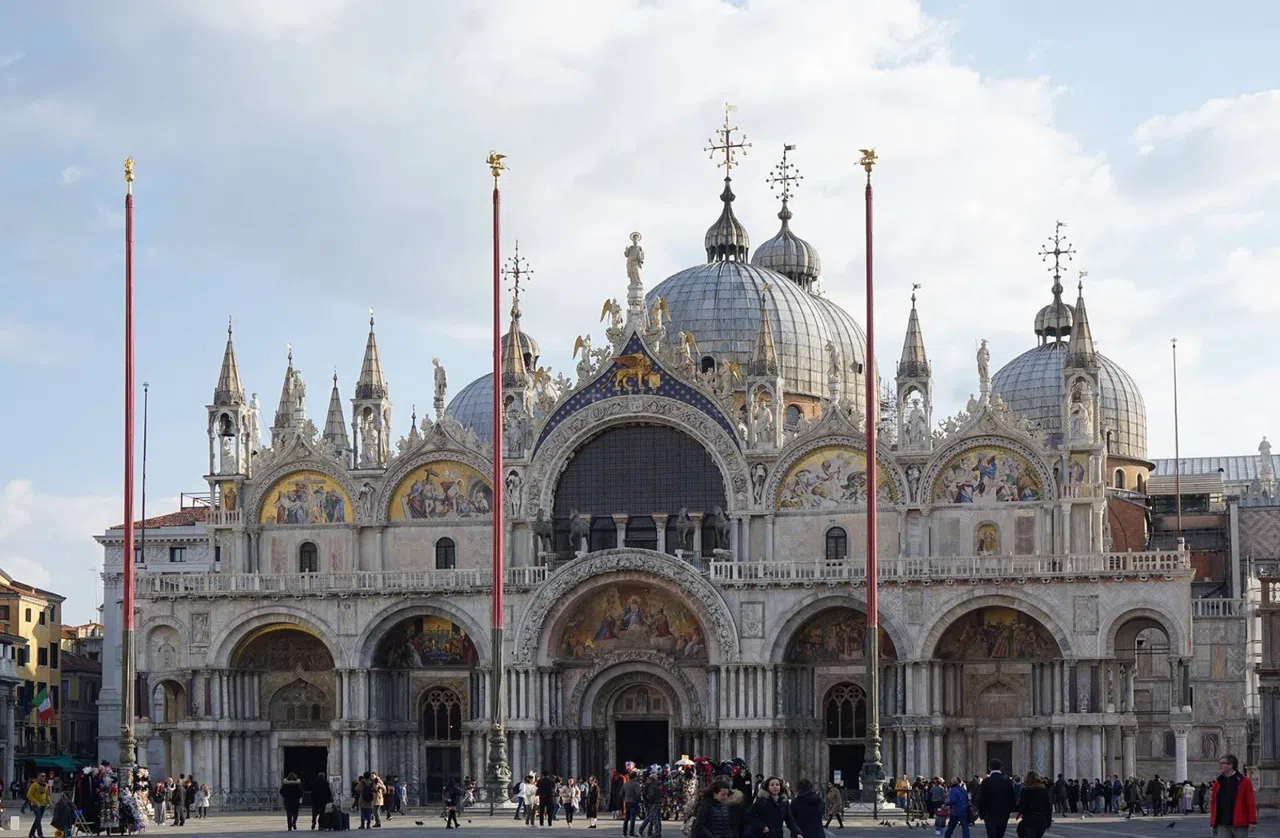
Begin with St Mark's Basilica (Piazza San Marco), the Byzantine church at the head of the square. Basilica entry runs about €10, and a guided skip-the-line tour — a small group of roughly 12 to 20 people, with reserved group entrance and audio headsets — costs around €35 to €50, so budget anywhere from £10 to £45 depending on how much guiding you want. The timed skip-the-line ticket is the part that earns its keep: the standing queue across the piazza is long through the summer, and a slot lets you walk to the reserved entrance while others wait. Dress is enforced (shoulders and knees covered), and photography inside is restricted, so keep phones pocketed. It suits couples and groups equally.
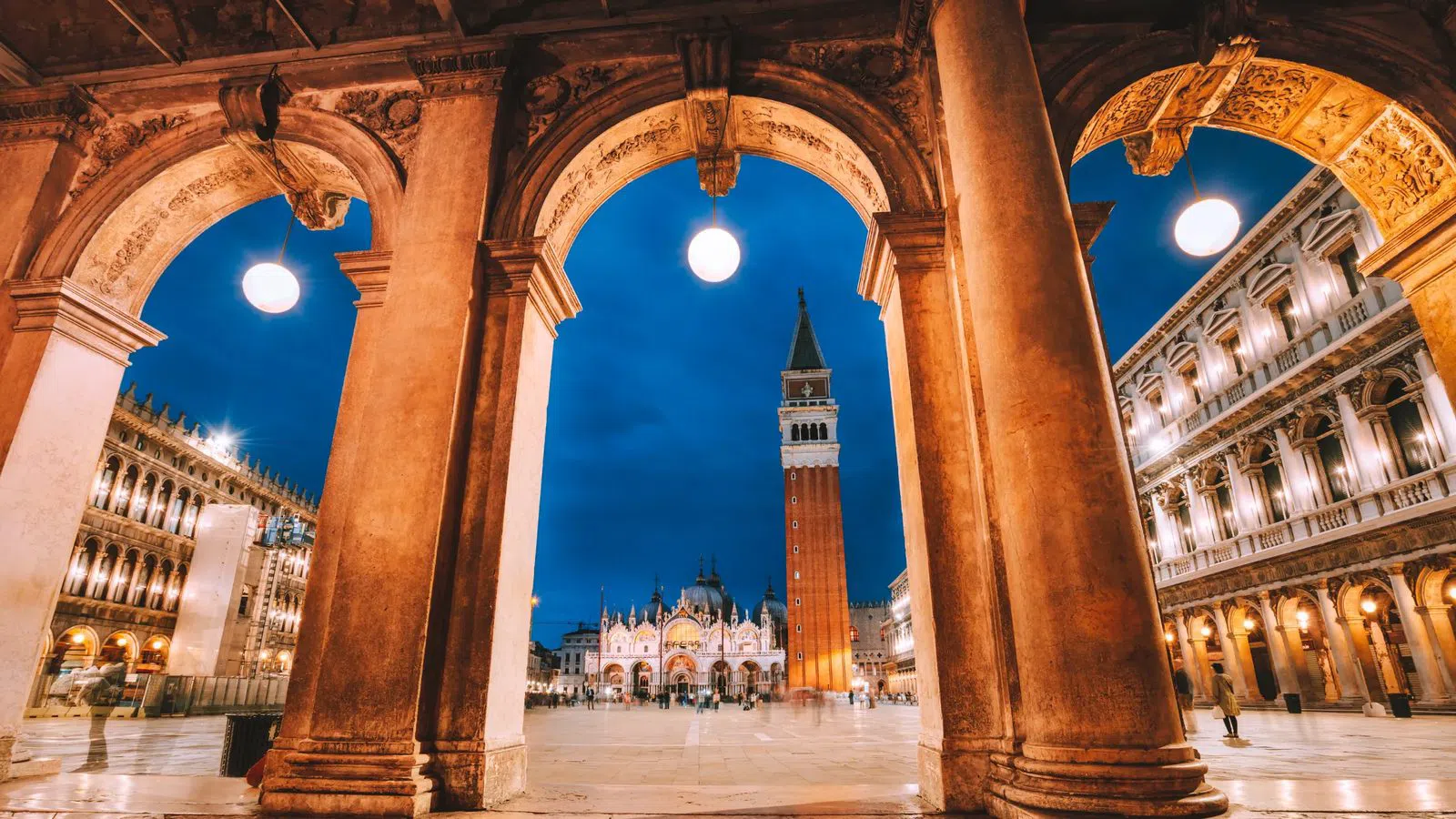
A minute across the same square stands St Mark's Campanile (Piazza San Marco), the brick bell tower. Access is by lift rather than a stair climb, which makes it the one high viewpoint here that works for a mixed-ability group. A timed skip-the-line ticket is about €12 (£10 to £15). Buy the slot to avoid the piazza-long queue that forms by mid-morning; the aerial view runs over the red rooftops to the lagoon beyond.
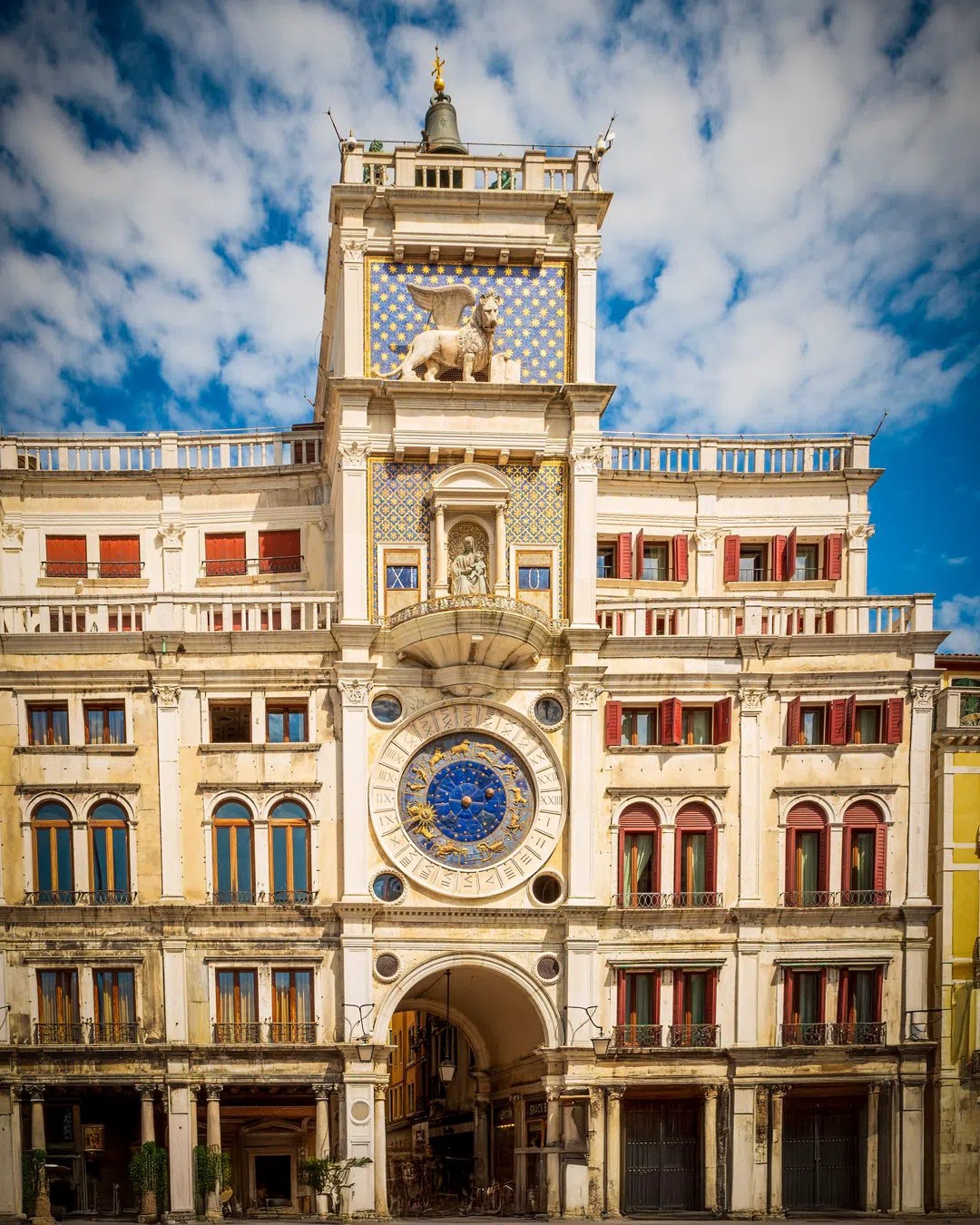
Also on the square, and easy to walk past, is St Mark's Clock Tower (Piazza San Marco), the Torre dell'Orologio. This one is guided-only and booked in advance, with tickets collected at the Museo Correr about three minutes' walk across the piazza. The tour costs around €14 (£13 to £18). Be honest with yourself about the climb before you book: it is a steep 132-step spiral staircase inside the working Renaissance mechanism, with no under-sixes and no wheelchair access, ending out beside the bronze Moors that strike the hour. It suits able adults and older children rather than a mixed group, and slots are tiny, so reserve early.
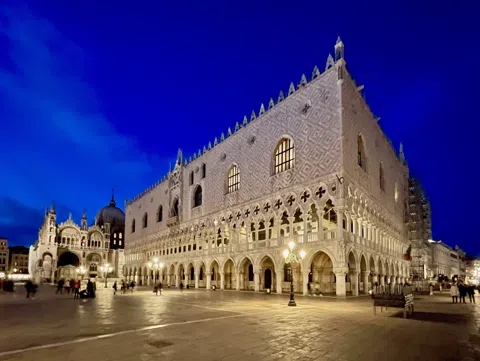
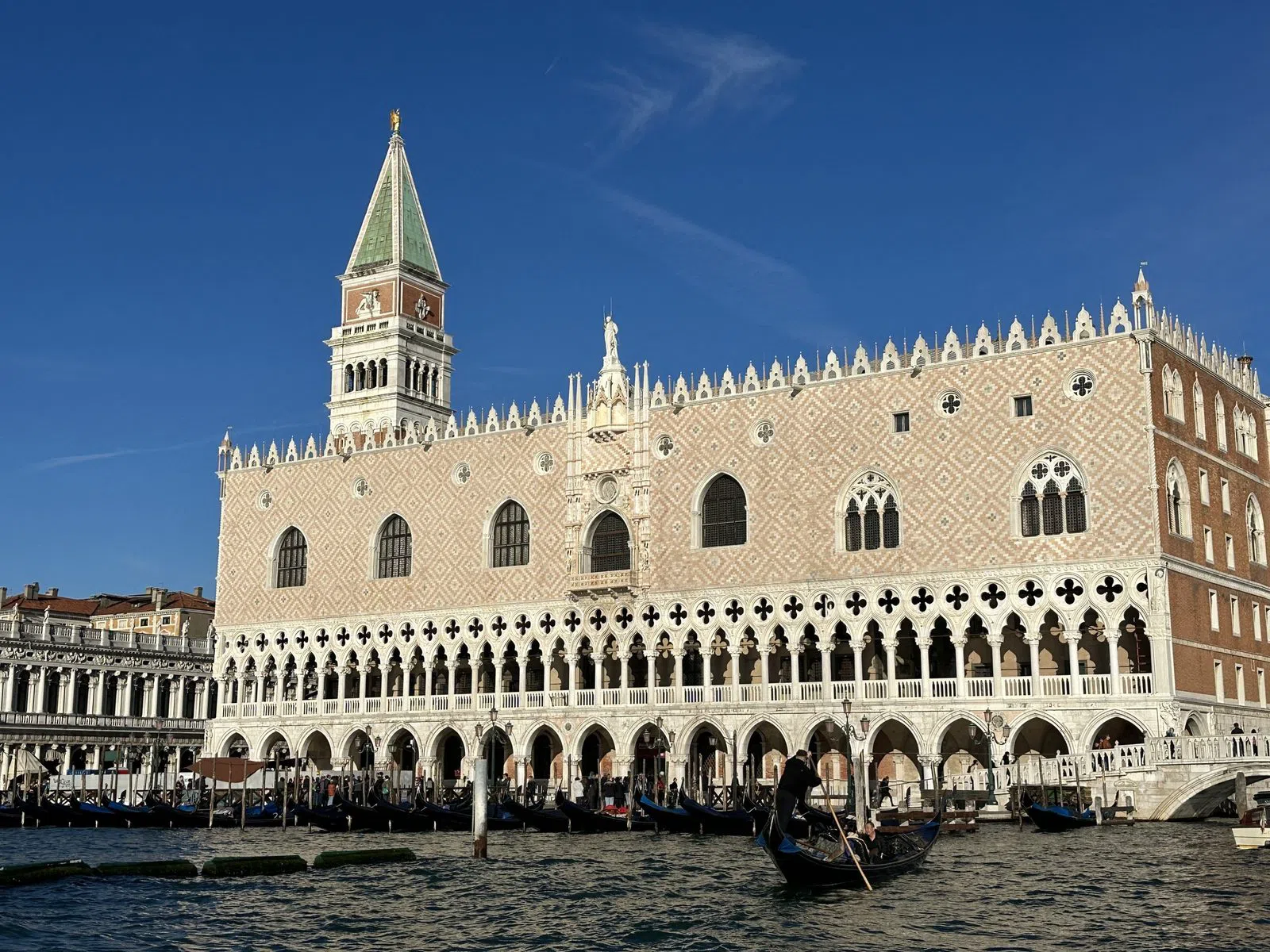
Adjoining the basilica is the Doge's Palace (Piazza San Marco), the Gothic seat of the old republic. Standard skip-the-line tickets work well for groups; the more rewarding option is the Secret Itineraries guided tour, a small-capacity route (around €28 to €32) through the hidden council chambers, the prisons and Casanova's escape route. Combined skip-the-line tickets push the price up toward £70, so expect a £25 to £70 spread across ticket types. Note there are no children under six on the Secret Itineraries route. For most visitors that guided route is a better use of an hour than shuffling the standard loop with the crowds.
Plan your Venice trip
Live prices from our booking partners.
Free cancellation on many rooms. We may earn a commission when you book.
The quieter viewpoint across the water
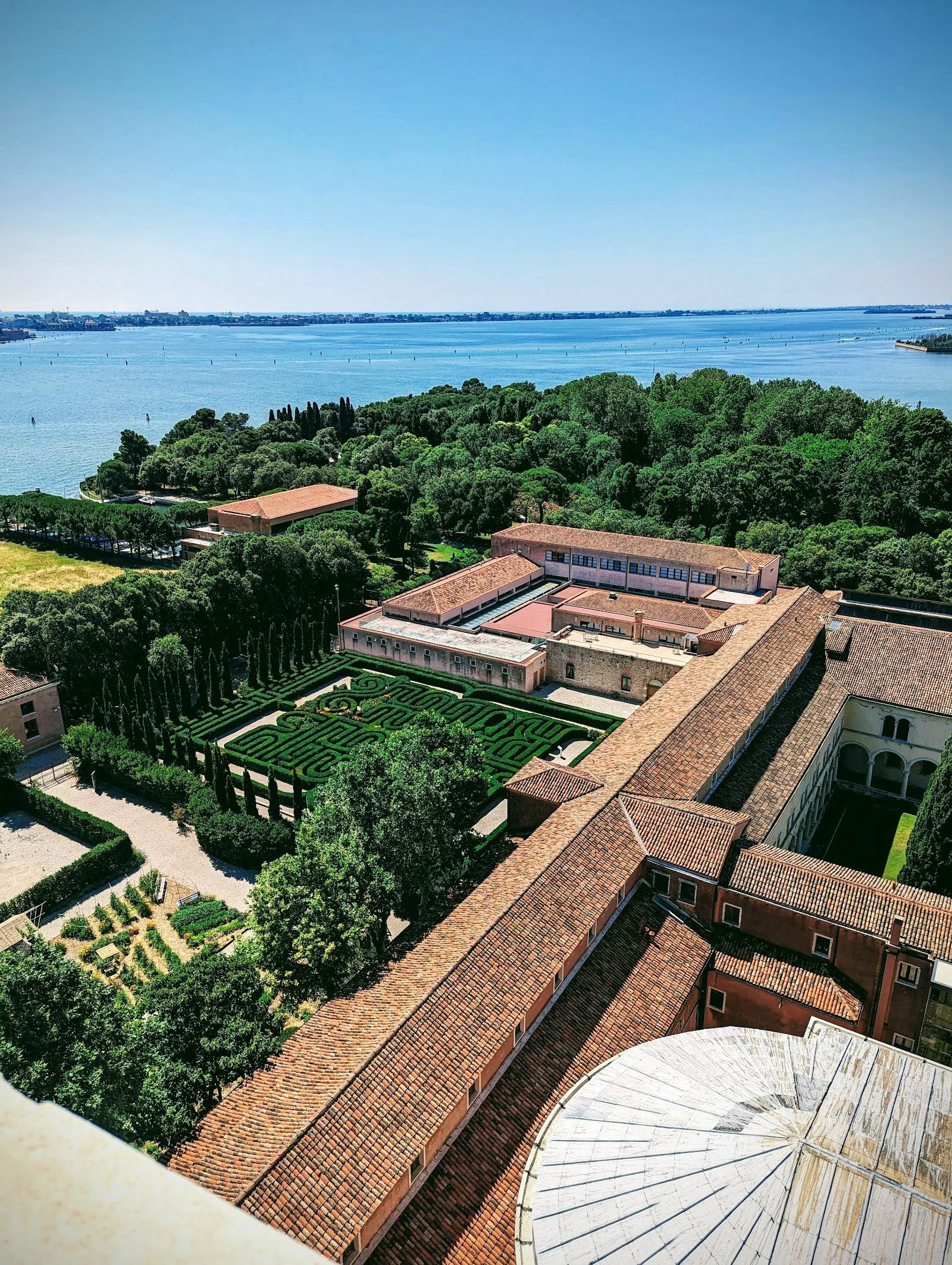
If the campanile queue puts you off, there is a calmer option. From the piazza, walk about five minutes east to the San Zaccaria stop and take Vaporetto Line 2 one hop — roughly three minutes — to the island of San Giorgio Maggiore. Entry to the church is free, and the small lift up the San Giorgio Maggiore Bell Tower (San Giorgio Maggiore) is bought inside for about £6 to £8. The view looks back onto the piazza and the domes you have just left, with a fraction of the crowds — arguably the more satisfying of the two towers, and the sensible choice on a busy afternoon. It takes groups without any advance booking, which makes it a useful fallback if the campanile slots have sold out.
Venetian painting without the scrum
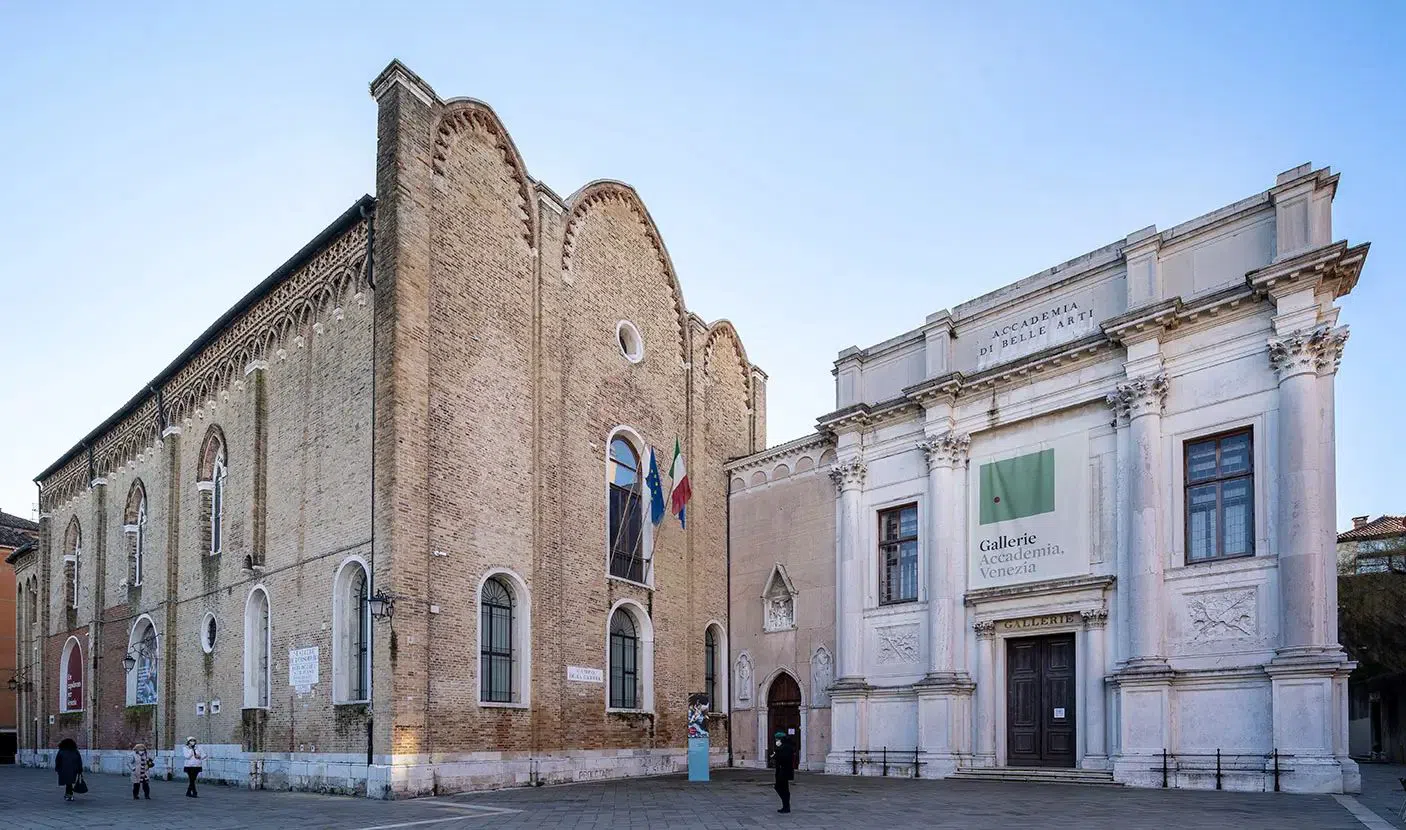
Cross the Grand Canal into Dorsoduro for the art. From Piazza San Marco it is about a fifteen-minute walk west and over the Accademia bridge to the Gallerie dell'Accademia (Dorsoduro), the standing collection of Venetian painting. A skip-the-line ticket is around €15; an expert-guided small-group art tour runs €40 to €55, so the range is £12 to £55. Even with a pre-booked ticket a short queue can form, so aim for an opening slot. This is one place where a guide genuinely earns the fee, decoding rooms of altarpieces that most visitors rush past in minutes. It handles groups comfortably, and an hour and a half here is time well spent.
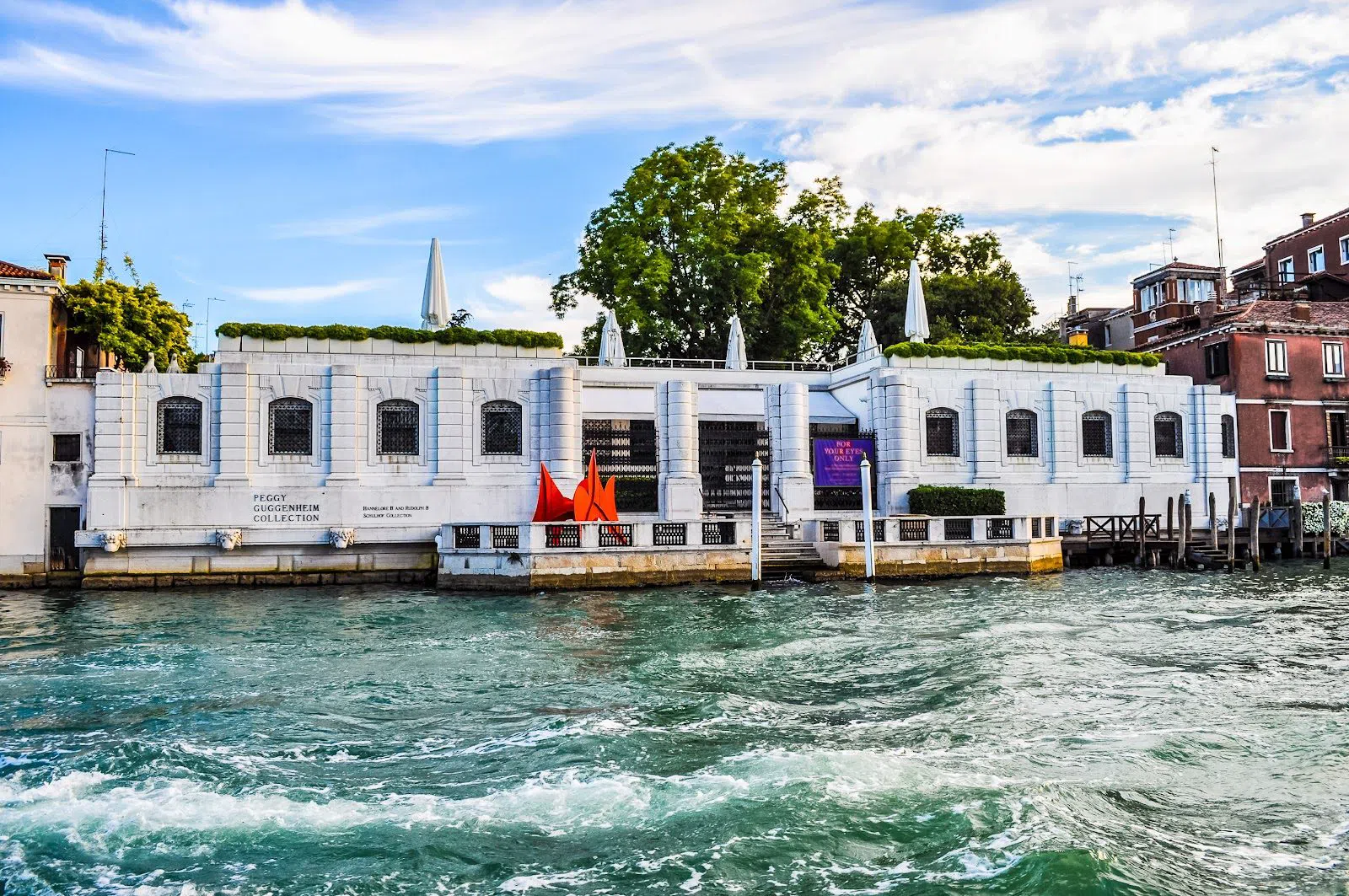
Five minutes further along the canal is the Peggy Guggenheim Collection (Dorsoduro), a modern-art house set in the collector's former palazzo — Pollock, Picasso, Ernst. It makes a clean change of pace after the Byzantine gold, sits right on the water, and stays relatively uncrowded. Groups are taken by advance email booking ([email protected]), with a free chaperone for every 15 people and after-hours private tours for up to five; entry is about €16 to €18 with a guided supplement on top, so budget £16 to £30. This one suits couples and small groups more naturally than a large party.
Two churches, two painters
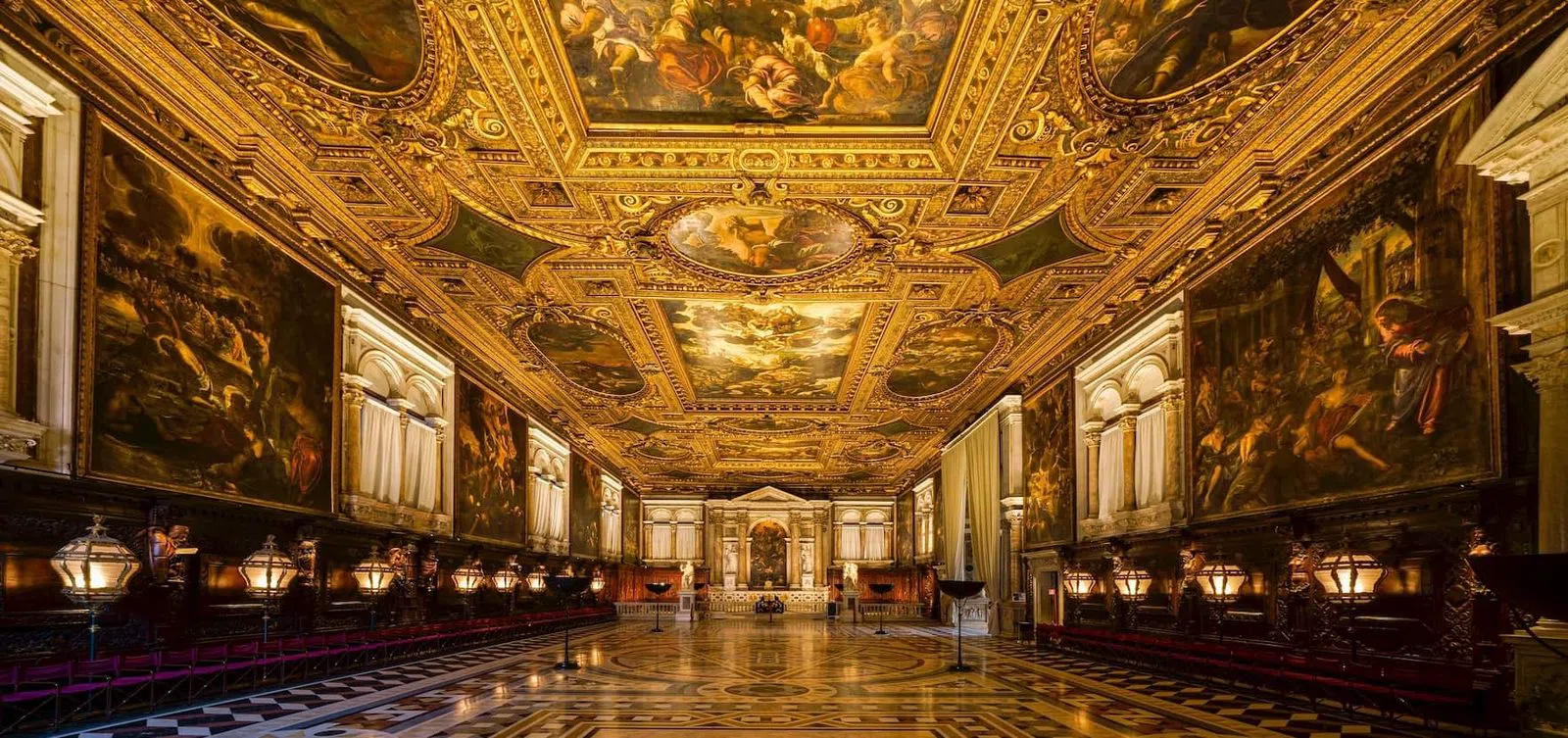
North into San Polo brings you to a pair of sights that sit almost next to each other, about a ten to twelve-minute walk from the Accademia. The Scuola Grande di San Rocco (San Polo) is a single gilded hall hung with more than fifty large Tintoretto canvases — often overlooked, and far calmer than the piazza sights. It is open daily 09:30 to 17:30, costs about €14 (£12 to £14, with a discounted rate for groups over 20), and timed booking is wise in peak season. Give it time to look up: much of the work is on the ceiling.
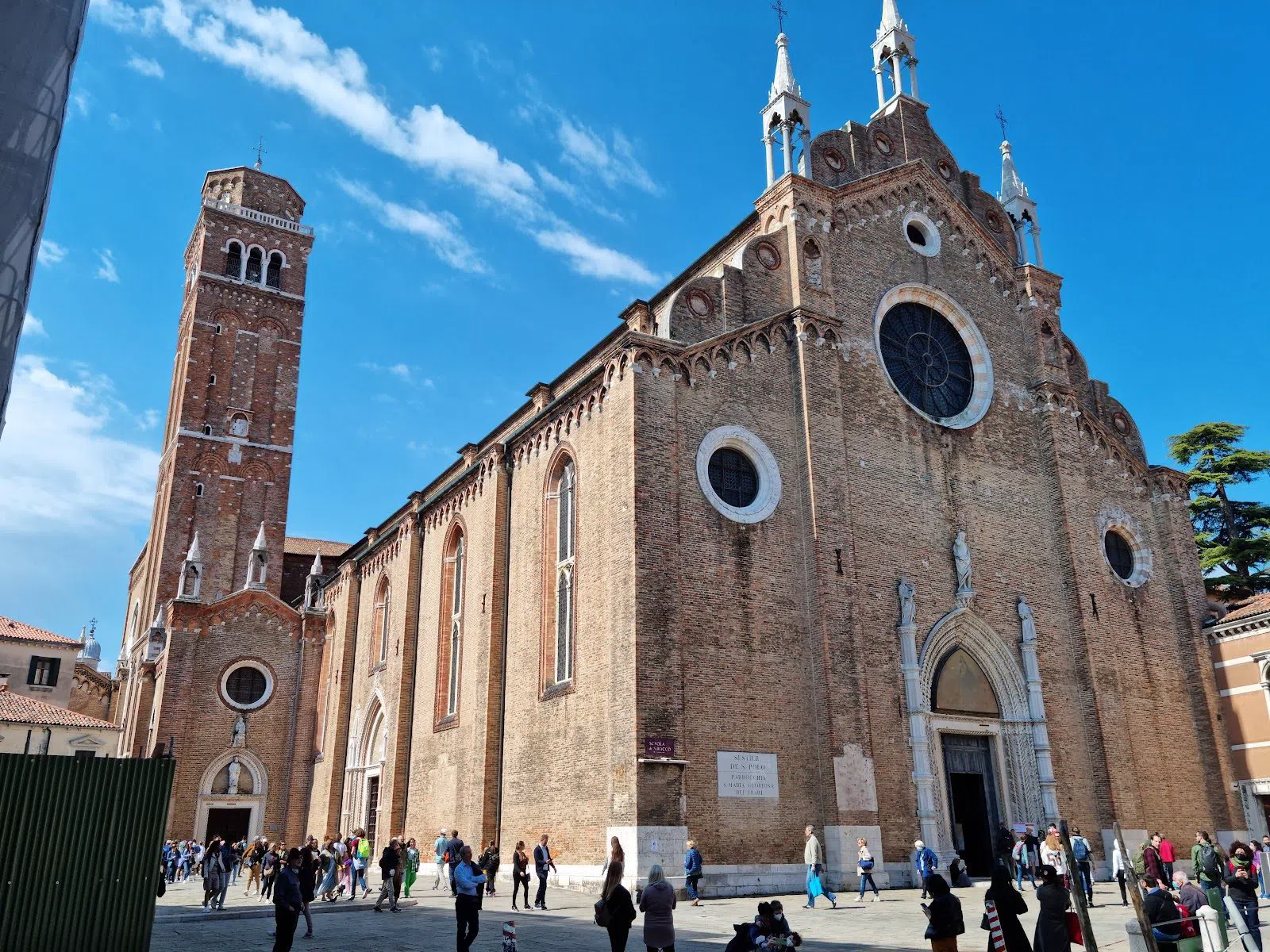
Two minutes away is the Basilica dei Frari (San Polo), the brick Franciscan church that holds Titian's Assumption above the high altar and the painter's own tomb. Entry is low-cost timed admission, about €5 (£4 to £6), open Monday to Saturday 09:00 to 18:00 and Sunday 13:00 to 18:00; private walking tours pair it with nearby sights for Titian and Bellini. New for 2026 are 'Frari Night' after-hours visits, which let you see the church without the daytime crowds under artificial light — worth checking the dates if seeing it quiet matters to you.
An opera house you can slot in by day
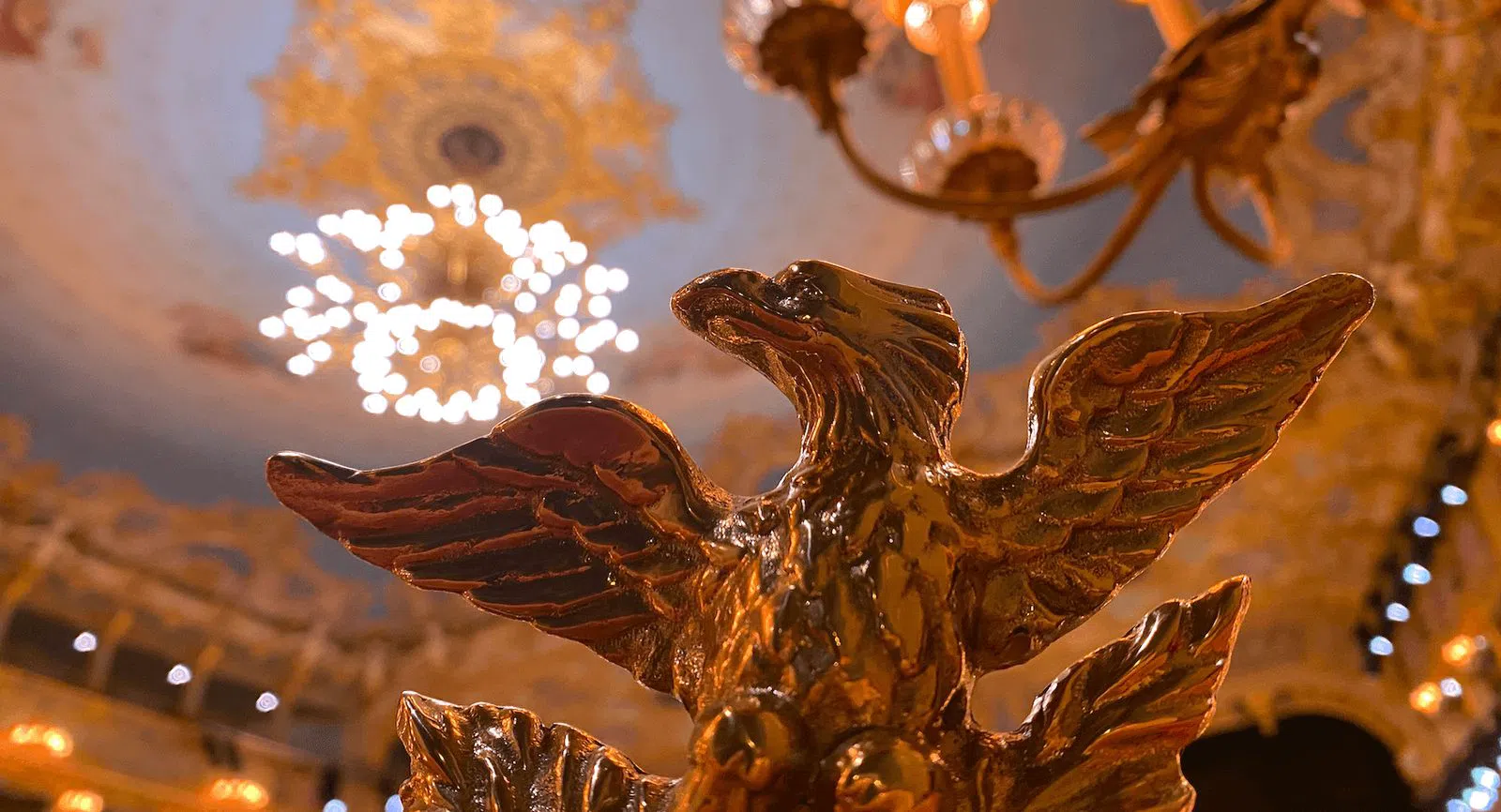
A few minutes' walk west of Piazza San Marco stands Teatro La Fenice (San Marco), the opera house twice burned and rebuilt — 'The Phoenix'. You can visit by day with an audio guide for about €12, or join a scheduled guided tour in English, French or Italian for a little more; the range is £11 to £25. Tours pause on performance days, so check the calendar first, but the daytime audio-guide visit is short and easy to fit between other stops. It takes groups without difficulty, and works well as a low-effort hour when your legs have had enough of bridges.
On the water: a gondola and the lagoon
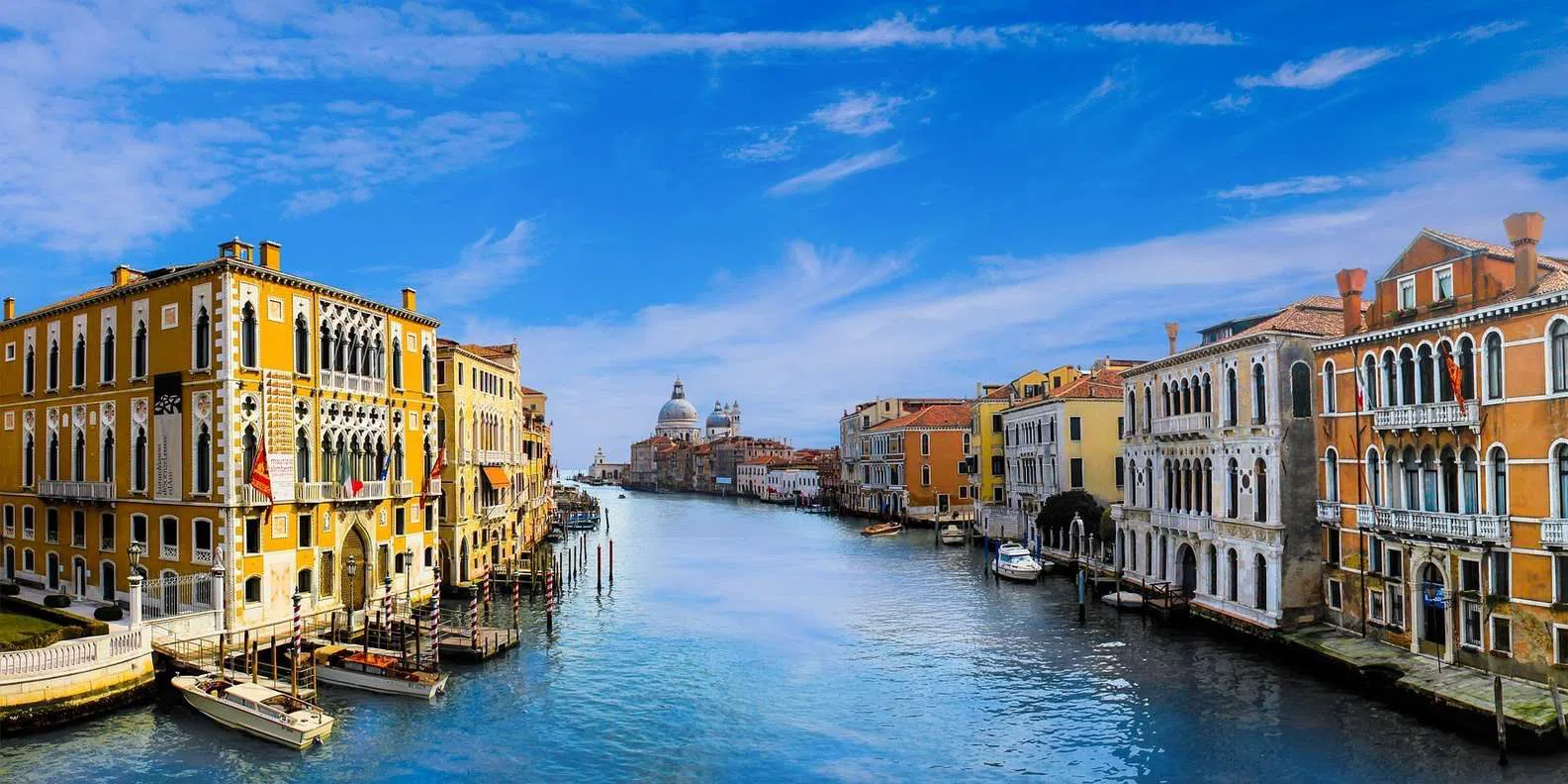
The Grand Canal Gondola Ride & Walking Tour (departs central Venice) is the one Venice cliché worth doing, provided you book it sensibly. Shared small-group departures pool riders across gondolas — up to about five per boat — and are often bundled with a guided walking segment, which keeps the cost reasonable at £30 to £90 per person; a private boat starts from around €90 for the whole gondola. If you are a couple set on privacy, the private hire is the honest choice; for a group watching the budget, the shared canal-plus-walking version does the same route for far less per head.
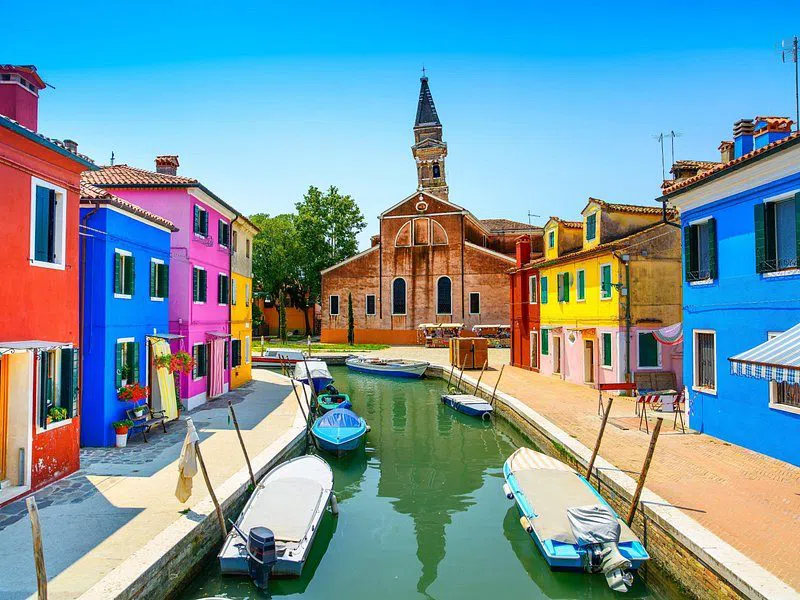
For a half-day away from the crowds, the Murano, Burano & Torcello Islands Boat Tour (departs central Venice) runs as a small-group guided trip of around 20 to 22 people, by shared or private boat, with a glass-blowing demonstration on Murano and the painted houses of Burano. Expect £25 to £60 per person for the half-day. One honest word: some operators lean hard on the glass-factory sales pitch, so choose a tour that keeps that stop short and the time on the islands long.
Eating your way through the bacari
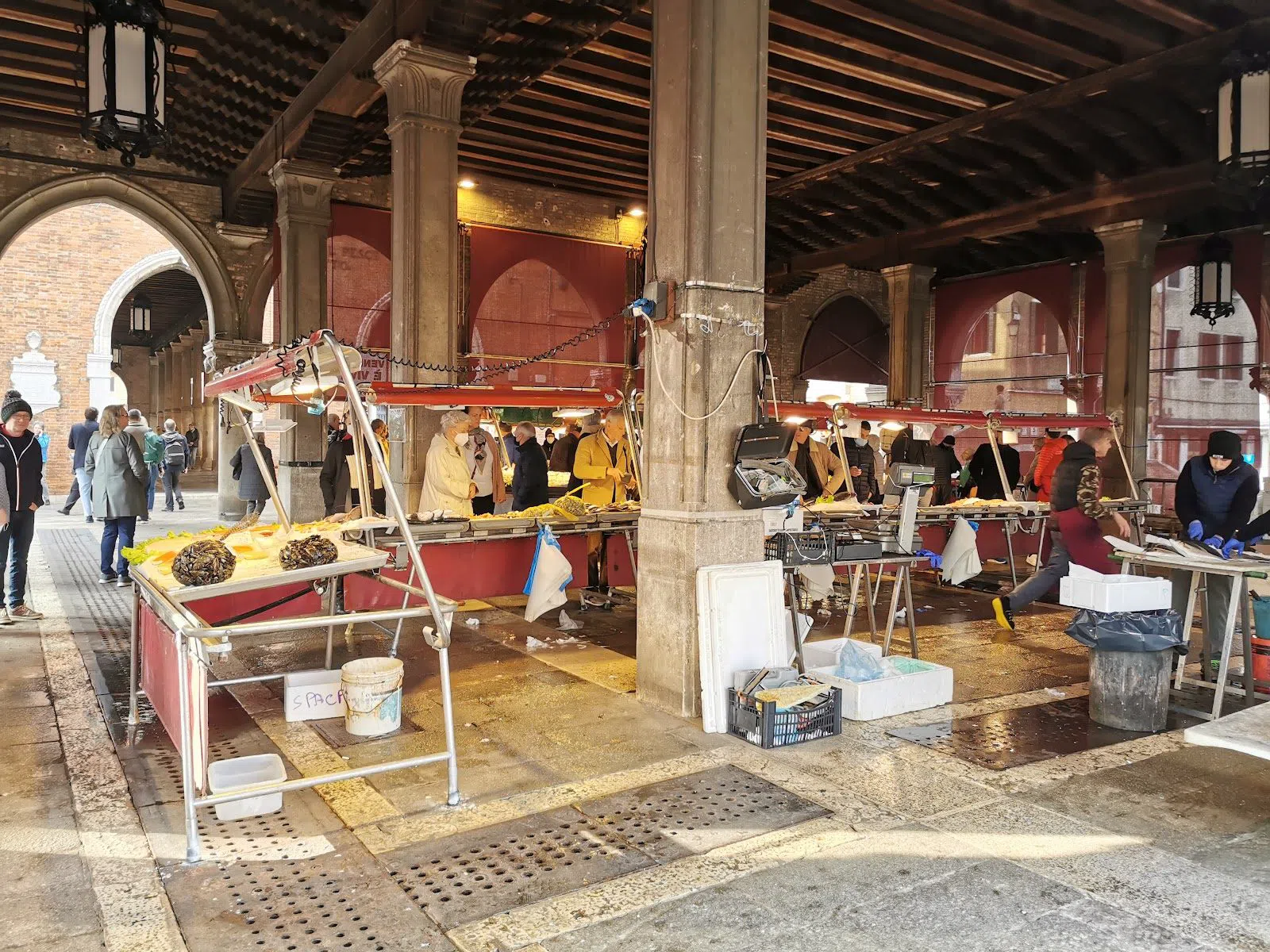
The Rialto Market Cicchetti & Bacari Food Walking Tour (San Polo, near the Rialto) is the most enjoyable way to learn how Venice actually eats — a market-to-bacaro crawl hopping several tiny wine bars for cicchetti and prosecco. Groups are capped small, typically 6 to 12, which is what keeps the little bars from bursting; the evening 'ombra' slots feel the most local. Reckon on £55 to £90 per person, including food and wine at several stops. It suits sociable small groups and couples alike, and less so a large party that would overwhelm a standing bar.
Practical notes
Getting around. Venice is a walking city first; the vaporetto (ACTV water bus) covers the longer hops and reaches the lagoon islands. If you are crossing the water more than twice in a day, a timed travel pass usually beats single tickets. Distances between the sights above are short — most of the piazza cluster is only a few minutes apart on foot, and Dorsoduro and San Polo are reachable across two bridges rather than by boat.
Cash and cards. Cards are accepted almost everywhere, but carry some euros for the bacari on a food crawl and for the small tower-lift tickets bought on the spot at San Giorgio Maggiore.
Timing and booking. For 2026, reserve the guided small-capacity experiences — the Secret Itineraries, the Clock Tower, the food crawl — several weeks ahead in high season, as their slots are genuinely limited. Morning opening slots are the quietest across the board. Check performance dates before planning a Teatro La Fenice visit, and the 'Frari Night' dates if you want that church calm.
Budget. A day taking in two or three ticketed landmarks plus one guided experience sits comfortably in the £60 to £120 per-person range, before food. Where a queue-free alternative exists — San Giorgio Maggiore over the campanile, a shared gondola over a private one — it usually saves both money and time.
Sort your base before you book any tickets: a room near San Marco or across in Dorsoduro puts most of this route within walking reach. Start with a Venice hotel search, and for wider planning — neighbourhoods, seasons and getting in from the airport — see the full Venice guide.
Before you go
Do I really need a skip-the-line ticket for St Mark's Basilica?
In summer, yes. The standing queue runs across Piazza San Marco and can cost you well over an hour. A timed skip-the-line ticket (basilica entry from about €10, or a guided small-group tour around €35 to €50) sends you to a reserved entrance instead. Remember the dress code: shoulders and knees covered.
What is the difference between a standard Doge's Palace ticket and the Secret Itineraries tour?
The standard skip-the-line ticket lets you walk the main loop at your own pace and works fine for groups. The Secret Itineraries is a small-capacity guided tour (around €28 to €32) through the hidden council chambers, the prisons and Casanova's escape route — better value for the time, though no children under six are allowed on it.
Which viewpoint is better, St Mark's Campanile or San Giorgio Maggiore?
The campanile has a lift and a timed skip-the-line slot (about €12), so it suits mixed-ability groups but draws long queues. San Giorgio Maggiore, one short Vaporetto Line 2 hop across the water, has a small lift up its tower (about £6 to £8), far fewer people, and a view looking back onto the piazza. On a busy day, take San Giorgio.
Can I visit these Venice landmarks with young children?
Most, yes — the basilica, campanile, Accademia and the lagoon boat tour all take families. Two do not: the St Mark's Clock Tower (a steep 132-step climb, no under-sixes, not wheelchair accessible) and the Doge's Palace Secret Itineraries route (no under-sixes). Plan those for able adults and older children.
How far ahead should I book Venice skip-the-line tours in 2026?
For the small-capacity guided experiences — Secret Itineraries, the Clock Tower and the Rialto food crawl — book several weeks ahead in high season, as slots are limited. Standard timed tickets for the basilica, campanile and Accademia can be reserved closer to the date, but always aim for a morning opening slot for the quietest visit.