The Venice issue
The Artisans Who Keep Venice Afloat: Gondola Makers, Glass Masters, and the City's Vanishing Crafts
The boatyards, furnaces and loom rooms where Venice is still made by hand — and the vanishing craftspeople behind them.
By Kim SolheimTimed walking routes and the quieter half of the city
The gondola sliding past your café table took something like five hundred hours and eight species of wood to build, and the man who carved the curved oar-rest it pivots on could seat every colleague left in his trade at one small table. It is easy to read Venice as a museum — a city kept behind glass for the people photographing it. Give a morning to its workshops instead, and the place reads differently: still being made, by hand, in rooms that smell of sawdust, wax and wood-smoke.
Dorsoduro's boatyards: where gondolas are still built by hand
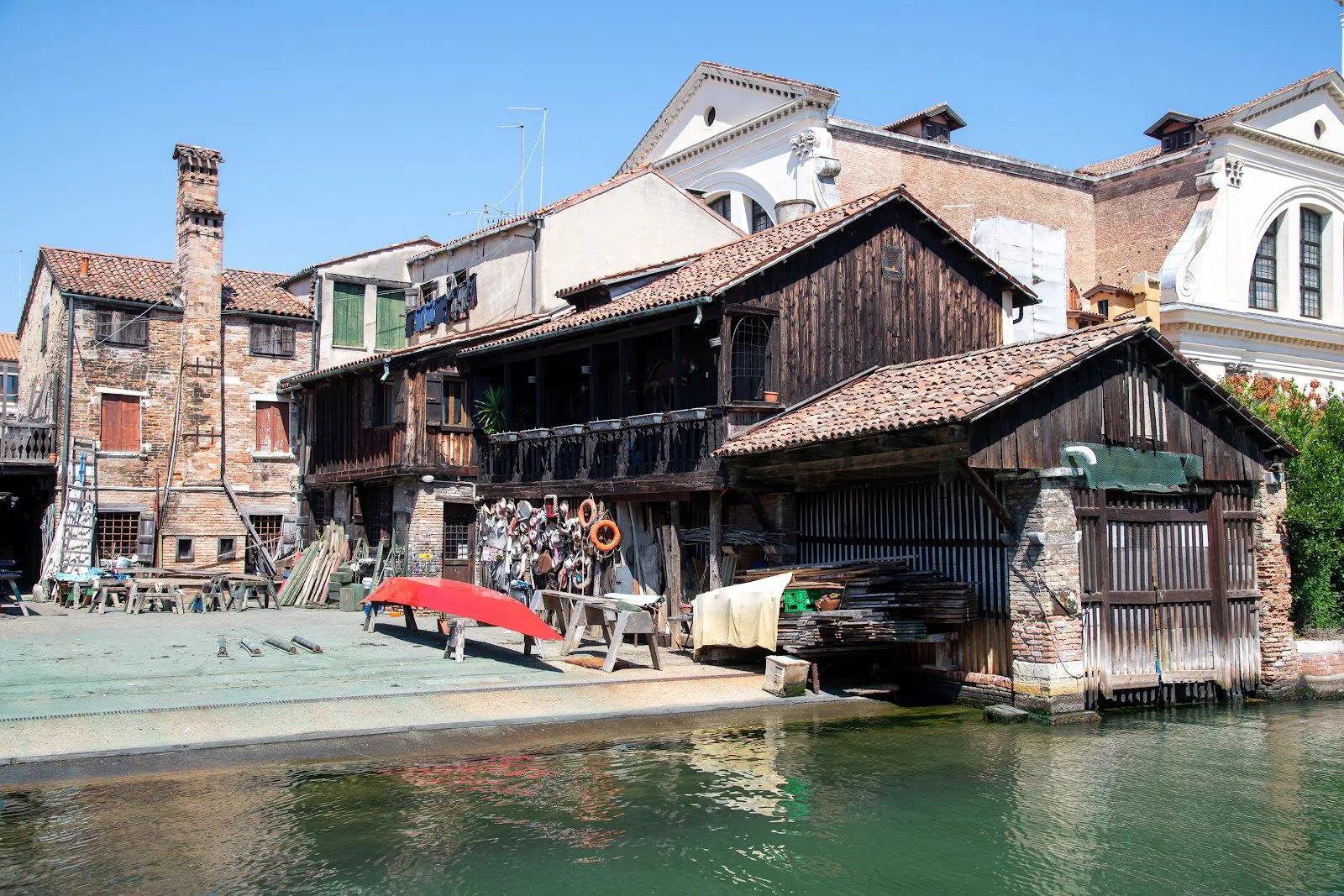
A squero is a boatyard, and there were once dozens across the lagoon. A handful remain, most in the southern sestiere of Dorsoduro, and two of them will — with care and the right approach — let an outsider watch.
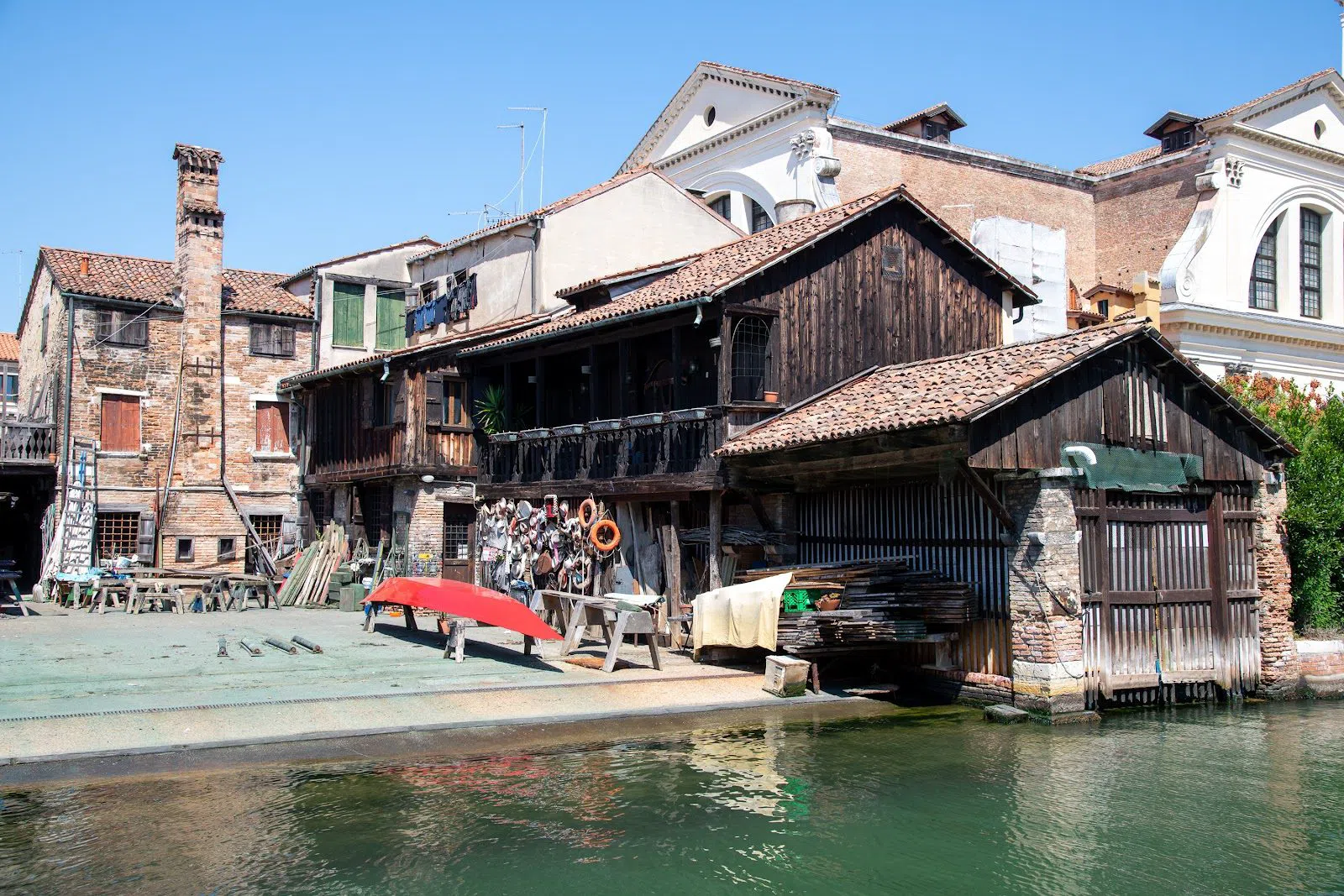
Start early. Squero di San Trovaso (Dorsoduro), tucked where the Rio di San Trovaso meets the Zattere, is the wooden-roofed yard you have probably seen on postcards without knowing its name. It is a working boatyard, not a ticketed attraction, so the honest way to see it is free: stand on the fondamenta across the narrow canal and watch the boatwrights sand, char and reassemble hulls in the open air. Come at opening, around 08:30, before the day-boats and the photographers arrive; by late morning the little viewpoint fills up. Small private visits inside can sometimes be arranged in advance — ask for Francesca — but this is someone's place of work, not a coach stop, so keep numbers low and expectations modest.
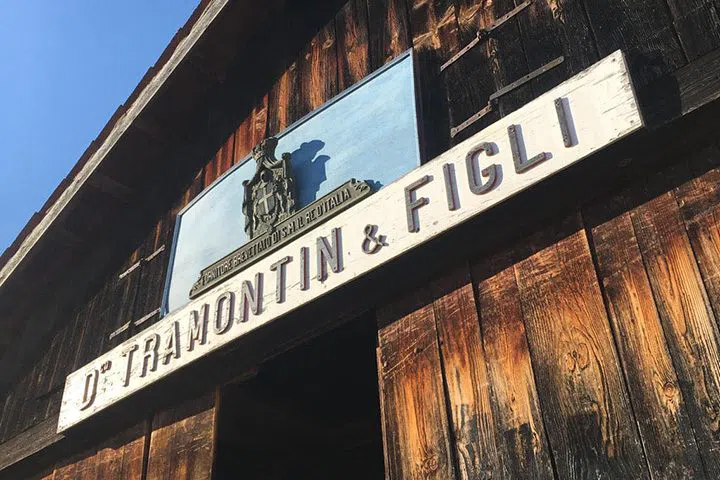
Five minutes' walk away, deeper into the same quiet grid of canals, Squero Domenico Tramontin & Figli (Dorsoduro) has been building gondolas since 1884, and is credited with perfecting the boat's asymmetric hull — the deliberate lopsidedness that lets a single oarsman drive it straight. It is now run by great-great-granddaughters Elena and Elisabetta, the first women to head a Venetian squero. Visits and tours here are by arrangement, most days except Saturday, and for small private groups only. Nothing is mass-produced and nothing is cheap: a complete gondola runs to tens of thousands of euros and takes the better part of a year to finish. If San Trovaso is the picture, Tramontin is the conversation — the place to understand what you were looking at across the water.
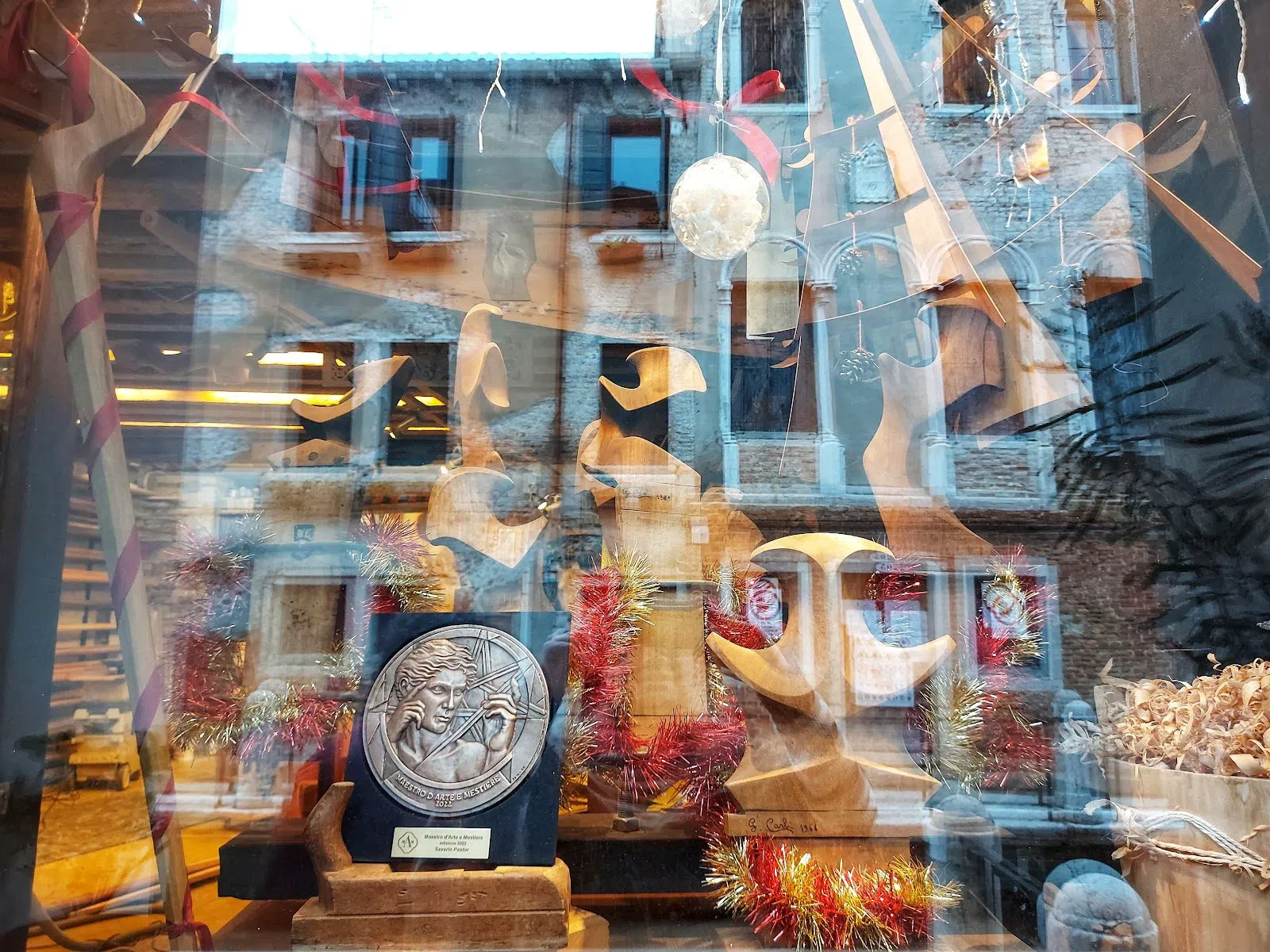
From Tramontin, walk about ten minutes east toward San Vio and you reach Le Fórcole di Saverio Pastor (Dorsoduro), the workshop of a remèr — an oar- and forcola-maker. The forcola is the sculpted wooden rowlock that lets a gondola be rowed at all, each one carved to the body and stroke of a single gondolier. Pastor is among the last handful of people on earth who still make them; the craft is roughly one workshop closure from disappearing. Watching is free, and the small room suits an individual or a pair far better than a group. A bespoke forcola is a several-hundred-euro-plus commission, so this is a quiet place to talk and watch rather than to file through.
Plan your Venice trip
Live prices from our booking partners.
Free cancellation on many rooms. We may earn a commission when you book.
The Murano furnaces: 700 years of glass
Murano has burned glass for seven centuries, and it has also learned to sell it. Many of the island's advertised "free demonstrations" end, predictably, in a sales room. The furnaces below are the alternative: genuine working floors, run mostly by a younger generation with nothing to hide.
Reach the island by vaporetto — lines 4.1 and 4.2 loop out from Fondamente Nove in about ten minutes, and line 3 runs direct from the train station. Give it a half-day rather than an hour; the boat time adds up.
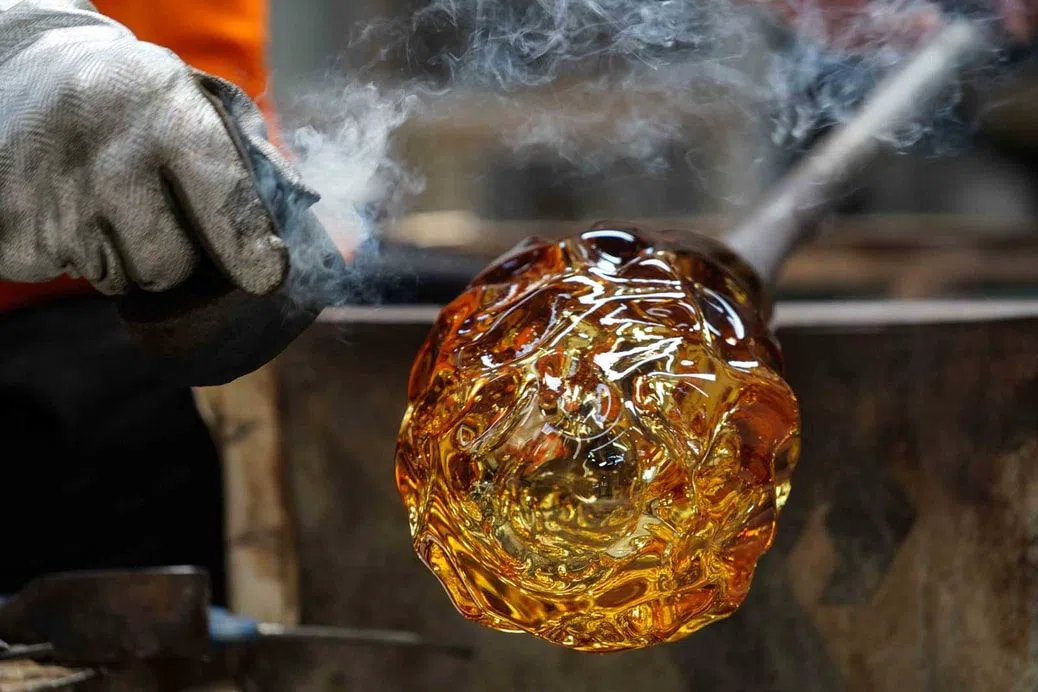
Wave Murano Glass (Murano) is the one to lead with, especially if you are travelling with others. Roberto Beltrami's furnace keeps a free walk-in viewing gallery, runs guided furnace tours capped at around eight people (roughly €20–40 per person), and takes bookings for small-group and private glassblowing workshops (about €80–200, depending on what you make). It is a transparent, openly working factory rather than a demo-then-sales-room, and the tour cap means you actually see the glass move.
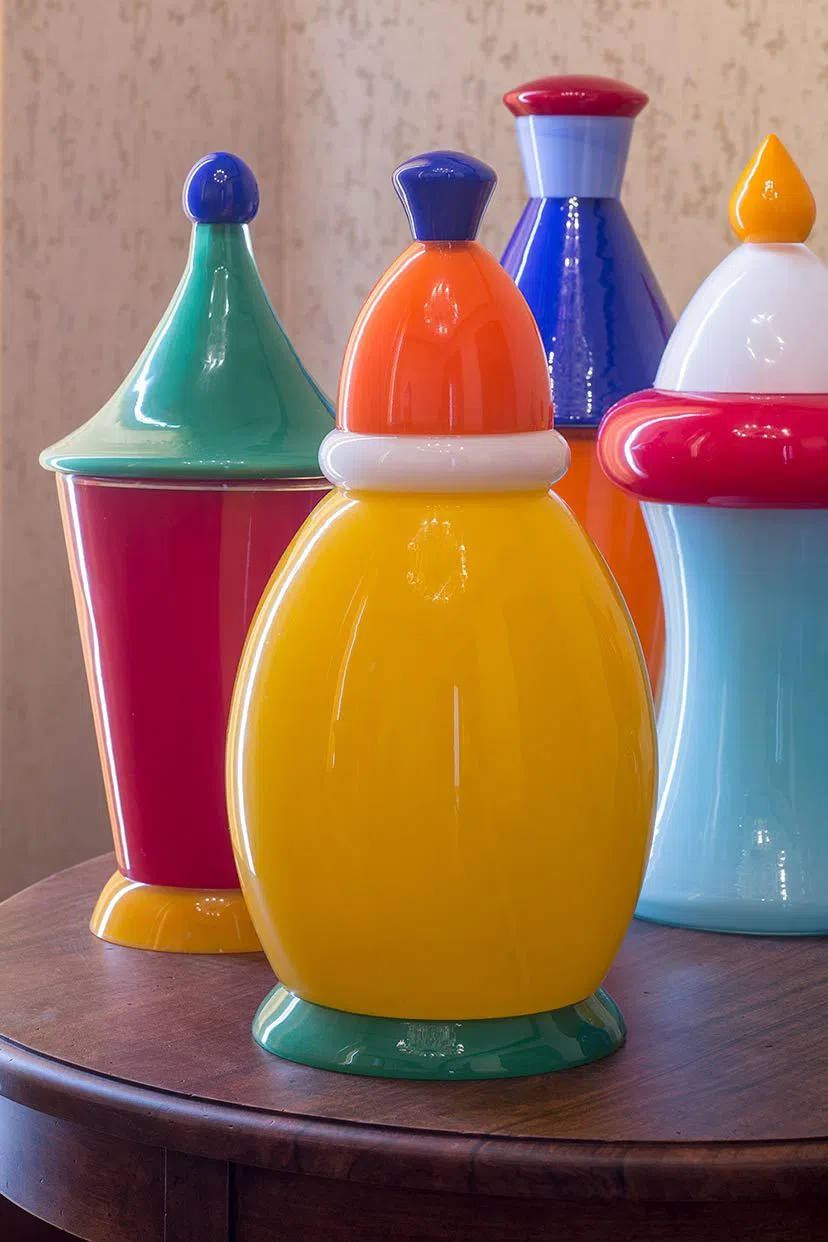
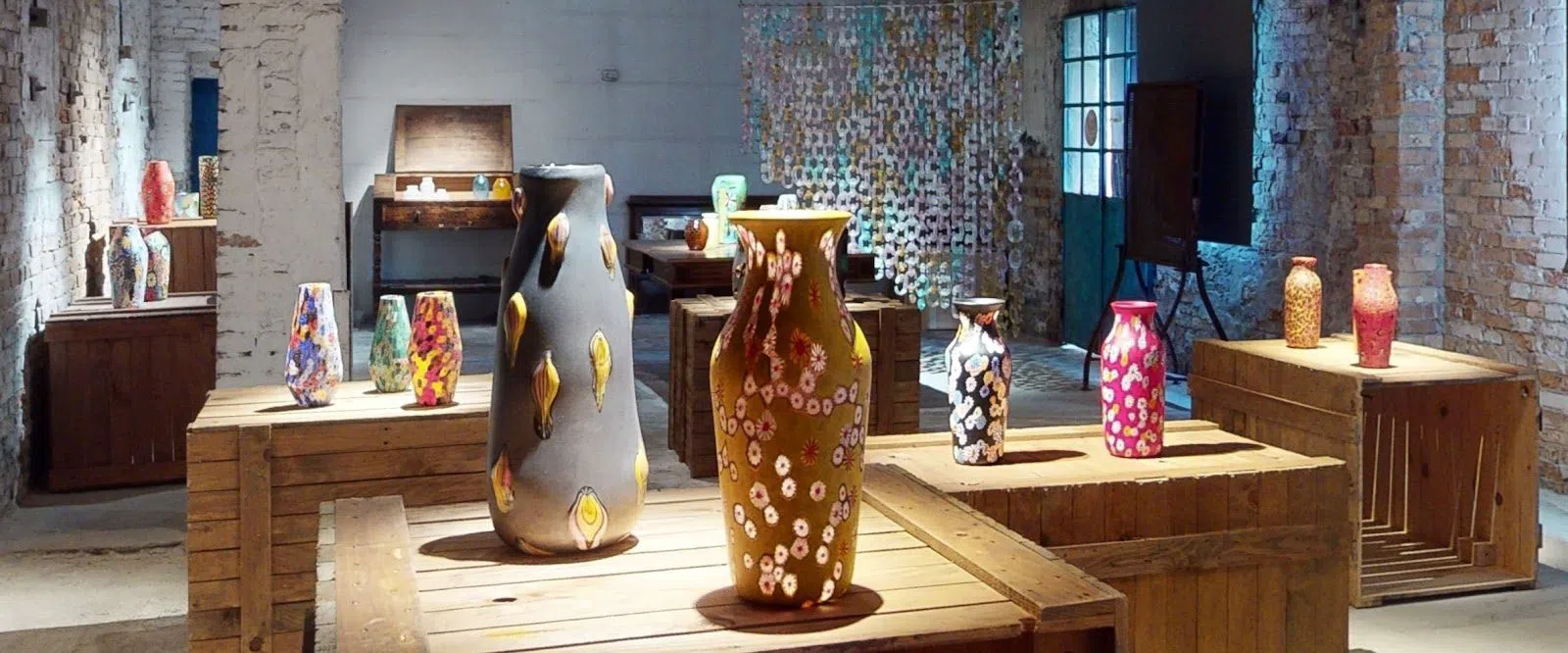
A short way off, Berengo Studio (Murano) is where glass tips into contemporary art. Through his Glasstress project, Adriano Berengo has put more than 300 international artists in front of Murano's masters, proving the 700-year tradition can make sculpture, not only souvenirs. The furnace and exhibition space welcome visitors — usually free or by donation, with private guided tours on request — and it rewards a small, curious group far more than a coach party.
For something closer to the island's nineteenth-century roots, Fratelli Toso (Murano) is one of the oldest Murano furnaces still in continuous operation, at around 170 years. It is not a year-round showroom: the way in is the special free winter openings, roughly October to December, when the floor is given over to demonstrations. The working space is tight, so smaller groups suit it best — worth timing a late-year trip around if the dates align.
Gold fire in the old city: Orsoni
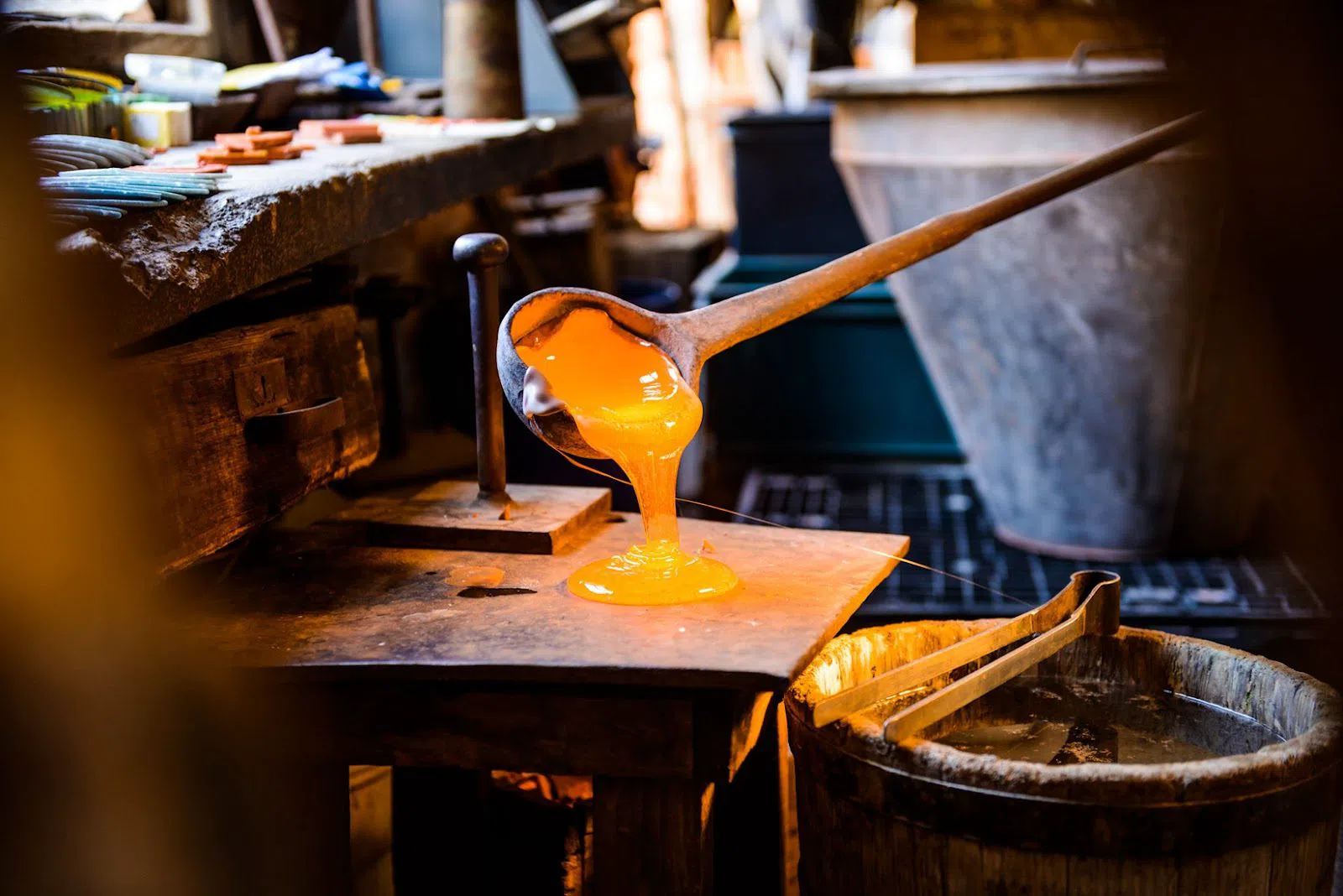
One furnace never moved out to Murano. Orsoni Venezia 1888 (Cannaregio), near the old Ghetto in the north of the historic centre, is the only furnace still permitted to burn a wood fire within Venice itself. It makes gold-leaf mosaic — the gold and coloured smalti that restorers use on St Mark's and on basilicas around the world. You can visit, and it costs nothing, but access is deliberately narrow: free cultural visits run by reservation only, roughly twice a month, and they book out far ahead. A new calendar opens from 1 September 2026 — the practical advice is to reserve the instant dates appear, then build the rest of your day around that slot rather than the reverse.
The mask-makers
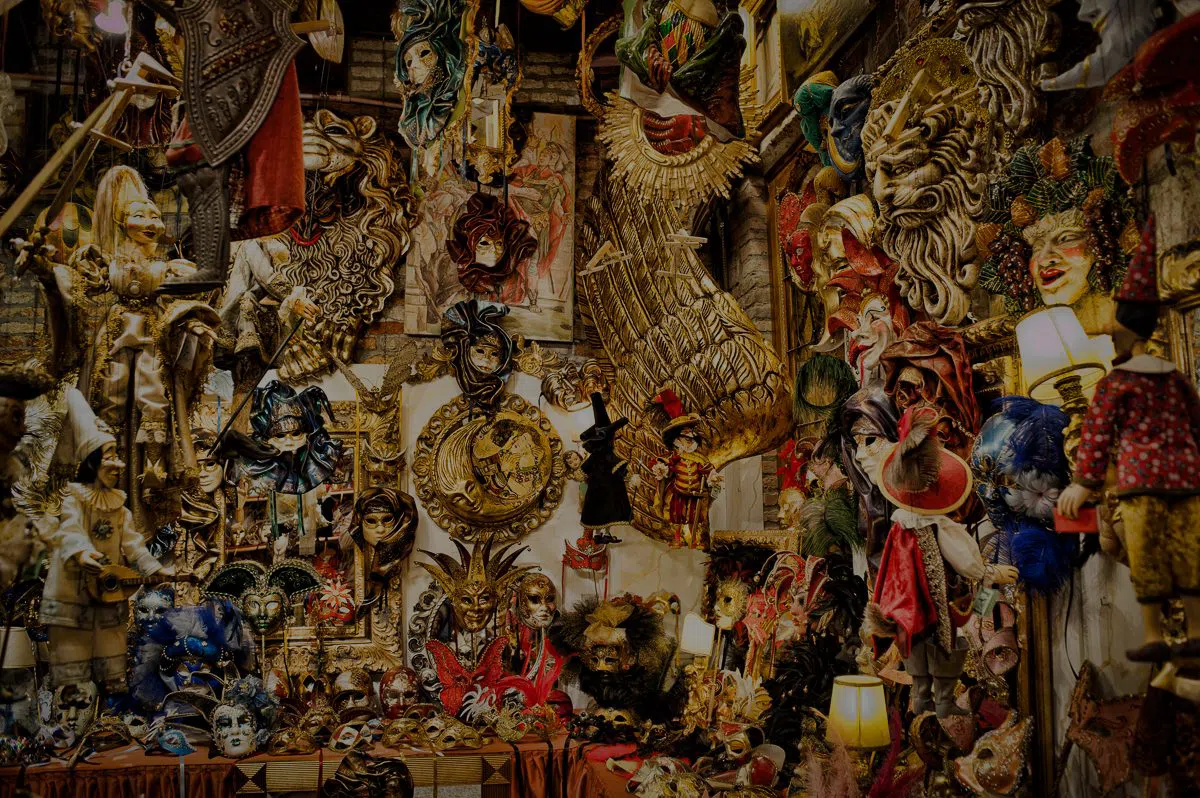
Venice's masks were a functional trade long before they were a souvenir, and two ateliers still make them properly rather than importing them.
Ca' Macana (Dorsoduro, near Campo San Barnaba) is the workshop most set up for visitors: the first in the city to open its doors, it runs hands-on papier-mâché classes for as many as sixty people in several languages, which makes it the reliable choice for a family or a larger group. Finished masks start around €20; a decorating workshop is roughly €39–79 per person. Its papier-mâché masks, made the traditional way, famously supplied Kubrick's 'Eyes Wide Shut'. From the San Trovaso boatyards it is about eight minutes on foot, so it slots naturally into a Dorsoduro morning.
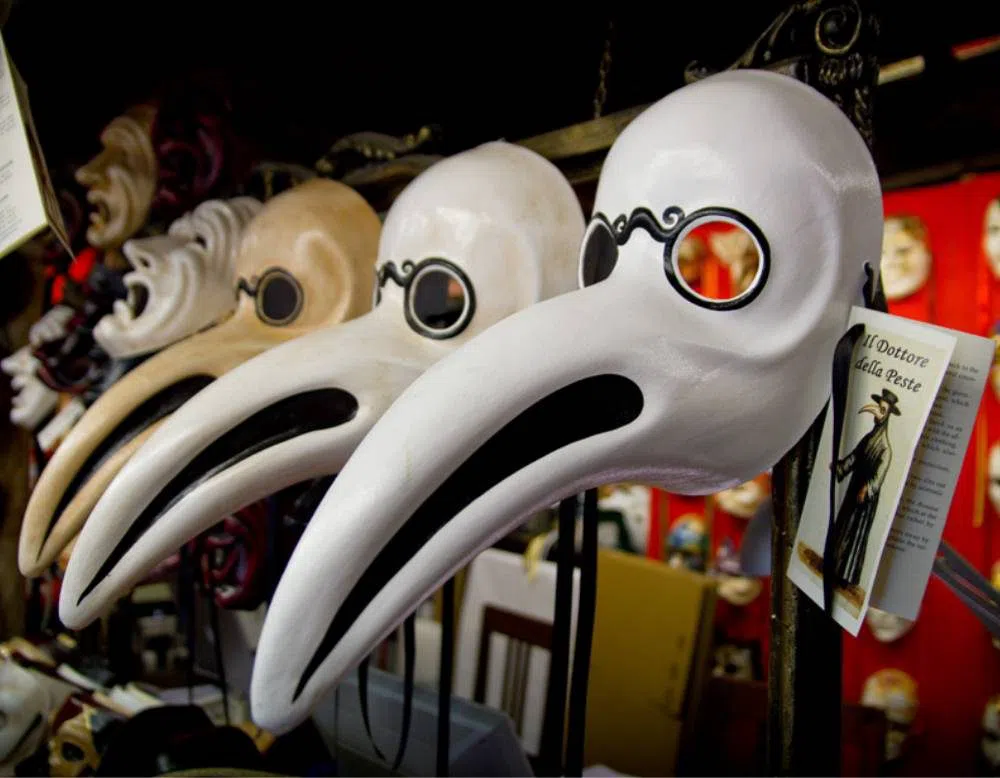
Across the Grand Canal in San Polo, near the Frari church, Tragicomica (San Polo) is the quieter, more theatrical option. Academy-trained Gualtiero Dall'Osto makes elaborate commedia dell'arte and historical masks, and runs roughly two-hour hands-on classes (about €40–80 per person) that suit individuals and small groups, with larger parties by arrangement. Come here for depth rather than volume — a maker's atelier, not a production line.
Cloth, thread and ink: the last textile and print houses
The rarest crafts left in Venice are also the slowest, and they cluster at the edges of the city.
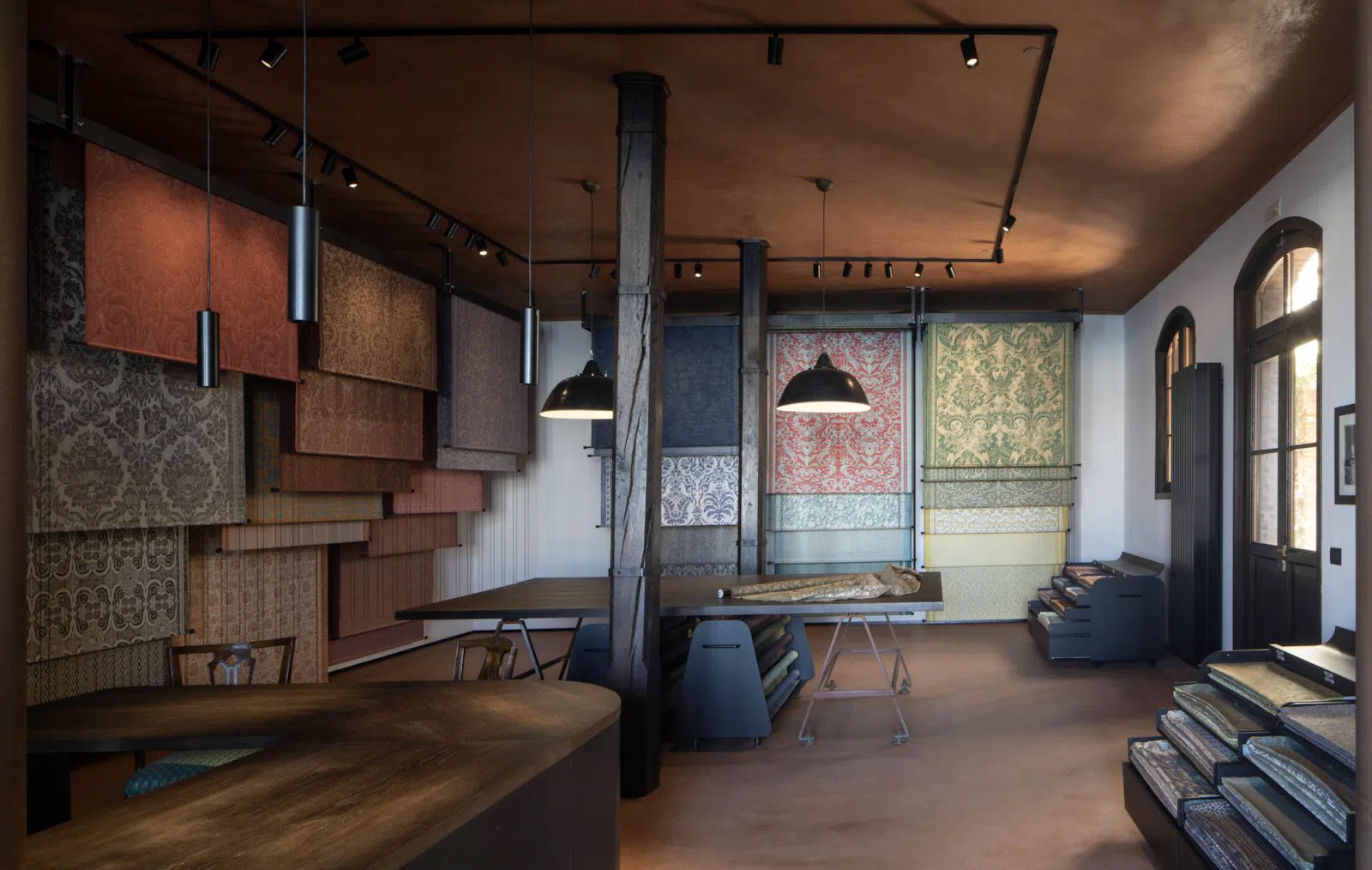
Take vaporetto line 2 across to Giudecca for Fortuny — Tessuti Artistici (Giudecca), the last operating textile factory in Venice. Mariano Fortuny's turn-of-the-century printing methods are still worked here, and still kept secret. The showroom is open to the public, Monday to Saturday in season; the historic factory and its garden are only by advance appointment and guided tour, for small groups rather than large parties. The fabric is ultra-luxury — hundreds of euros per metre — so treat a visit as looking rather than buying, and book the factory tour ahead if that is what you have come for.
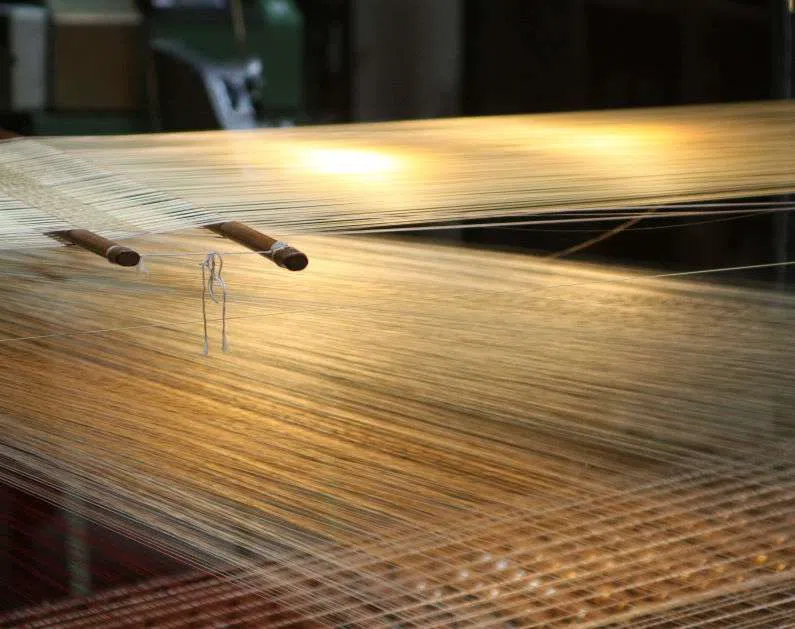
Back in the old city, at Santa Croce, Tessitura Luigi Bevilacqua (Santa Croce) is the last Venetian house still hand-weaving velvet on looms once owned by the Republic's Silk Guild. Its soprarizzo velvet — cloth woven for the Vatican and for the White House — comes off the loom at roughly 30 centimetres a day and costs thousands of euros per metre. Atelier and showroom visits, and guided weaving tours, are by appointment; the loom room is tight, so small groups only.
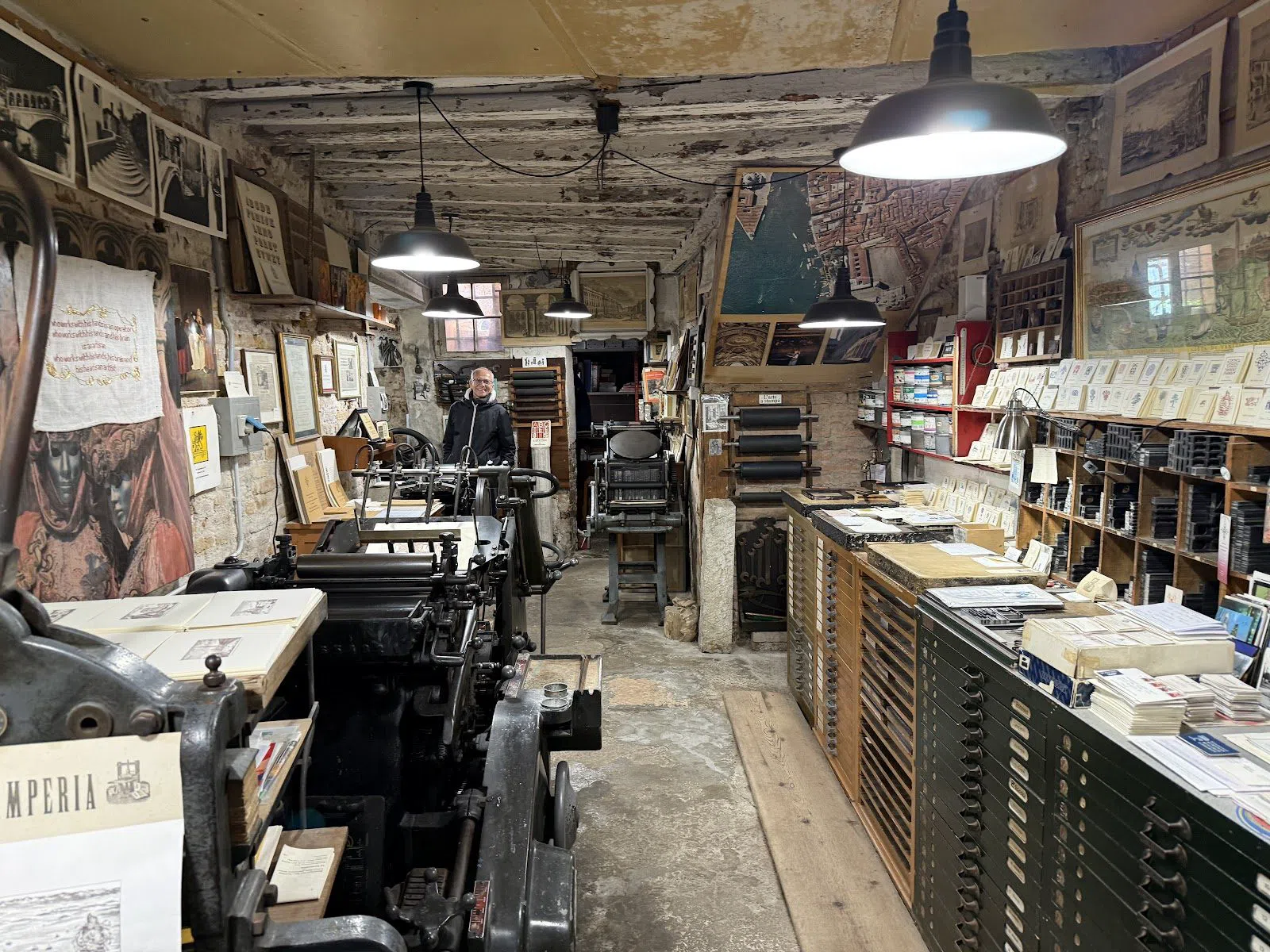
Finally, in northern Cannaregio, near the Gesuiti on the Calle del Fumo, Gianni Basso Stampatore (Cannaregio) prints stationery by letterpress on antique presses. Trained by Armenian monks and now teaching his son Stefano, Basso hand-sets bookplates, cards and custom orders — from a few euros upward. The shop is a single room, so it suits individuals and pairs, not groups, and it is cash only: no cards, so bring notes.
The quiet crisis behind the workshops
There is a reason to see all of this now rather than someday. The people in these rooms are not only ageing — they are being priced out of the city they built. As Venice's resident population falls and short-let apartments outbid workshops for ground-floor space, the economics of a squero or a loom room get harder every year. Some of these trades are held up by a single family, or a single pair of hands: Pastor's forcole, Basso's presses, the wood fire at Orsoni, the Fortuny methods worked behind a closed door on Giudecca. Visiting thoughtfully — buying something real, booking a workshop, keeping groups small in small rooms — is not charity, but it is one of the few direct ways a traveller keeps the craft economy breathing rather than hollowing it out. For more on planning a stay around the working city rather than the postcard, see our Venice guide.
Practical notes
Getting around: everything here is reachable on foot or by vaporetto (the ACTV water-buses). The Dorsoduro boatyards, Ca' Macana and Pastor's workshop form one walkable morning; Murano is a separate half-day by boat from Fondamente Nove; Orsoni, Bevilacqua, Basso and Fortuny are each their own short detour. A multi-day ACTV pass pays for itself quickly if Murano and Giudecca are both on your list.
Booking and timing: reserve Orsoni and the Fortuny factory tour well ahead — Orsoni especially, from 1 September 2026. Come to the squeri and furnaces in the morning, when work is actually happening and the crowds are thin. Fratelli Toso is essentially a late-autumn visit only, so check the October–December openings before you build a day around it.
Cash: Gianni Basso takes cash only, so carry euro notes; ATMs thin out in the residential corners where these workshops sit.
Budget: watching is often free — the San Trovaso yard, Pastor at his bench, the Wave and Berengo floors, an Orsoni visit. Making something costs more: mask workshops run roughly €39–79, glassblowing €80–200. Commissioning the real thing — a forcola, a metre of velvet, a whole gondola — moves into the hundreds, thousands and tens of thousands respectively.
Where to stay: a base in Dorsoduro or along the Zattere puts you minutes from the boatyards and lets you arrive at opening; browse a Venice hotel search to compare quiet canal-side rooms against the busier stretches near the station.
Before you go
Can I watch gondolas being built in Venice for free?
Yes. The Squero di San Trovaso in Dorsoduro is a working boatyard you can watch for free from the fondamenta across the canal — come around opening, near 08:30, before the crowds. It is a private workplace, so keep numbers small; arranged private visits inside are possible if you ask ahead for Francesca.
Which Murano glass furnace avoids the pushy 'free demo then sales room' trap?
Wave Murano Glass. Roberto Beltrami runs a genuinely open working factory with a free walk-in gallery, guided furnace tours capped at about eight people (€20–40), and bookable glassblowing workshops (€80–200). Berengo Studio is the other honest option, leaning toward contemporary art glass.
Do I need to book these Venice workshops in advance?
For some, yes. Orsoni's free mosaic-furnace visits run only about twice a month and book out far ahead — reserve the moment the new calendar opens on 1 September 2026. The Fortuny factory tour, Tramontin, Bevilacqua and Berengo private visits are all by appointment too. San Trovaso, Wave and Pastor can be watched without booking.
Which craft workshops suit groups or families, and which are better for couples?
For groups and families: Ca' Macana runs mask classes for up to 60 people, and Wave Murano Glass takes small-group workshops. For couples or solo travellers: Le Fórcole di Saverio Pastor and Gianni Basso Stampatore are single small rooms best visited by one or two people, not a group.
How do I get to Murano from central Venice?
By vaporetto (ACTV water-bus). Lines 4.1 and 4.2 loop out from Fondamente Nove in about ten minutes, and line 3 runs direct from the train station. Allow a half-day, and consider a multi-day ACTV pass if you are also visiting Giudecca for Fortuny.