The Venice issue
Venice's Literary Underbelly and Bookshops
Beyond the gondola-shelf photo op: the bookshops, cafes and one silent cemetery island where Venice's writers actually lived, drank and are buried.
By Kim SolheimTimed walking routes and the quieter half of the city
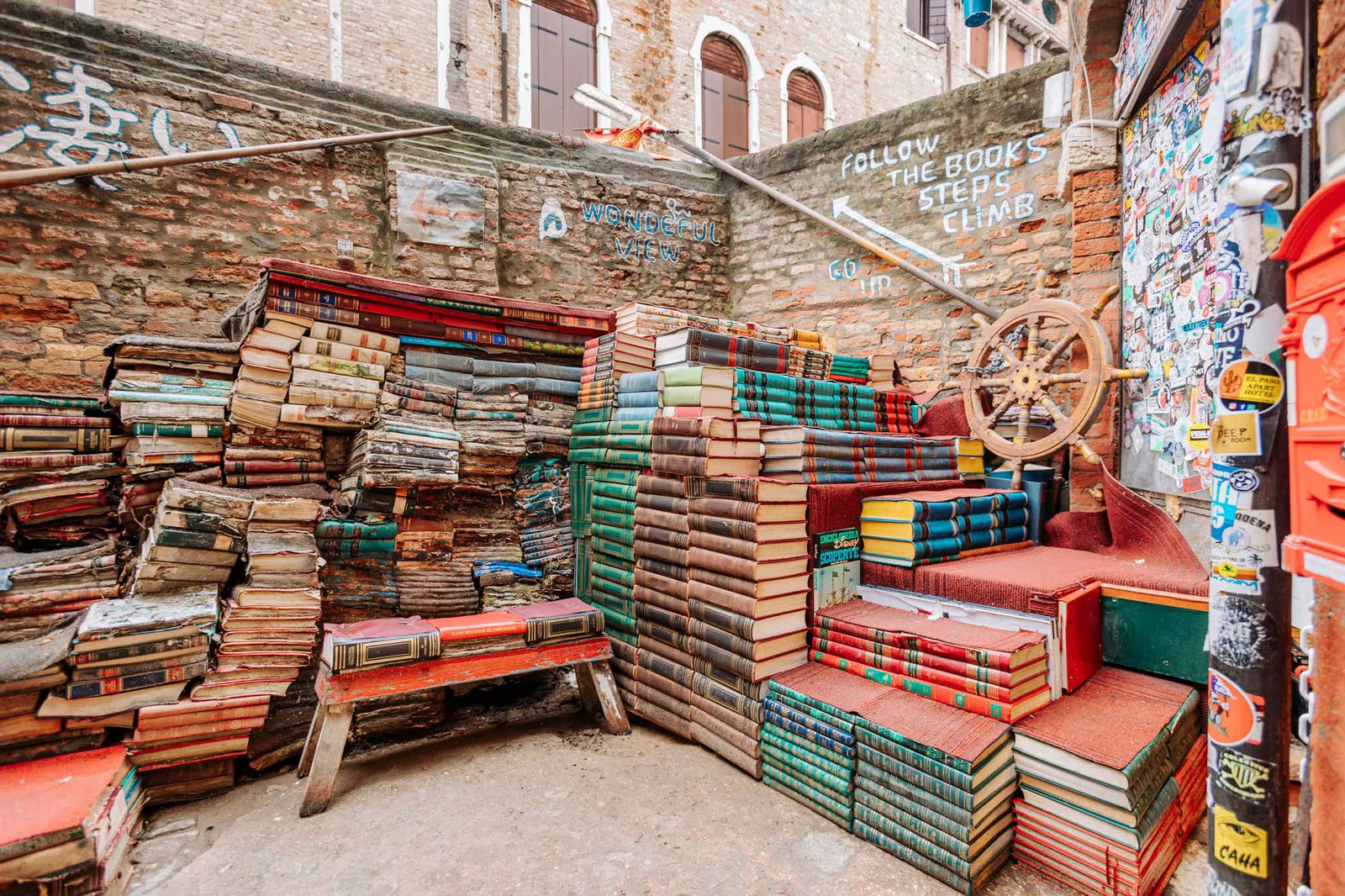
Venice keeps its most photographed bookshop stocked in the back of a real gondola, its stairs built from the paperbacks a flood ruined years ago, and its cat asleep on whatever's closest. A few calli away, Hemingway drank Bellinis while drafting Across the River and Into the Trees, and Byron and Dickens took coffee in salons that still serve it. This is the layer of Venice that survives underneath the day-trip crowds — bookshops with the tide lapping at their doorsills, a cemetery island where Ezra Pound and Joseph Brodsky rest almost unvisited, and a library where the architect let the canal flow straight through the lobby. None of it requires fighting a crowd. Most of it requires only knowing where to walk next.
The shelf everyone photographs, and the shop built for reading
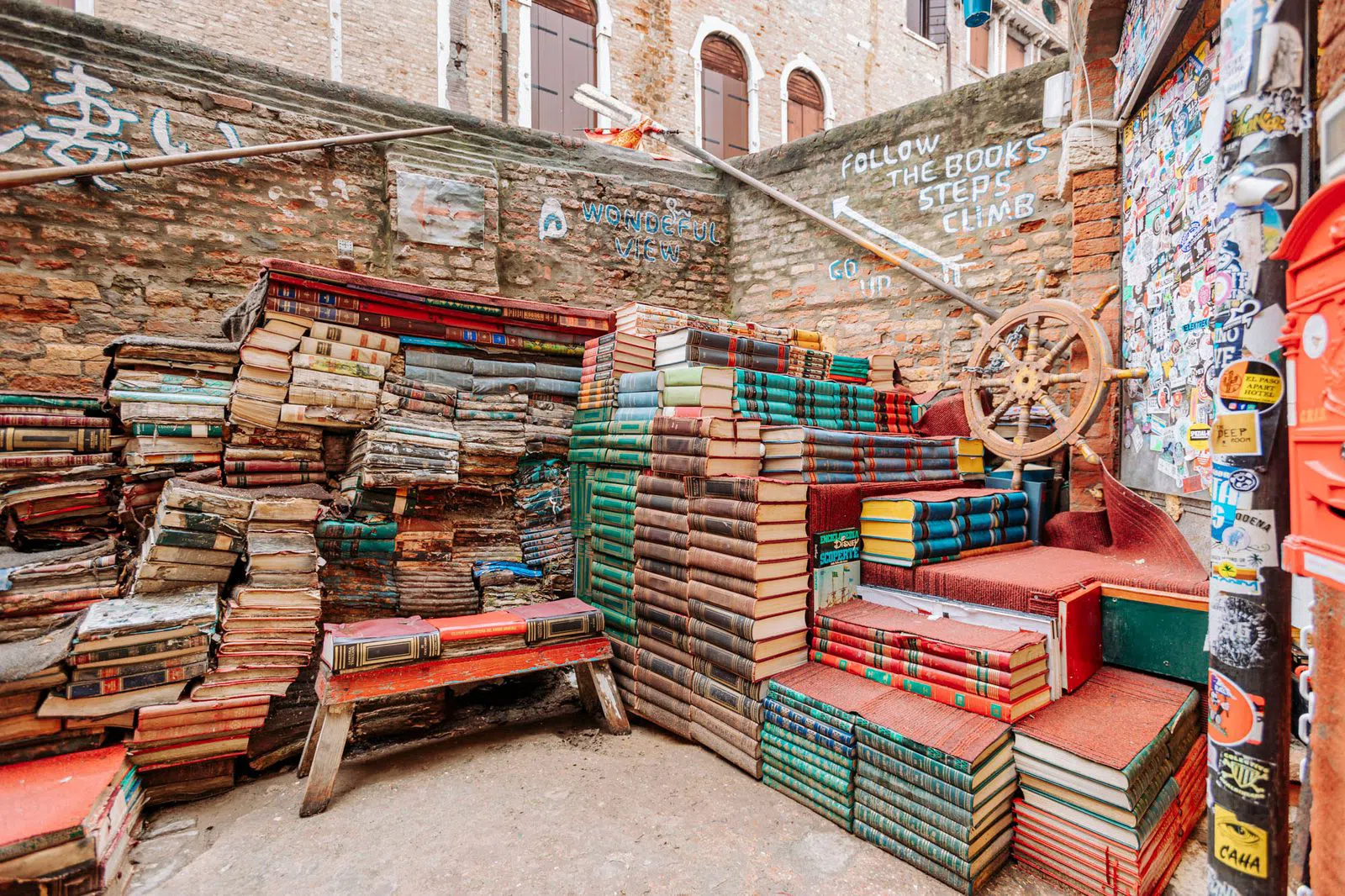
Libreria Acqua Alta (Castello) is the bookshop with a gondola for a bookcase and a stairway built from swollen, ruined paperbacks — the single most photographed interior in Venice, and deservedly so. It's also a genuinely tiny, cramped shop: fine for a couple browsing shoulder to shoulder, bad for anything bigger than four or five people, who will simply bottleneck at the gondola shelf while everyone behind them waits. Go at opening, before the day-trip groups arrive from the cruise terminals and the aisles become a queue rather than a shop. Browsing is free, books start around €5, and it's worth remembering this is a working shop, not a photo backdrop — buy something small on the way out rather than only shooting the stairs.
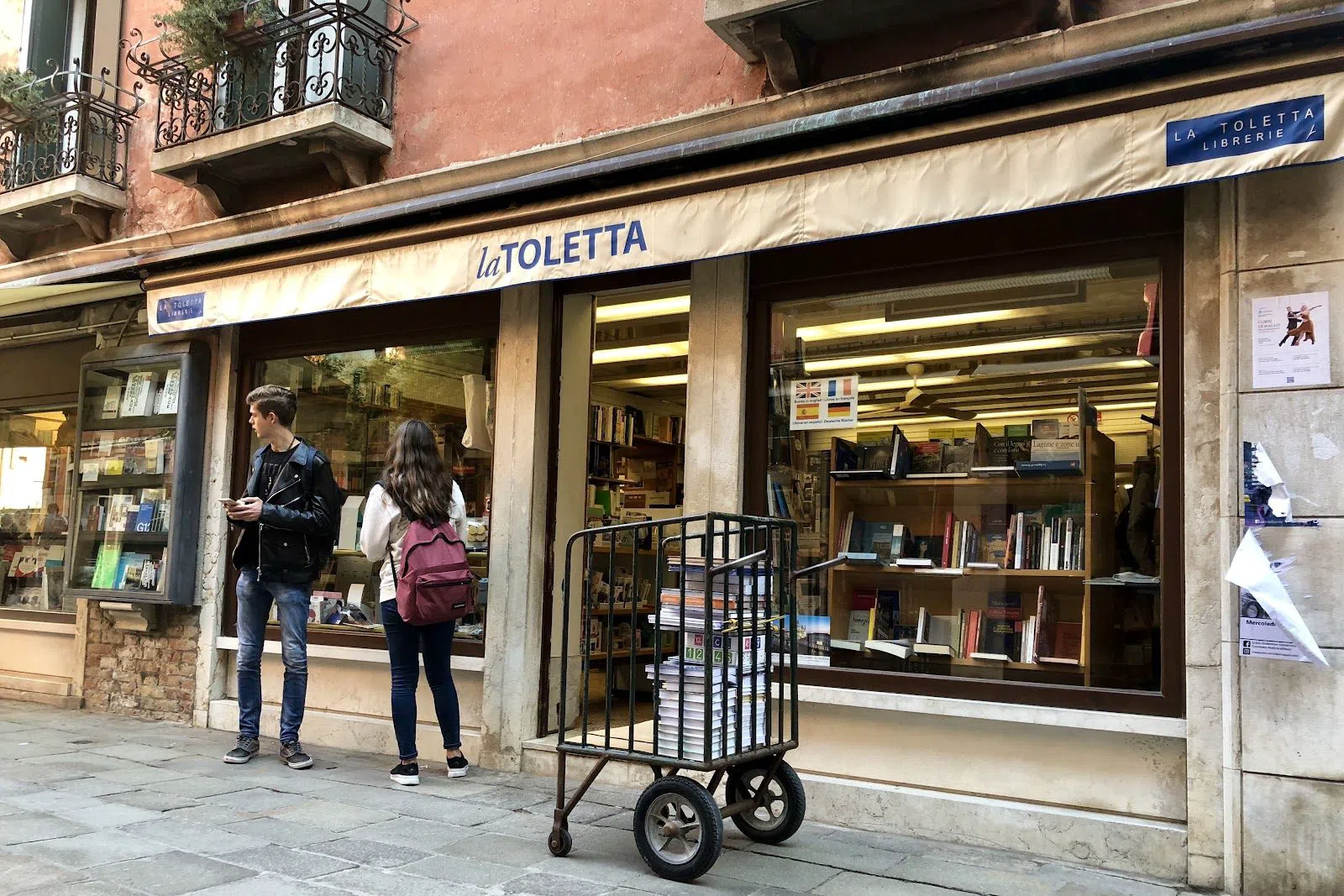
For the quiet alternative, walk on to Libreria Toletta (La Toletta) in Dorsoduro, about 20-25 minutes on foot across the city, or a vaporetto plus a short walk if the legs are tired. Venice's oldest and largest independent, trading continuously since 1933, it's roomy by local standards — small groups can actually browse without gridlock, and it regularly hosts book talks and events rather than just tolerating tourists with cameras. Call it the anti-Instagram bookshop: built for people who read the books rather than photograph the shelves. Browsing is free here too, and there's no queue to beat.
Plan your Venice trip
Live prices from our booking partners.
Free cancellation on many rooms. We may earn a commission when you book.
Scholars, sailors and secondhand: the specialist shelves
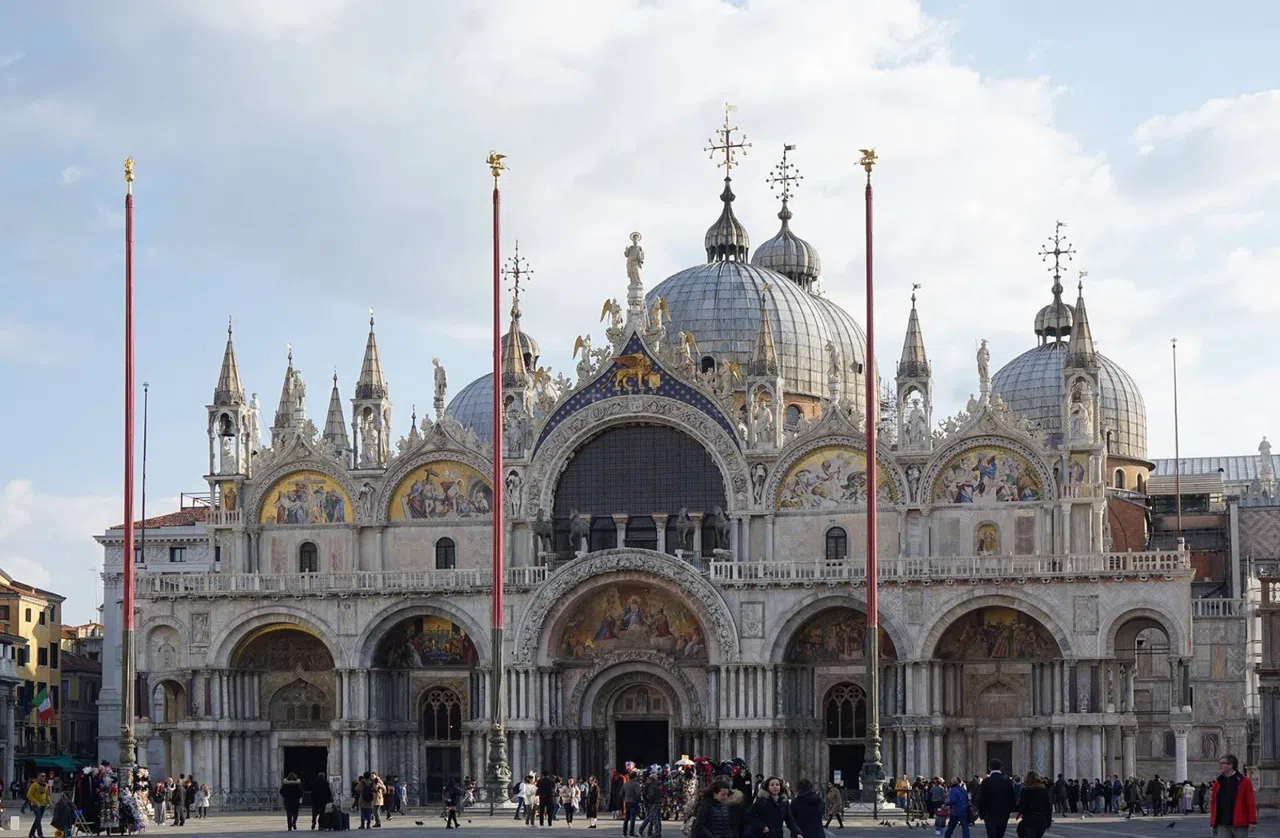
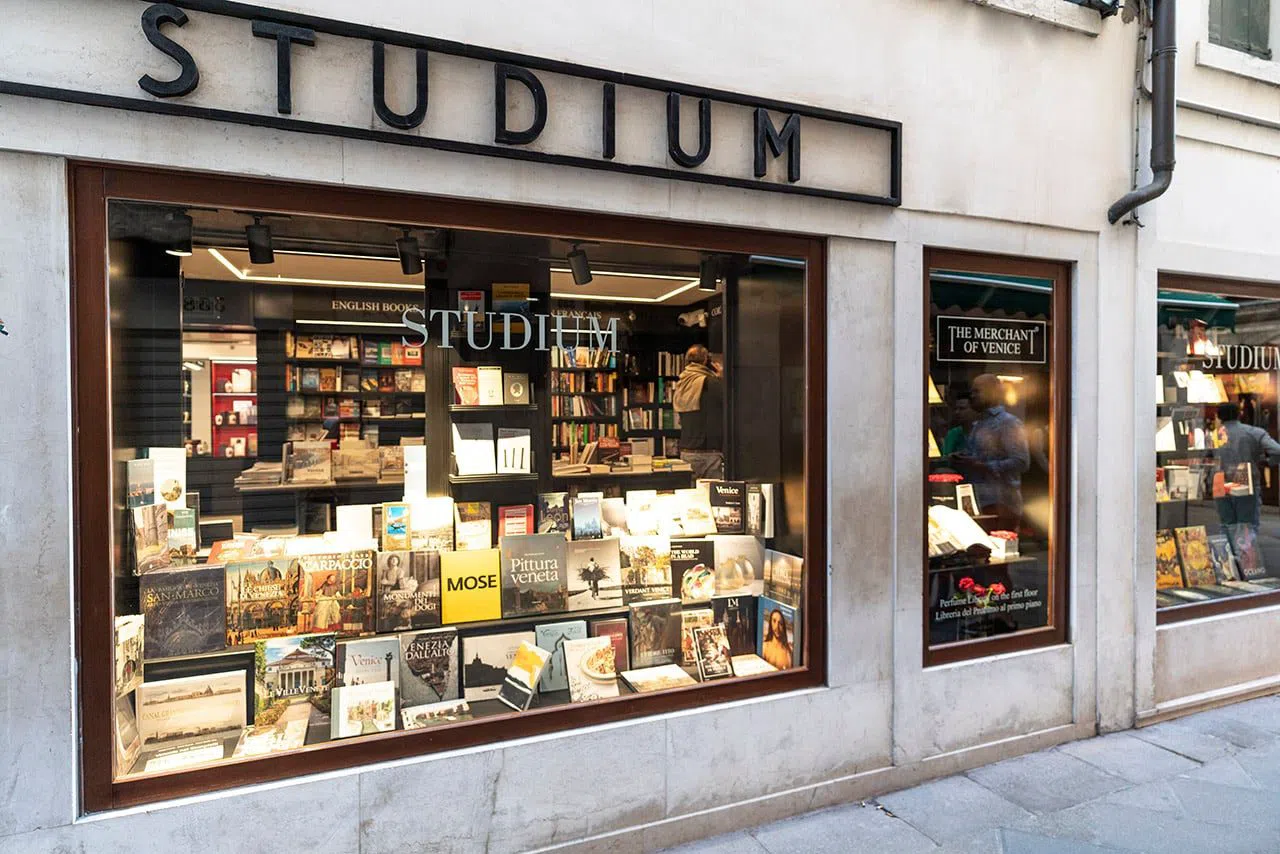
Studium (San Marco, a few minutes from St Mark's Basilica) is a 1949 literary institution that reinvented itself in 2022 as a bookshop-meets-perfumery — you can shop for a Thomas Mann novel and commission a bespoke scent in the same room. The ground floor handles browsing groups without friction; the scent workshops upstairs are strictly small-group, by arrangement, and cost extra on top of the free browsing downstairs. It's an easy add-on if a day's plan already runs through San Marco, rather than a destination to detour for on its own.
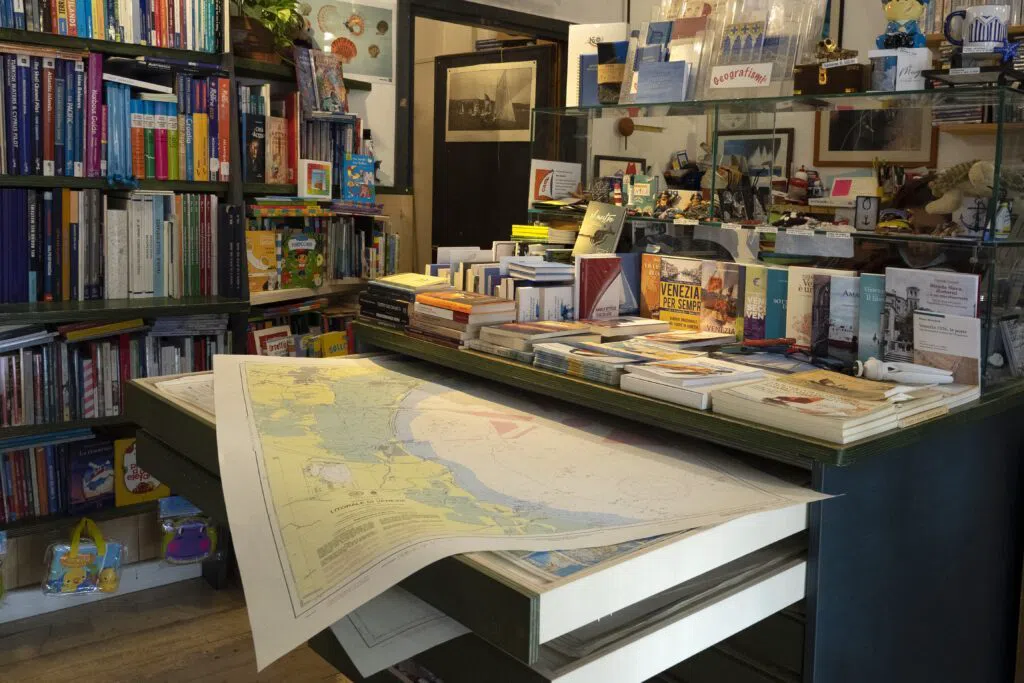
Further into Dorsoduro, Libreria Editrice Mare di Carta is one of only four dedicated nautical bookshops in all of Italy — the working-lagoon flip side of gondola-postcard Venice, stocked with charts, pilot books and maritime history rather than souvenirs. It's small and genuinely specialist: good for one to three people with an actual interest in boats or the lagoon, not a stop to bring a tour group through. Browsing is free; charts and books start around €10.
Near Ca' Foscari, Libreria Editrice Cafoscarina is the university's own co-op bookshop and, in a real sense, where Venice studies itself — stocking the academic scholarship behind every gondola myth the guides repeat outside. It handles small groups passing through comfortably enough, though it isn't set up for a large tour party, and browsing costs nothing.
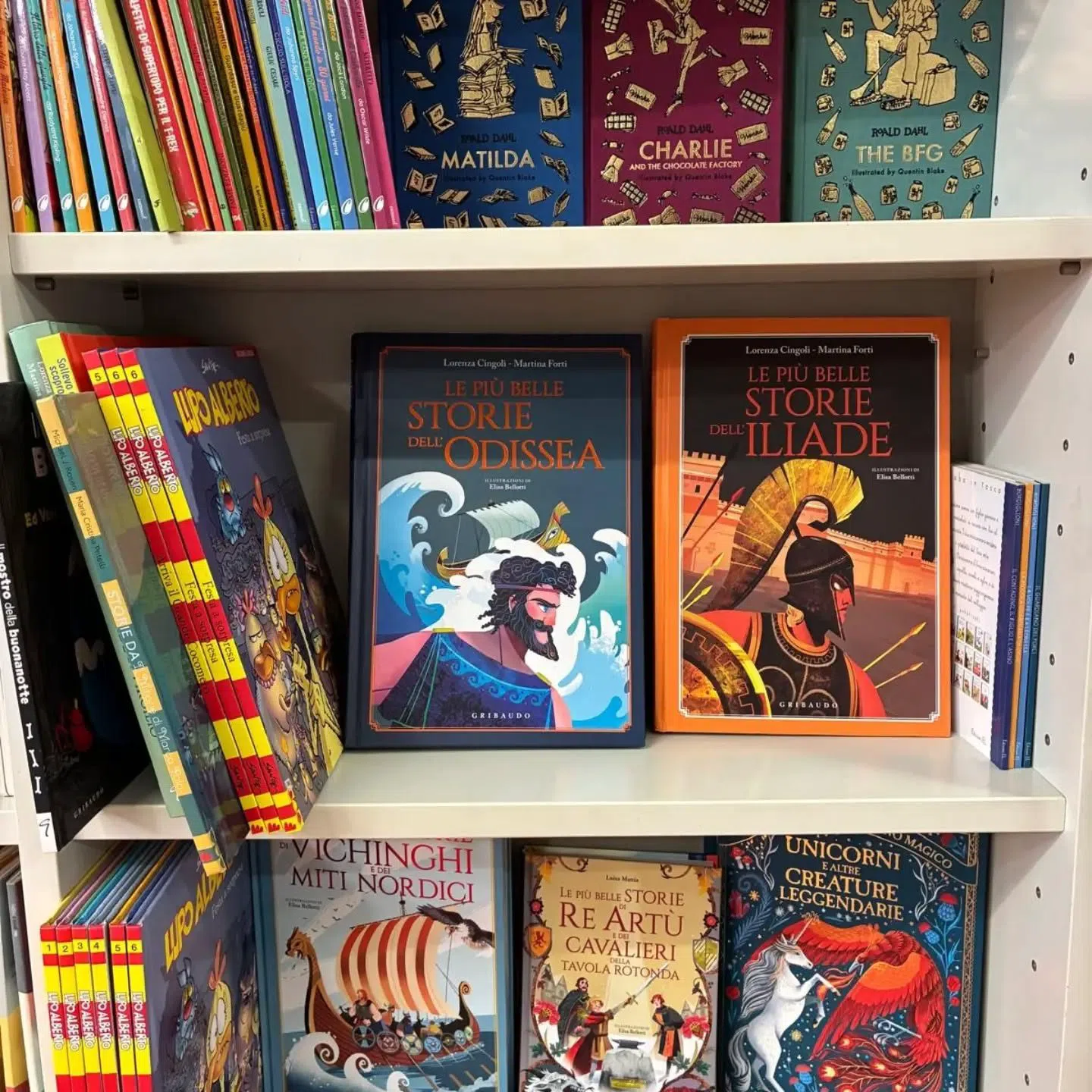
In Dorsoduro's Campo Santa Margherita, a lively student square rather than a tourist one, Libreria MarcoPolo is the neighbourhood's local-and-student bookshop — leftist politics, queer fiction and dystopian classics on the front shelves, open in the open-air campo setting that welcomes browsing groups without the cramped-aisle problem of the more famous shops. Its secondhand annex, tucked behind the main room, is smaller and tighter, better suited to one or two people at a time. This is also, practically speaking, the Venice that exists after the last day-tripper vaporetto has left for the mainland — worth timing for early evening rather than midday.
Rare books and the dealer's table
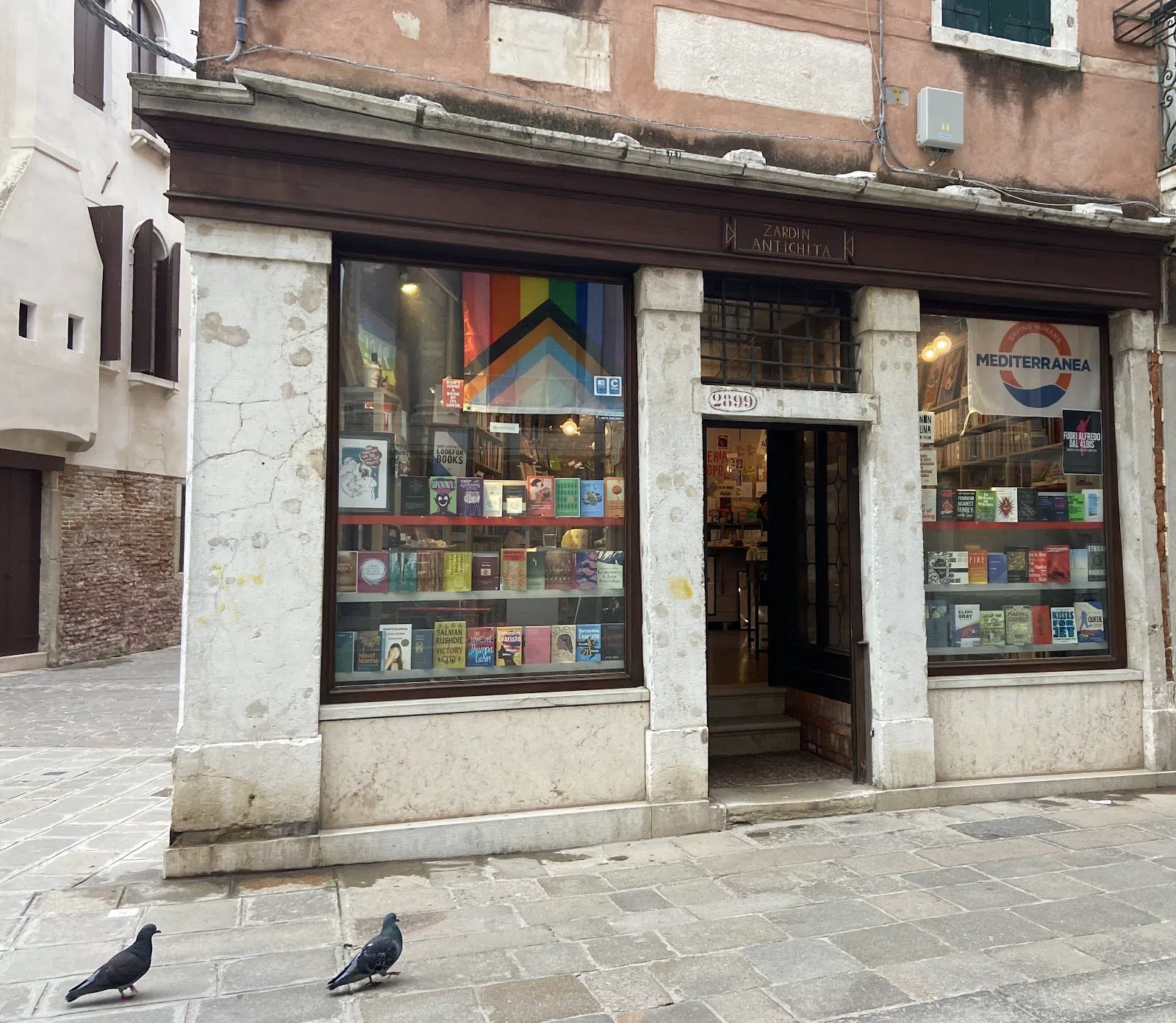
Deeper into San Polo, Libreria Antiquaria Linea d'Acqua is deliberately not a group venue — browsing here is one-on-one with the dealer, and that's the entire point of the shop. This is the Venice that was actually printed: first editions and 18th-century engravings, not the souvenir reproductions sold near the Rialto. Browsing costs nothing, but the stock runs from tens of euros for a modest print to several thousand for a serious first edition, so it rewards a reader who knows roughly what they're after and has the time for an unhurried conversation rather than a quick scan of spines.

Where the writers actually sat
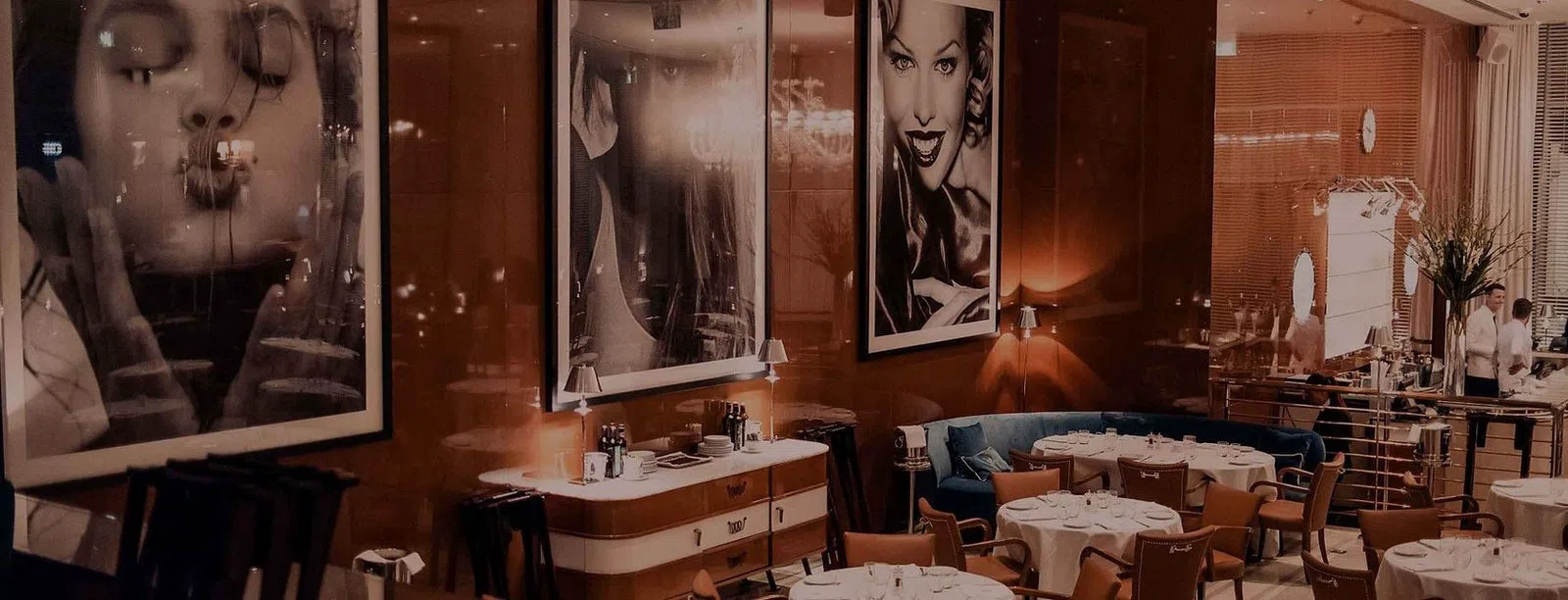
Harry's Bar (San Marco, Calle Vallaresso, a short walk from St Mark's Square) is where Hemingway drank while writing Across the River and Into the Trees, and — pricey and touristy as the reputation suggests — the room and the Bellini are both genuinely his, not a marketing invention layered on afterward. It's a seated, jacket-preferred dining room rather than a standing-bar crowd scene, and it takes reservations for small groups; walking in without one on a busy evening is a gamble. Budget accordingly: a Bellini runs €20 and up, and this is a top-tier price stop by any measure, best treated as one considered drink or meal rather than a bar crawl.
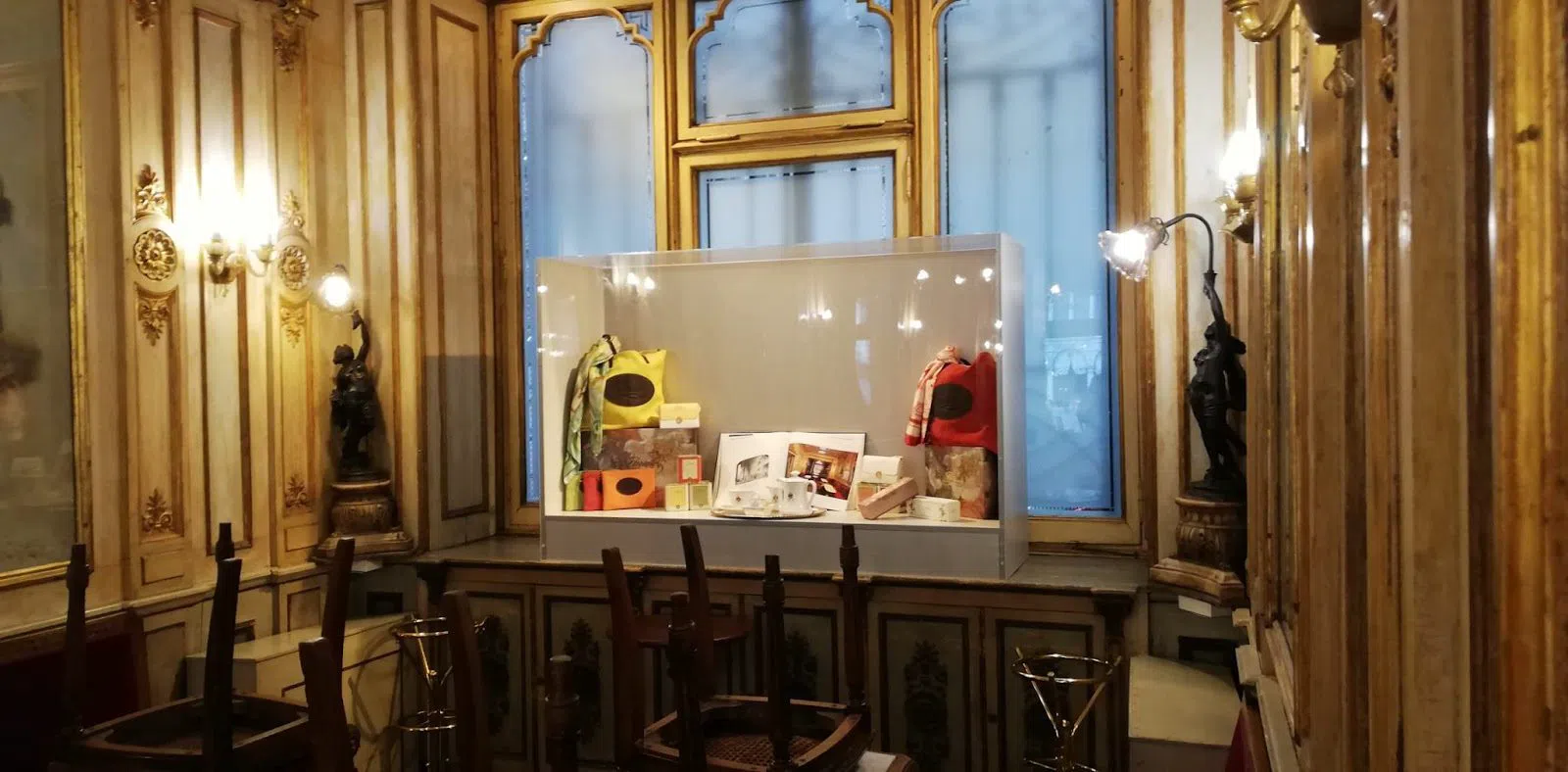
For the grander, more sociable literary room, Caffè Florian in Piazza San Marco has been open continuously since 1720 — through wars and occupations — and counts Byron, Dickens, Proust and Goldoni among the writers who sat at its tables. It handles groups comfortably across several connecting salons, unlike the tighter bookshops earlier in this guide, though sitting outside on the piazza carries a live-music surcharge on top of table service. Coffee runs from roughly €10-15 once that service and music charge are added — a price that buys the chair and the history as much as the espresso, and is worth going into with clear eyes rather than sticker shock at the bill.
The quiet pilgrimage: a cemetery island and a playwright's house
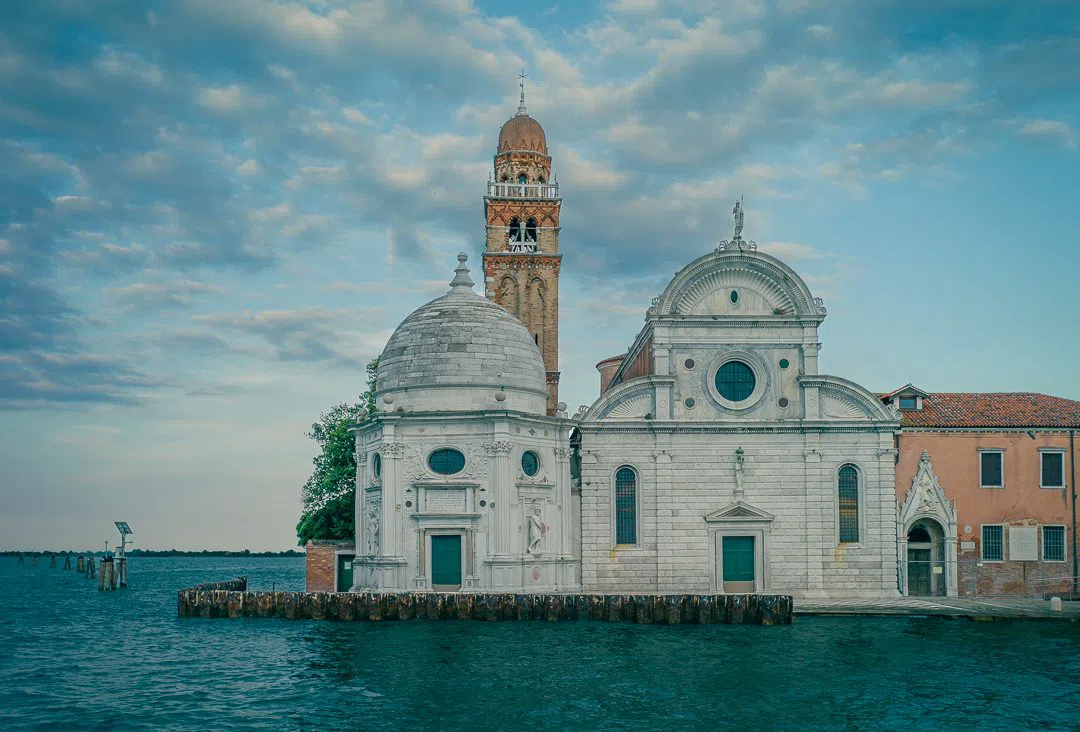
The genuine literary underbelly of this guide's title sits one vaporetto stop from the crowds. Isola di San Michele (reached by vaporetto from Fondamenta Nove, roughly 10 minutes on the water) is Venice's cemetery island, and it holds the graves of Ezra Pound, Joseph Brodsky and Igor Stravinsky — nearly silent, almost never visited by the crowds two stops away in San Marco. Entry is free and open to any group size, but it remains a working cemetery: no picnics, no loud commentary beside graves, and a slower pace than everywhere else on this list. Treat it as the quiet alternative to Florian and Harry's Bar both — the same literary weight, none of the queue or the bill.
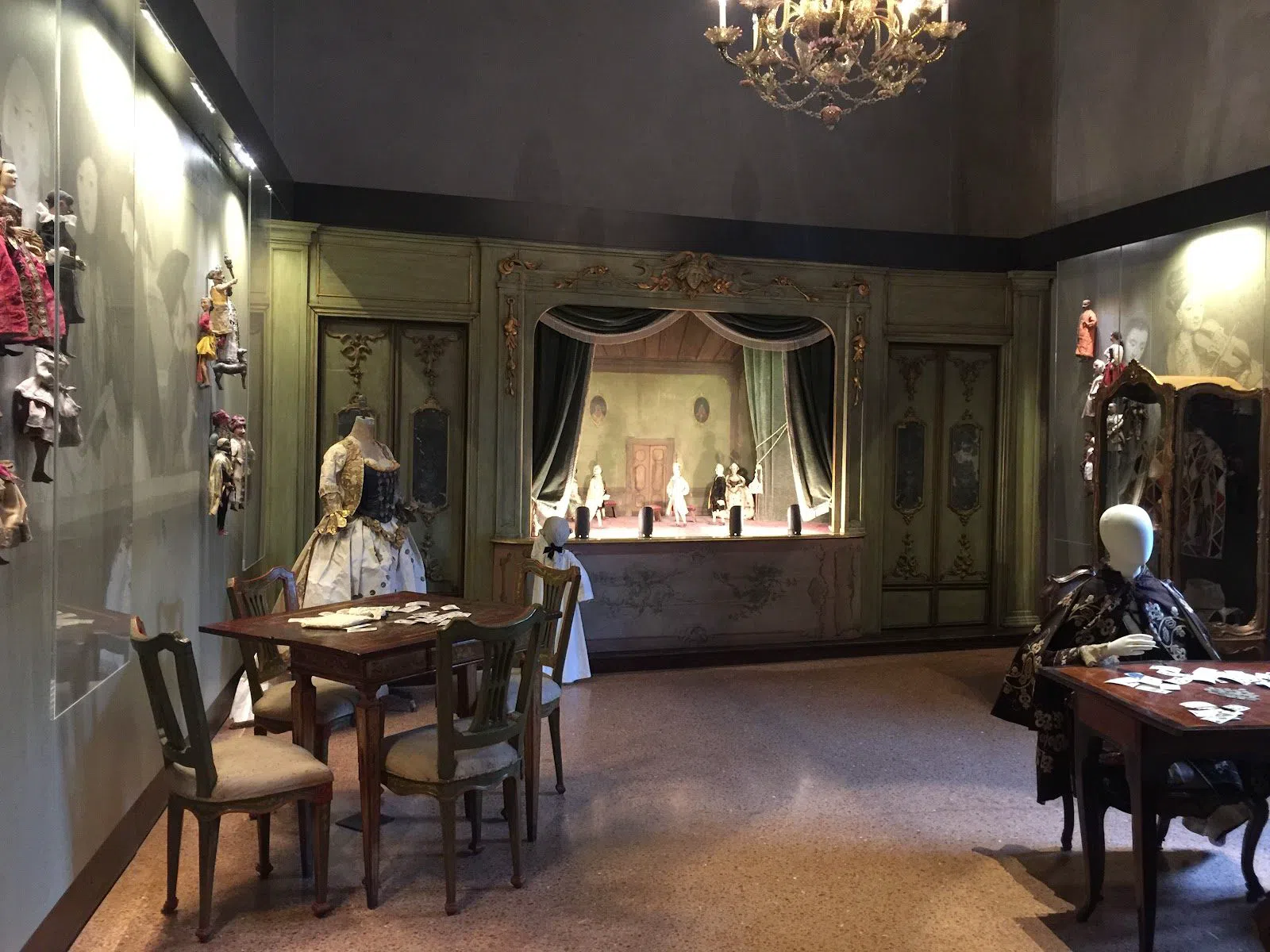
Back on the main islands, in San Polo, Casa di Carlo Goldoni is the birthplace of Venice's great comic playwright, oddly overlooked by visitors queuing two bridges away for the Doge's Palace. It's part of the Civic Museums network, which means it's well set up for group tickets and guided visits despite the light foot traffic — €6 as a standalone ticket, or included in some combined museum passes. Twenty minutes here is a reasonable pairing with a walk through the surrounding San Polo backstreets rather than a full afternoon on its own.
Libraries built into the fabric of the city
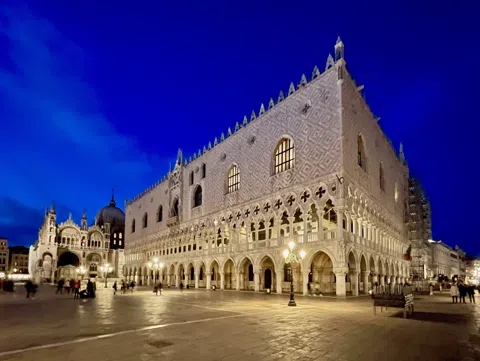
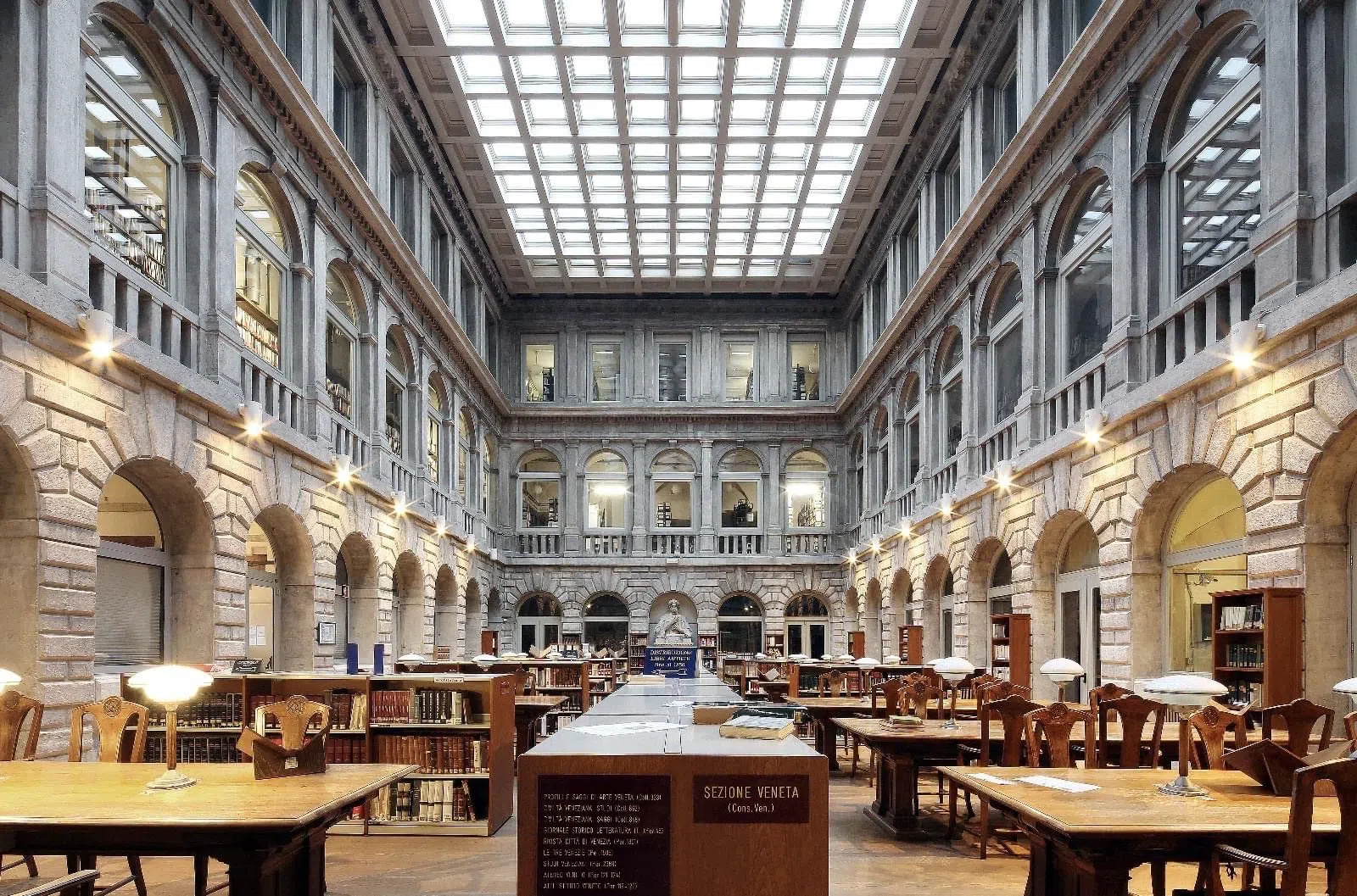
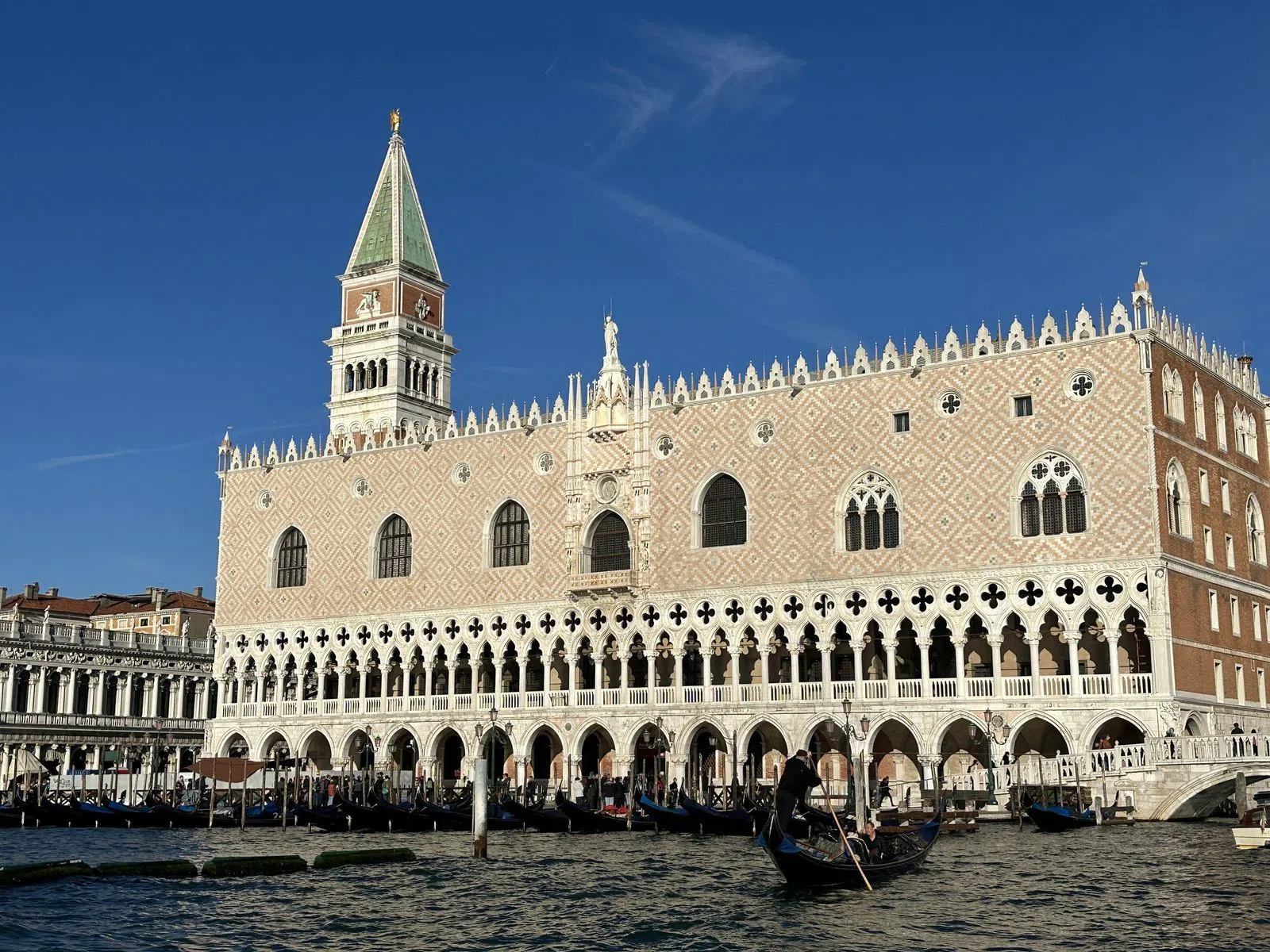
Beside the Doge's Palace, hiding in plain sight while most tourists walk straight past its door, the Biblioteca Nazionale Marciana is one of Europe's great surviving Renaissance libraries. Group entry runs through the combined St Mark's Square Museum Pass (25 and up), and the monumental reading rooms operate on timed access, so this is a stop to slot into a wider Piazza San Marco museum day rather than a standalone visit.
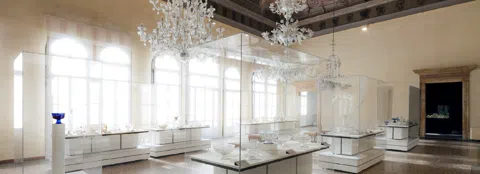
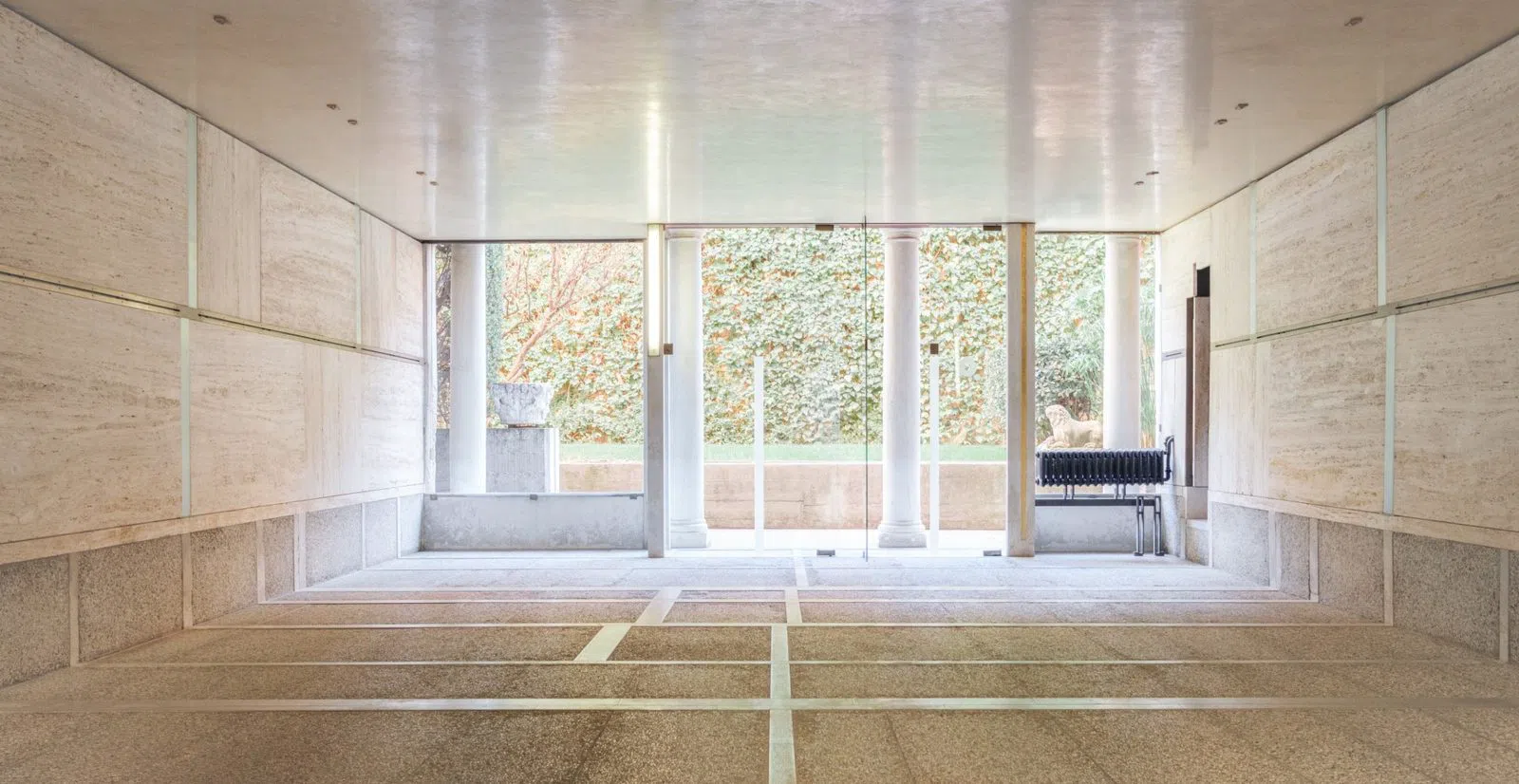
In Castello, near Santa Maria Formosa, Fondazione Querini Stampalia holds 400,000 volumes behind a building where the architect Carlo Scarpa deliberately let the acqua alta in — the canal doesn't just lap at the door here, it flows through the lobby by design. The museum and library run as separate visits: the museum costs around €14, while the library itself is free but needs a quick reader registration first. It's open to groups, and worth the ten-minute walk from Florian or Harry's Bar if the day's route already runs through San Marco toward Castello.
Two detours for readers with an extra afternoon
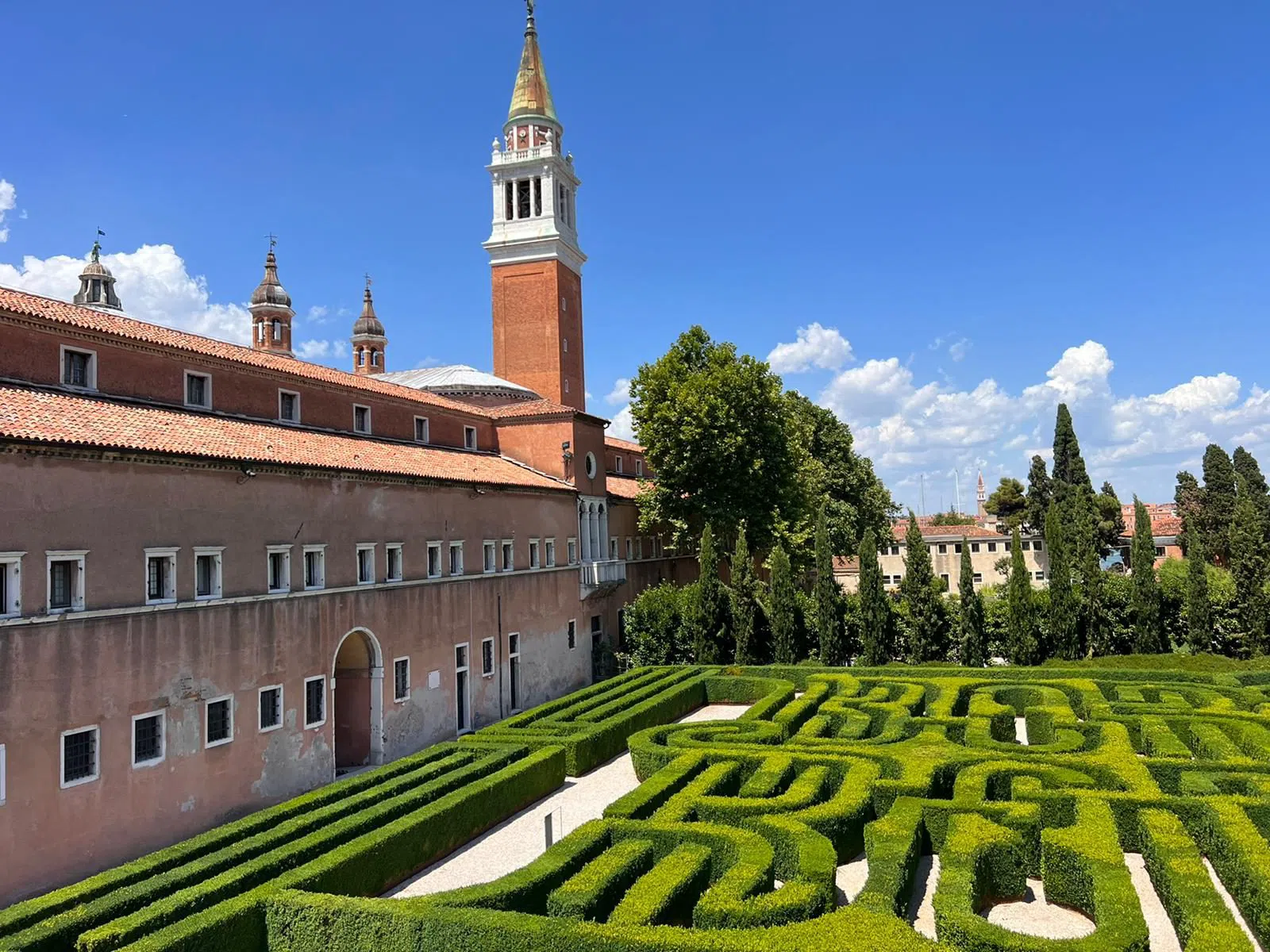
On the island of San Giorgio Maggiore, a five-minute boat ride that almost nobody staying in San Marco bothers to take, the Borges Labyrinth is a maze grown from Borges's The Garden of Forking Paths — a literary monument hiding in plain sight across the water from the crowds. Entry is timed and takes small groups through with an audioguide, around €15, and it's worth booking ahead in peak season rather than turning up and hoping for a slot.
Inside the Doge's Palace itself, the Doge's Palace Secret Itineraries Tour follows Casanova's own escape route — he wrote the definitive escape memoir of this city, and the tour walks his actual cell and the corridors he used, well off the main palace loop that most visitors follow. Groups are small and guided, capped around 20 people, and advance booking is essential; the ticket costs roughly €30-35 but includes entry to both the Doge's Palace and the Correr Museum, so it functions as a half-day out rather than an add-on.
Practical notes
Venice's centro storico is compact enough to cover most of this guide on foot, but distances between sestieri add up: Castello to Dorsoduro is a genuine 25-30 minute walk, so plan the route by neighbourhood rather than by which shop sounds most appealing that hour. San Michele and San Giorgio Maggiore both require a vaporetto — a single ACTV ticket costs €9.50 and covers 75 minutes of travel, while a 24-hour pass (around €25) is worth it on a day that includes both islands plus a few stops on the main routes. Carry some cash: several of the smaller bookshops, including the antiquarian dealers, prefer it for lower-value purchases, though the museums and larger cafés all take cards. Mornings, right at opening, are the only reliable way to see Acqua Alta without a queue; afternoons suit the libraries and museums, which run on timed or registered entry regardless of crowd levels; evenings belong to MarcoPolo's campo and the quieter bookshops, once the day-trip crowds have left on the last mainland-bound trains. A realistic budget for a full day covering several bookshops, one café stop and one paid literary site runs from roughly €40 for a frugal, mostly-free bookshop crawl up to €150 or more if it includes Harry's Bar and the Secret Itineraries Tour. For anyone building a longer stay around this itinerary, the Venice hotel search covers the wider city, and the Venice guide has the rest of what the destination offers beyond its bookshelves.
Before you go
Is Libreria Acqua Alta worth visiting if I only have one morning in Venice?
Yes, but go at opening. It's a genuinely small shop and becomes a bottleneck once day-trip groups arrive later in the morning; browsing is free and books start around 5 euros.
Which Venice bookshop is best for a small group rather than a couple?
Libreria Toletta and Libreria MarcoPolo both handle small groups comfortably. Libreria Acqua Alta, Mare di Carta and the antiquarian Linea d'Acqua are better suited to one or two people at a time.
How do I get to Isola di San Michele to see Ezra Pound's and Joseph Brodsky's graves?
Take the vaporetto from Fondamenta Nove; the crossing takes roughly 10 minutes. Entry is free, but it remains a working cemetery, so keep visits quiet and skip the picnics.
Is Harry's Bar or Caffe Florian better for a literary Bellini or coffee?
Harry's Bar is smaller, seated and jacket-preferred, and takes reservations for small groups, with Bellinis running 20 euros and up. Caffe Florian handles larger groups across its several salons but adds a live-music surcharge for outdoor seating.
Do I need to book ahead for the Doge's Palace Secret Itineraries Tour?
Yes. Groups are capped around 20 people and slots sell out in peak season; the ticket costs roughly 30-35 euros and includes entry to both the Doge's Palace and the Correr Museum.