The Venice issue
First Light in Venice: The Hour the City Keeps for Itself
A calm, stop-by-stop walk through the quiet hour between the first vaporetto and the ten o'clock crowds — with the price, timing and walking distance for every stop.
By Kim SolheimTimed walking routes and the quieter half of the city
Venice keeps one hour for itself. Between the first vaporetto sliding out around five and the day-trippers who arrive off the ten o'clock trains, the narrow calli stand empty, the canals lie flat as poured glass, and the light comes in low and clean across the water. What follows is a sequenced walk through that hour — where to be, when, what it costs, and how far each stop sits from the last — with a quieter option alongside each of the busier ones.
Onto the water before the city wakes
The surest way to see Venice genuinely empty is to be on the water before the boat traffic builds, and the first hour rewards effort more than any other part of the day. Aperture Tours' Venice Dawn Photo Tour (meeting either in San Marco or outside Santa Lucia station in Cannaregio) is built around exactly that window. A lead photographer runs private groups capped at four people for around three hours; the price is €265 for the guide plus €80 for each guest beyond the first, and starts range from 5:00 to 7:30am depending on the season. The guide handles your camera settings, which frees you to look rather than fiddle. It suits a couple or a pair of friends; at four you are at the cap, and larger parties will not fit. If you only want the light and not the tuition, read on — there are cheaper ways to stand in the same empty places.
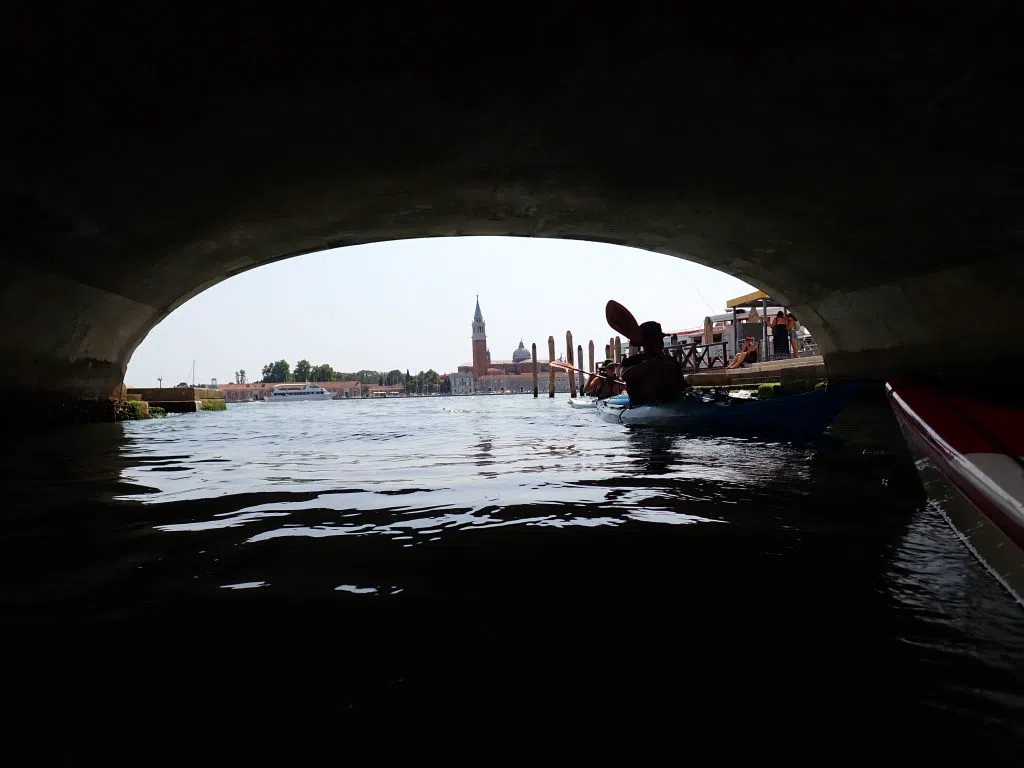
For time on the water under your own effort, Venice Kayak's Sunrise Kayak Tour (launching towards the St Mark's basin) puts you in a tandem kayak at 6am with the basin and the back-canals almost to yourself. It is from €95 per person for one to one-and-a-half hours, runs weekends only, and a private group can be arranged on request; under-18s need an adult sharing their kayak. Be honest with yourself about the risk of a wasted alarm: it can cancel same-day for fog or wind, so keep the morning flexible. The quiet trade-off is real, though — few things in the city are as still as paddling past palace water-doors before the first delivery boat.
Good light in Venice can cost as little as €9.50. ACTV Vaporetto Line 1 along the Grand Canal runs from about 5am, and the palace-lined route that is shoulder-to-shoulder by ten in the morning is yours at dawn. Take the whole Piazzale Roma to Lido run — roughly 45 minutes end to end — and aim for the open-air seats at the stern. A single ticket is €9.50, or use an ACTV day or multi-day pass if you will ride again later. Any group size works; you just board and sit. This is the low-effort, no-booking spine of a Venetian dawn, and it pairs naturally with everything below.
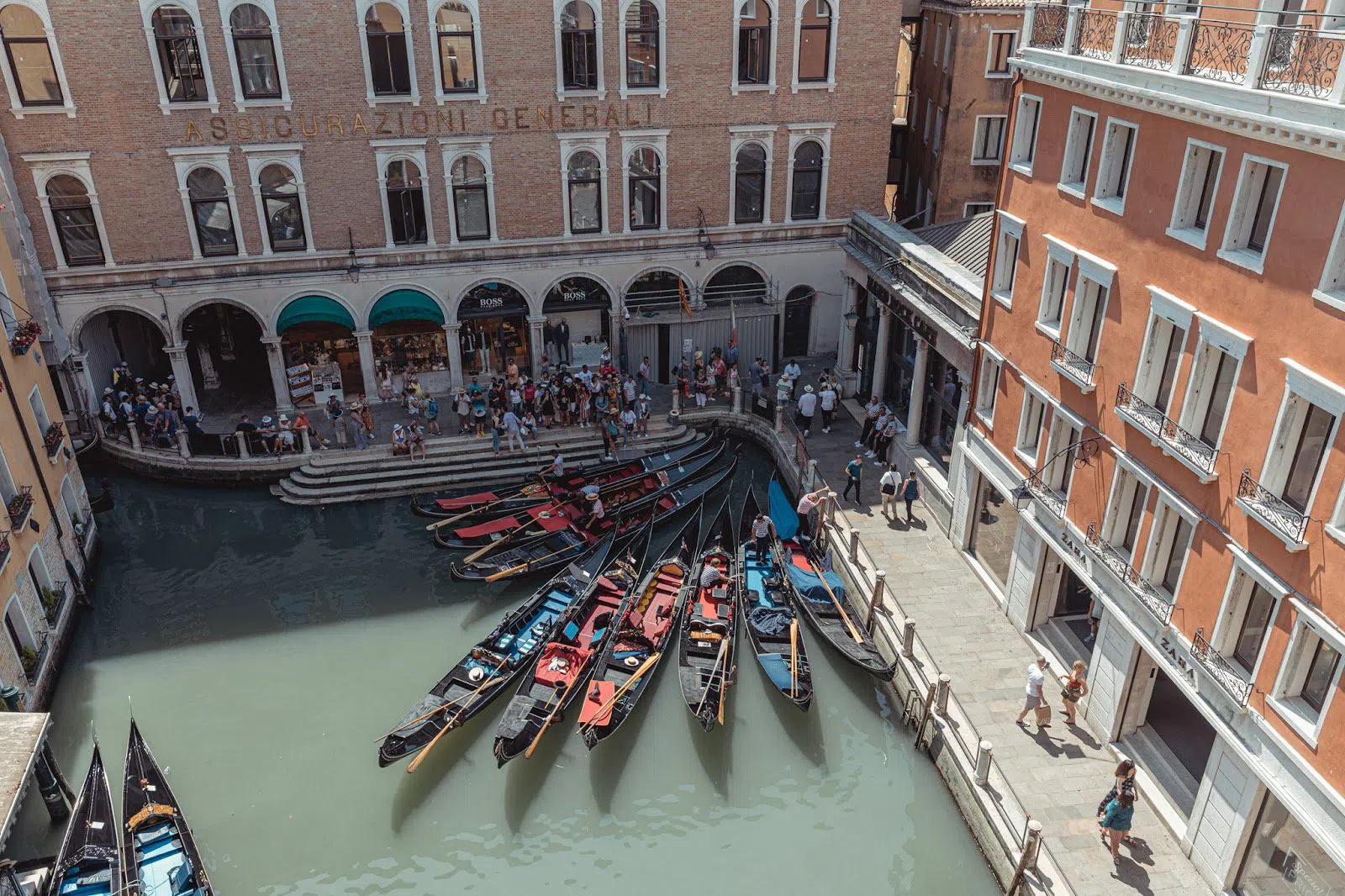
A true sunrise gondola is harder to arrange, because most gondoliers do not start until around nine. But at Bacino Orseolo, the gondola basin tucked directly behind Piazza San Marco in San Marco, going as early as a gondolier will take you means calm, empty canals and soft light instead of the midday convoy. One gondola carries up to five passengers at €90 for about half an hour; a group simply books several boats. Arrive early and ask — the first departure of the day is the one worth having, and it is a two-minute walk from the piazza you will visit next.
Plan your Venice trip
Live prices from our booking partners.
Free cancellation on many rooms. We may earn a commission when you book.
The market hour, and breakfast the Venetian way
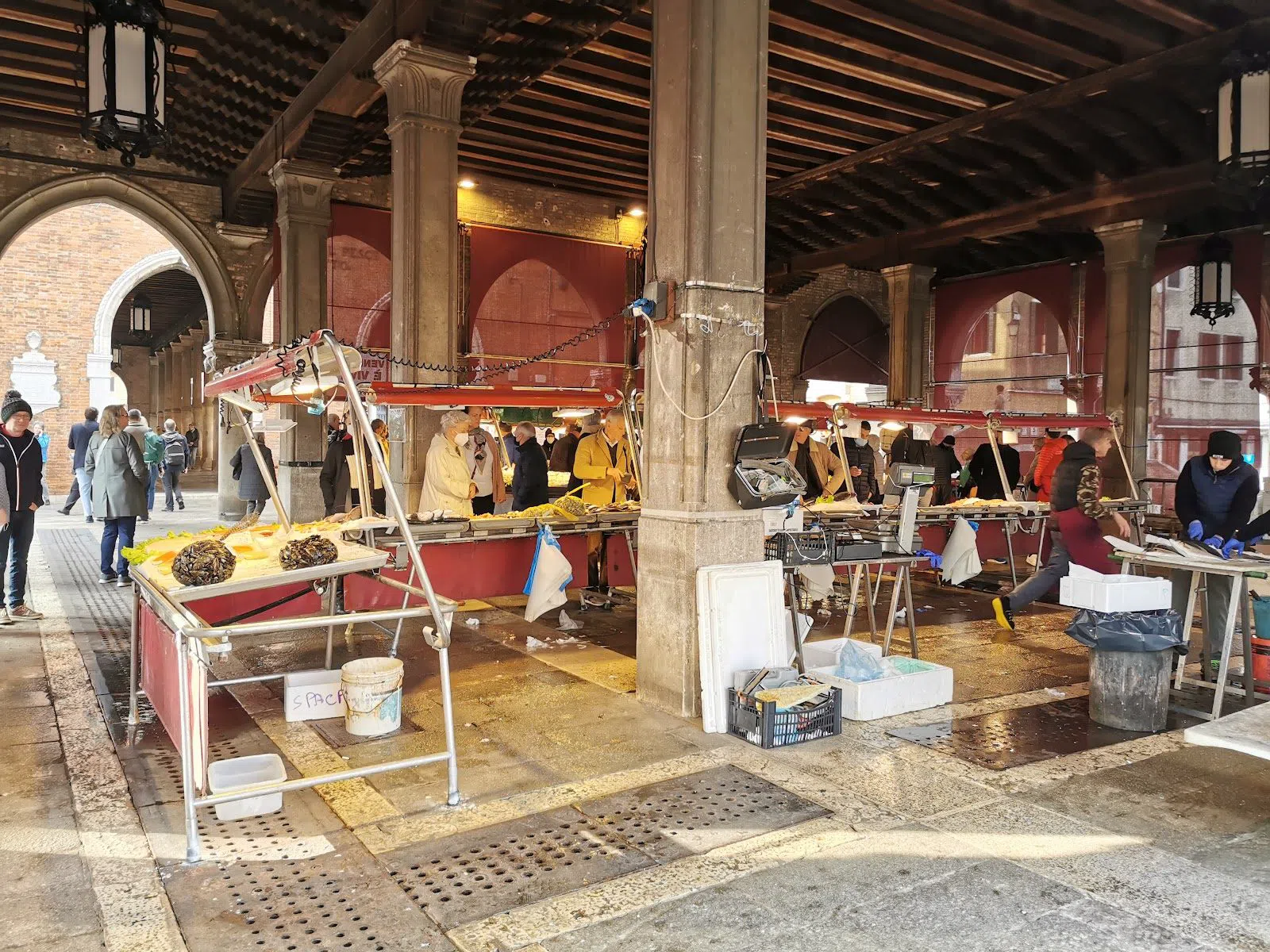
By half past seven the working city is awake at Rialto, and this is where the quiet hour stops being scenery and starts being a place people actually use. The Rialto Fish Market (Pescheria di Rialto) in San Polo is an open-air public market — no booking, no fee, wander as you like — and it is at its liveliest between about 7:30 and 8am, when Venetian cooks and restaurant chefs shop before the day-trippers arrive. The fish trade winds down by noon and the market is closed Sunday and Monday, so a Tuesday-to-Saturday morning is the plan. Come by eight to catch it working rather than packing up. It suits any group; you set your own pace among the stalls.
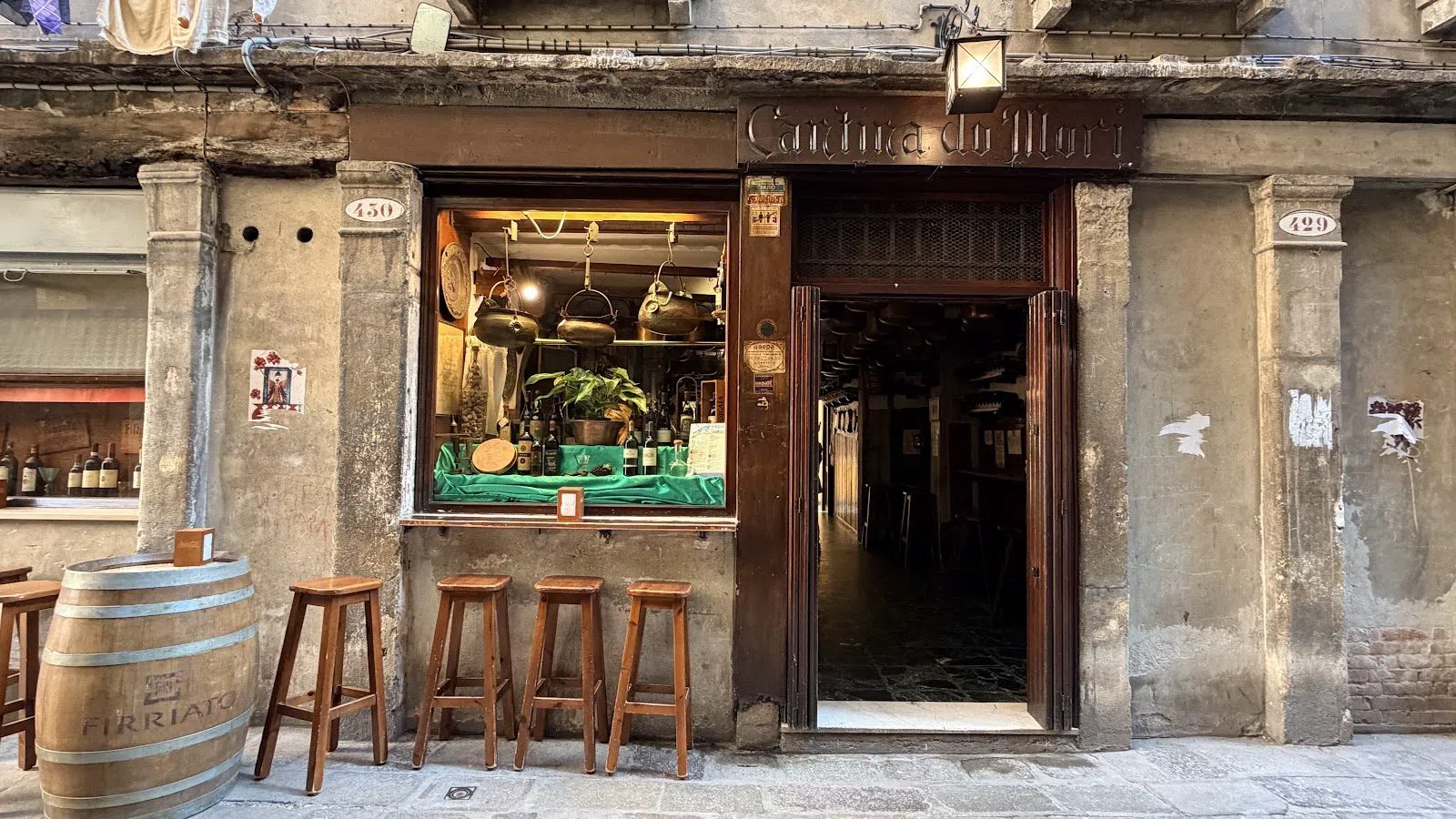
A narrow calle away — under two minutes on foot — is Cantina Do Mori in San Polo, the city's oldest bacaro and open from 8am. This is the market-workers' stop: a standing-only wine bar where an ombra (a small glass of wine) and a cicchetto or two run about €1.50 to €4 each. It is tiny. Two to four people fit comfortably; a larger group will not, and going early sidesteps the after-work crush that fills the doorway later. Order a glass, take a couple of the little bites from the counter, and stand where generations of market traders have stood.
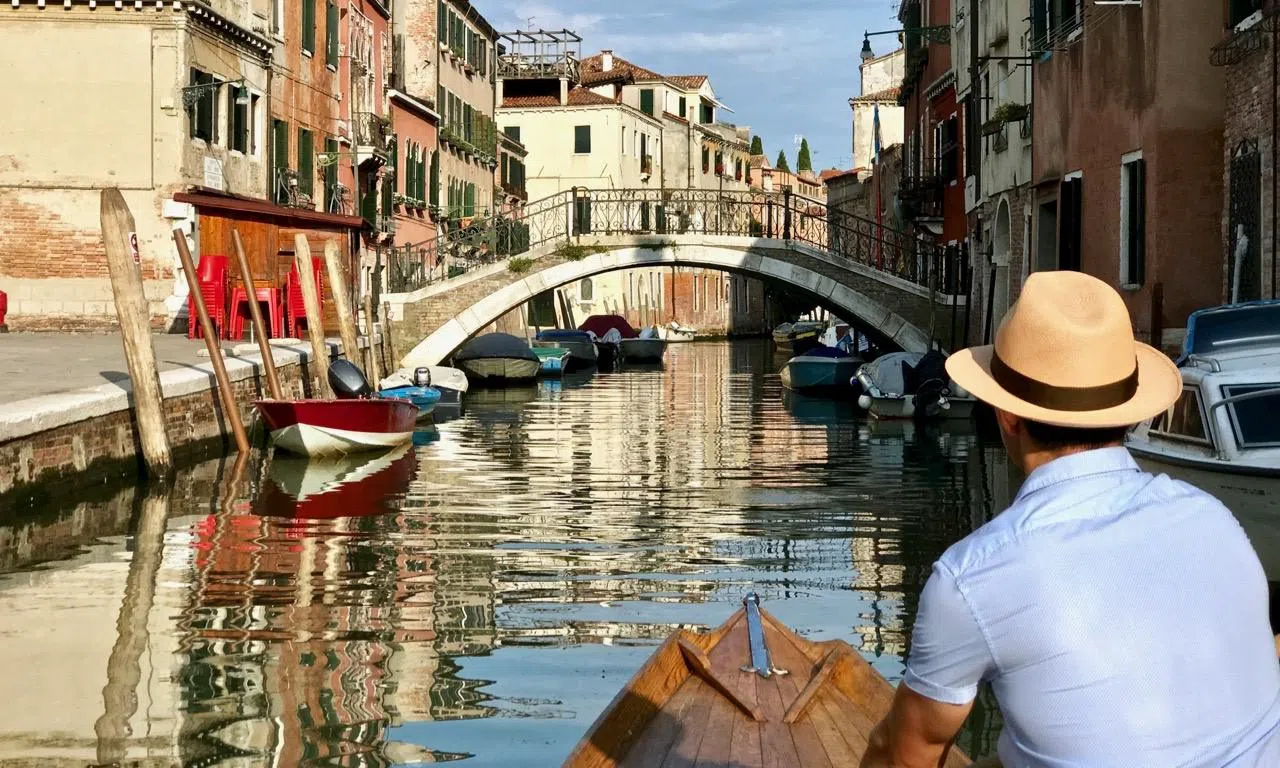
If you would rather do something with your hands than watch, Row Venice runs Voga alla Veneta lessons from Cannaregio, on the quieter northern water near the Sacca della Misericordia. It is a non-profit taught one-to-one and in small boats by expert local vogatrici — the women who row standing, Venetian-style. The earliest slot is 8:30am from April to October, and booking that first departure buys you hushed, low-traffic canals. A four-person boat is €100–150, a five-person boat €220, for about 90 minutes; up to four or five can join depending on the boat, which makes it workable for a small group. Of everything here, it comes closest to teaching how the city actually moves. Row Venice sits a short walk or a single vaporetto hop from the Rialto market, so it slots in after breakfast.
Empty squares and open water
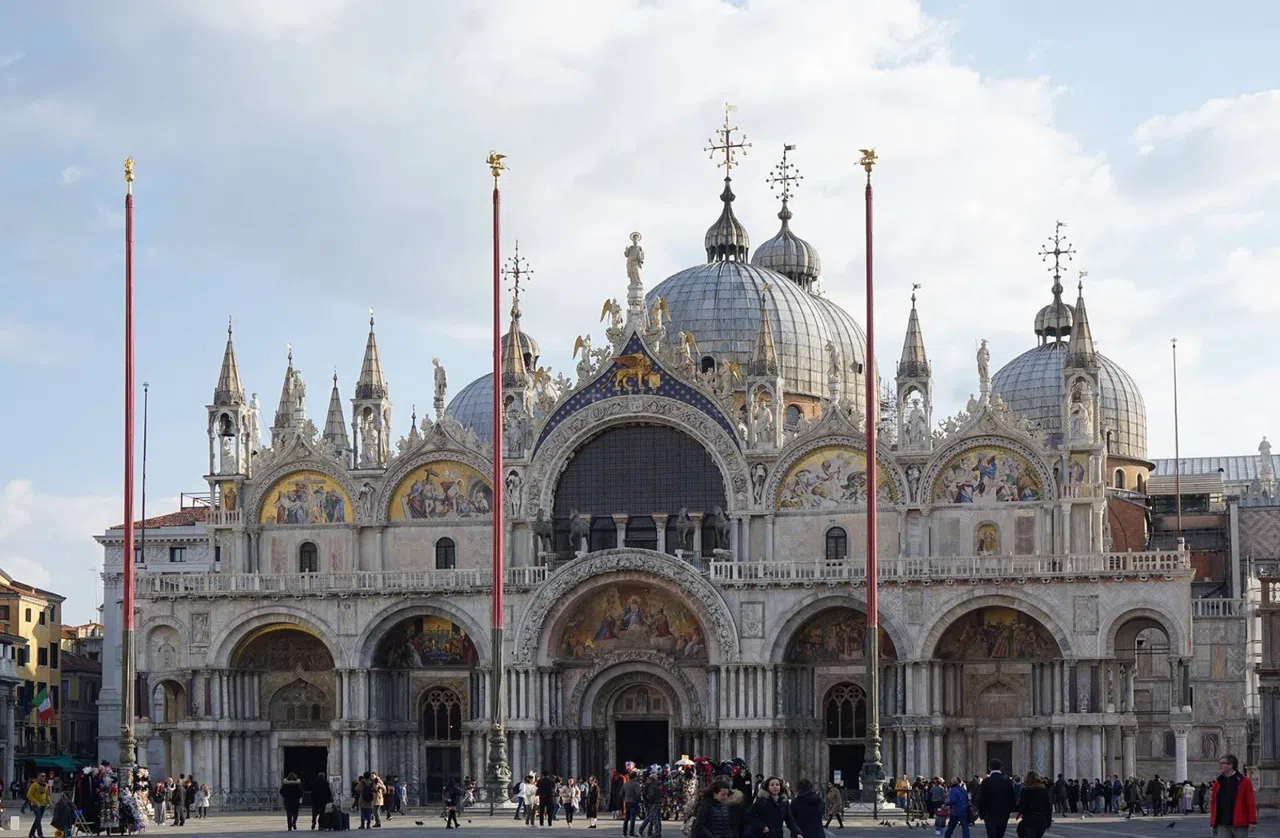
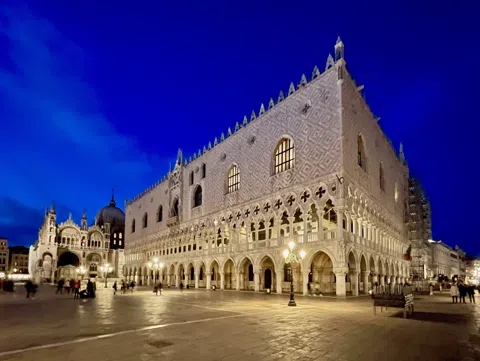
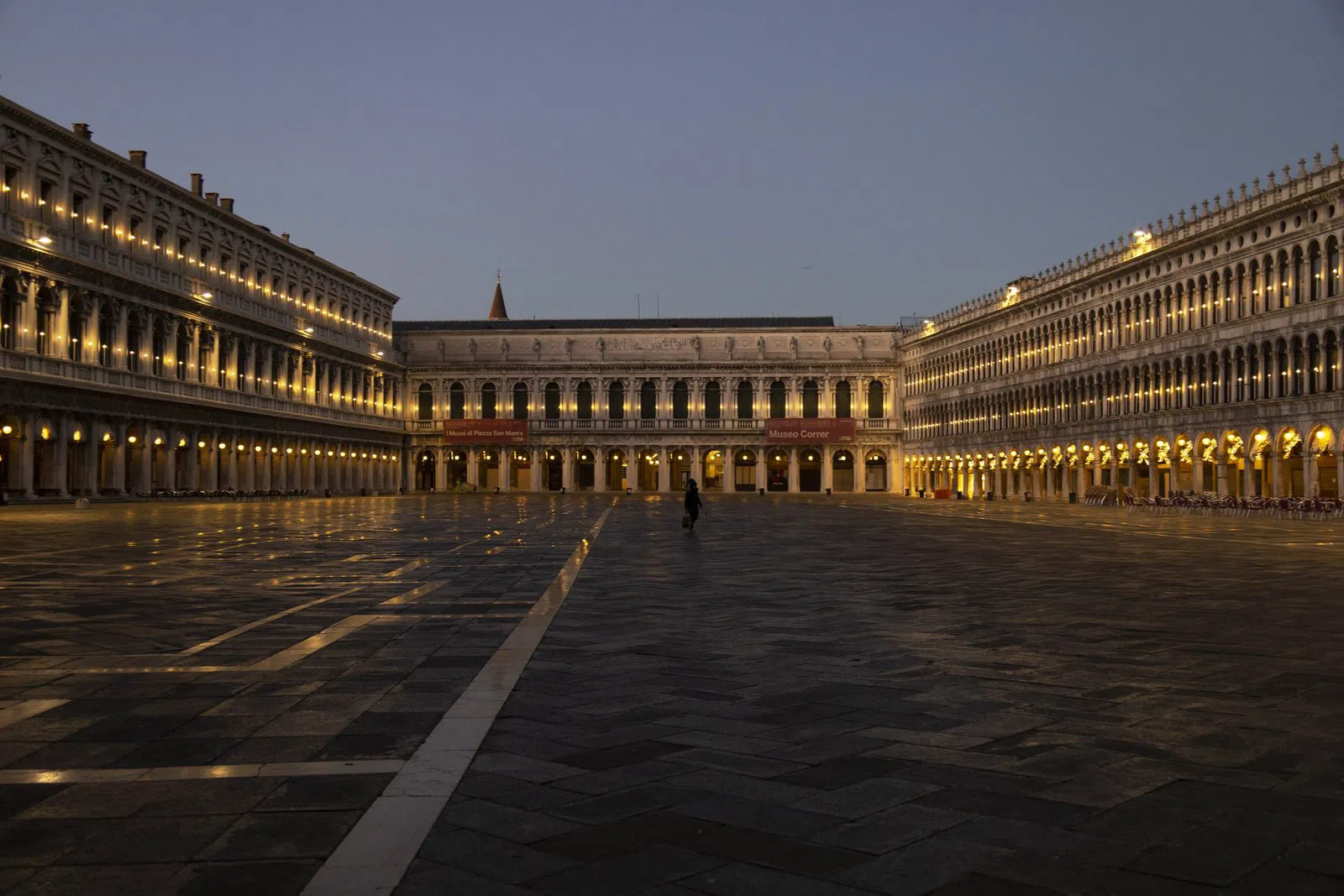
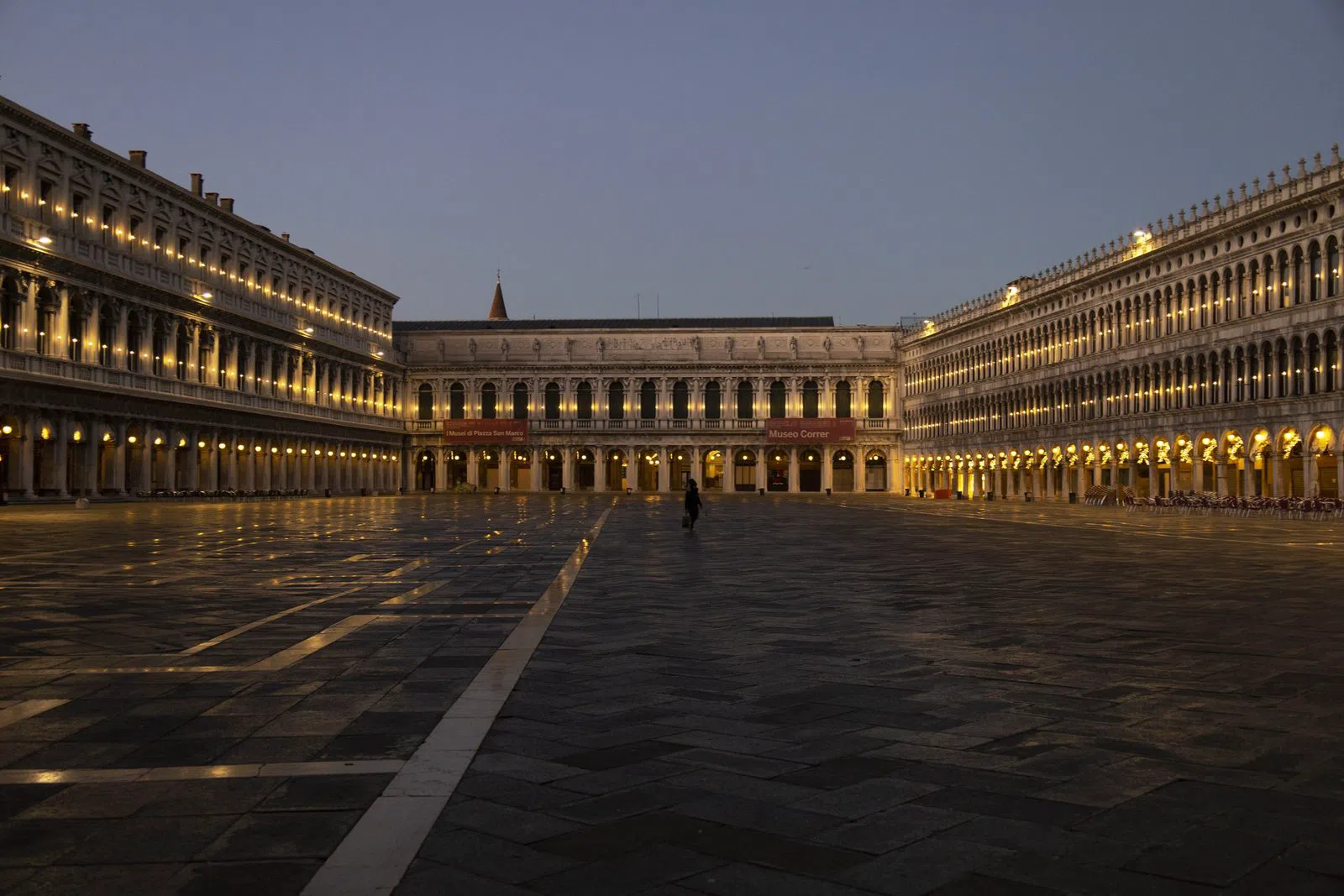
From Rialto it is about a ten-minute walk south to Piazza San Marco, and the reason to go at dawn is simple: the square everyone crowds into by mid-morning is silent and clean-lined before eight. The basilica and café interiors open later, so this stop is about the empty piazza itself — the arcades, the paving, the campanile against a pale sky, all without a queue in sight. It is free, open, and takes any size of group. Photograph it before the first café tables are set out and the light is doing the work for you.
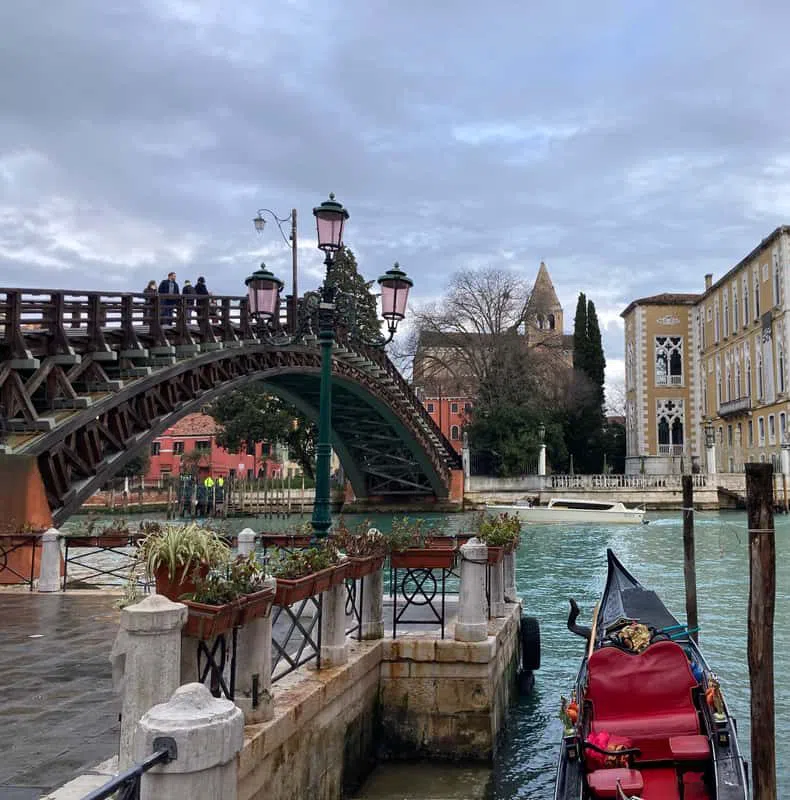
For open water rather than open stone, walk about ten minutes southwest to the Ponte dell'Accademia, the wooden bridge over the Grand Canal between San Marco and Dorsoduro. The view down to the church of the Salute is the one every postcard uses; by day the bridge is crowded, but at first light it is nearly empty. The bridge is narrow underfoot, so if you are a group, spread out and let the odd early commuter pass. It makes a natural high point to finish, or to pause, on a dawn walk.
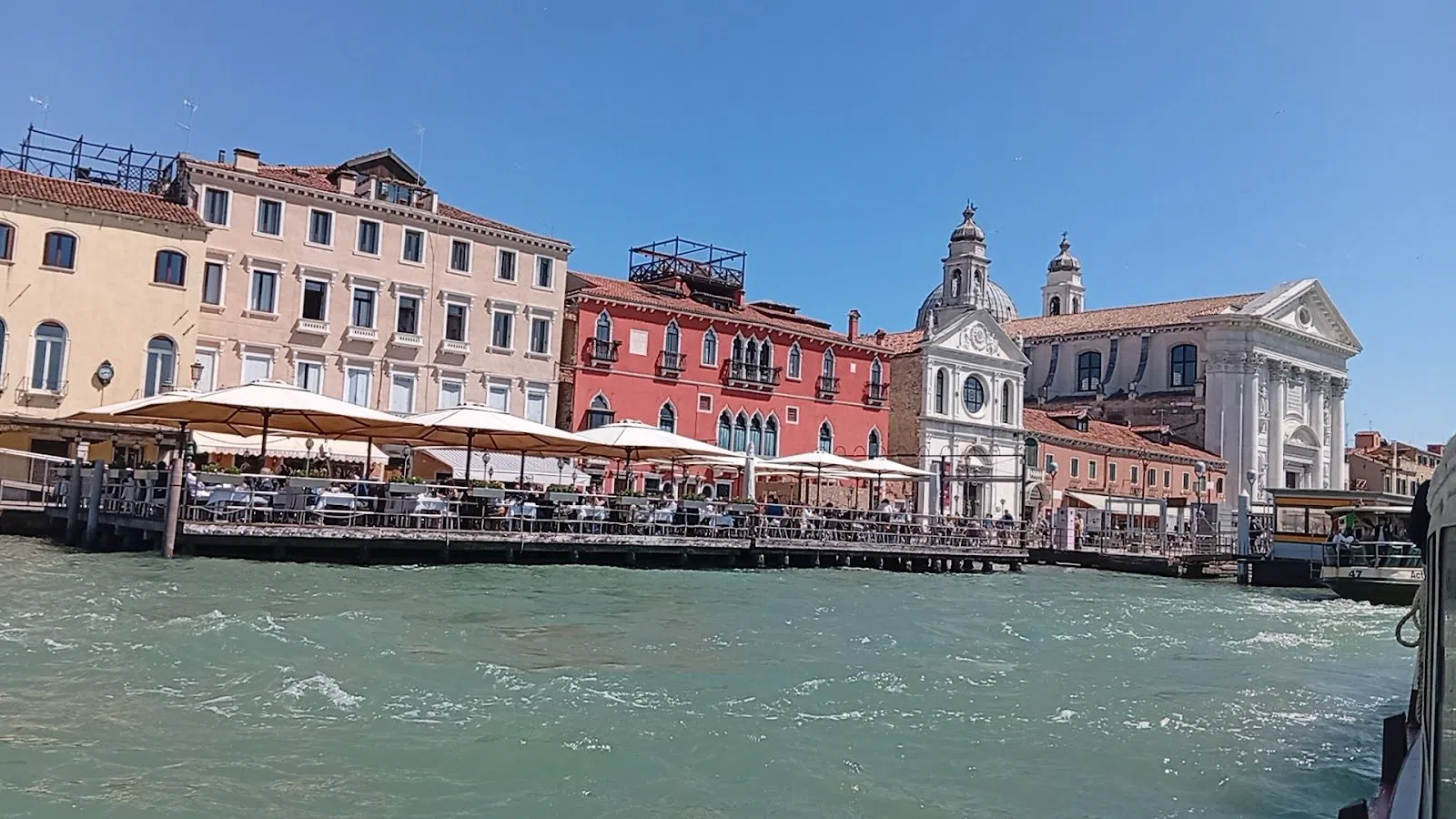
Just beyond it, a five-minute walk into Dorsoduro, the Zattere waterfront promenade (Fondamenta delle Zattere) gives you something rare in Venice: a wide, open quay in a city of tight lanes. It is free and public, good for a slow group stroll or an early run, and quiet at dawn for the light coming across the Giudecca Canal. Several quayside cafés open early for an espresso once you have walked — a fair reward, and a gentler alternative to jostling for a table back in San Marco.
A later climb, when the first light has passed
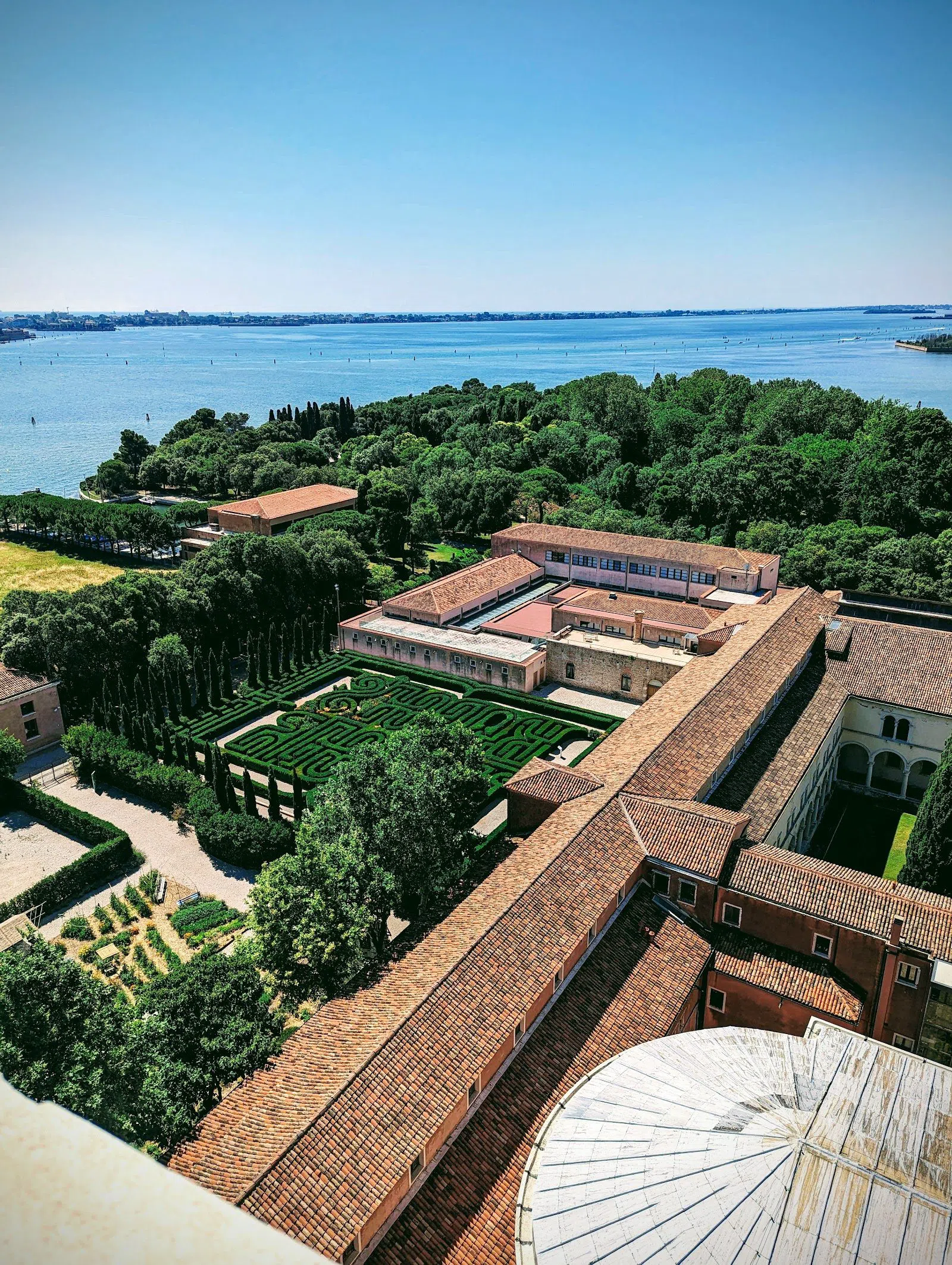
Not every good view is a dawn view. The San Giorgio Maggiore Bell Tower, on its own island across the water from San Marco, opens at 9am from April to October — so it is not true first light, but it is one of the quietest panoramas in the city and it holds its own in soft morning sun. Reach it on the 2 or N vaporetto from San Zaccaria, a crossing of only a few minutes. The tower is €6–8, cash only, and there is no ATM on the island, so bring coins and small notes. The viewing cabin holds only a few people at a time; a small group is fine if you do not mind waiting your turn at the top. Pair it with the earlier dawn stops rather than treating it as the start of the morning.
If you would rather someone else did the planning
For a group that wants the light and the empty streets without building the route themselves, the Venice Early Morning Walking Tour with a Local Guide covers the main sights and the backstreets between 7 and 9am, when the streets are still empty and the light is at its clearest. It runs as small-group or private, comfortably takes a group, and costs roughly €25–45 per person for about two hours. It is the low-effort way to see a good deal of the city before the ten o'clock crowd — a sensible spine for the morning if you would rather follow than navigate.
Practical notes
Getting around. Everything here is walkable or a short vaporetto hop; the city is small, and dawn distances between stops run from two minutes (Rialto market to Cantina Do Mori) to about ten (Rialto to San Marco, San Marco to Accademia). ACTV vaporetti start around 5am — a single is €9.50, and a one-, two- or three-day pass pays off quickly if you will ride the Grand Canal at dawn and cross to San Giorgio later.
Cash. Carry coins and small notes. The San Giorgio tower is cash only with no ATM on the island, and a bacaro like Cantina Do Mori deals in small change for a glass and a bite.
Timing. The window is roughly 5 to 9am. The market works Tuesday to Saturday and thins by noon; Cantina Do Mori and the Rialto stalls open at 8, Row Venice at 8:30, San Giorgio at 9. Weekend-only fixtures — the sunrise kayak — need booking ahead and can cancel same-day for weather, so hold the morning loosely.
Budget. A dawn here can cost almost nothing — €9.50 for the Grand Canal by vaporetto, a few euros for wine and cicchetti, and free hours in the squares and along the Zattere. Or it can be a set-piece: €265 and up for the private photo tour, €90 a gondola, €95 a head on the water by kayak. Most mornings sit somewhere between, and the quiet is the same price for everyone.
Sort where you are sleeping before you plan the alarm — a room near San Marco, Rialto or Dorsoduro puts these stops within a short pre-dawn walk. Start with a Venice hotel search, and for the rest of the day once the city fills up, the Venice guide picks up where this hour leaves off.
Before you go
What time does Venice actually get quiet in the morning?
The calm window runs roughly 5 to 9am. Vaporetti start around 5am, the Rialto fish market and Cantina Do Mori open at 8, and most squares and canals stay near-empty until the day-trippers arrive around ten.
Can I take a gondola ride at sunrise?
True sunrise slots are rare — most gondoliers begin around 9am. At Bacino Orseolo, behind Piazza San Marco, you can go as early as a gondolier will take you for calm, empty canals. It is €90 per gondola (up to five passengers) for about 30 minutes.
Which dawn activities cost the least?
ACTV Vaporetto Line 1 along the Grand Canal is €9.50 for a single, and Piazza San Marco, the Ponte dell'Accademia and the Zattere promenade are free. A glass and a cicchetto at Cantina Do Mori runs about €1.50 to €4.
Is the Rialto fish market open every day?
No. The Pescheria di Rialto trades Tuesday to Saturday and is closed Sunday and Monday. It is liveliest between about 7:30 and 8am and winds down by noon, so arrive by eight.
Do I need to book these dawn activities in advance?
The tours do — the dawn photo tour, sunrise kayak and Row Venice lesson should be booked ahead, and the weekend-only kayak can cancel same-day for fog or wind. The market, the squares, the Zattere and the vaporetto need no booking at all.