The Venice issue
Beyond the Grand Canal: A Local's Map of Venice's Hidden Waterways and Quiet Courtyards
A calm, walkable route through Venice's back canals, working boatyards and vine-shaded courtyards — with the times, prices and quiet alternatives you actually need to plan the days.
By Kim SolheimTimed walking routes and the quieter half of the city
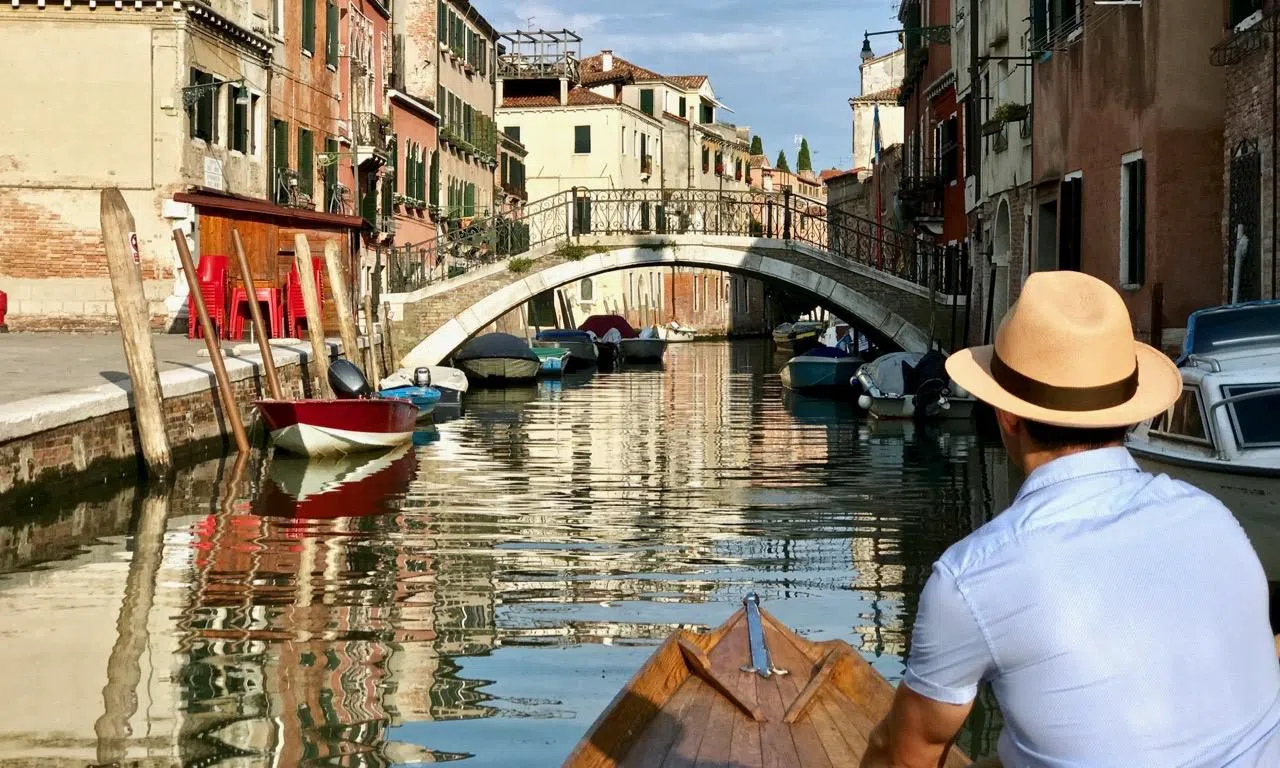
The Grand Canal does its work in the first hour: you arrive, you gasp, you take the photograph. What keeps people coming back is everything set one turning away from it — a railing-less bridge over a green rio, a boatyard still shaping gondolas by eye, a cloister where the only sound is your own footsteps. This is a route through that quieter Venice, sequenced so you can walk it in an unhurried two or three days, with the cost, the timing and the honest door realities of each stop laid out before you go.
On the water: the honest alternative to a gondola
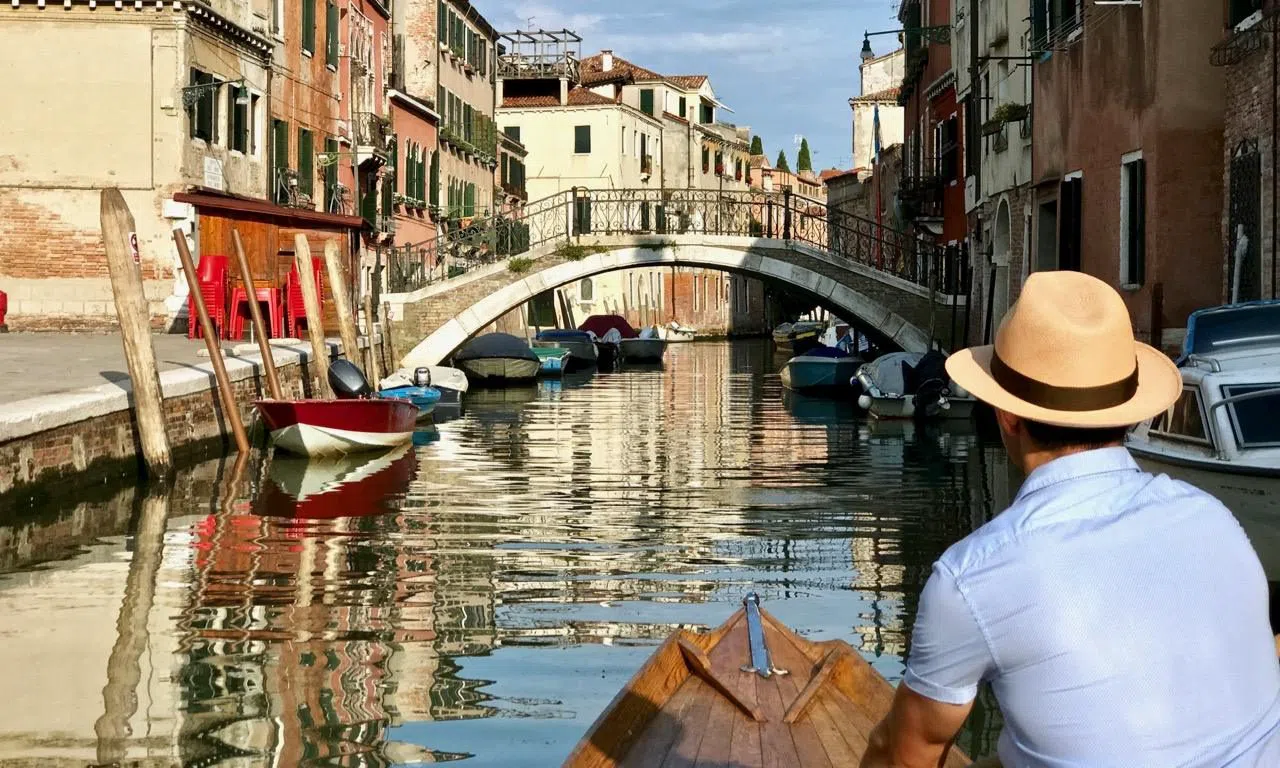
The fastest way to understand Venice is to stop looking at the water and get onto it. Skip the gondola queue and start with Row Venice (Cannaregio), which teaches you to stand and row a batela the way Venetians have for centuries, gliding down the quiet canals north of the Strada Nova with champion rowers correcting your stroke. Lessons are private and last 90 minutes — from €100 for two people up to €220 for a five-person boat — so a family or a small group of friends fits in one hull, while larger parties are split across separate boats and start times. Slots are genuinely few; book several weeks ahead, and treat it as the anchor you plan a morning around rather than a walk-in.
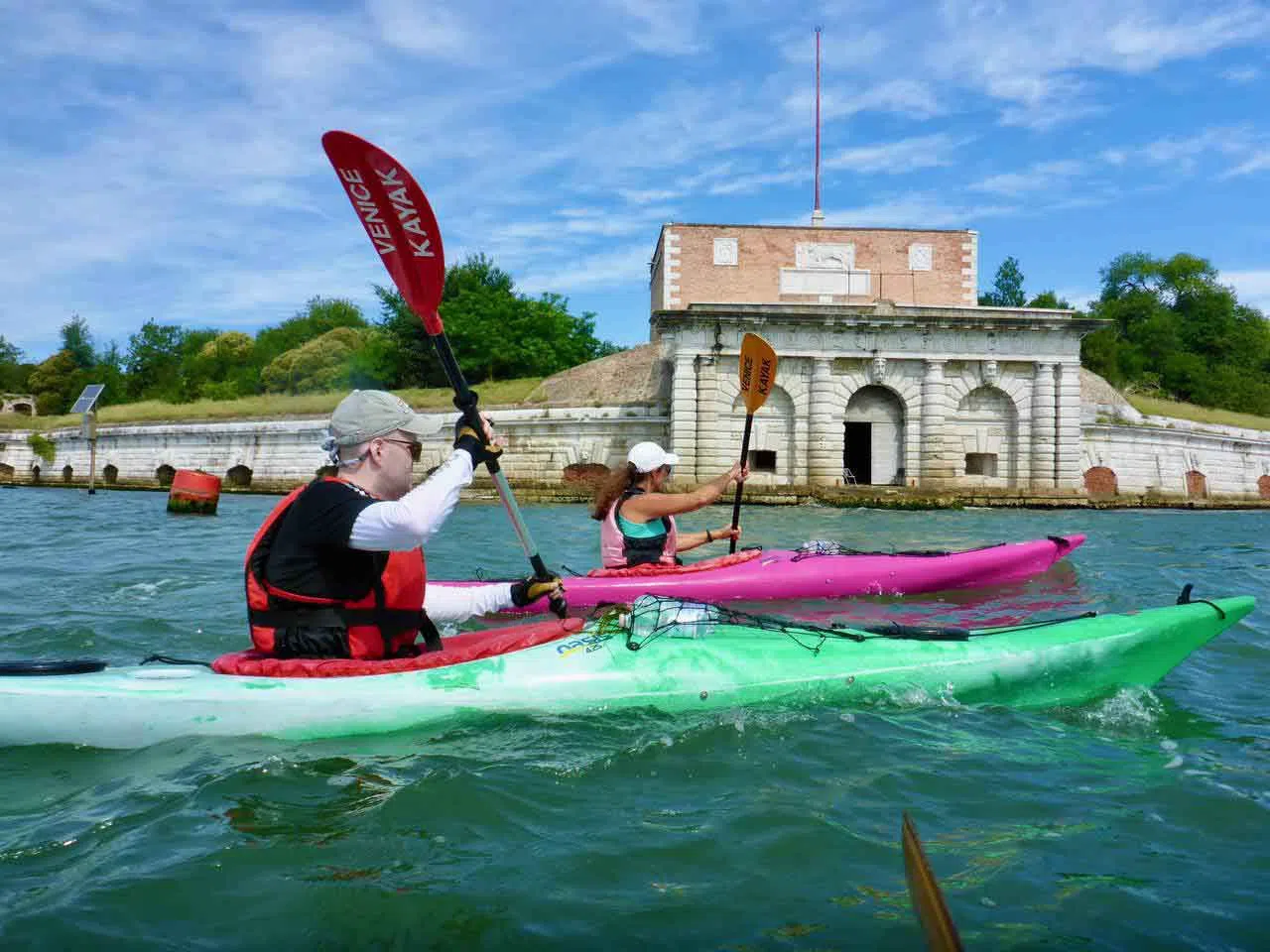
If you would rather cover more water than technique, Venice Kayak (Cannaregio) runs small guided paddles capped at around six people, reaching the narrow rii that walking tours never touch. Beginners are welcome, private group bookings are possible, and a half-day runs roughly €120–150 per person. One practical note that trips people up: the operator now launches from a Cannaregio base rather than from Certosa, so confirm the exact meeting point when you book rather than trusting an old listing.
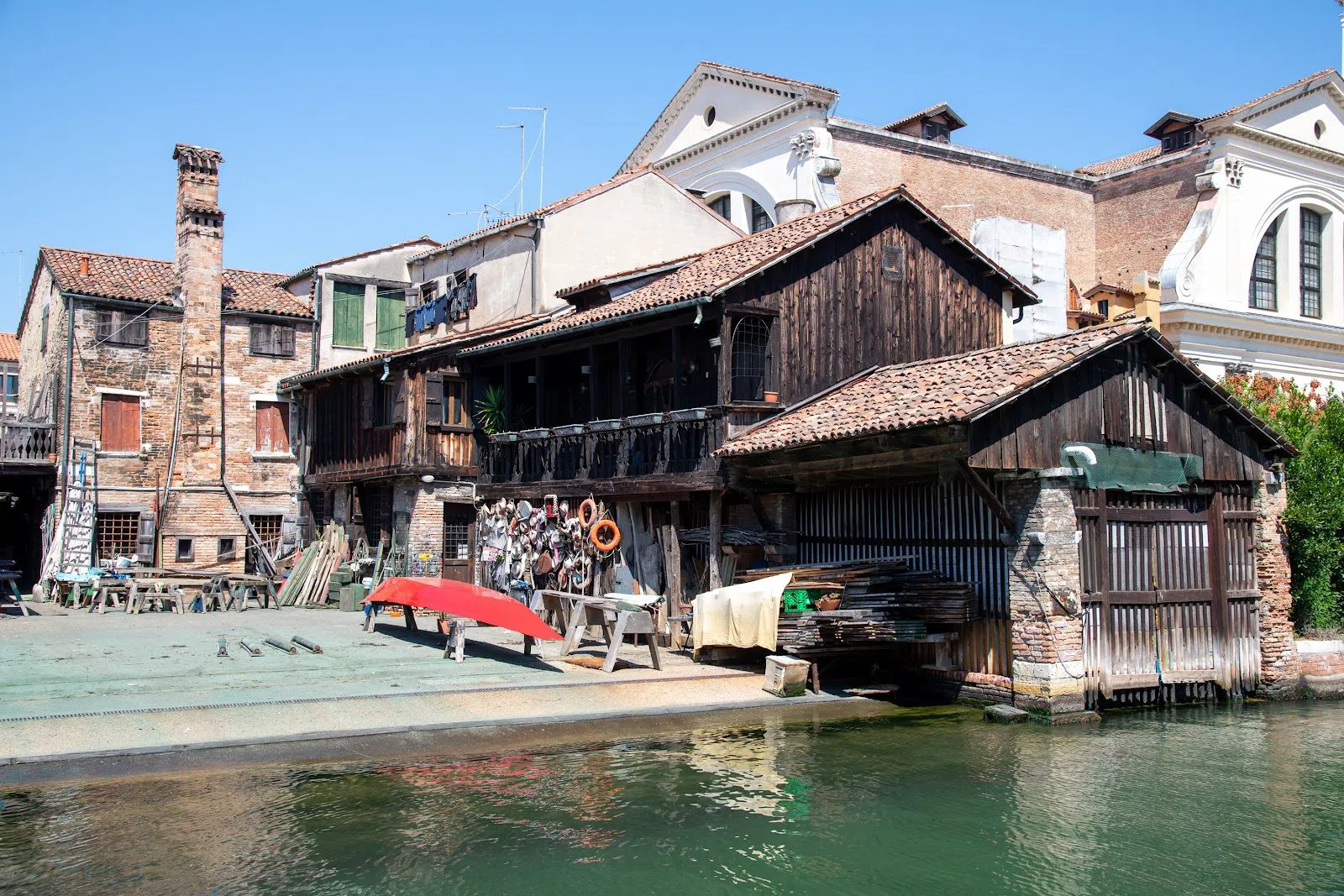
For the craft behind the boats you can watch without paying a euro. Squero di San Trovaso (Dorsoduro) is one of the last working boatyards still building and repairing gondolas, and you view it free from the far bank of the Rio di San Trovaso — no interior entry for the public, though special visits can be arranged in advance. Any size of group can gather on the opposite fondamenta, but go early: by late morning the day-trippers arrive and the light on the boatyard's wooden lodge flattens. It sits a five-minute walk from the Zattere, so pair it with a slow coffee looking across to Giudecca.
Plan your Venice trip
Live prices from our booking partners.
Free cancellation on many rooms. We may earn a commission when you book.
Cannaregio's hushed canals
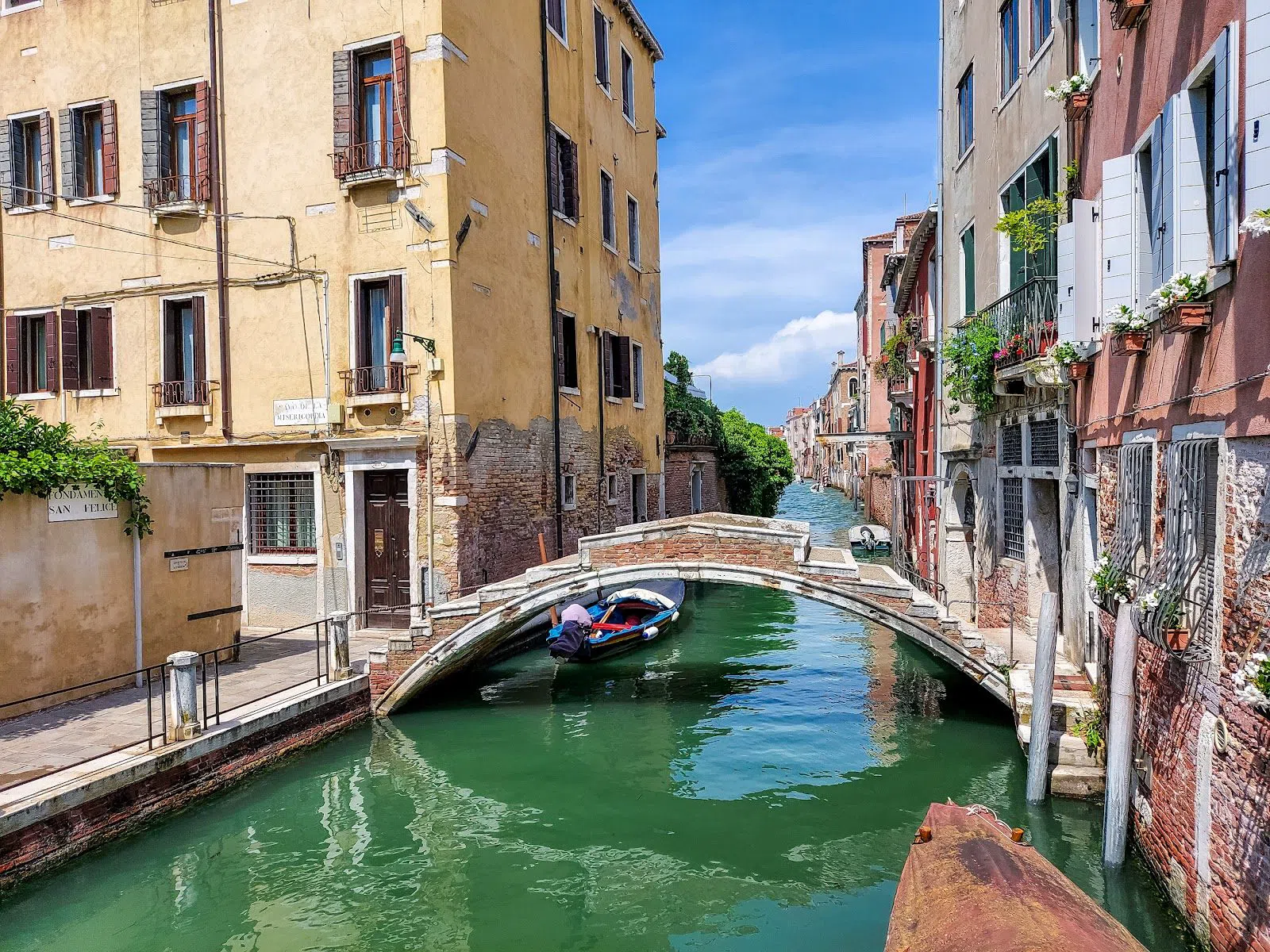
Cannaregio rewards aimless walking more than any other district, and it has a stop worth aiming for. Ponte Chiodo (Cannaregio), by the church of San Felice, is one of only two bridges left in the city without a parapet — a plain stone arch straight over a hushed canal, the way every crossing once looked. It is free and takes two minutes, but the narrow, railing-less deck deserves genuine care; a small group should cross a few at a time and keep back from the edge for photos. From the Row Venice base most of these canals are within a ten-minute walk, so if you have rowed in the morning, thread this into the same afternoon along with the neighbourhood's cluster of bacari.
Hidden staircases and cloisters near San Marco
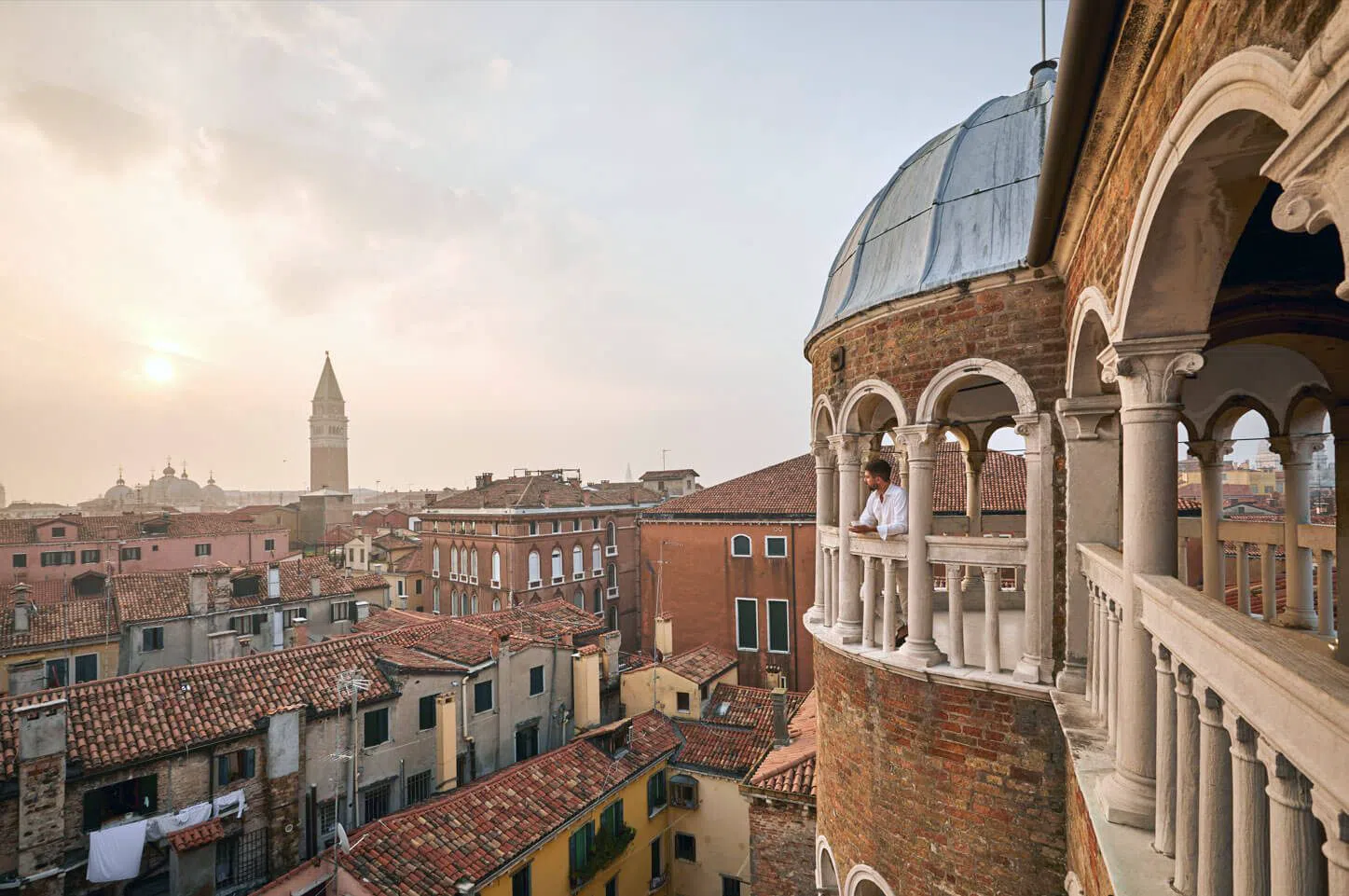
You do not have to walk far from Piazza San Marco to lose the crowds — you have to walk deliberately. A few minutes north-west of the square, down an alley most people pass, Scala Contarini del Bovolo (San Marco) spirals up in a snail-shell of Renaissance arches. Entry is timed, 30 minutes and a maximum of 20 people per slot, at roughly €9, so it suits couples and small groups who book each ticket rather than coach parties. Time your visit with care: it closes from 12 March to 9 May 2026 for an exhibition install, so if your trip falls in that window, plan the courtyards below instead.
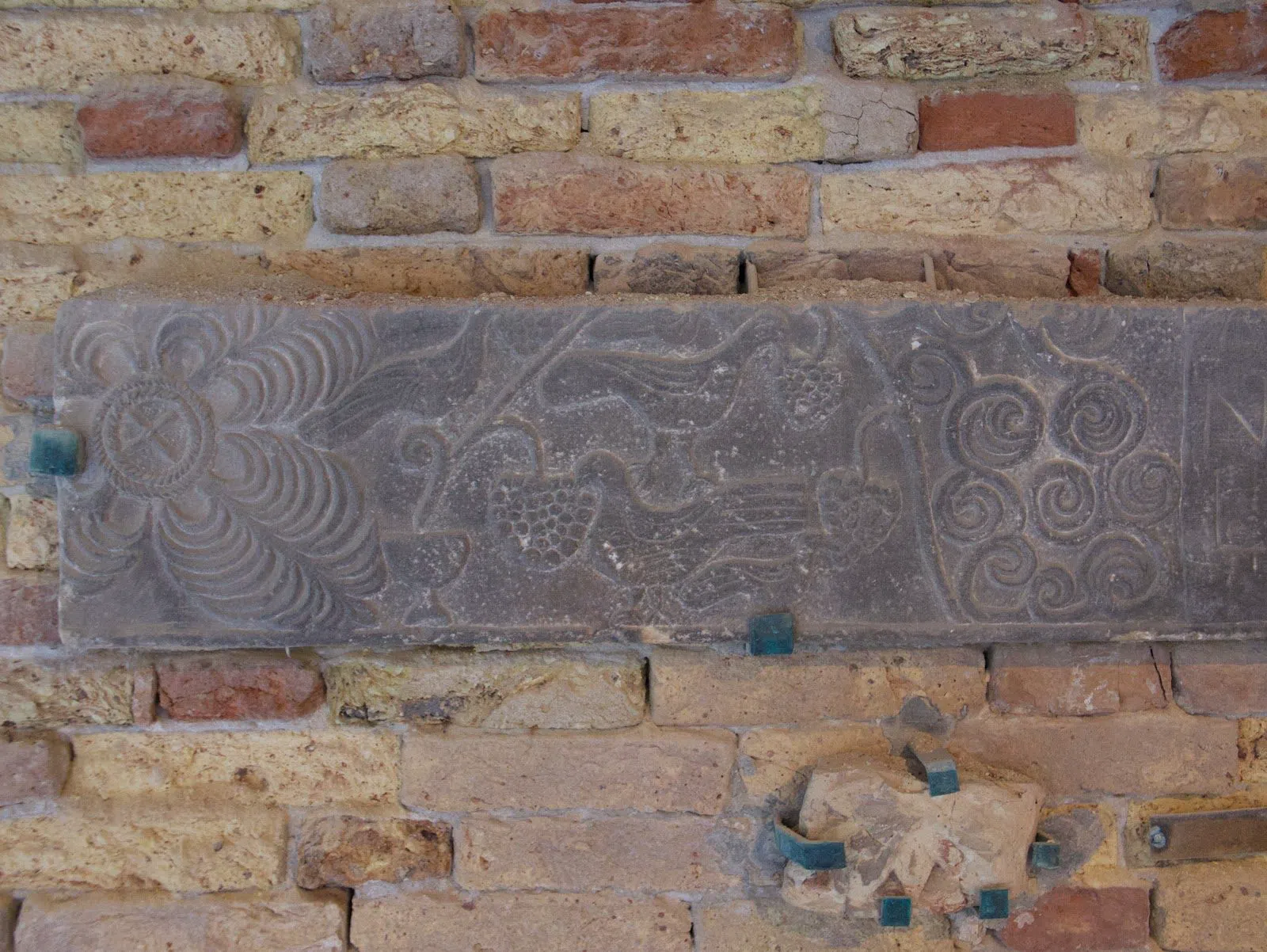
Closer still to the piazza, and found by almost no one, is Chiostro di Sant'Apollonia (Castello), a pocket of Romanesque calm attached to the Museo Diocesano barely five minutes from the basilica. Entry is about €10 and small groups are fine, but the opening days are restricted — typically Thursday to Saturday — so check the current schedule before you make the short walk, or you will find a locked door. When it is open, you often have the arcade to yourself.
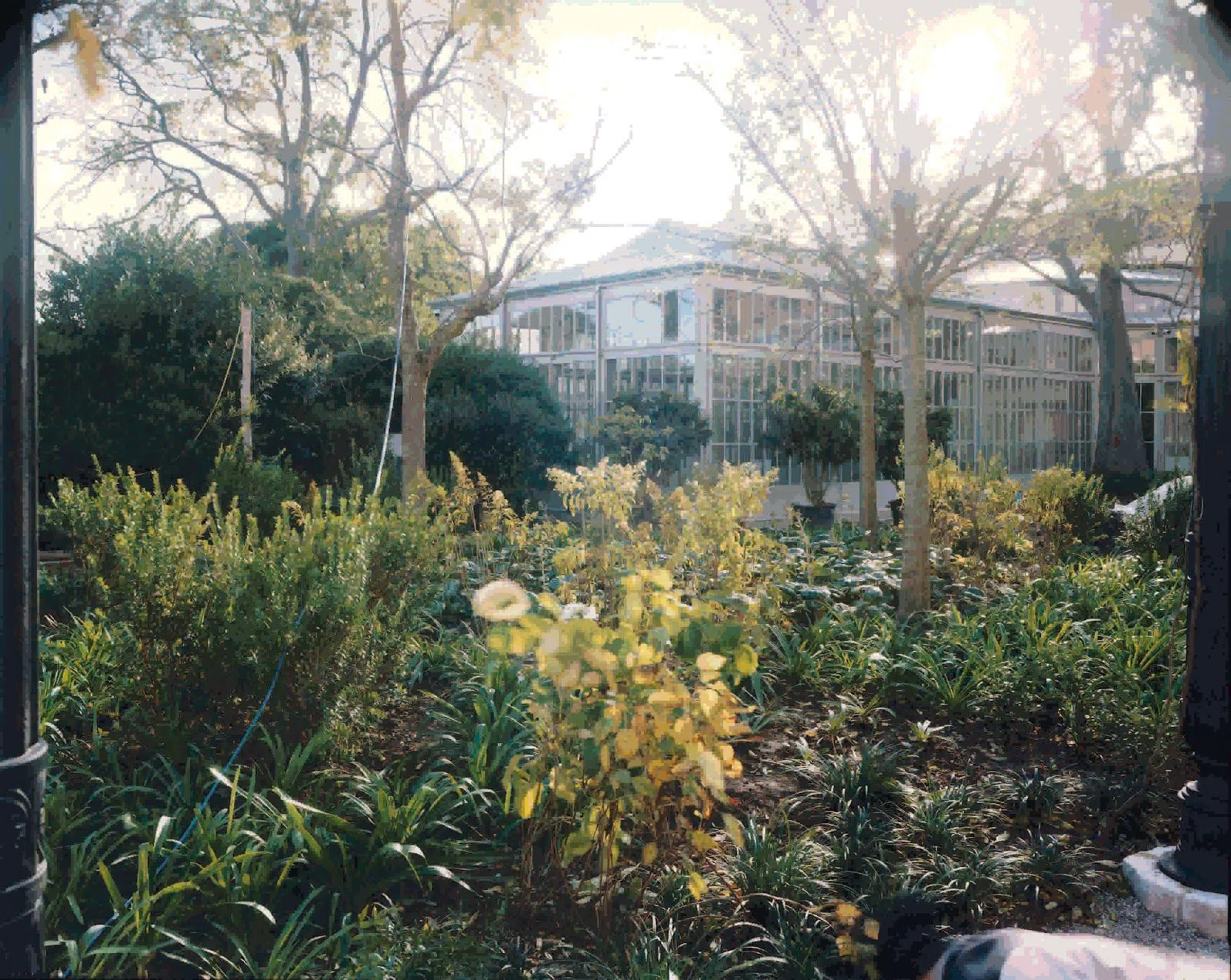
For a rest that stays central, Giardini Reali di Venezia (San Marco) sits on the waterfront a stone's throw from the piazza. Restored and reopened in 2019, these are the only historic gardens in the heart of the city, with a shaded pergola, benches and a pavilion café. Being this central, they are busier than the outer courtyards on this route, but for a group needing ten minutes off their feet between sights, they are the obvious and free choice — factor a couple of minutes' walk from the San Marco waterfront and expect company in high season.
Castello's green silence
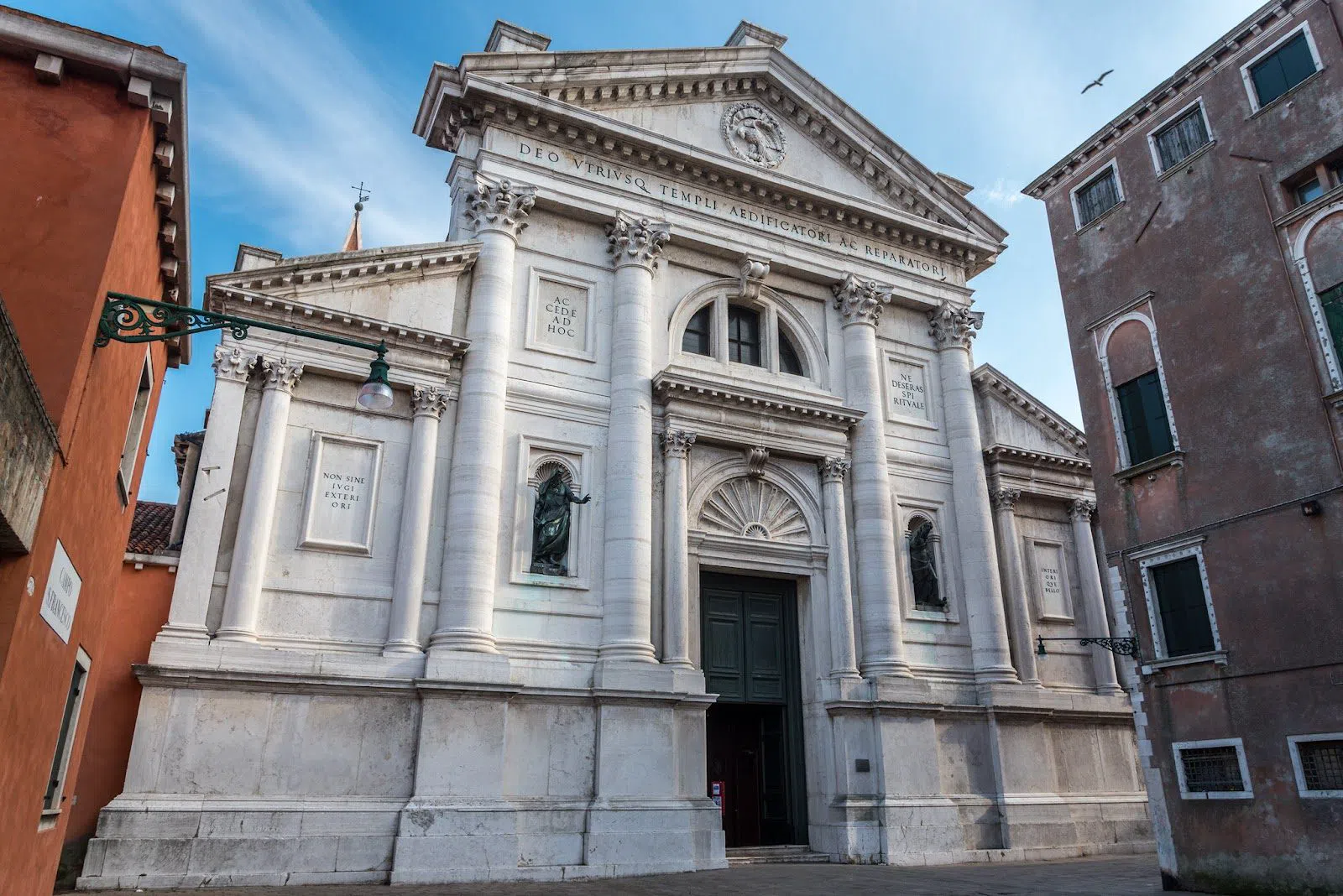
Walk east into Castello and Venice empties out block by block. The reward at the far end is San Francesco della Vigna (Castello), a Franciscan church wrapped in near-total silence, with twin cloisters and a working vineyard behind. Entry is free, the cloisters absorb a small group without strain, and late afternoon is the time to come — the arcades sit empty and the light turns gold. Mind the service times, keep your voice down, and give yourself 20 to 25 minutes on foot from San Marco, or take the vaporetto to Celestia and walk in from the lagoon side.
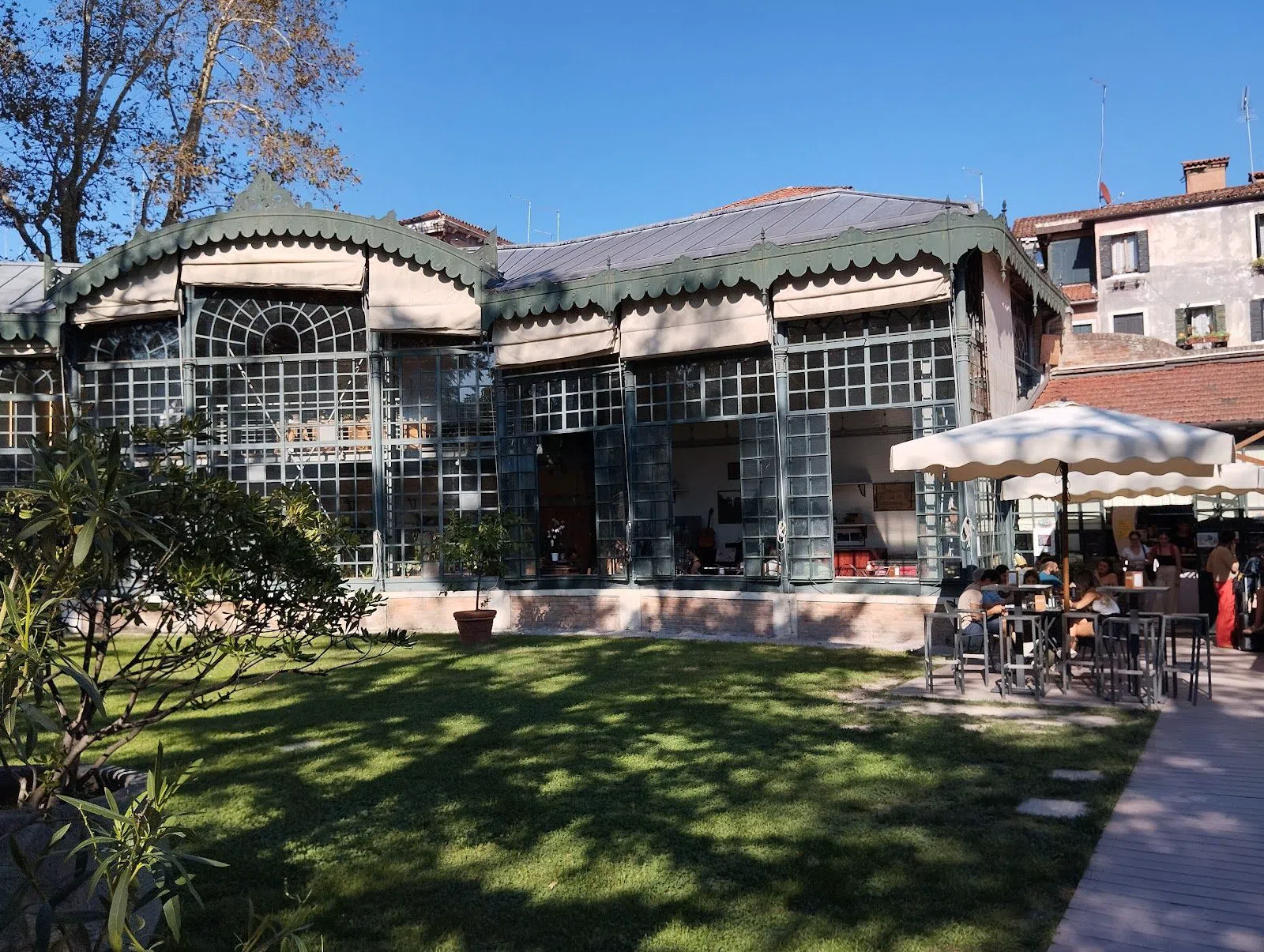
Fifteen minutes further towards the Biennale gardens, Serra dei Giardini (Castello) is a restored glasshouse turned café — all greenery, vintage furniture and slow mornings, serving coffee, cake and light lunches. It is relaxed and genuinely group-friendly, open roughly 10am to 8pm, but it runs seasonally from around March to November, so confirm winter dates before you rely on it. Think of it as the natural breather after the cloisters rather than a destination in its own right.
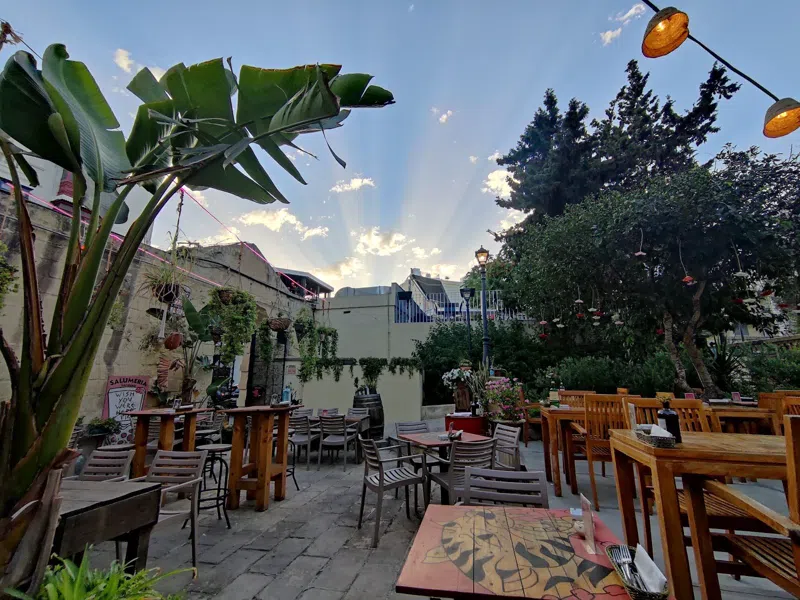
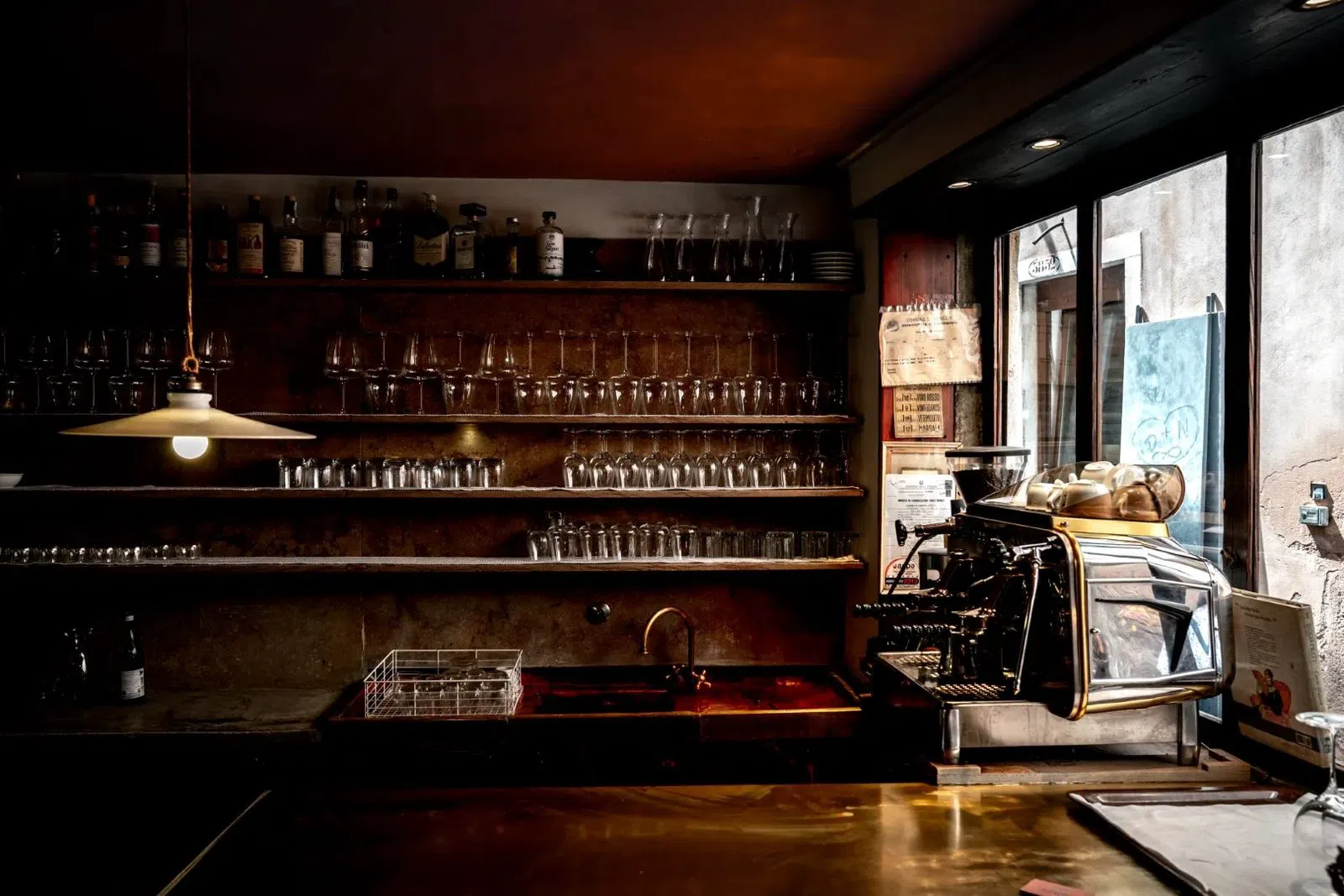
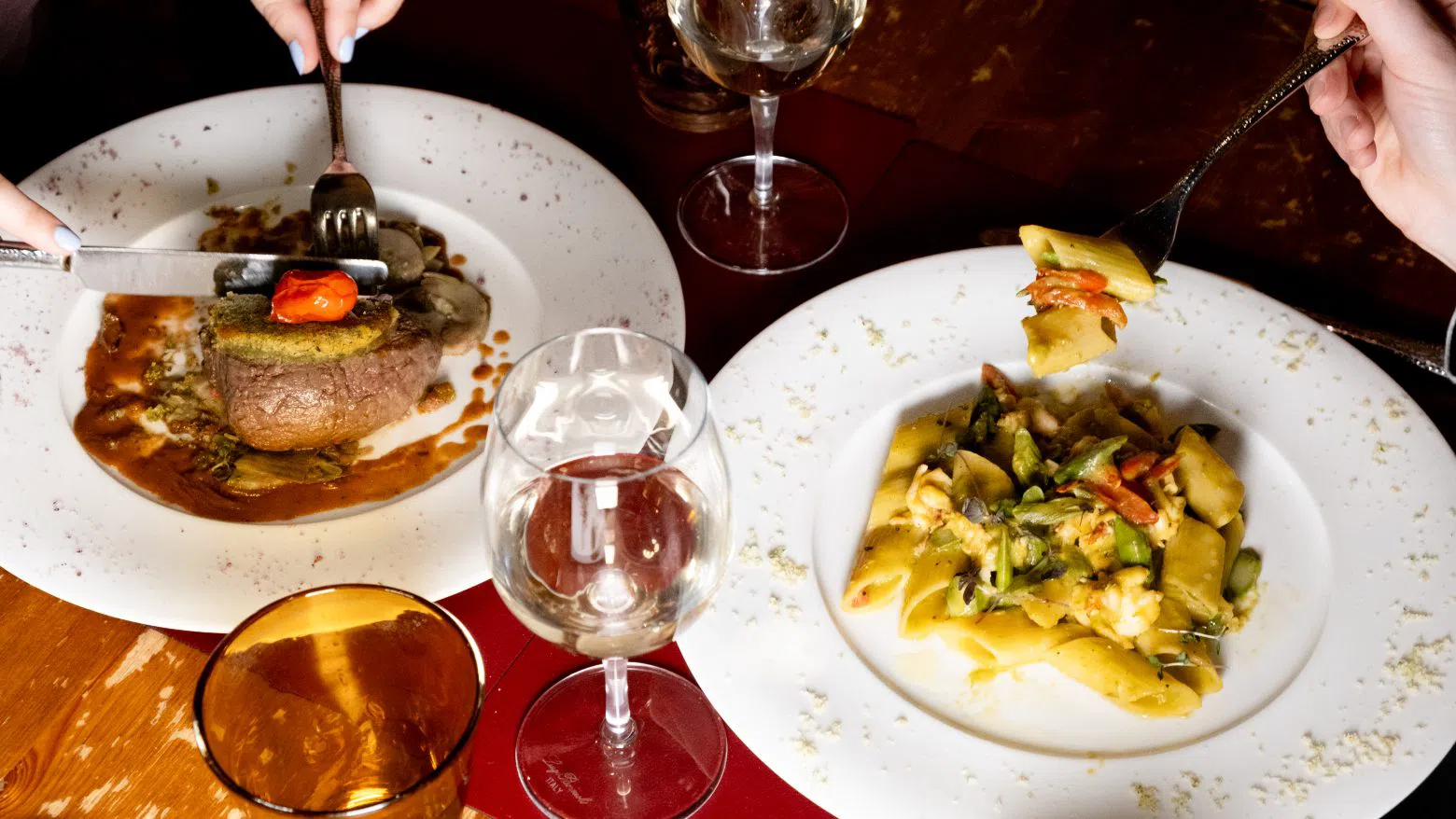
When it is time to eat properly in this quarter, book Corte Sconta (Castello). The name means 'hidden courtyard', and that is exactly what you get: a vine-shaded corte behind an unremarkable door, a Castello seafood institution now under new ownership that has kept the kitchen and the setting intact. A reservation is essential — the courtyard seats groups but fills well ahead — it is closed Sunday and Monday, and you should expect around €60 or more a head. This is the splurge on the route; plan it as an evening you build the rest of the day around.
Bookshops and lived-in squares
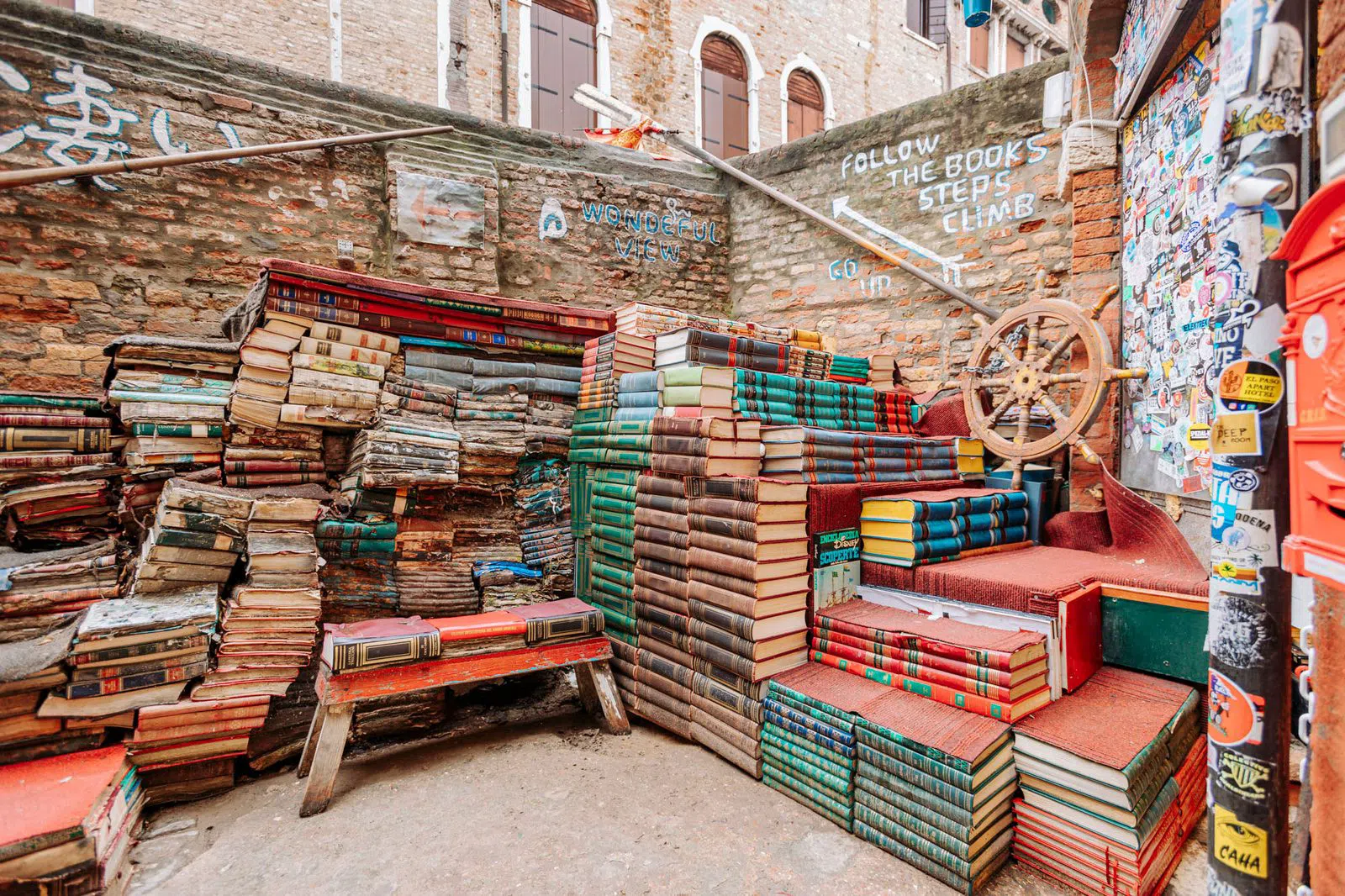
Between Rialto and Castello, tucked beside a small canal, Libreria Acqua Alta (Castello) has become a photograph as much as a bookshop — books stacked in a gondola and bathtubs against the floods, a little canal-side door and a yard where the stock is built into steps. It has been back to normal since the serious high water of 2019, and entry is free, but the interior is cramped and a large group simply clogs it. Go in twos and threes, take your turn at the canal door, and be quick about it out of courtesy to everyone waiting behind you.
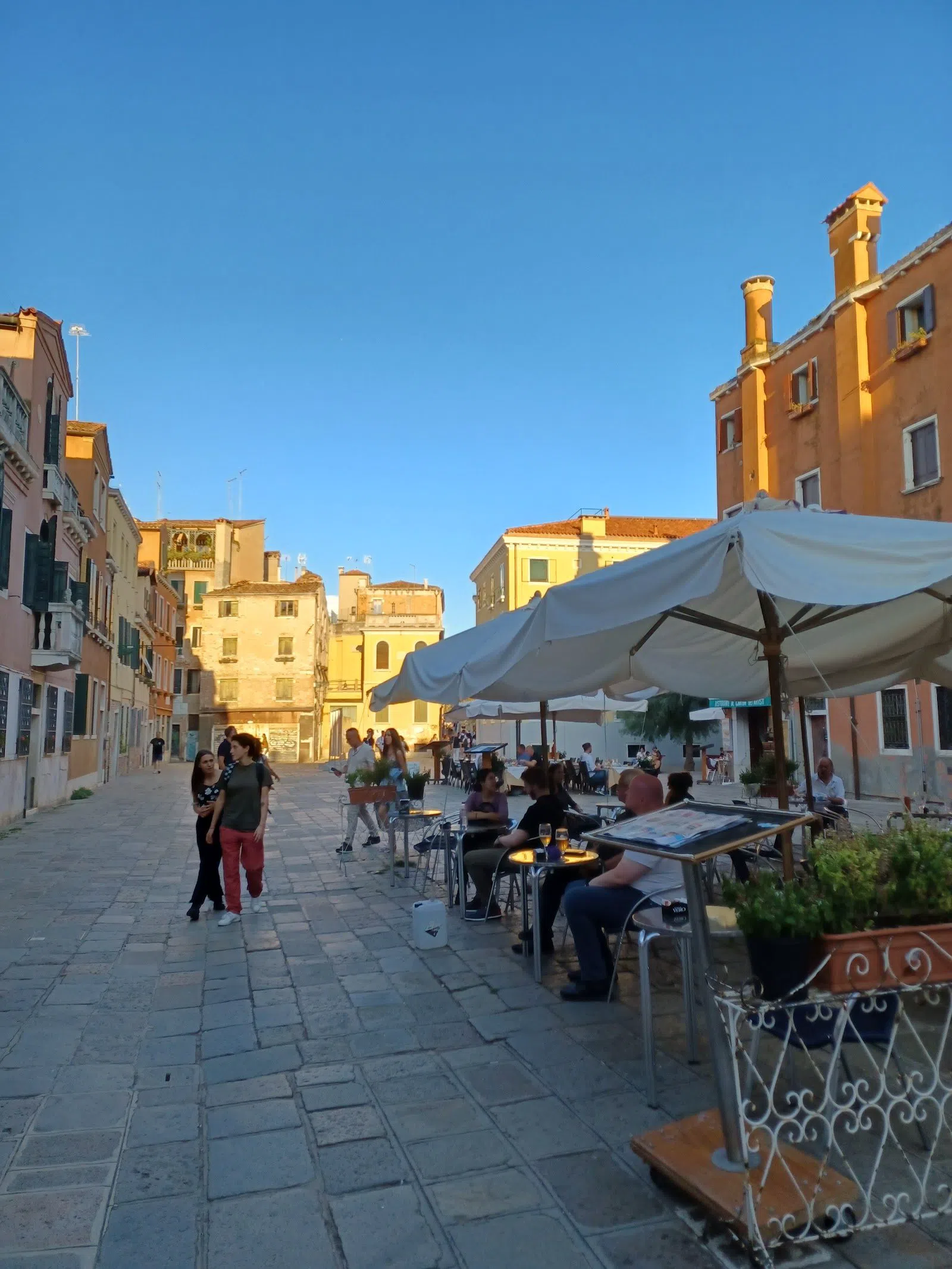
For a square where the city actually lives rather than performs, cross into Santa Croce for Campo San Giacomo dell'Orio (Santa Croce). It is green and tree-shaded, with children playing and neighbours talking, and café tables where a group can settle over a spritz for the price of the drinks. It is residential, so keep things low-key; this is somewhere to sit for half an hour and watch ordinary Venice, not somewhere to be loud. It makes a natural pause on the walk between the Frari end of the city and the Rialto.
Sunset and cicchetti
End near the water. Down an unmarked passage close to Rialto, Taverna al Remer (Cannaregio) opens onto a roomy courtyard and loggia with its own jetty on the Grand Canal — a quieter place to watch the light go than anywhere on the main fondamente. The generous aperitivo and cicchetti make it fair value for the setting, the courtyard genuinely suits groups, and walk-ins are fine for a drink; book ahead for dinner or a larger party. Arrive 45 minutes or so before sunset to claim a spot by the water, order a spritz and a few cicchetti, and let the day's walking settle.
If you want to plan where to stay around these neighbourhoods, start with a Venice hotel search — basing yourself in Cannaregio or Castello puts most of this route on your doorstep and keeps you clear of the San Marco crush at night. For wider context on the city, the Venice guide covers the districts, the vaporetto lines and the seasons in more depth.
Practical notes
Getting around. Nearly everything here is best reached on foot — Cannaregio, Castello and Santa Croce link together in walks of 10 to 25 minutes, and the pleasure is in the walking. For the longer hops, the vaporetto helps: the Celestia stop serves San Francesco della Vigna, and Giardini or Giardini Biennale suits Serra dei Giardini. A single ticket is dear for one ride, so if you plan several water-bus journeys in a day, a timed travel pass usually works out cheaper.
Cash. Carry some. The bacari, the smaller cafés and a few of the free sites' donation boxes still prefer coins and notes, even where cards are accepted, and a courtyard aperitivo is easier settled in cash.
Timing. Book the three that need it well ahead — Row Venice, Venice Kayak and Corte Sconta — as their slots and tables are limited. Check opening days before you walk to Chiostro di Sant'Apollonia (roughly Thursday to Saturday) and Serra dei Giardini (seasonal, around March to November), and remember Scala Contarini del Bovolo closes 12 March to 9 May 2026. Corte Sconta is shut Sunday and Monday. See the boatyard and the squero early; save the cloisters and courtyards for late afternoon light.
Budget. This route flexes from almost nothing to a proper dinner. Many stops — the boatyard view, Ponte Chiodo, San Francesco della Vigna, the Giardini Reali, Libreria Acqua Alta and Campo San Giacomo dell'Orio — are free. Reckon on around €9–10 each for the Scala and the Chiostro, a few euros for coffee at Serra, and aperitivo prices at al Remer. The two bookings that cost real money are the rowing or kayak morning (from €100 for a lesson, €120–150 per person to paddle) and dinner at Corte Sconta (about €60 a head). Spread across a couple of days, it stays a modest trip with two memorable splurges.
Before you go
What's the best alternative to a tourist gondola ride in Venice?
A standing-row lesson with Row Venice in Cannaregio teaches you to row a batela down quiet canals with Venetian rowers, from €100 for 90 minutes for two people. If you'd rather cover distance, Venice Kayak runs small guided paddles at roughly €120–150 per person. Both need booking well ahead.
Can I visit the Squero di San Trovaso gondola boatyard inside?
No — there's no public entry. You watch the craftsmen free from across the Rio di San Trovaso in Dorsoduro, and any size of group can gather on the far bank. Interior visits happen only by prior arrangement. Come early, before the day-trippers arrive.
Is the Scala Contarini del Bovolo open in spring 2026?
It closes from 12 March to 9 May 2026 for an exhibition install, so avoid that window. Otherwise entry is timed at 30 minutes, maximum 20 people per slot, roughly €9, and each ticket should be booked — it suits couples and small groups rather than large coach parties.
Which of these places are good for a group, and which aren't?
Taverna al Remer's courtyard, Corte Sconta's corte (booked ahead) and Serra dei Giardini all handle groups well. Libreria Acqua Alta is cramped, so go in twos and threes, and Ponte Chiodo is narrow and railing-less, so cross a few people at a time.
Do I need to book restaurants and activities in advance?
Yes for the limited-capacity ones: Row Venice, Venice Kayak and Corte Sconta (closed Sunday and Monday) should be booked well ahead. Check opening days for Chiostro di Sant'Apollonia (about Thursday to Saturday) and Serra dei Giardini (seasonal). Most free sites need no booking.