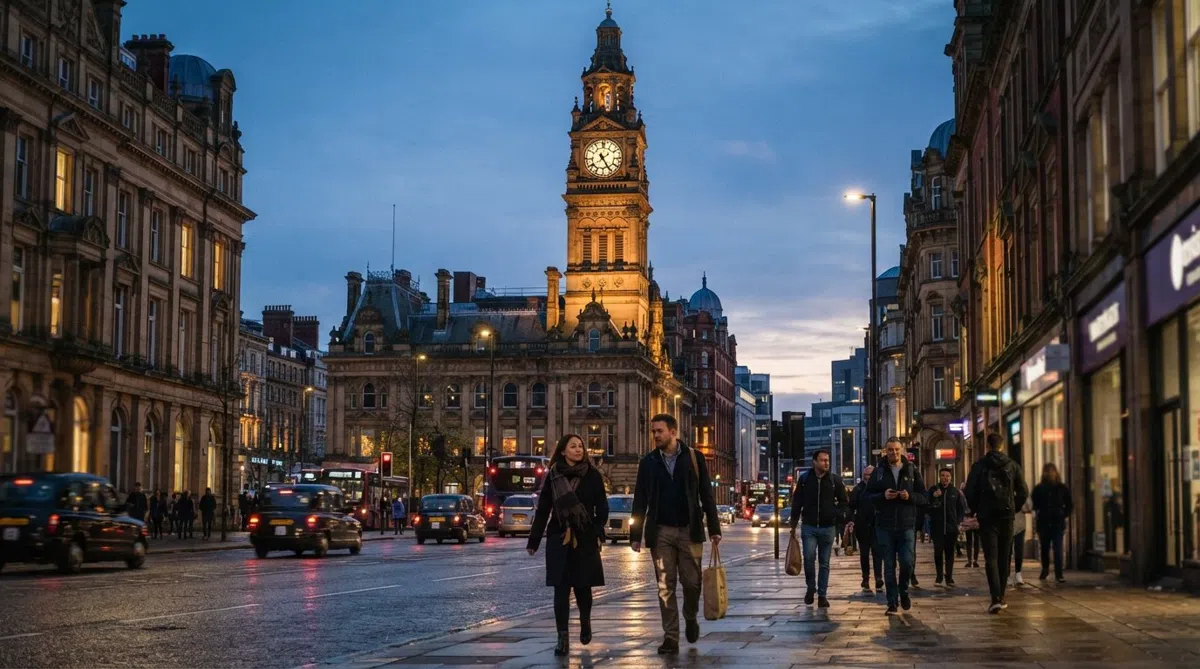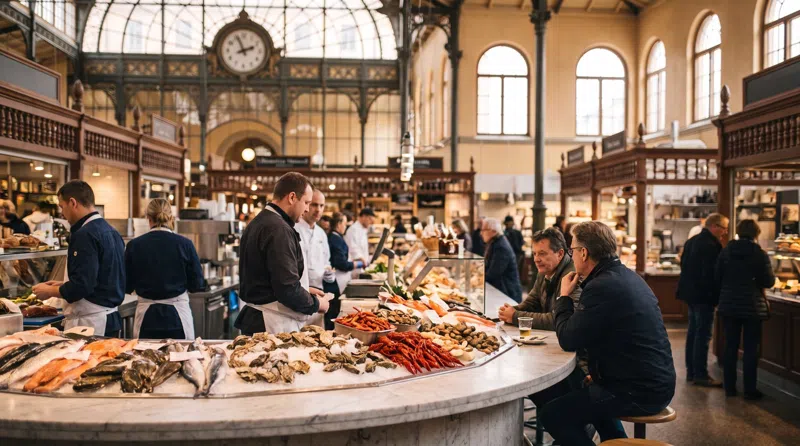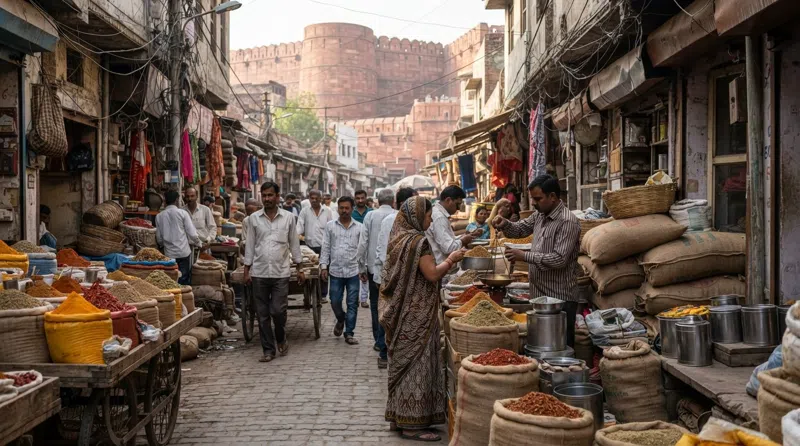
At eight in the morning the Rialto market smells of fish, wet stone and diesel from the delivery barges tied up at the fondamenta. For most of four centuries it smelled of pepper, and the street running off it is still named for the men who sold it. Almost every building in that trade survives: the market, the spice shop, the bank portico, two warehouses, the customs house at the tip of Dorsoduro. You can walk the whole chain, from ship's hold to apothecary jar, in two unhurried days.
Start at the market before half past ten
Mercati di Rialto (San Polo, at the market end of the bridge) is where the rest of this starts. The Erberia, the produce half, occupies the same stone footprint where sacks of pepper and ginger were auctioned, and the Ruga degli Speziali, the spice-sellers' row, runs straight off it. Walking it costs nothing; produce runs roughly €2–15 if you want to buy.
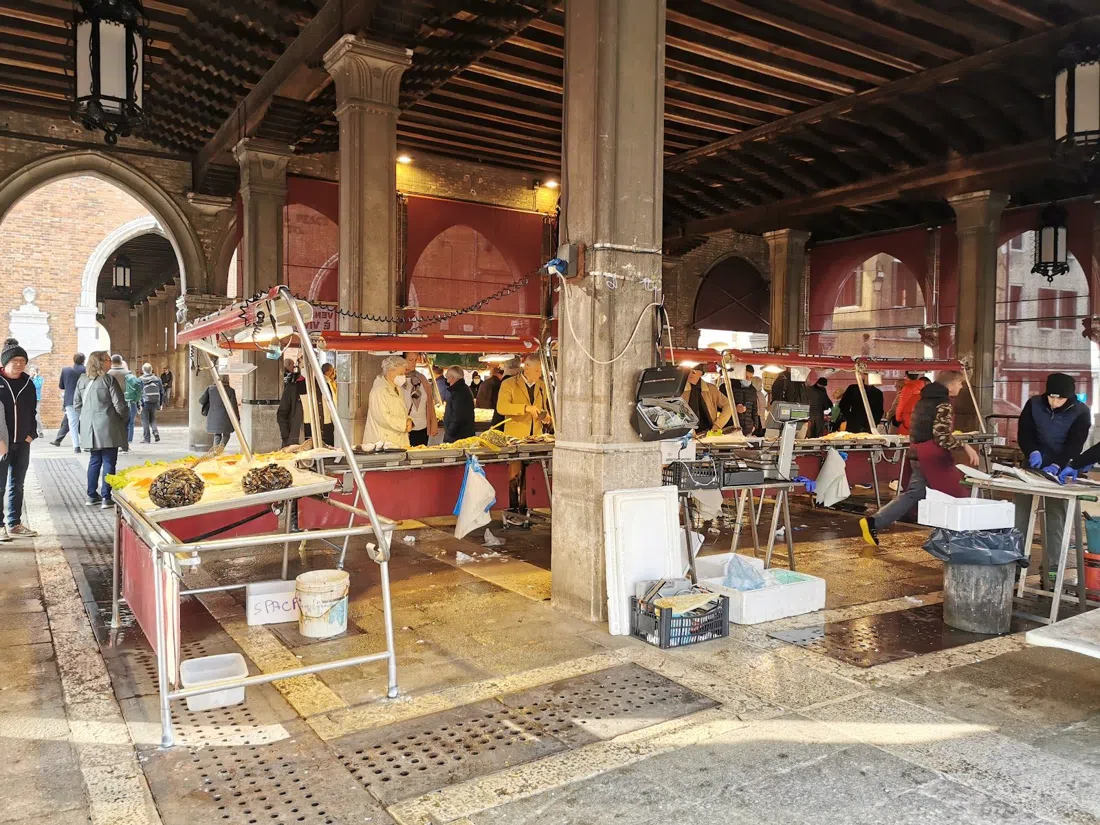
The clock matters here more than anything else. The Erberia trades Monday to Saturday mornings only, the Pescheria fish market closes Sunday and Monday, and by 10:30 the stalls are being hosed down and the crates stacked. Arrive at 08:00 and you get a working market: barges unloading, porters with trolleys, prices being argued. Arrive at 11:00 and you get an empty colonnade and a queue for the bridge photograph.
Guided groups walk through constantly and that is fine; it is a public street and the aisles absorb them. If you want it quiet, the window is 07:45 to about 08:30, and a Tuesday is calmer than a Saturday. Give it thirty minutes. You are not here to shop but to fix in your head that this small, awkward, slightly grubby patch of San Polo was where Europe bought its pepper, and that the geography (water on two sides, a bridge, a bank and a church all within ninety seconds of each other) is the reason it worked.
The last spice merchant on the spice-sellers' street
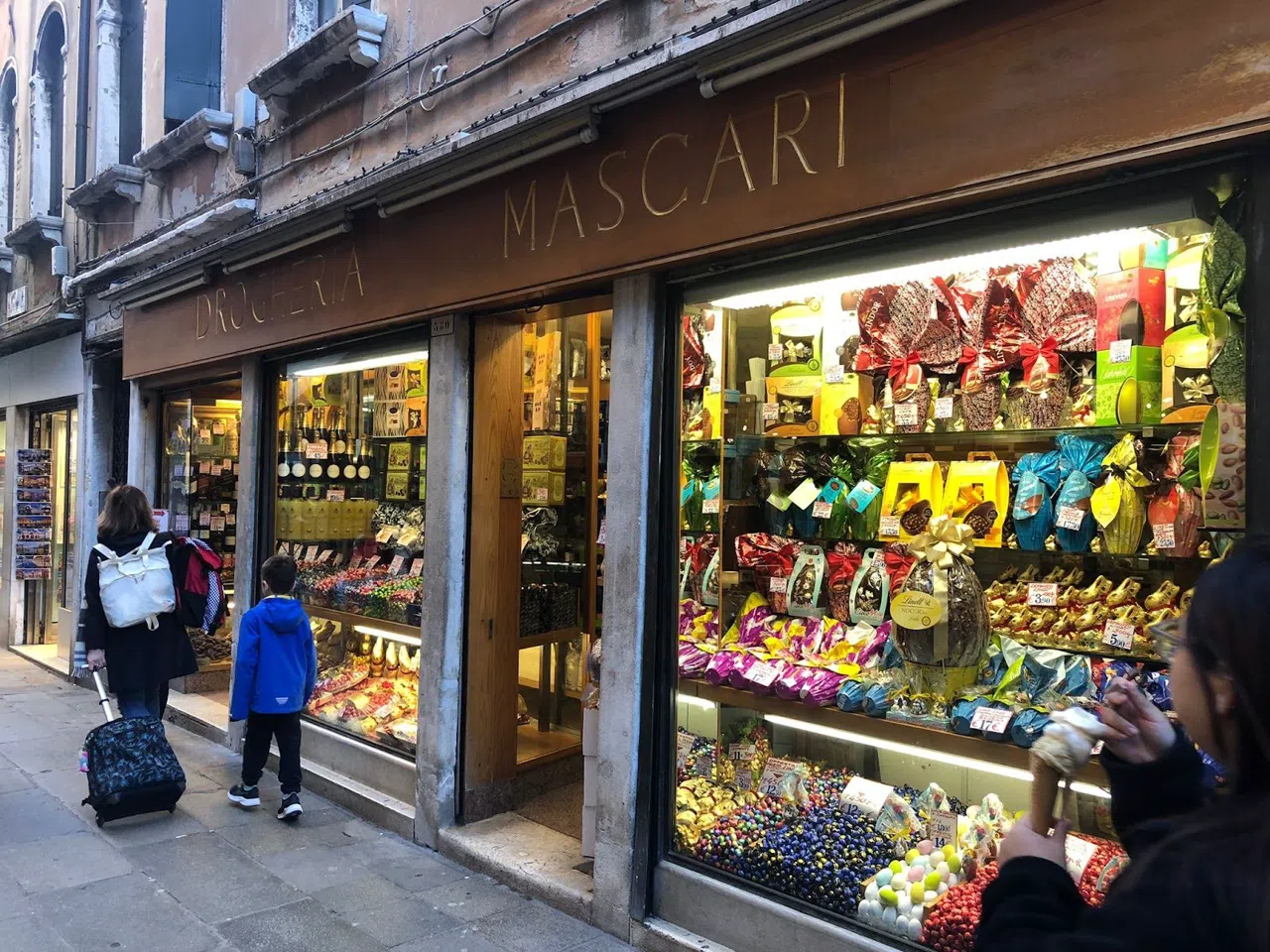
Two minutes from the Erberia, on the Ruga itself, Antica Drogheria Màscari (San Polo) is the surviving working link in the chain: a family spice merchant since 1948, and the one stop where this trade is a smell rather than a plaque. Sacks and jars of peppercorns, cinnamon, cardamom and dried fruit, a saffron counter, and staff who will tell you what is worth the money. Spices start around €3; saffron and the rarer peppers run €8–25.
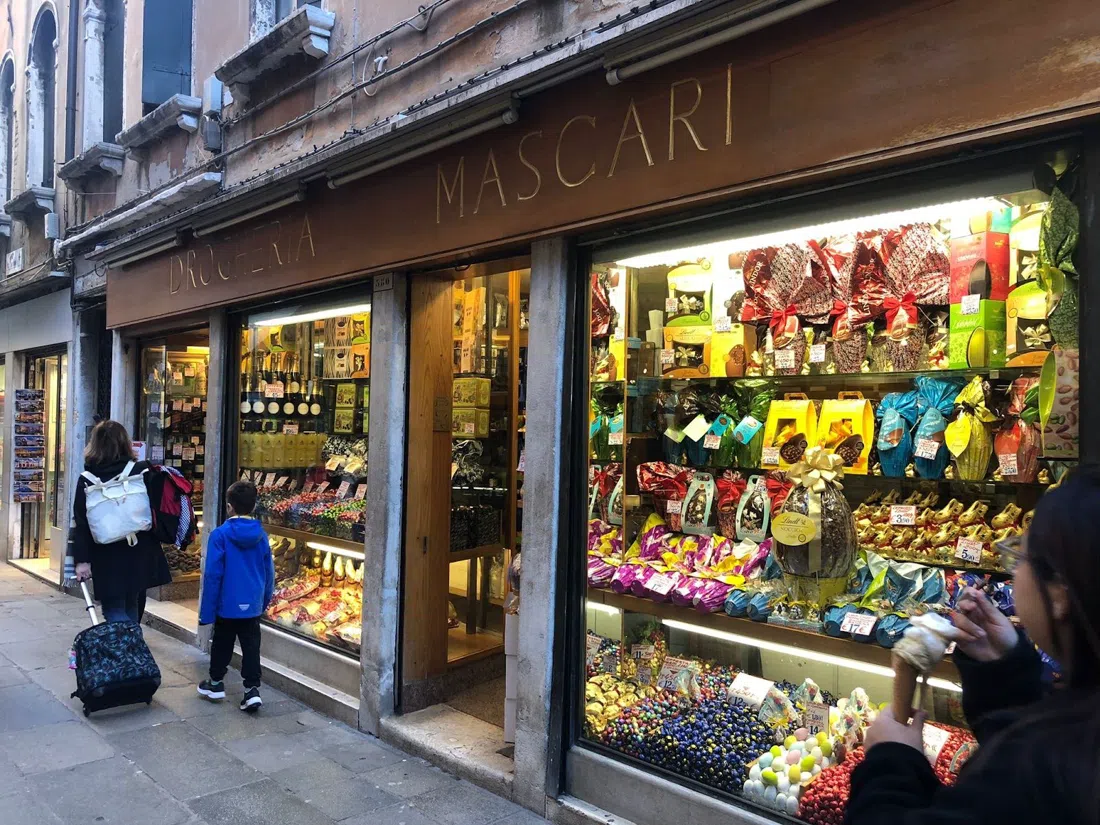
Be realistic about the door. The interior is tiny: two or three people browse comfortably, five is a crush. A party of six or more should split and enter in waves, or send two in while the rest wait in the Ruga. Food tours stop here as routine, so if you arrive behind one, wait five minutes rather than push through.
The hours will catch you out. Closed Sundays and Wednesday afternoons, and it keeps the 13:00–16:00 lunch shutter, which is exactly when most visitors drift back from lunch expecting shops to be open. Whole peppercorns and saffron weigh nothing and travel well, which makes this the one thing on the walk worth carrying home.
The church that ordered honest weights
Ninety seconds away across the campo, Chiesa di San Giacomo di Rialto (San Polo) is small, free with a donation expected, and takes ten minutes. It is described as the oldest church in the city, a claim historians still argue over, but the reason to step in is the inscription on the apse instructing merchants to keep honest weights and true contracts. That is the moral clause of the spice economy, carved into the building it was traded in, twenty metres from where the scales stood.
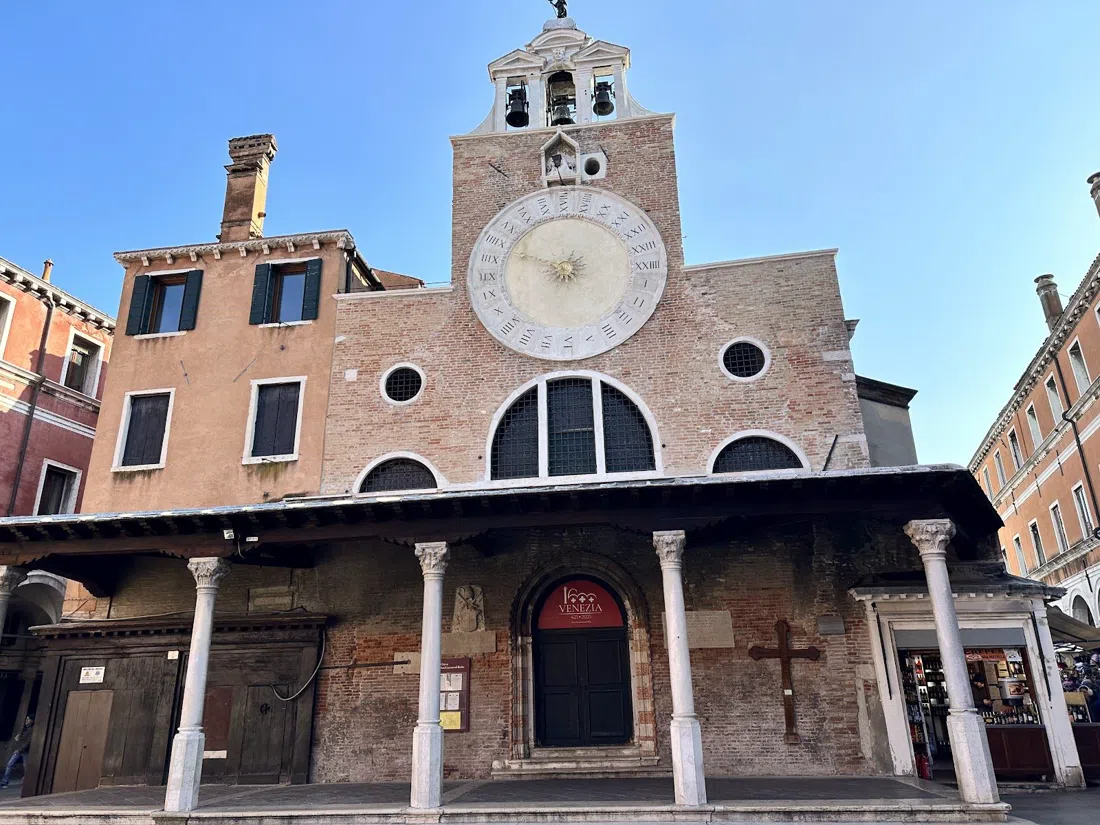
Hours are informal: assume mornings, and accept that you may find it shut. Groups should brief outside in the campo. The interior does not hold a dozen people without becoming a scrum, and it is still a working church.
A bank portico and a standing room from 1462
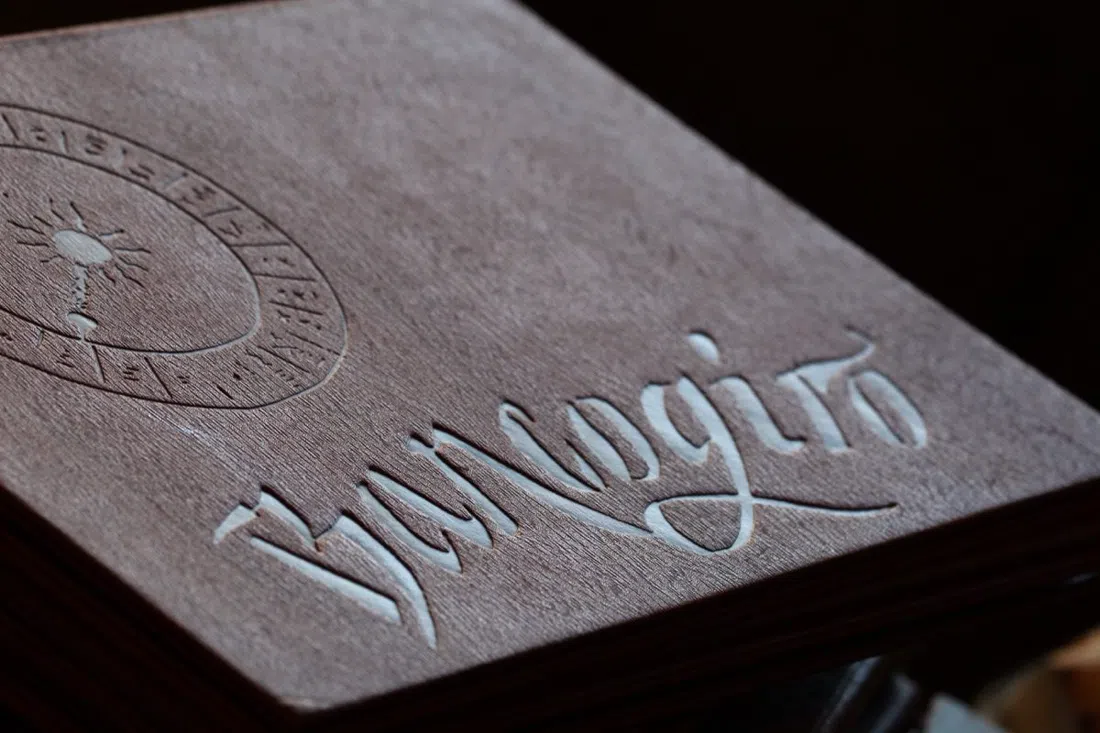
Thirty seconds further, Osteria Bancogiro (San Polo, Campo San Giacomo) occupies the portico of the Banco Giro, the Republic's public bank, where payment for spice cargo was settled by moving a line in a ledger instead of carting silver across the Rialto. The trading floor is underfoot and the tables face the Grand Canal. Cicchetti and a couple of glasses run €15–25 per person; a full sit-down meal is €45–60. Canal-side tables are first-come and go early on warm evenings, the upstairs room takes groups but must be booked, and the whole place is closed Mondays.
Three minutes into the calli behind, Cantina Do Mori (San Polo) has been trading since 1462, a few metres from where the warehouses stood, and it was the drinking room of the men who handled the cargo rather than the men who financed it. A glass, an ombra, is €1.50–4, cicchetti €1.50–3. Standing room only, no reservations, and four to six people is the ceiling before you block the room; larger parties should stagger arrivals by ten minutes.
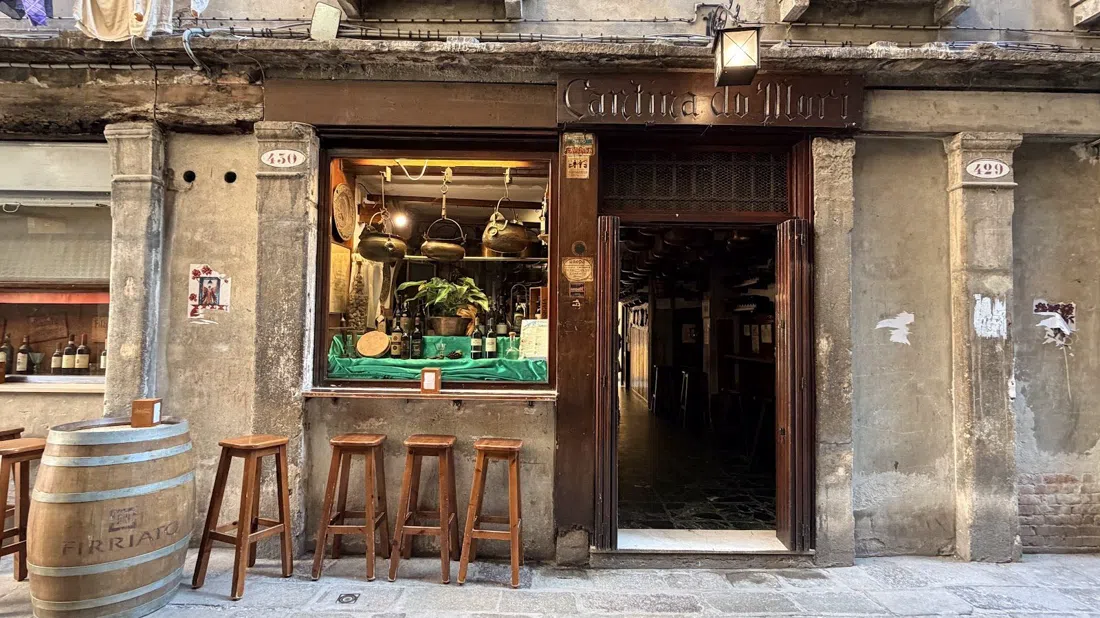
The trap is the calendar: Do Mori opens Monday to Friday and closes at weekends. A Saturday walk built to finish here will find a shut door. If that is your day, take the Bancogiro portico at 11:00 instead, when it is quiet and you can actually see the bank's columns without a table in front of them.
Two warehouses on the Grand Canal you can walk into
The fondaco (warehouse below, merchants lodged above) is the building type this trade invented, and two are open to the public.
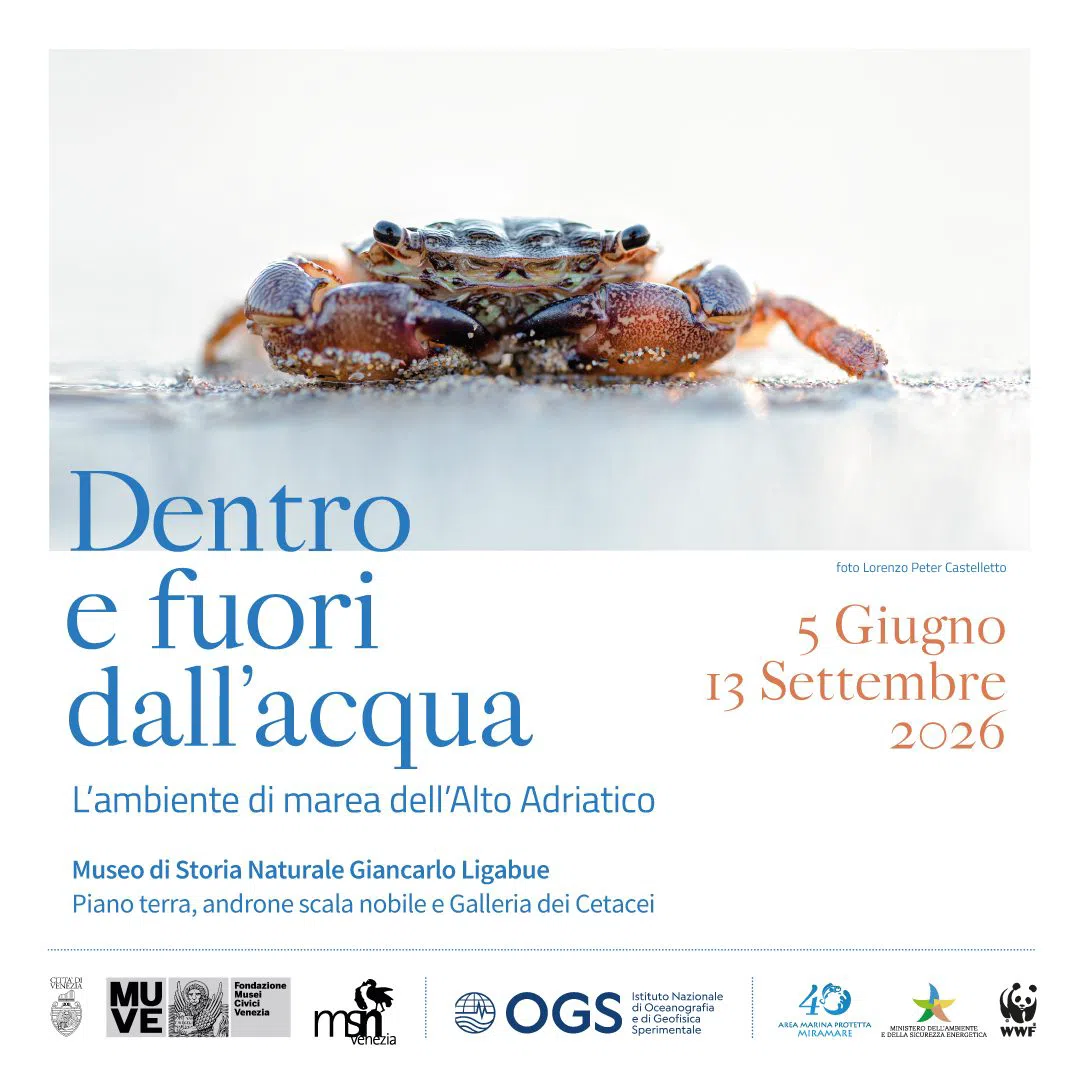
Museo di Storia Naturale di Venezia Giancarlo Ligabue (Santa Croce, San Stae) occupies the Fontego dei Turchi, the Ottoman merchants' warehouse and lodging house, with the water-gate arches still legible on the canal front. Two stops on the number 1 from Rialto Mercato to San Stae, five minutes on the water, or fifteen to eighteen minutes on foot. Around €10, included in the Venice Museum Pass, closed Mondays. Be clear what you are buying: inside it is a natural history museum of fossils and specimens, and the spice content is the building. Brief children accordingly. School and adult groups are standard, with group rates and guided visits bookable.
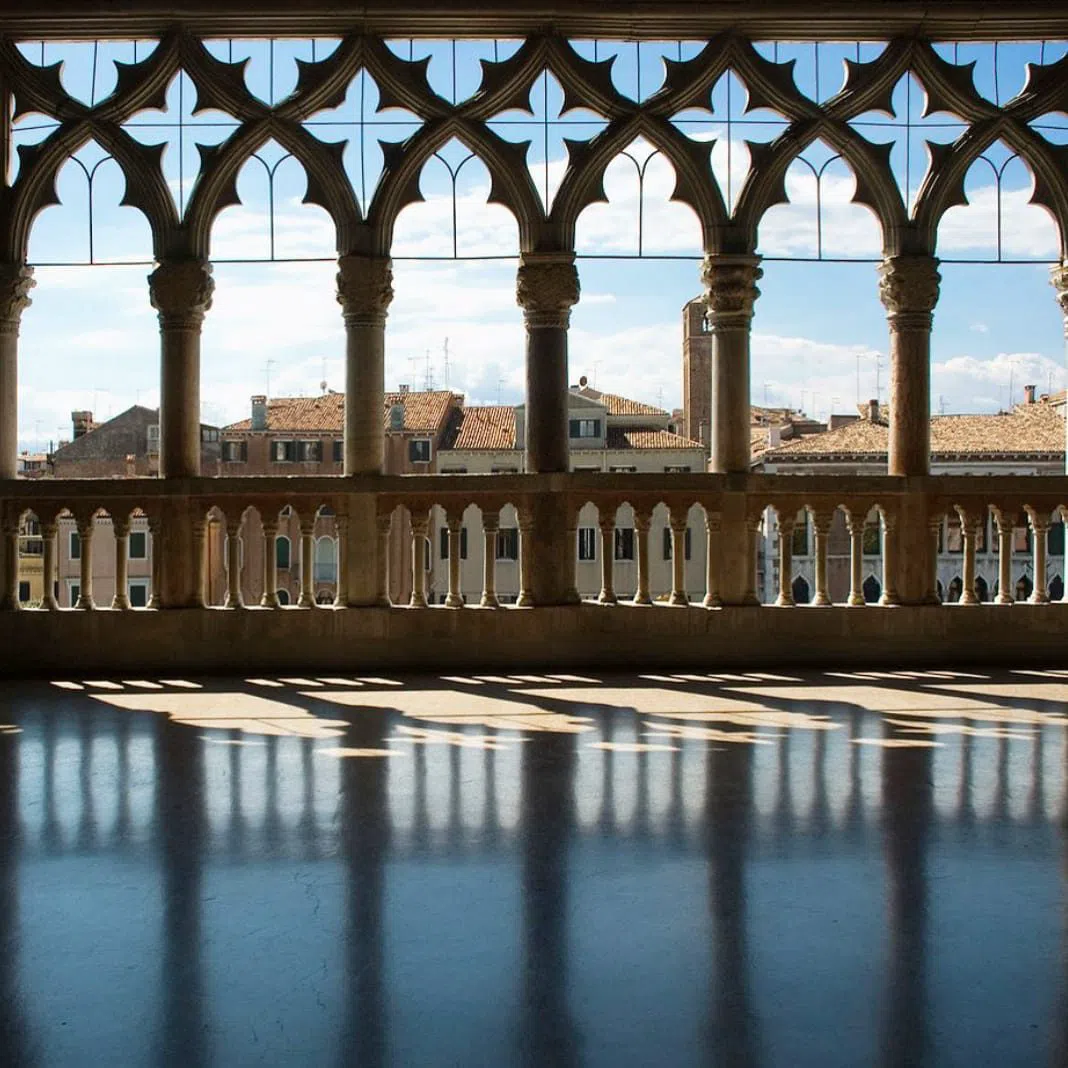
Across the water, Galleria Giorgio Franchetti alla Ca' d'Oro (Cannaregio, Strada Nova) is the same arrangement built for a family: warehouse floor at canal level, rooms and display above, spice profit spent on stone tracery. Around €6–10. Reach it on the Santa Sofia traghetto, the standing gondola crossing from the Pescheria, about €2 and two minutes, or walk eight minutes from the bridge along the Strada Nova. One floor has been closed for rearrangement, so check before promising anyone the full collection, and state-museum group booking is required above about fifteen people.
Where perfume and pepper came off the same ship
Four minutes' walk from the Fontego dei Turchi, Museo di Palazzo Mocenigo (Santa Croce, San Stae) is the only museum in the city that puts the aromatics trade at its centre. Textiles, costume and perfume, around €14, Museum Pass valid, closed Mondays. The perfume rooms explain the muschieri, the Republic's perfumers, who bought from the same imported musk, ambergris and spice stock as the pharmacists did: one cargo, split between the kitchen, the dressing table and the medicine chest.
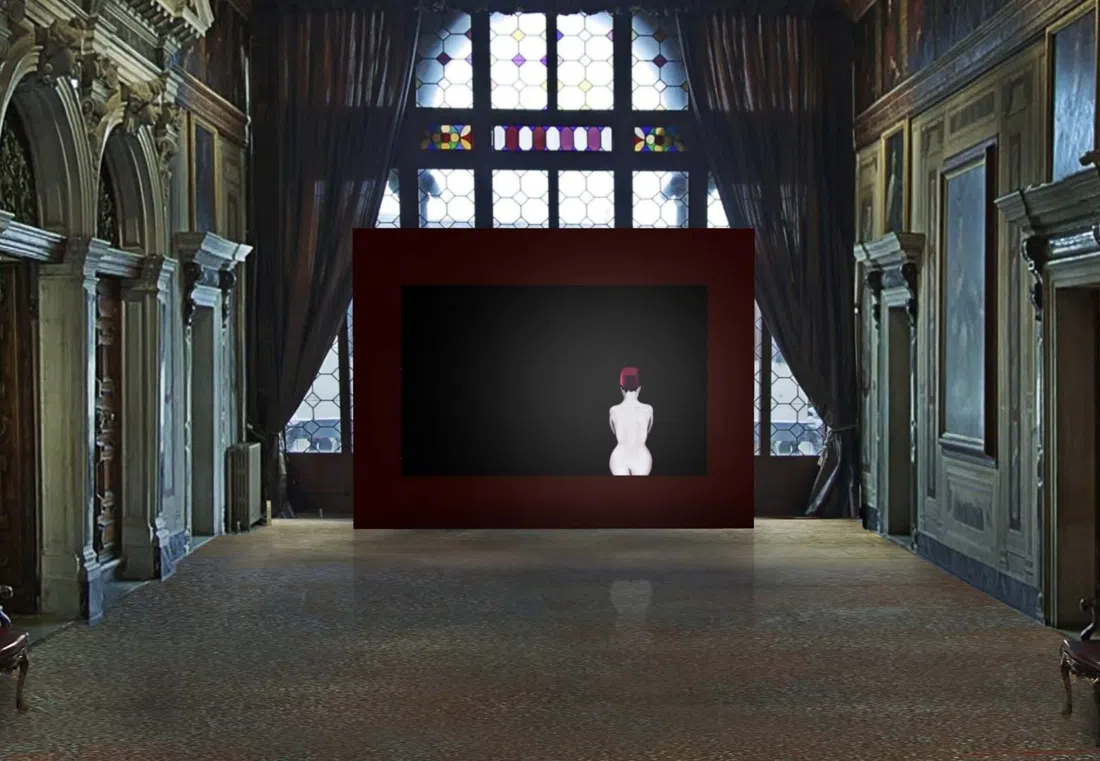
The rooms are narrow and guides split larger parties; this suits two people far better than twenty. Between 1 May and 26 September 2026 it opens late on Friday and Saturday evenings, and that is the calmest hour in the whole itinerary: a palace at dusk with almost nobody in it.
The customs house and the apothecary in Dorsoduro
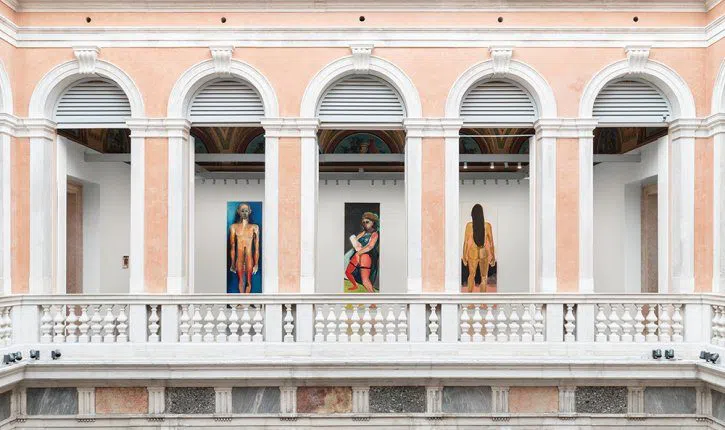
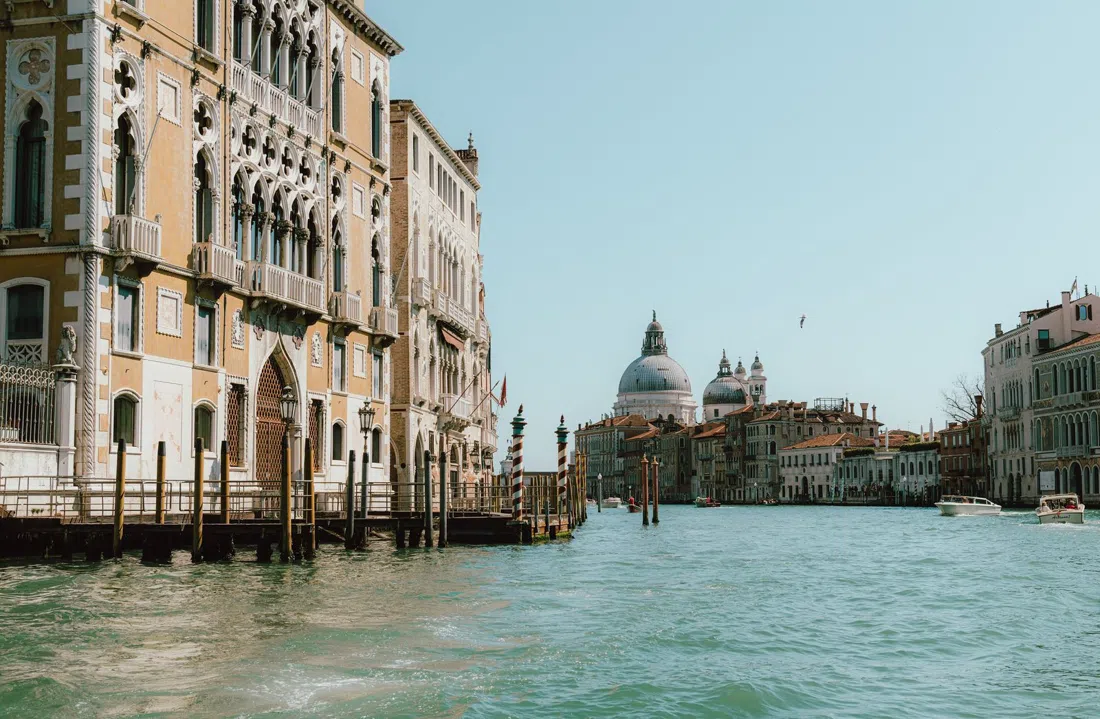
Punta della Dogana — Pinault Collection (Dorsoduro), at the point where the Grand Canal meets the Giudecca channel, is the fiscal end of the story. Every incoming cargo was weighed, taxed and cleared in the Dogana da Mar: this is the building that turned pepper into state revenue. It now shows contemporary art at around €18 on a combined ticket with Palazzo Grassi; the 2026 programme runs 29 March to 22 November and it closes Tuesdays. Read the halls as architecture: the long warehouse bays are still legible under the installations, and the space takes large parties comfortably.
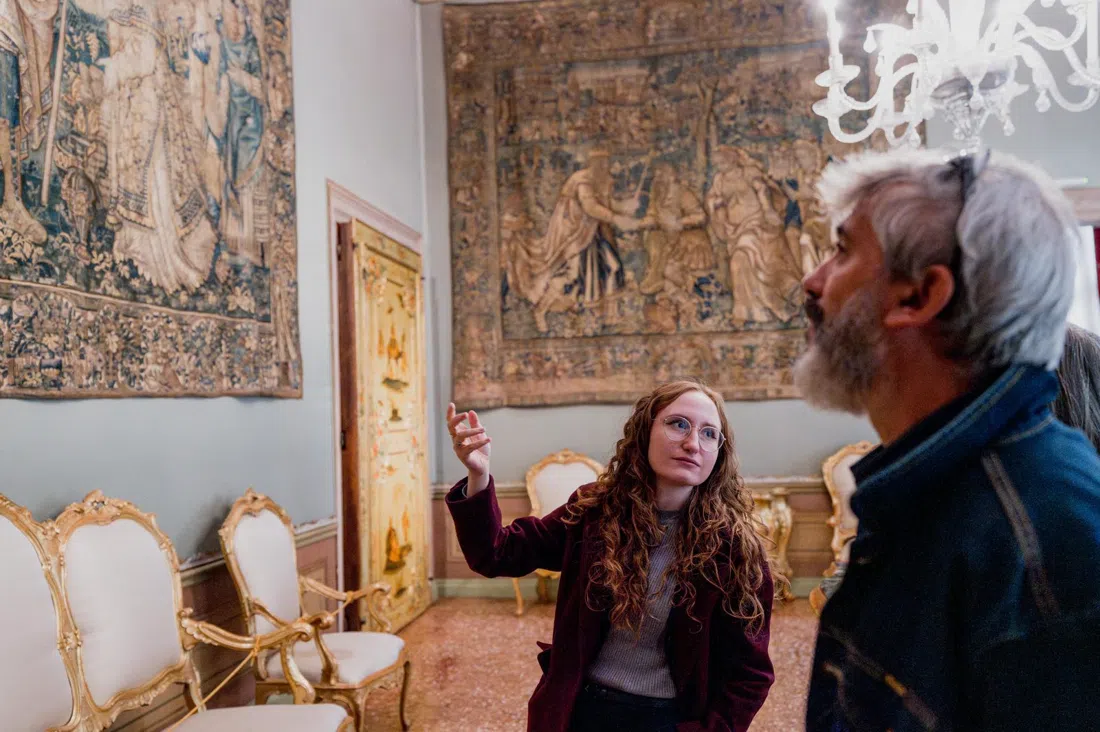
Fifteen to eighteen minutes north-west through the calli, Ca' Rezzonico — Museo del Settecento Veneziano (Dorsoduro) holds the Farmacia Ai do San Marchi, a complete 18th-century pharmacy interior dismantled from Campo San Stin and rebuilt intact. Around €14, Museum Pass valid, closed Tuesdays. The jars and drawers are the clearest evidence anywhere in the city that pepper, cinnamon and saffron were sold as medicine as much as food. The pharmacy rooms are small, so expect single file, and a group should move through in twos.
One planning trap: the Dogana and Ca' Rezzonico both close on Tuesdays, so a Tuesday in Dorsoduro loses you both halves of this section.
Where the convoys were auctioned and the routes were drawn
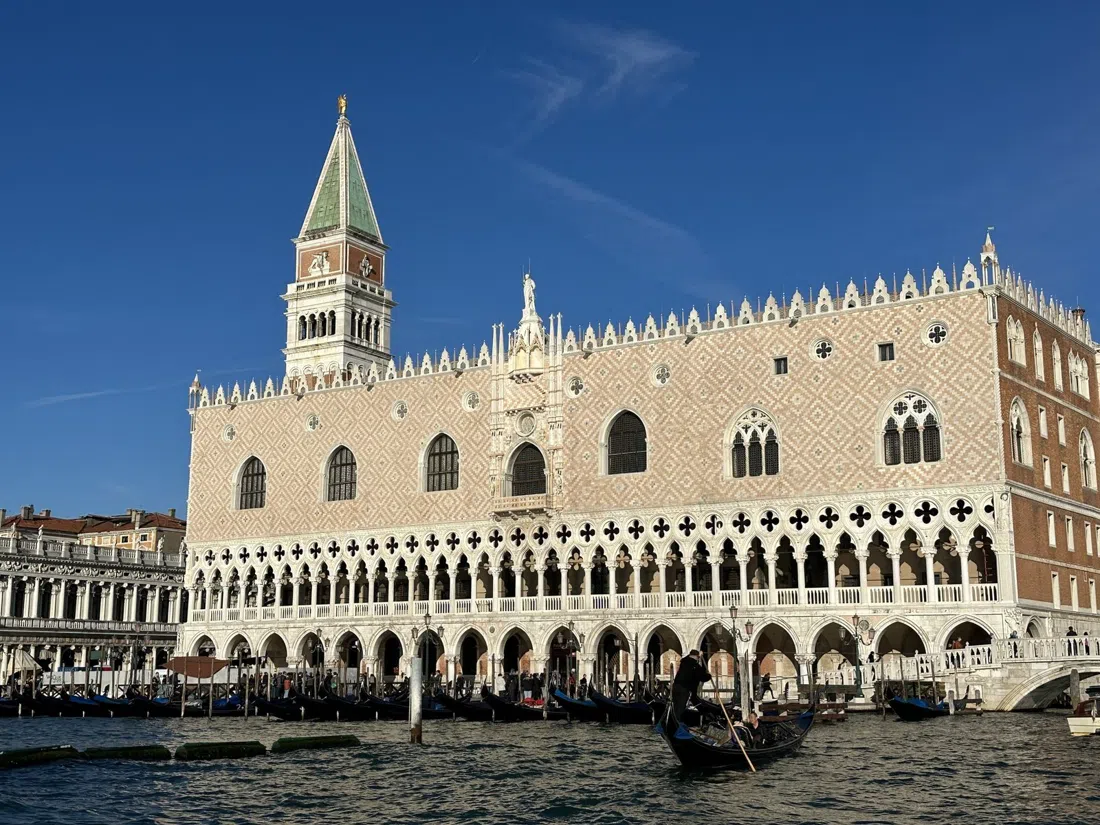
Palazzo Ducale (San Marco) is the head office. The Senate met here to auction the state galley convoys, the mude, to Alexandria and Beirut, and to fix what they carried and what it cost. That is the political layer no market walk can give you. Around €30–35 on the combined ticket with the St Mark's Square museums, timed entry, book online, open daily except 25 December and 1 January. Group bookings, guided tours and the Secret Itineraries route through the administrative back rooms are all available, and Secret Itineraries is the version that fits this subject.
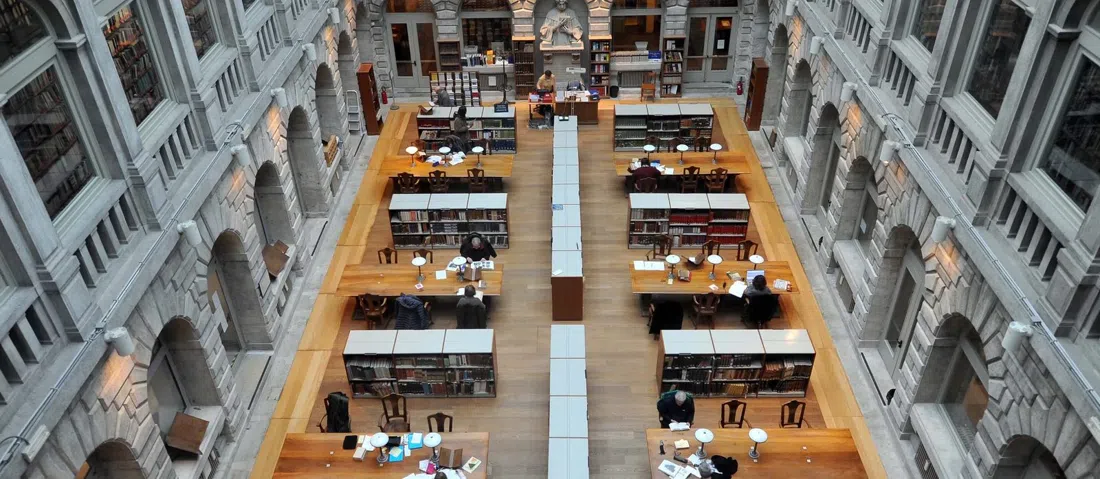
Three minutes across the Piazzetta, on the same ticket, the Biblioteca Nazionale Marciana — Monumental Rooms (San Marco) hold Fra Mauro's mappamondo: the spice route drawn from Venetian merchant testimony, with Calicut, Ceylon and the Moluccas mapped decades before Portuguese ships rounded Africa and broke the monopoly. The map's room can rotate, so confirm on the day. If the queue at the Doge's Palace defeats you, these rooms are the quiet alternative: large, cool, usually near-empty, and already paid for.
Medicine and ships in Castello
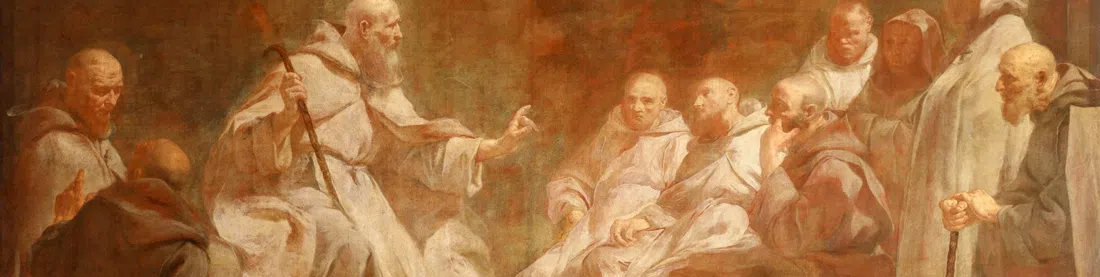
Scuola Grande di San Marco — Museo di Storia della Medicina (Castello, Campo Santi Giovanni e Paolo) is where the spice trade turns into pharmacy. Theriac, the compound medicine made from dozens of imported aromatics, was produced here under state quality control and exported across Europe as a branded Venetian product. Around €8, guided options higher, open Tuesday to Saturday plus the first Sunday of the month. The hall fronts the working city hospital, so ignore the ambulances and use the marked museum door.
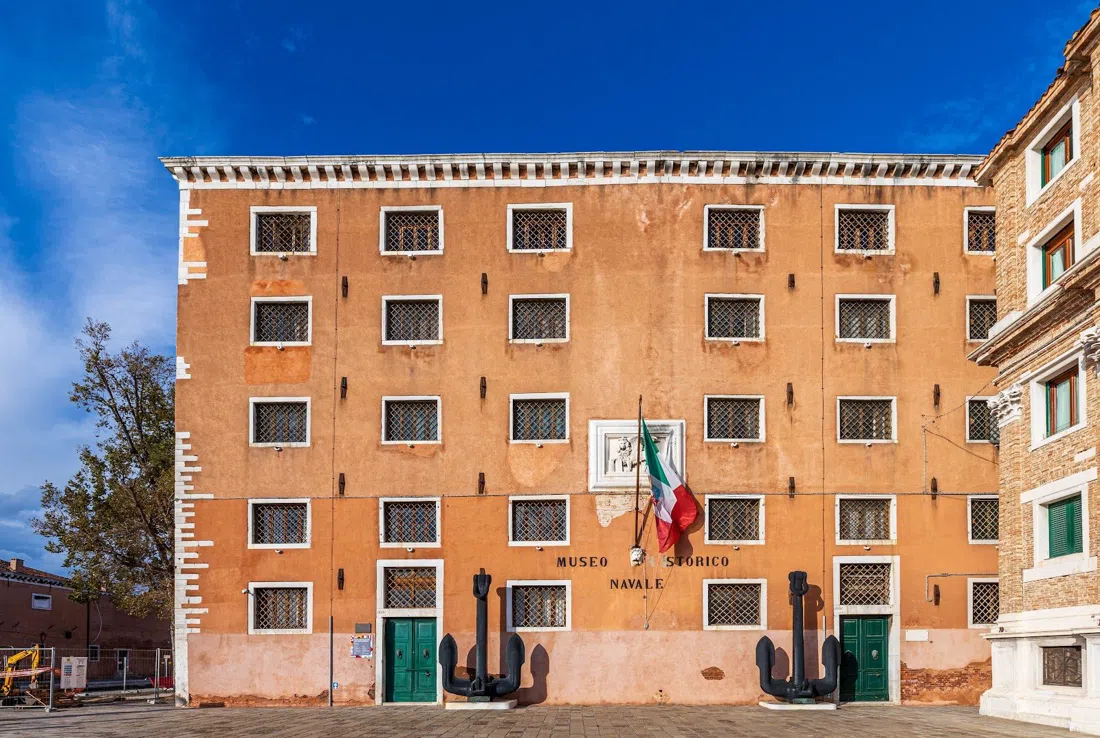
Twenty minutes east, or fifteen from Palazzo Ducale along the Riva, Museo Storico Navale di Venezia (MUNAV) (Castello, Arsenale) gives you the ships themselves: the round-hulled cogs and the state galleys that carried the pepper convoys, inside the complex that built them. Around €10 with the Ship Pavilion included. It has been reopening and re-displaying progressively since 2024, with a café due in 2026, and it is genuinely built for groups: wide circulation space, group tickets, school parties as routine.
The sugar half of the story
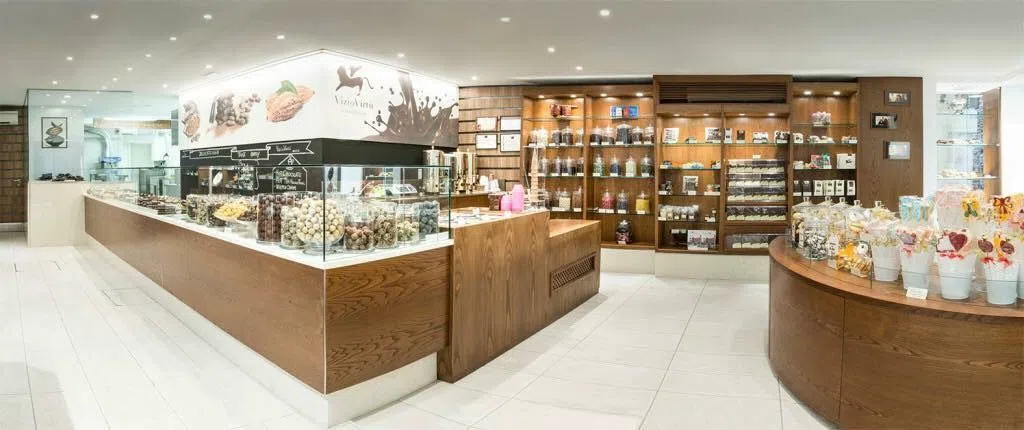
Sugar came into Europe largely through Venetian Cyprus and Crete, which is the part of this trade most people never hear about. VizioVirtù Cioccolateria (Castello, near San Lio, a few minutes east of the Rialto) still makes a spiced drinking chocolate to an 18th-century recipe, about €6 a cup, with pralines sold by weight. Open daily. The shop itself is small; the chocolate-making classes and tastings, from around €45, are the version that takes booked groups.
Getting it narrated in place
If you would rather have the fondaco and merchant-bank material explained on the spot than read off a phone, Context Travel Venice runs Rialto and San Polo walks led by credentialed historians, capped at about six people, roughly €90–110 per person; private groups start around €350. That is a great deal of money next to a €2 traghetto, and it is still the honest recommendation for anyone who wants three hours with a historian instead of a week of their own reading. Book weeks ahead in season.
Practical notes
Sequencing. Two days is enough. Day one: Rialto market at 08:00, Màscari, San Giacomo, then the vaporetto to San Stae for the Fontego dei Turchi and Palazzo Mocenigo, the traghetto back for Ca' d'Oro, and Do Mori or Bancogiro at the end. Day two: Palazzo Ducale and the Marciana first thing on a timed ticket, then Dorsoduro for the Dogana and Ca' Rezzonico, with Castello (the medicine museum, MUNAV and the chocolate) as a third day if you have one.
Days to avoid. Mondays close Bancogiro, the Fontego dei Turchi and Palazzo Mocenigo. Tuesdays close Ca' Rezzonico and the Dogana. Weekends close Do Mori, and Sundays close both the Pescheria and Màscari. Thursday and Friday are the two days on which everything in this article is open.
Getting around. Almost all of it is walkable; the useful boat hops are Rialto to San Stae and the run down to Dorsoduro. A single vaporetto ride costs roughly €9–10 and day passes start around €25, so check current ACTV fares and decide whether you will use it more than twice. The Santa Sofia traghetto, about €2, is the cheapest ride on the Grand Canal.
Cash. Cards work in the museums and at Bancogiro. Carry €30–40 in small notes for the traghetto, the bacari, the church donation box and the market stalls.
Budget. Admissions for everything here come to roughly €110–130 per person, less if the Venice Museum Pass covers your Mocenigo, Ca' Rezzonico and Fontego dei Turchi visits; food and wine at bacaro prices add €25–40 a day. The Context walk sits on top of that.
Where to sleep. San Polo and Santa Croce put you inside the story and within ten minutes of the market's opening hour, which is the one appointment worth building a day around. Start with a Venice hotel search, and read the wider Venice guide for how the districts differ before you book.