The early boat out of Fondamente Nove in October carries more men in work jackets than day-trippers, and the lagoon stays flat and pewter-coloured until the sun lifts over the cemetery wall and turns the water the colour of weak tea. The furnaces are running again after the summer shutdown, the shop awnings are down, and the crowded stretch of the main canal only really fills for a couple of hours around midday. This is a month that rewards an early start, a slow route and a willingness to turn off the shopping street.
What you actually see on Murano
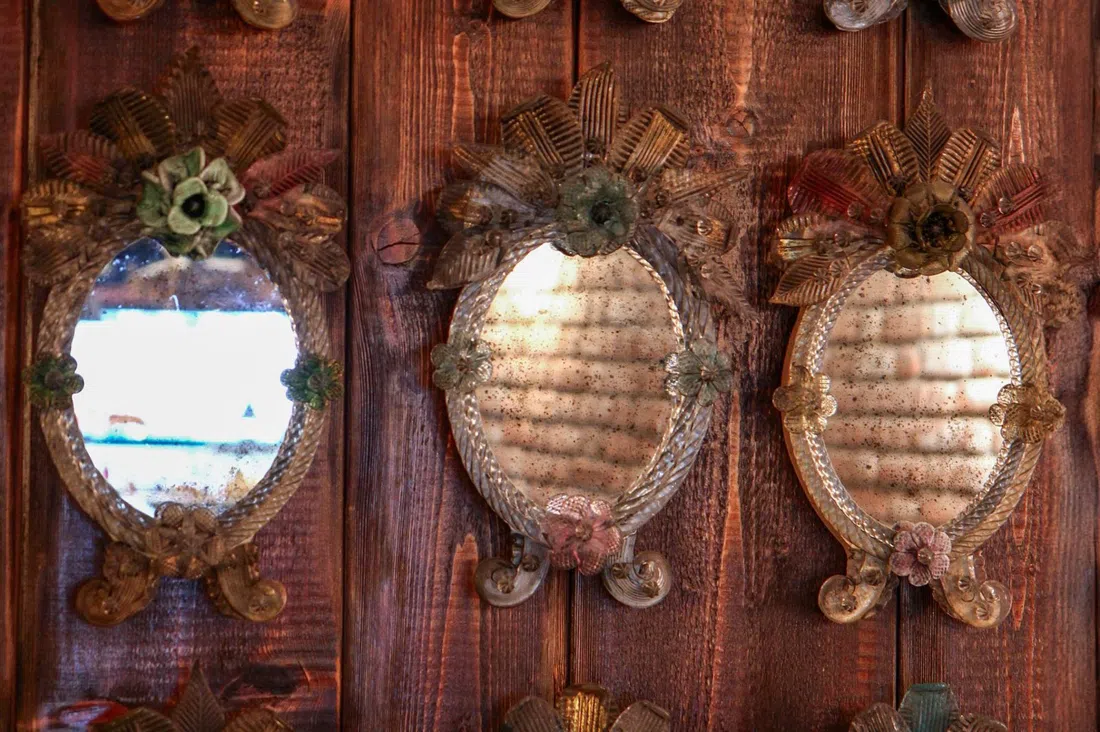
Murano is not one island but five small ones stitched together by bridges, with a canal running through the middle like a smaller, blunter Grand Canal. Around 4,000 people live here. It is a working place: glass is still made in sheds behind blank doors, delivery barges block the fondamenta at 08:00, and the washing is out over the water.
What a visitor does here breaks into four things: watch glass being blown, see the museum and the two churches that explain why the island exists, walk the canal, and eat before the kitchens close. Done properly that is four to six hours. Done as a stop between boats it is forty minutes of souvenir shops, which is where most of the island's bad reviews come from.
Watching glass being made
The demonstration is what most people come for, and the cheapest version is the most honest. Original Murano Glass OMG (just off the Fondamenta dei Vetrai, five minutes from the Colonna landing) runs demonstrations roughly every half hour for about €5 entry. You get around fifteen minutes (a horse and a vase, the two island set pieces, pulled out of the furnace in front of you) and no obligation beyond the fiver. Booking ahead is advised rather than required; in October a walk-in usually lands on the next slot. It takes groups as well as individuals, so if a party has just arrived, wait for the following demonstration instead of standing three rows back.
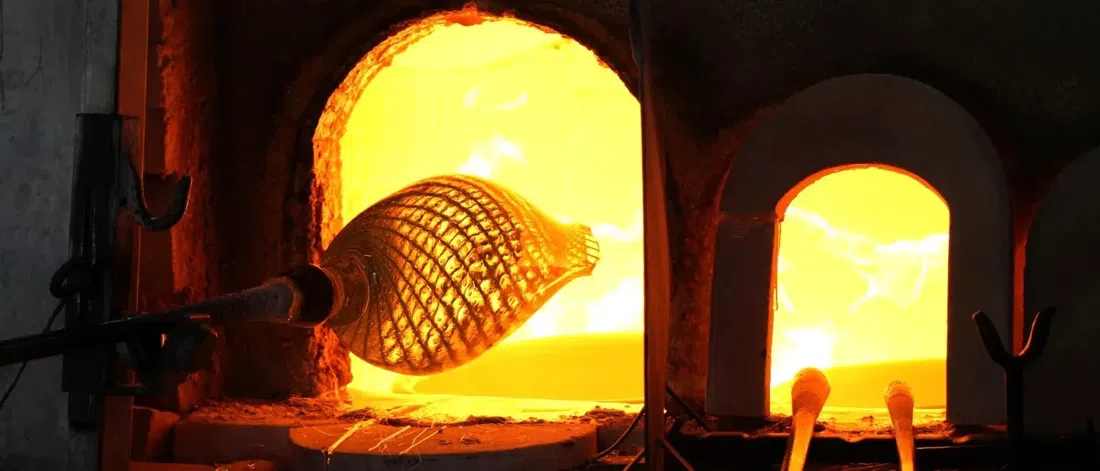
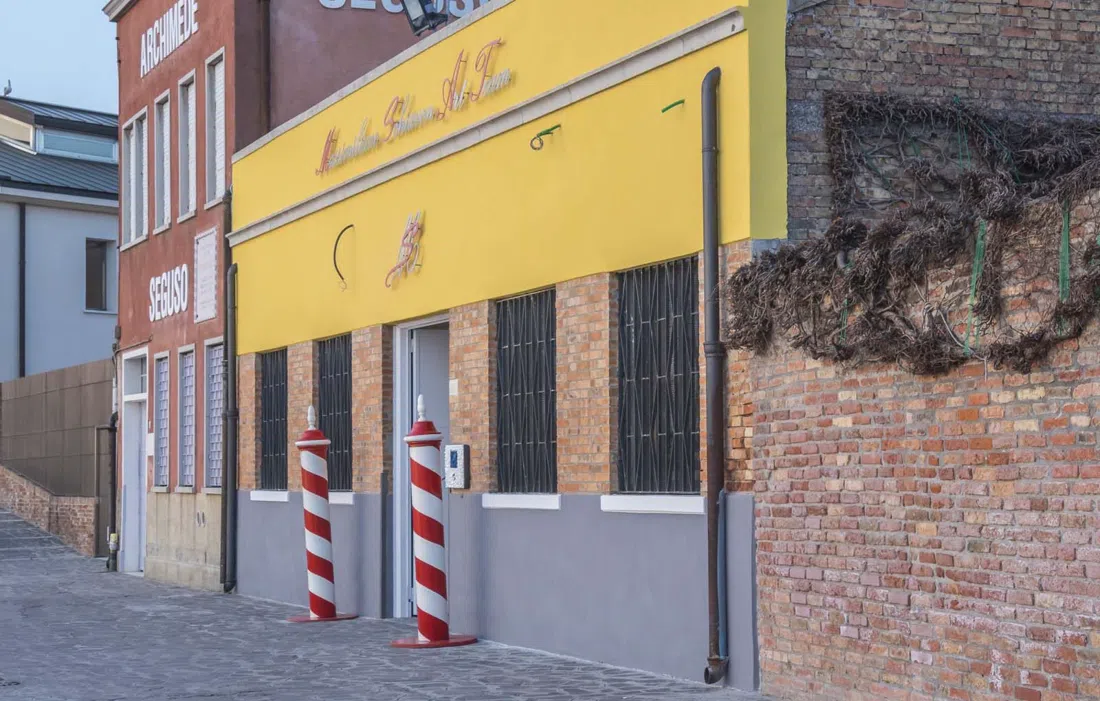
For the industrial scale behind the souvenirs, Massimiliano Schiavon Art Team (Sacca Serenella side, about ten minutes' walk from the centre) runs one of the larger furnaces on the island, now in its sixth generation. The showrooms are free to walk into; furnace tours have to be arranged in advance by email to [email protected]. Write a week ahead. There is no turn-up option, and the size of the operation means it handles a sizeable group comfortably, the opposite of the boutique furnaces.
Scuola del Vetro Abate Zanetti (Calle Briati, a few minutes north of the museum) is the island's training institution, descended from the drawing school Abbot Zanetti founded for glassmakers in 1862. Furnace and torch demonstrations run with MUVE Academy on Tuesdays and Thursdays at 14:00 and 16:00 only, free to modest in price, booked in advance. Short Glass Experiences are priced per session and the 20-hour basic courses cost considerably more. If your October day is mid-week, this is the version with the least gift-shop in it; if you are here at the weekend, it simply isn't available.
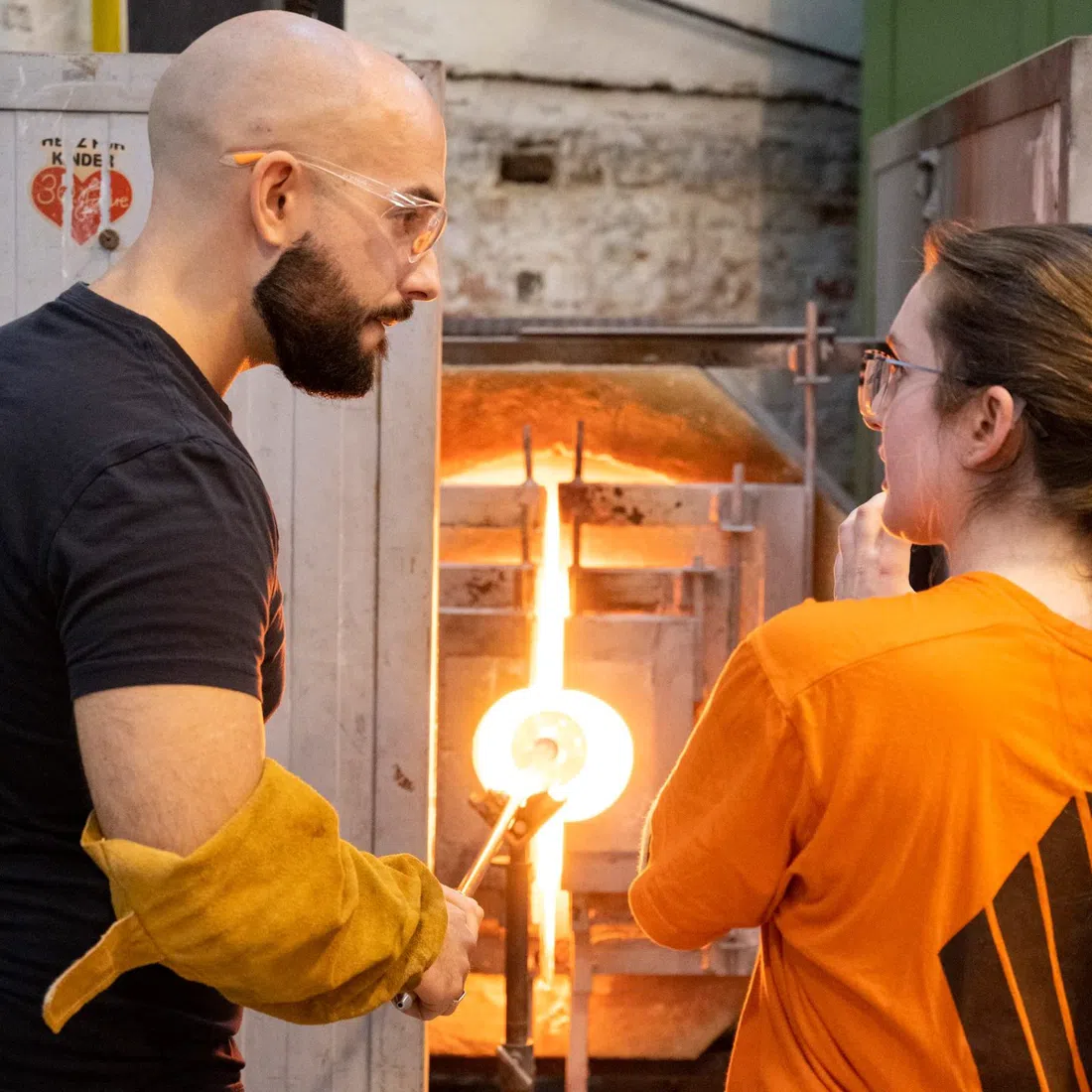
The hands-on option is Wave Murano Glass (Fondamenta Navagero, on the quieter north bank). It is the one place where you blow your own piece instead of watching someone else do it, and it is deliberately tiny: a hard cap of four participants per workshop plus one non-participating companion. From €245 per person for two and a half hours. Book weeks ahead, because this is not a group venue and it does not absorb last-minute additions. Be straight with yourself about the physical side too: the heat is real, you stand throughout, the safety briefing is in English only, and that rules it out for small children and for anyone with heart or back trouble.
The museum that explains the rest
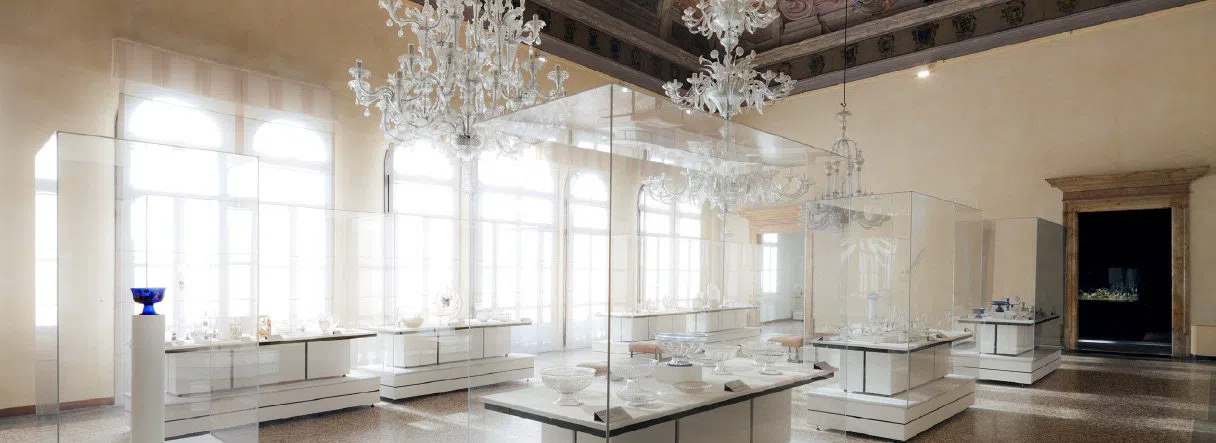
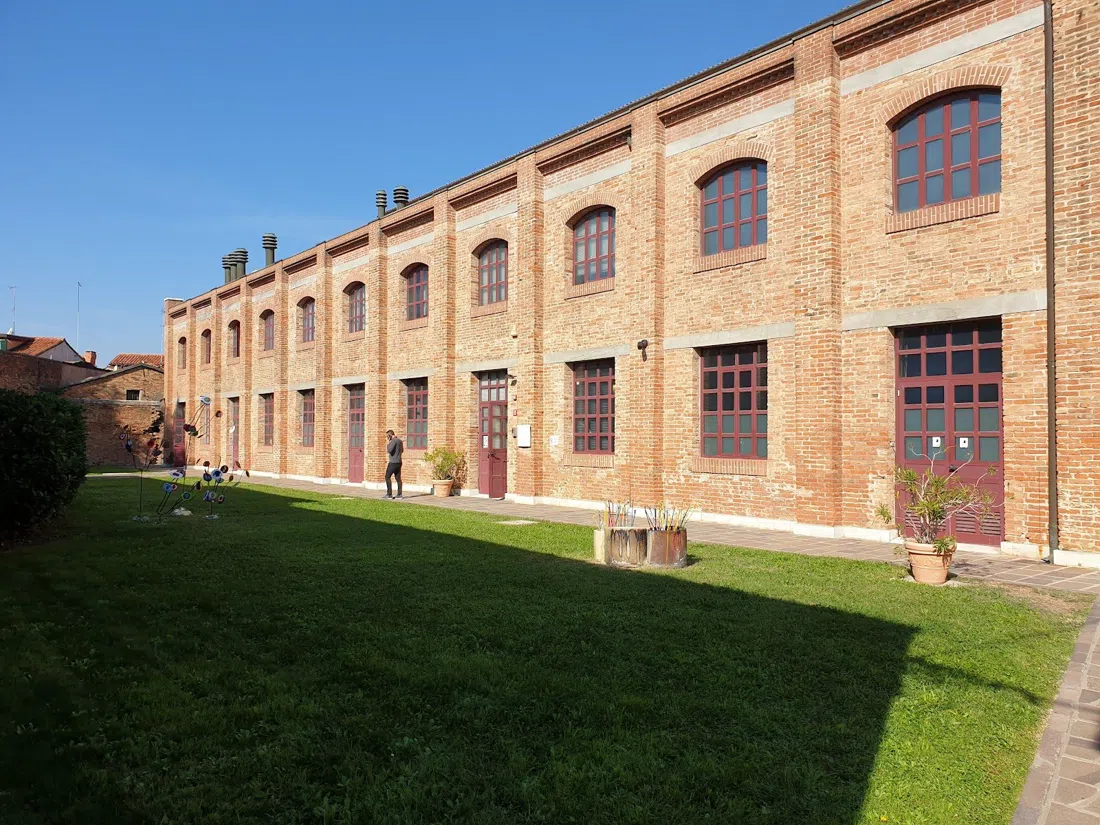
Museo del Vetro (Fondamenta Giustinian, about four minutes' walk along the canal from the main square) is the one anchor that makes sense of everything else: 1,500 years of glass in a single building, from Roman fragments to the mid-century pieces that made Murano's modern reputation. Entry is €15 full, €7.50 reduced, or €20 for an Island Museums combination ticket that also covers two other lagoon museums if you are making a longer day of the water.
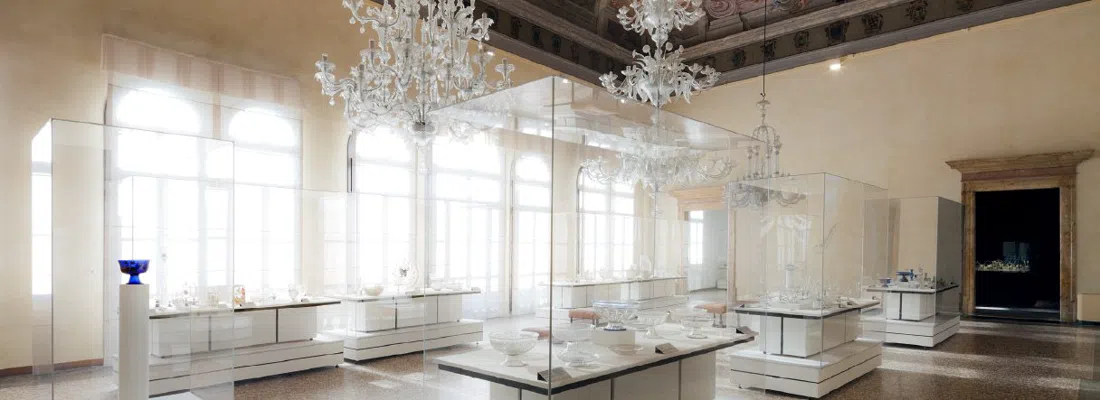
The October detail that catches people out is the closing time. The museum runs 10:00 to 18:00 until 31 October, with last entry at 17:00. Arrive before 17:00 or you are looking at a locked door. Allow 75 to 90 minutes. There is a cloakroom, but no suitcases and nothing over one linear metre, so this is not somewhere to park a wheeled bag between trains. Booked groups and school parties are standard here, which means the first rooms can clog around 11:30; start upstairs and work back if you hit one.
Two churches, and the floor under your feet
Two minutes beyond the museum, Basilica dei Santi Maria e Donato (Campo San Donato, at the far end of the canal) is the oldest thing on Murano and the piece almost nobody on a boat tour sees. The mosaic floor was laid in the same decade as the one in St Mark's, and standing on it alone on an October morning is a different experience from queueing across the water for the same century of work. Entry is €3 full, €1.50 reduced, and tourist visits are arranged by booking via [email protected]. Small groups are fine; coach-scale parties are not. Sunday mornings are blocked by mass until 11:30, so a Sunday visit means planning the afternoon around it.
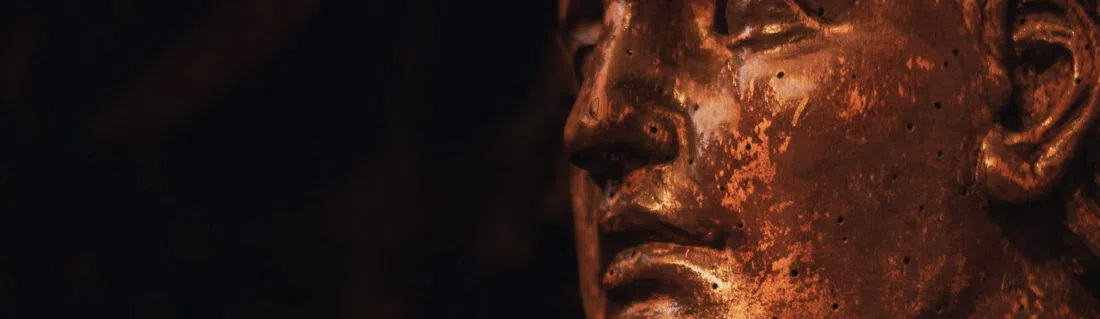
Back towards the landing, Chiesa di San Pietro Martire (Fondamenta dei Vetrai, two minutes off the glass drag) holds a real Bellini and a Tintoretto and asks nothing at the door beyond a donation. A reservation is requested for tourist visits through the same address, [email protected]. The nave is narrow, so small groups only. One trap: on Tuesdays it closes early, at 15:30.
The walk from the landing to the lighthouse
Fondamenta dei Vetrai (Colonna, the main canalside street) is the island's spine and the first thing you step onto. It is free to walk and it holds almost all the retail, which means it goes shoulder-to-shoulder the moment a boat empties and clears again twenty minutes later. The quiet alternative is one bridge over: the north bank towards Navagero carries the same light, the same water and perhaps a tenth of the people, and it still lands you at the museum.
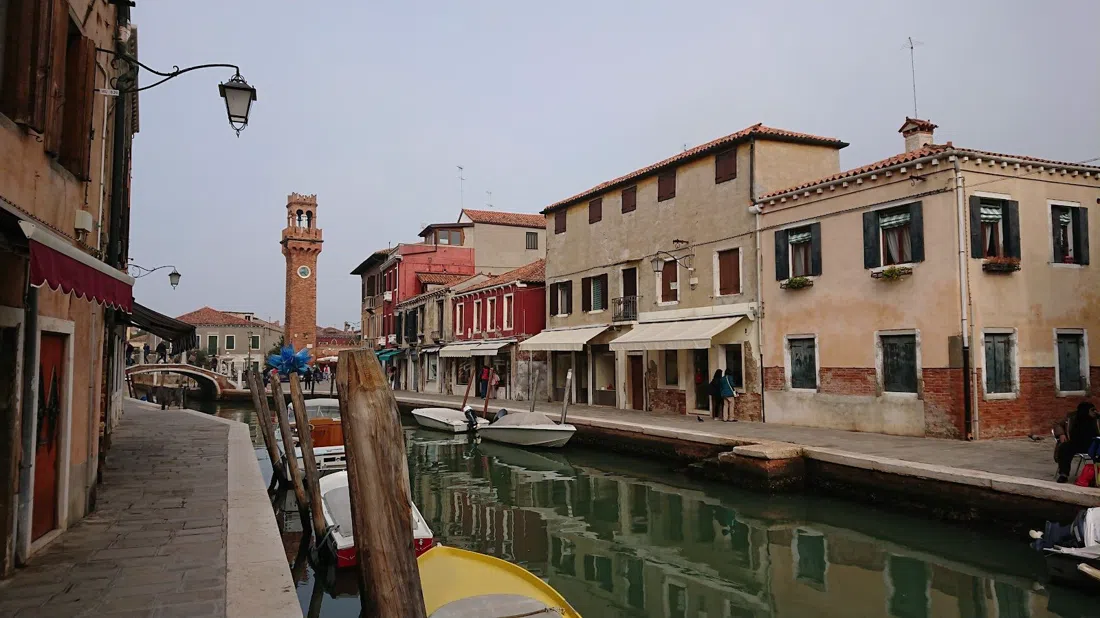
Five to seven minutes along, Campo Santo Stefano and the Comet Glass Star (the central square, by the clock tower) is the obvious meeting point: Simone Cenedese's 2007 comet in blue glass, now the island's unofficial emblem and a fast, free demonstration of what the material does at scale. Three minutes, no ticket, and expect clusters of guided parties around the base of it between 11:00 and 14:00.
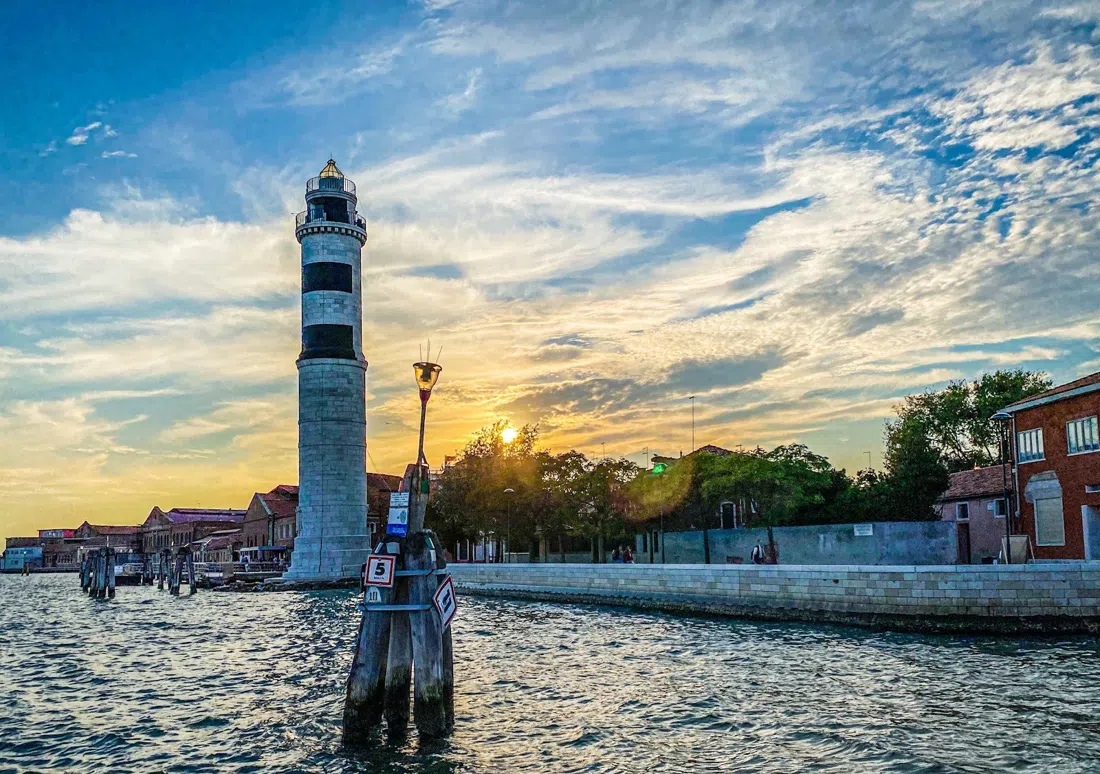
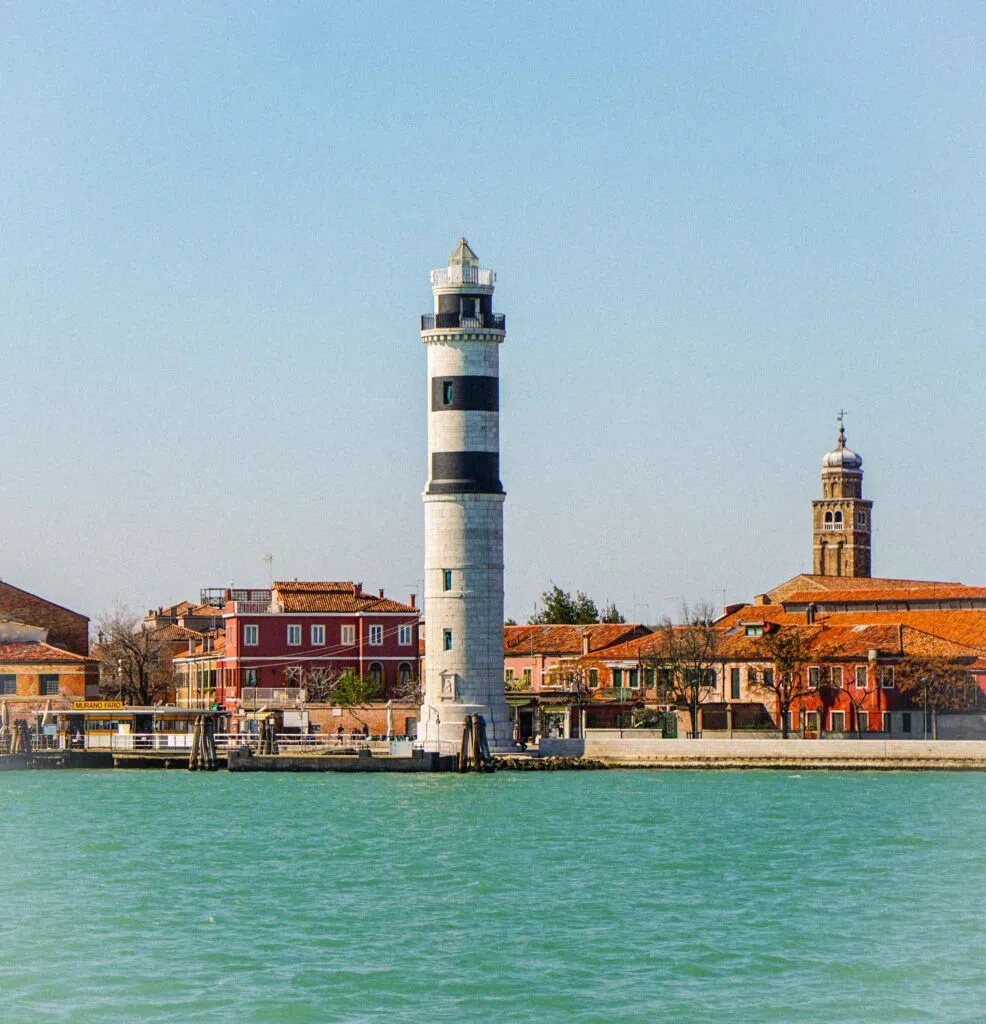
At the north-east tip, Faro di Murano (the Faro landing, about ten minutes' walk from Colonna) is the arrival shot: a stone lighthouse, the widest open-lagoon view on the island, and the Venice skyline sitting low behind it. The tower is not open to the public, so this is an exterior-only stop. In October, with the sun lower and the air clearer, it is worth timing for the last hour before sunset instead of the middle of the day.
Contemporary glass, if chandeliers leave you cold
Fondazione Berengo Art Space (Campiello della Pescheria, near the Colonna end) is the corrective for anyone who thinks Murano is only chandeliers and glass clowns. Adriano Berengo has been putting contemporary artists in front of Murano furnaces since 1989, and Glasstress 2026 is on. Open daily 09:00 to 17:00, free to low, and happy to take walk-ins, though a larger party is better announced ahead. Forty-five minutes.
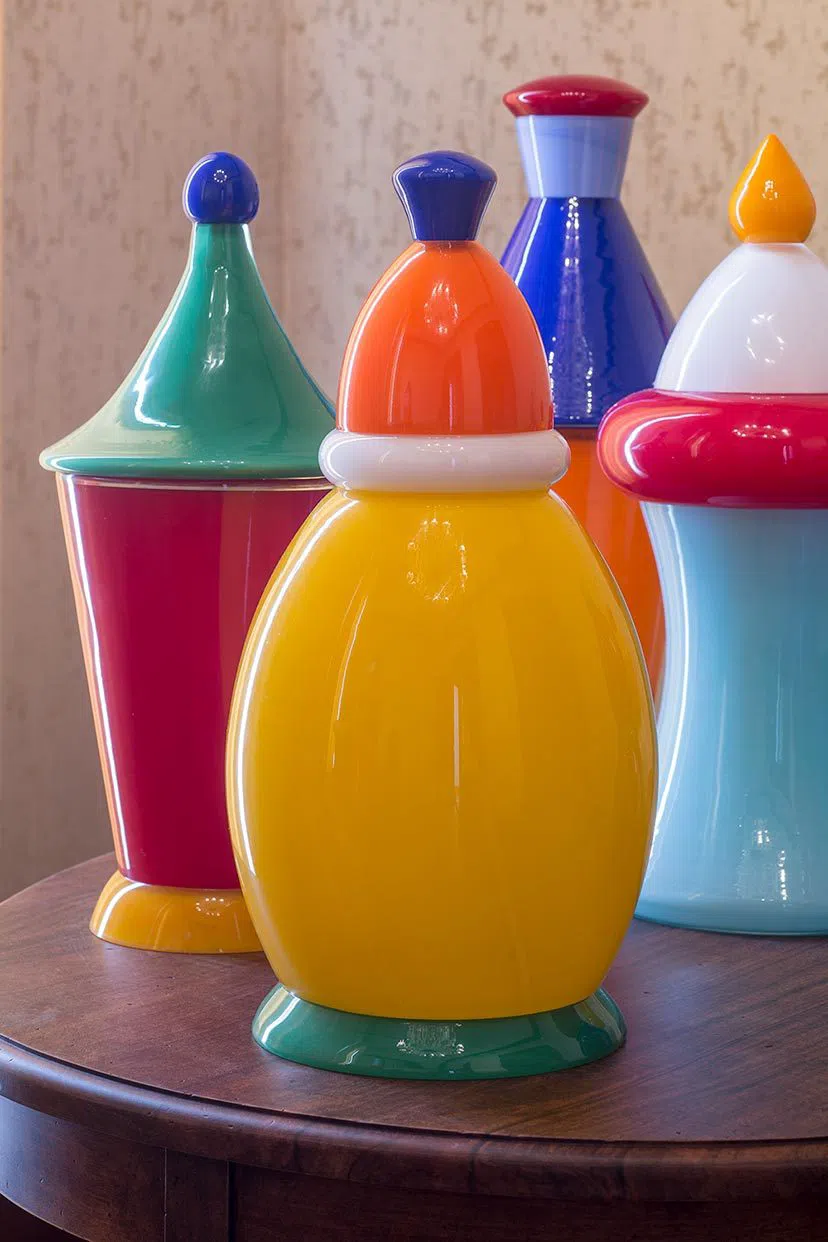
Lino Tagliapietra Showroom (central Murano, by reservation) is the tighter, rarer stop: the living master of the island, with his 'Layers of Light' exhibition running only to 31 October 2026. Visits are strictly by reservation, small booked groups, no drop-ins, and October is the last month this one is on the table at all. If you want it, email before you travel, not on the morning.
Buying glass without getting stung
The shopping street is also where fake 'Murano glass' is thickest. Look for the numbered Vetro Artistico® Murano label, the consortium mark that ties a piece to a registered island furnace. No label and a suspiciously round price usually means an import. Buying directly at a furnace showroom, Schiavon's or the shop attached to a demonstration, removes most of the risk, though not the markup.
Lunch, because the kitchens shut early
Murano eats at noon and then stops. Plan around that or you will be hunting a sandwich at 16:00.
Trattoria Busa alla Torre da Lele (Campo Santo Stefano, on the main square) is the island institution for lagoon fish. Lele has run it since 1989, the tables sit out on the best-placed campo on Murano, and it costs roughly €35 to €55 a head with wine. It is lunch only, about 11:30 to 15:45, so it cannot be a dinner plan. It handles tour parties and large tables; call or WhatsApp +39 350 5311931 to book a group.
Osteria al Duomo (Fondamenta Maschio, near San Donato) is the practical choice for a mixed or large group: a big garden, pizzas from around €9, mains €15 to €25, and, unusually here, open for lunch and dinner every day, year-round, with gluten-free options and enough menu breadth for fussy eaters.
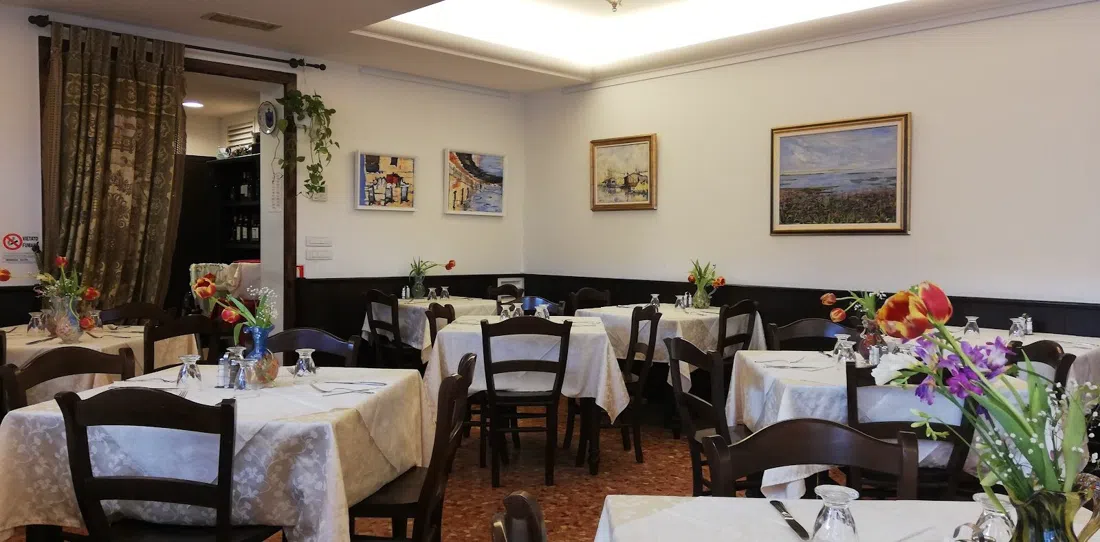
Osteria Acquastanca (Fondamenta Manin, on the canal) has had the lightest, most market-driven cooking on the island since it opened in 2012, at around €45 to €65 a head. It is also a very small room: couples and pairs, not groups, closed Sunday, and dinner served only on Monday and Friday. Treat it as a reservation made in advance, never a fallback.
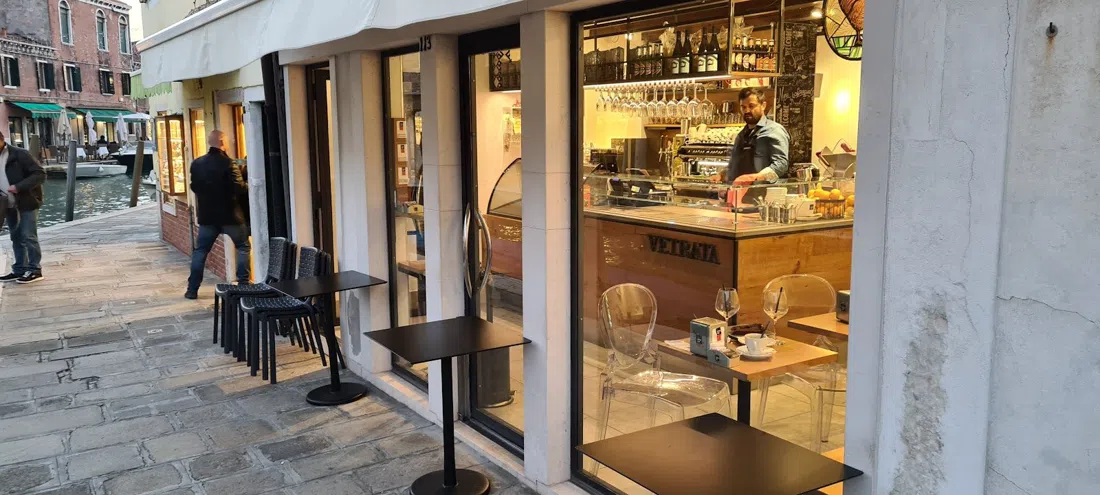
Vetrata Bar (near the Colonna landing) covers the gaps: roughly 07:00 to 18:00 daily, coffee €1.50 to €3, gelato from about €2.50, sandwiches and a spritz for a few euros, with an outdoor terrace that absorbs a group without a booking.
When to go in October
October is the quiet-shoulder month that still has full opening hours. Three timing rules make the difference.
First, the day. Boats start unloading in volume around 10:30 and the pressure lifts after 15:00. Catch the 08:30 vaporetto, do the museum at opening, and you will have the churches and the north bank to yourself while the main street fills behind you.
Second, the day of the week. Tuesday or Thursday if you want the Abate Zanetti demonstrations at 14:00 or 16:00. Avoid Tuesday afternoon for San Pietro Martire, which shuts at 15:30. Sunday morning rules out the basilica until 11:30 and Acquastanca is closed all day. Monday and Friday are the only dinner nights at Acquastanca.
Third, the light. Late October gives you a low sun by about 16:30 and a long golden hour over open water at the lighthouse, the one time of year when the lagoon view and the opening hours overlap. Bring a layer: it is 15 to 20°C by day, cooler and damp on the water in the morning, and the occasional high tide can put shallow water on the lower fondamente for an hour or two.
Door prices against a booked boat
Doing Murano yourself is cheap. Museum €15, demonstration about €5, basilica €3, churches and squares otherwise free. Call it €25 of entry plus transport for a full day. There are no real queues in October at any of them; the constraints are opening hours and the venues that require an email in advance, not ticket lines.
A guided boat option exists and is attached to this page separately. The case for it is logistics: one boat, no vaporetto changes, and a guide who gets you into a furnace without planning. It runs seven days a week and starts from 51 USD per person. The bookable tours here carry 21,789 traveller reviews between them, so the format is well tested. The case against: a group boat usually visits one furnace with a sales room at the end, moves at the pace of its slowest passenger, and rarely includes the basilica or the museum. If you want the island and not just the demonstration, go independently.
Who it suits, and whether it's worth it
Worth it, with a condition: give it half a day minimum. Murano repays slow walking and punishes a forty-minute stop. It suits anyone with an interest in how things are made, couples who want a quiet morning off the main Venice circuit, and families, since the furnace demonstration holds a child's attention for its full fifteen minutes. It suits groups well on the walking and eating side, less so at the small churches and not at all at Wave Murano Glass. Travellers with mobility limits should know the island is flat but bridged: short, stepped humps over the canal, with no step-free way around most of them.
If you only have one lagoon morning and you came to Venice for painting rather than process, spend it elsewhere in the city. Our Venice guide sets out the alternatives.
Practical notes for an October day
Getting there. Vaporetto from Fondamente Nove to Murano Colonna takes about ten minutes; there are also direct services from the station and Piazzale Roma side that take longer. Get off at Colonna to walk the island south to north, or at Faro if you want the lighthouse first and the crowds behind you. A single ticket is in the €9 to €10 range and 24-hour passes around €25. Check the current fare at the machine, as it moves. If you are continuing across the lagoon, line 12 from Faro carries on north.
Cash. Cards work in restaurants and the museum. Carry €20 to €30 in coins and small notes for the church donations, the €3 basilica entry and the €5 demonstration, which are smoother in cash.
Timing. First boat around 08:30, demonstration at 09:30, museum at 10:00, basilica at 11:45, lunch at 13:00, Berengo at 15:00, lighthouse at 17:00. That is a full, unhurried day with no doubling back.
Budget. Around €25 entry, €15 transport and €20 to €55 for lunch, so €60 to €95 a head for a thorough independent day, less if you skip the museum, far more if you book the hands-on workshop.
Staying. A handful of small hotels and bed and breakfast rooms exist on Murano itself, and they are quiet after 18:00 when the last boats take the day visitors away, but the island eats early and the choice is thin. Most people base themselves across the water; compare rates with our Venice hotel search and treat Murano as the morning you leave earliest for.