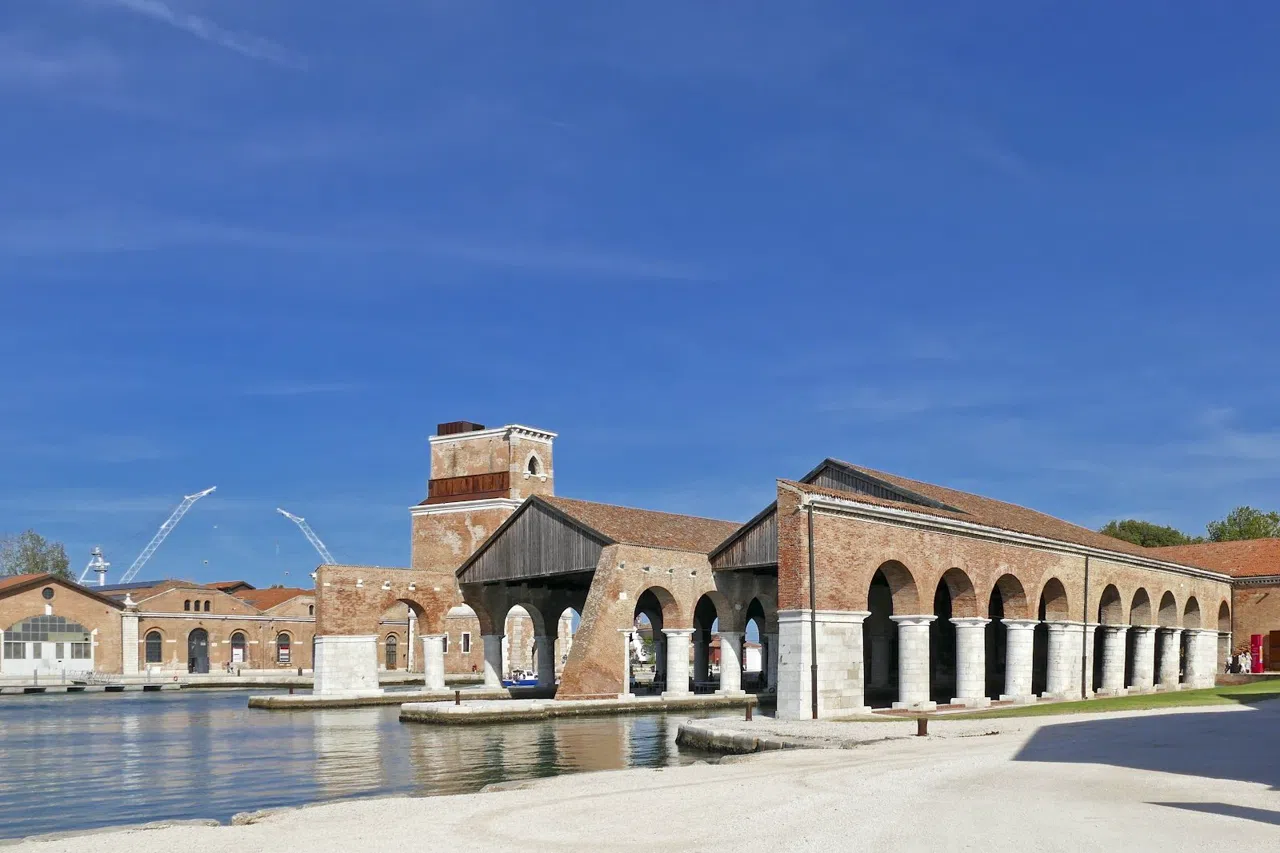

The Arsenale built a warship a day at the height of its power, an assembly line four centuries before Henry Ford drew one on paper, and it did it behind walls so thick and so guarded that Dante wrote about them without ever getting inside. What's left today is scattered — a gate, a museum wing, a handful of workshops that still bend wood the old way — but pieced together on foot, by water, and by one very early email, it adds up to the clearest picture Venice has of how an empire was actually built.
Behind the Walls: The Arsenale Itself
Arsenale di Venezia (Castello) is still, technically, a working naval base — which is why the ordinary rule is that you can't get in. Most of the complex, once the largest industrial site in pre-industrial Europe, is closed to the public every day of the year except during the Biennale Arte, when parts of it open as an exhibition venue. In 2026 that window runs 9 May to 22 November, with timed general admission tickets from €12 depending on which combination of Giardini and Arsenale sites you choose, rising to €25 for a full combo ticket. Licensed guides can arrange group visits inside that same window — worth doing if you're travelling with six or more people, since walk-up queues for the Arsenale entrance build fast on weekend mornings. Outside Biennale season, the free version of the visit is the gate itself: the fortified water entrance on the Rio dell'Arsenale, reachable on foot in about ten minutes from Riva degli Schiavoni, costs nothing and needs no ticket, any time of year.
The Deepest Collection: Naval History Up Close
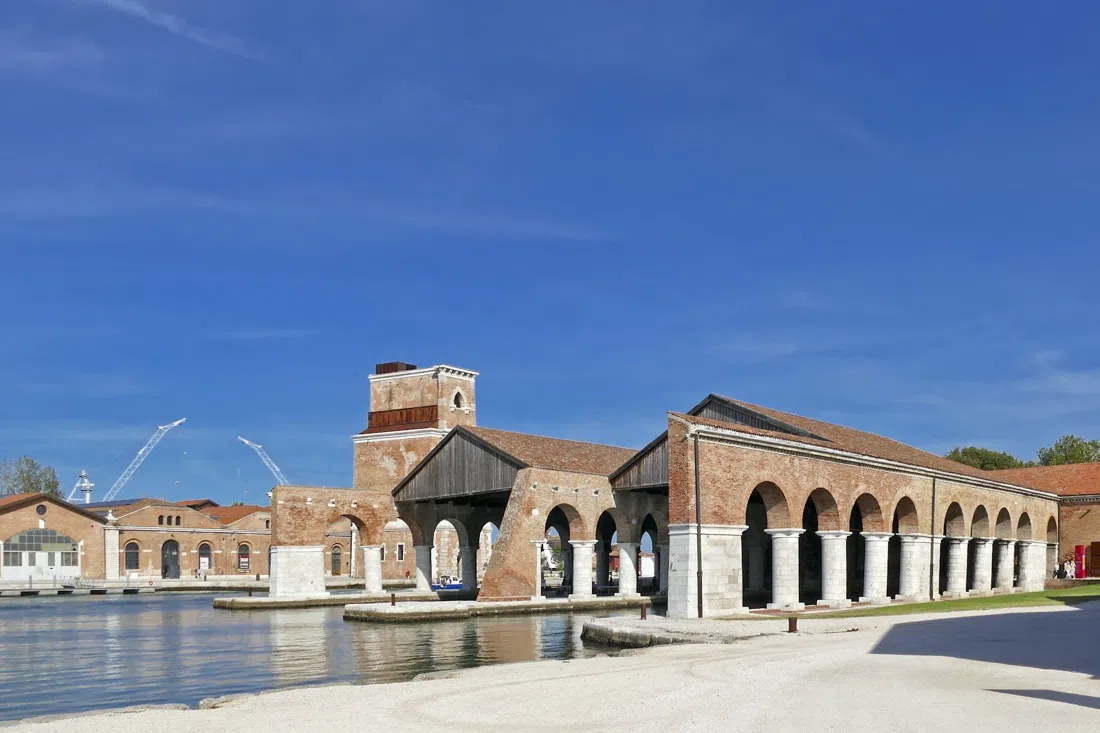
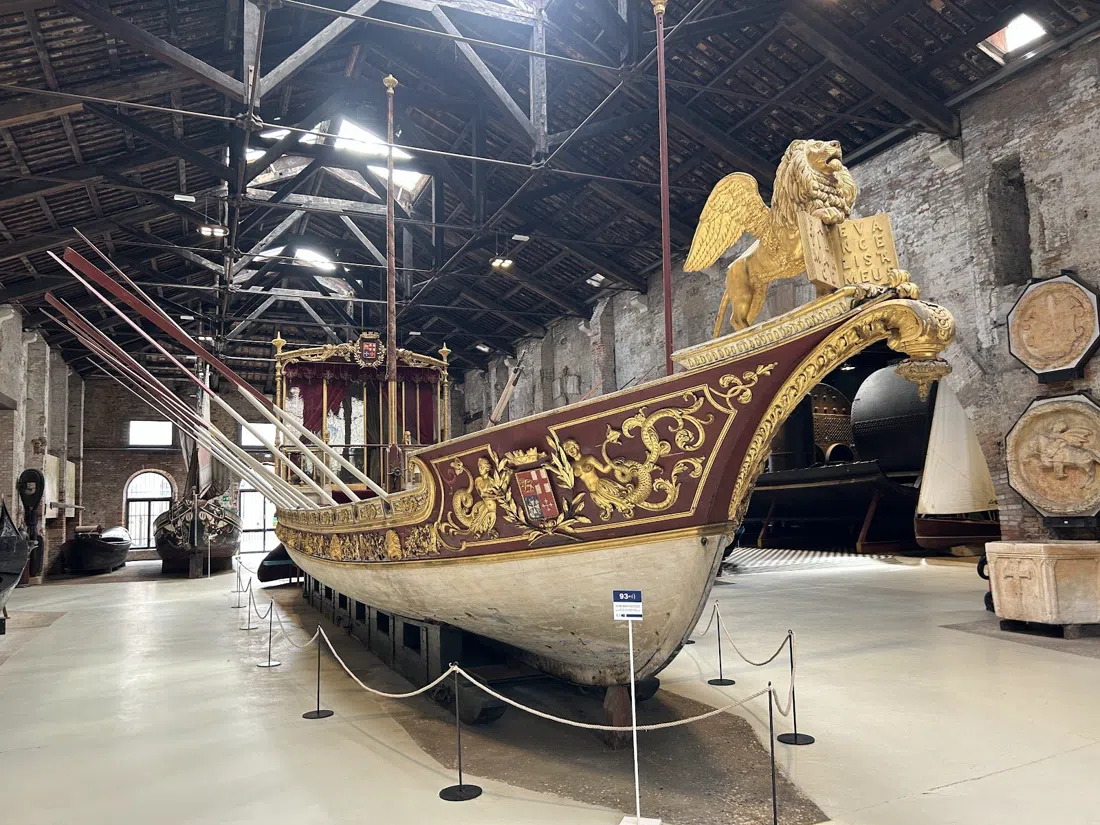
For the eight months a year the shipyard itself is shut, the Museo Storico Navale di Venezia (MUNAV, Castello) and its Padiglione delle Navi, both a five-minute walk from the Arsenale gate along the Rio della Tana, do the job the gate can't: they let you stand inside an actual Arsenal workshop and see what the arsenalotti built. The Padiglione delle Navi — the ship pavilion — reopened in 2025 after a long restoration and drew 57,000 visitors in its first year alone, which by Venice museum standards counts as a quiet return rather than a stampede; on a Tuesday morning you'll likely have whole rooms of hulls to yourself. Full admission is €17, dropping to €14 per head for groups of ten or more (school groups book through [email protected], and the accompanying teacher goes free), or €8.50 on the reduced rate for visitors aged 6–26 and Venice residents. Budget ninety minutes if you want to read the model-ship galleries properly rather than skim them — this is the single deepest collection on shipbuilding the city holds, and it rewards slowness more than most Venice museums do.
What the Arsenal Actually Made
The Arsenale's raw output — not the hulls, but the weapons that went on them — ended up five minutes' walk from St Mark's Square, in the Sale d'Armi, the Armoury wing of Palazzo Ducale (San Marco). It's included in the standard Doge's Palace ticket, from €30, with reduced rates for students and EU under-26s, and group tickets and guided tours are both well set up here — this is a mainstream museum built for volume, unlike almost everything else on this list. Go timed-entry if you can; the Palazzo's ticketing queues are the worst in the city by mid-morning. For a reader who isn't making the trip out to Castello at all, the Sale d'Armi is the honest substitute: pikes, halberds and armour racked floor to ceiling, made in the Arsenale and issued to the Republic's own soldiers, closing the loop between the shipyard and the actual business of empire.
The Shipwrights Who Never Stopped Working
The Arsenale's building sheds are shut, but its trade didn't die with the Republic — it moved to smaller yards across the city, and two of them are worth the detour on their own terms.
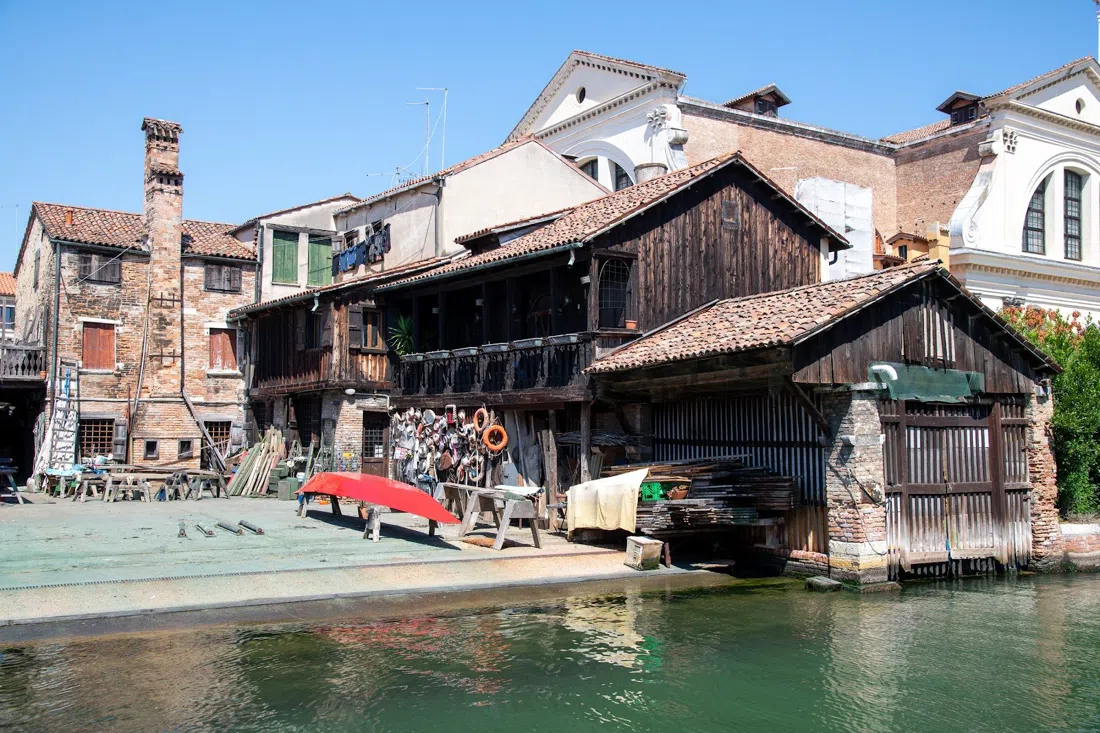
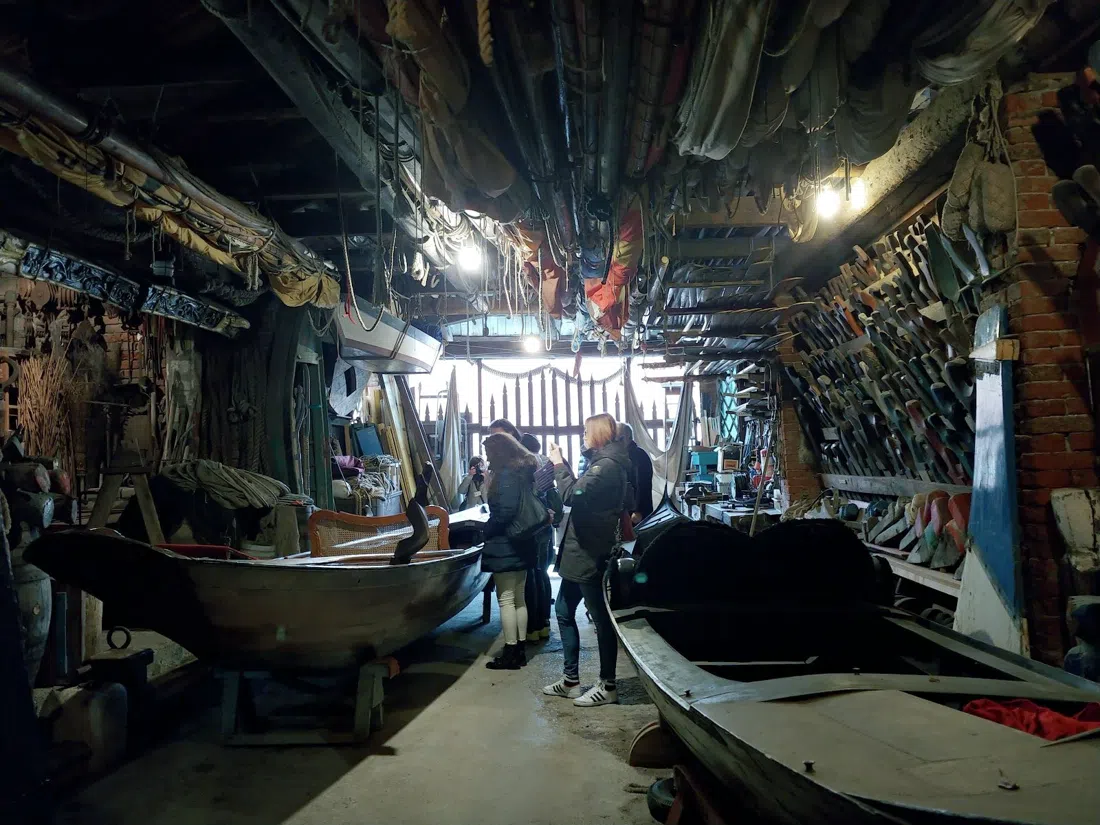
Squero di San Trovaso (Dorsoduro) is the most photographed boatyard in Venice and also the one most visitors misunderstand: it is not a museum and does not run walk-in tours. It's a working yard, still building and repairing gondolas the way the Arsenal's carpenters once built galleys, and the honest way to see it is from the fondamenta on the opposite bank of the Rio di San Trovaso, free, any time, with the yard's timber-framed sheds visible across the water. If you want to go inside, email ahead — visits are occasionally arranged and are donation-based rather than ticketed, with no fixed group-size limit since it depends on what the yard has going on that day. It's a fair twenty-five-minute walk or one vaporetto hop from the Arsenale, on the far side of the Grand Canal, so treat it as its own outing rather than a stop on an Arsenal afternoon.
Arzanà (Castello), by contrast, sits close to the Arsenale itself — a private museum of historic Venetian boats run by volunteers, and about as close as the city gets to an arsenalotto's own attic. It's appointment-only: email [email protected] ahead of your trip, and expect a warm, unhurried visit rather than a fixed-hours museum. It suits small groups well — pricing is €10 per person with a €20 minimum per group, so two people pay the same as four. Don't turn up without booking; there's no reception desk and no walk-in option.
Seeing the Walls From the Water
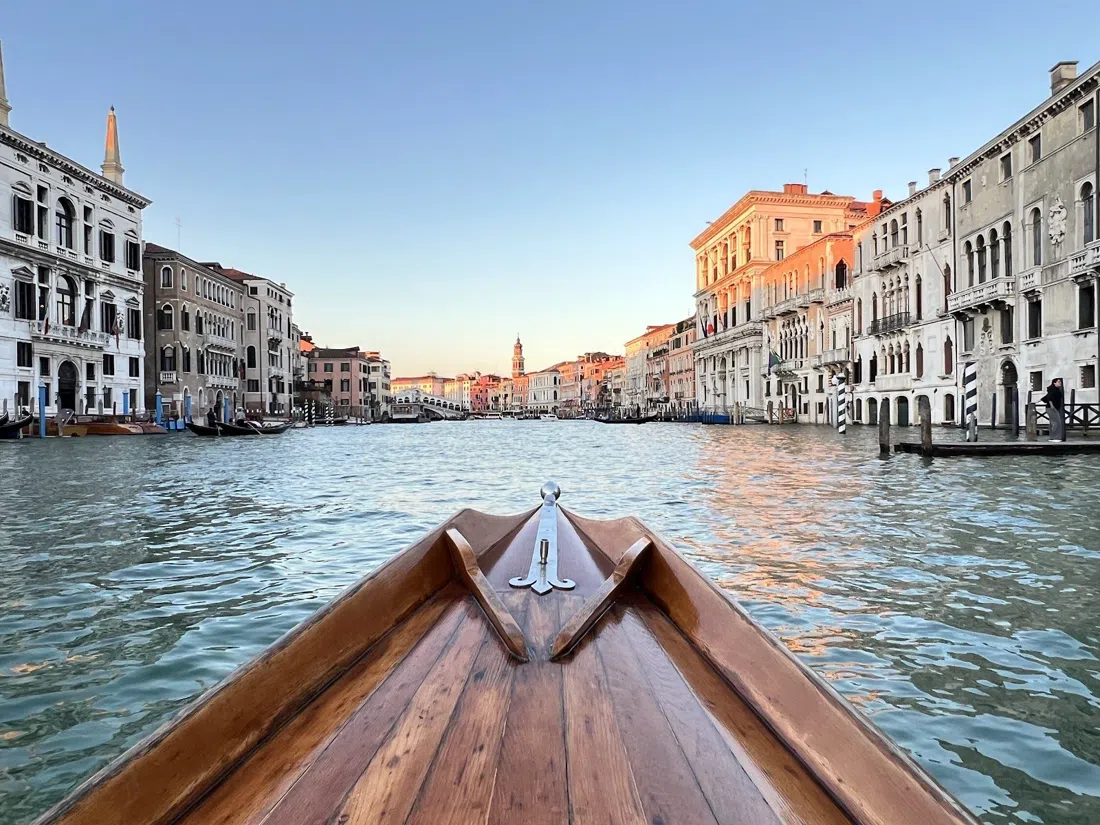
The Arsenale was built to be seen from the water — its perimeter walls and fortified water gate were designed as a display of state power to anyone sailing past — and the only way to actually see that design now is to get back on the water yourself.
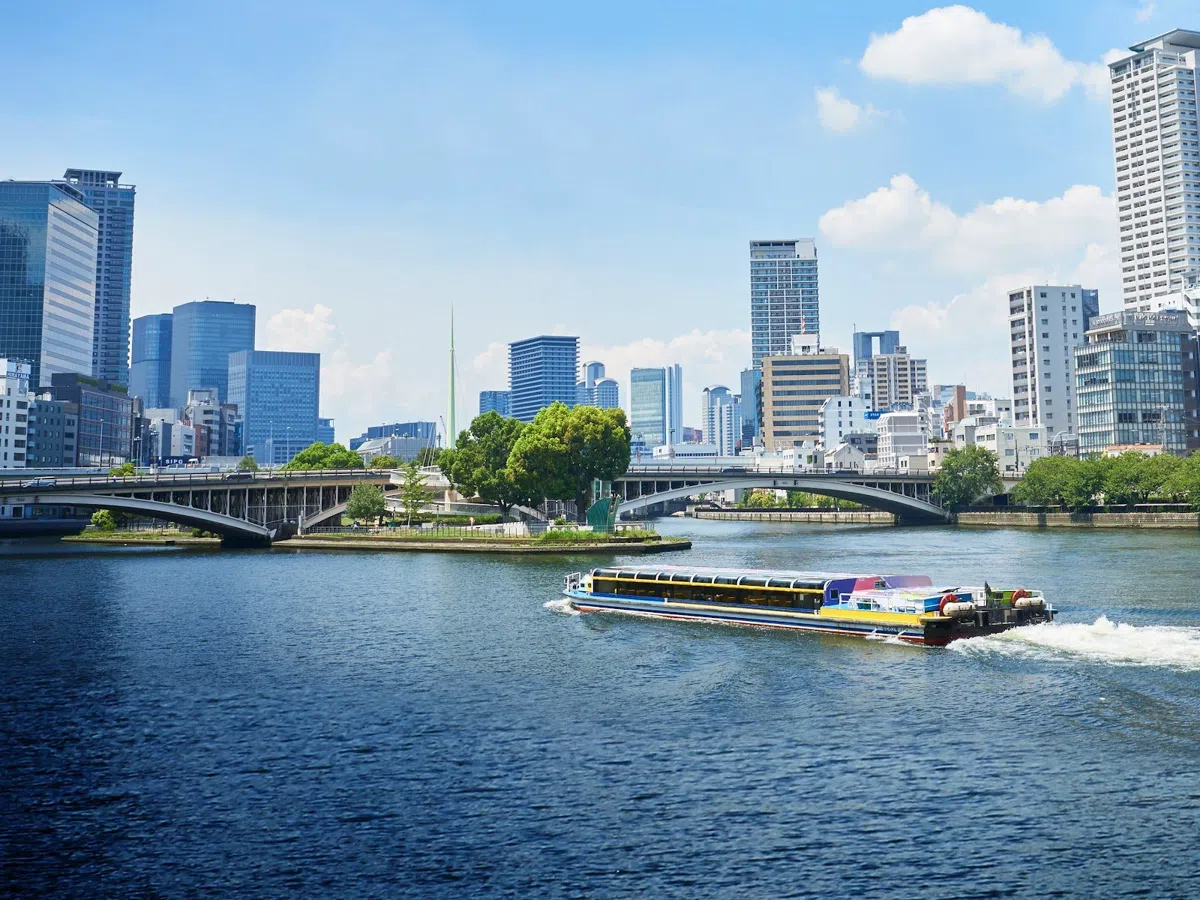
Around Venice Tours runs a classic bragozzo, the wooden flat-bottomed boat once used across the lagoon, named \"Stella\", past the full run of the Arsenale's walls. Shared daily departures run from around €80 per person for a two-hour highlights route; private charters for up to eight guests start around €450 for a half-day. It's the better option for a couple or a family wanting a slower, guided pass along the walls without committing to a private hire.
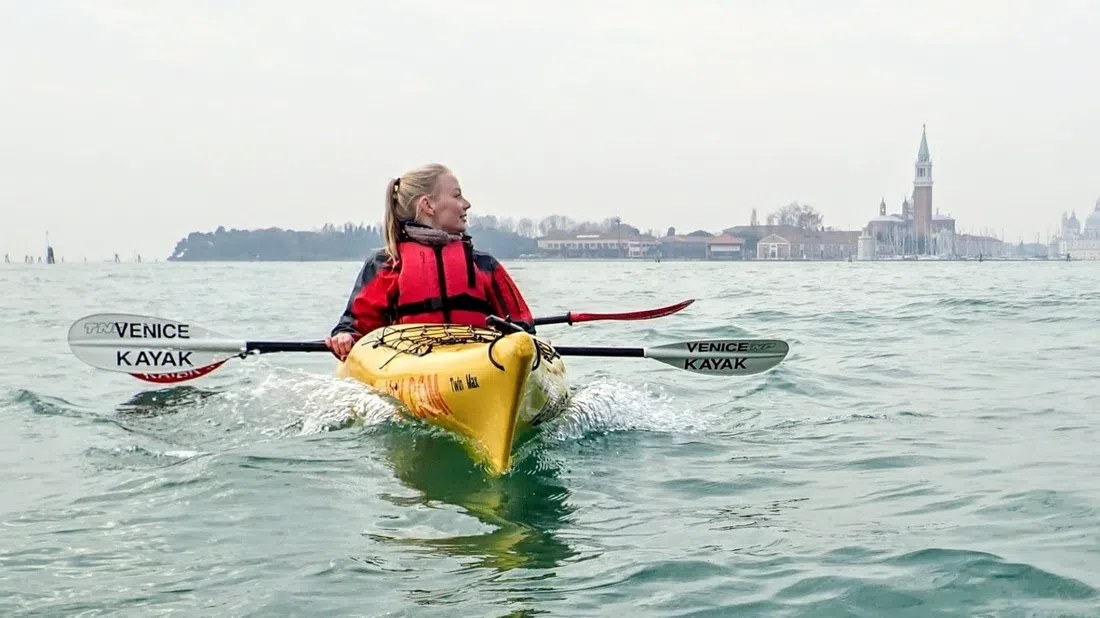
Venice Kayak offers a lower, quieter vantage on the same walls, in small groups typically capped around six paddlers, with all gear and basic paddle training included. The one-hour Arsenal beginner's tour runs from around $69 — priced in dollars by the operator, so budget the euro equivalent on the day. It suits an active reader more than a boat tour does, and it's genuinely a different view: closer to the waterline, slower, with none of the engine noise of the bragozzo.
Hands on the Oar
For anyone who wants to do more than look at the boats, Row Venice teaches the actual rowing style — voga alla veneta, standing, forward-facing — that powered the Arsenal's fleets before oars gave way to sail and steam. It's not run from the Arsenale itself, and it's worth saying plainly that this is a lesson, not a sightseeing tour of the shipyard; but it's the one place on this list where you put your hands on the same craft the Arsenal depended on for centuries. Lessons are private, booked through a tour-operator or agent channel rather than direct walk-up, and take small groups of up to thirteen people spread across multiple boats — roughly €90–150 per boat of four to five people. Book at least a few days ahead in high season; boats and instructors are limited.
The Quiet Walk: Lions, Graffiti and an Empty Church
Most of the Arsenale's best exterior detail is free and outdoors, and most visitors walk straight past it because nobody's told them what they're looking at. The land gate on Campo dell'Arsenale is guarded by looted marble lions, one of them carved with runic graffiti scratched centuries before Venice took the statue as war trophy — and reading that detail properly is where a private guide earns their fee. A Guide in Venice, whose Castello, District of Vivaldi and the Arsenale route was built for exactly this walk, runs licensed private tours that scale to any group size; pricing is by quote against a private day-rate rather than a fixed per-person ticket, so ask for a group estimate before you book.
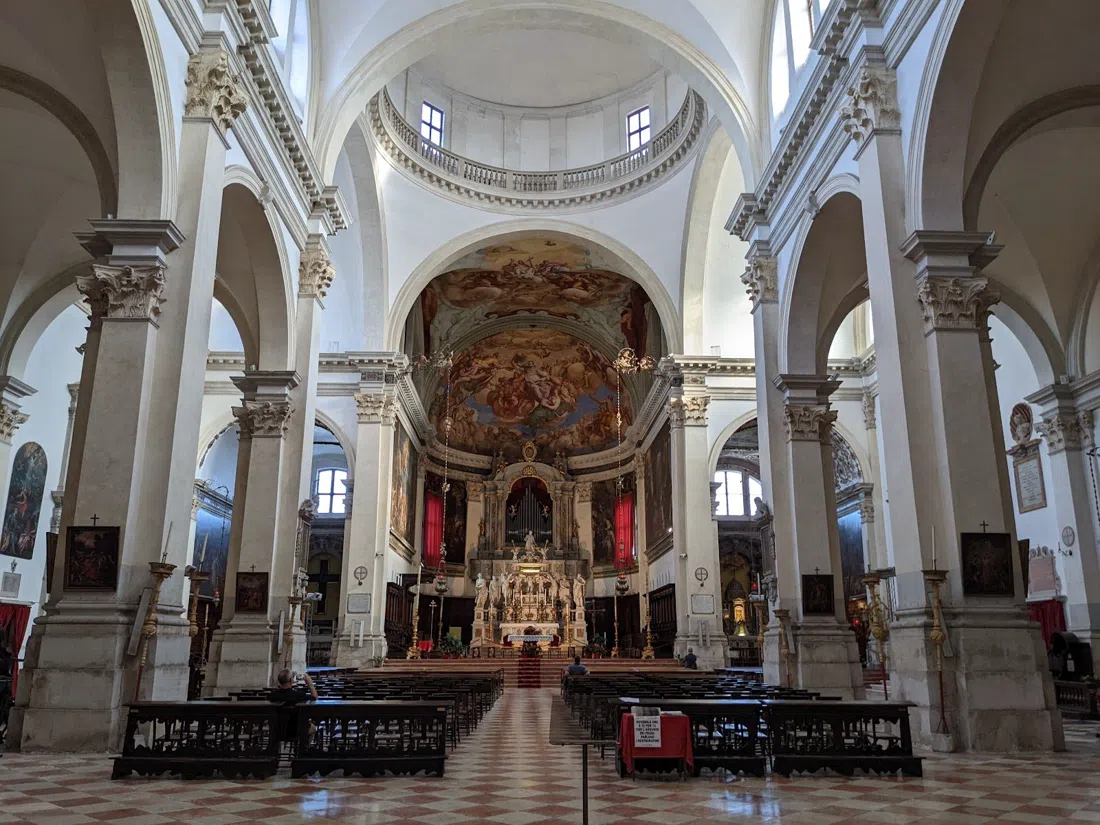
The walk's natural end point is the quiet alternative to everything else on this list. Basilica di San Pietro di Castello (Castello), on its own small island at the eastern tip of the district, was Venice's cathedral for a thousand years before the seat moved to St Mark's — and today almost nobody crosses the bridge to see it. Entry is free (occasional surcharges apply during temporary exhibitions), self-guided, and the church absorbs any size of group without ever feeling crowded, mostly because there's rarely anyone else there. It's roughly a fifteen-minute walk east from the Arsenale gate, past working boatyards and washing lines rather than souvenir stalls, and it's the payoff worth keeping back for last: a genuinely quiet courtyard of a building at the end of an afternoon spent looking at empire.
Planning the Trip
Getting there: the vaporetto stop \"Arsenale\" (lines 1, 4.1 and 4.2) sits directly outside the gate, about a twenty-minute ride from Ferrovia or Piazzale Roma; walking from St Mark's along the Riva degli Schiavoni takes roughly fifteen minutes.
Cash: carry some. Arzanà, and any arranged visit to Squero di San Trovaso, run on donations or cash-friendly small transactions rather than card readers.
Timing: the Arsenale's interior is only open 9 May–22 November 2026, during the Biennale Arte; plan the shipyard itself around those dates and treat MUNAV, the Sale d'Armi and the boatyards as the year-round core of the trip. Weekday mornings beat weekend afternoons everywhere on this list except the water tours, which run daily regardless.
Budget: a full day covering MUNAV (€17), the Sale d'Armi via the Doge's Palace ticket (from €30) and a Venice Kayak hour ($69) comes to roughly €120–140 per person before food; add a bragozzo trip or a Row Venice lesson and a couple travelling together should budget closer to €250–300 each for the full water-and-walls experience.
For the wider trip, the Venice guide covers where to eat and how to time the rest of the city around this walk, and if Castello is where you want to base yourself for early access to the Arsenale gate, start with a Venice hotel search for that end of the sestiere rather than San Marco.