The Venice issue
Santa Croce, Venice: the neighbourhood guide
The sestiere most visitors drag a suitcase through without looking up — a working campo, three museums ten minutes apart, and bacari where a glass still costs about a euro.

By Kim SolheimTimed walking routes and the quieter half of the city
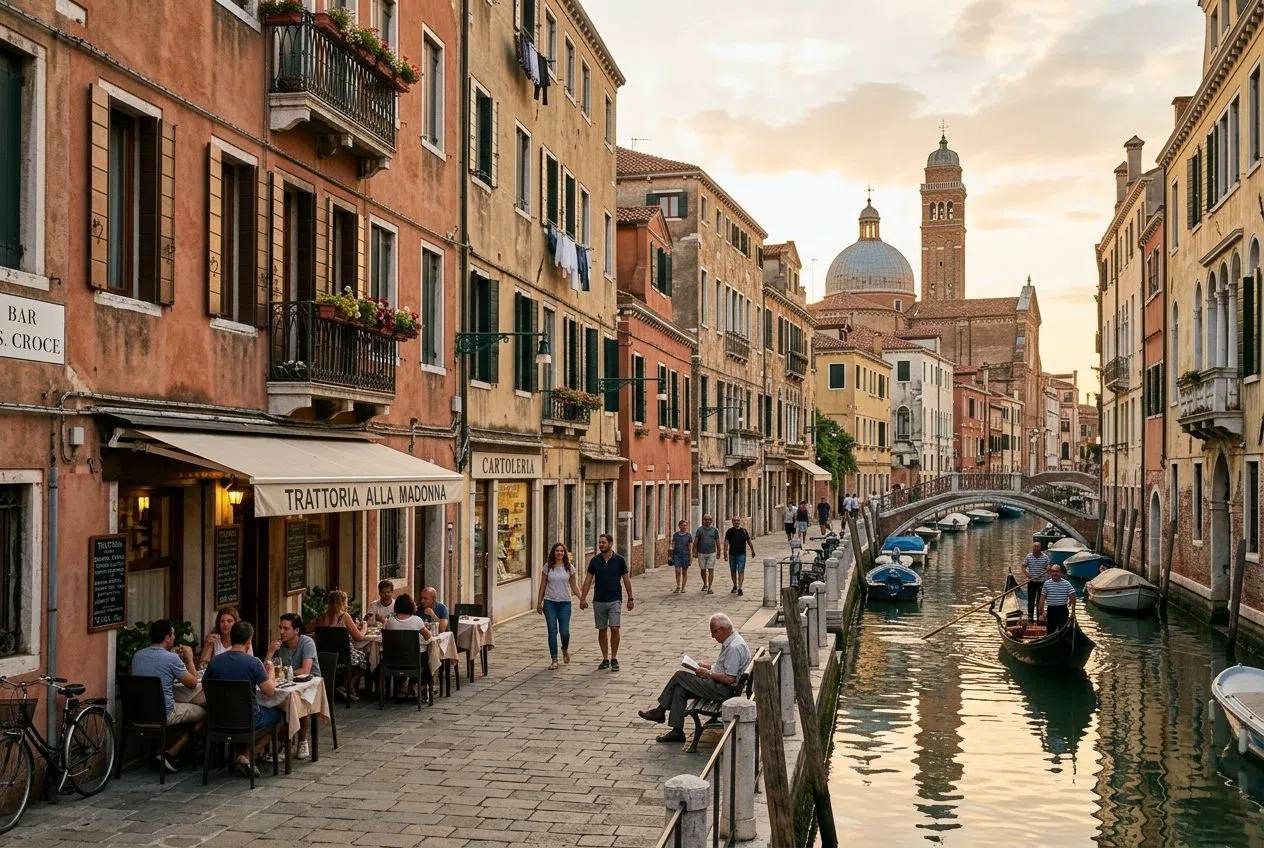
Most people cross Santa Croce with a case in each hand and never look up. It holds the bus terminal, the car park and the ramp off the bridge, so it gets written off as the bit before Venice starts. Spend two days in it and the arithmetic changes: a campo with benches and no gondola touts, three museums you can walk between in ten minutes, and a bacaro where a panino costs about €1.20.
The shape of the neighbourhood
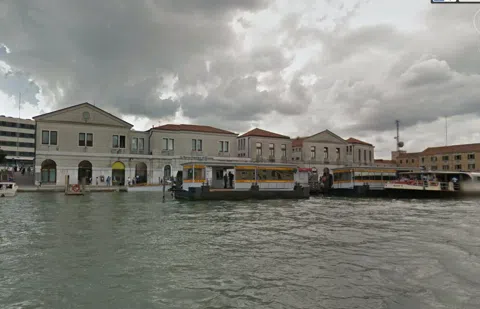
Santa Croce is small and legible, which is unusual in Venice. Its western edge is the arrival machinery — Piazzale Roma, the car parks, and Santa Lucia station a bridge away across the canal. Its eastern edge is the Grand Canal, where the palazzi turn their good faces to the water. In between, roughly at the centre of gravity, sits Campo San Giacomo dell'Orio, which is where the neighbourhood actually lives.
End to end it is about a fifteen-minute walk, and you will cross it more slowly than that because the calli do not run straight. Nothing in this guide is more than twelve minutes on foot from anything else in it. That is the argument for staying here rather than in San Marco: the walking distances are short, and you are not paying a premium for a view you will spend most of your day queueing to see. For the wider city — the vaporetto lines, the islands, the sestieri you will cross on day trips — start with the Venice guide.
Plan your Venice trip
Live prices from our booking partners.
Free cancellation on many rooms. We may earn a commission when you book.
The first hour off the bus
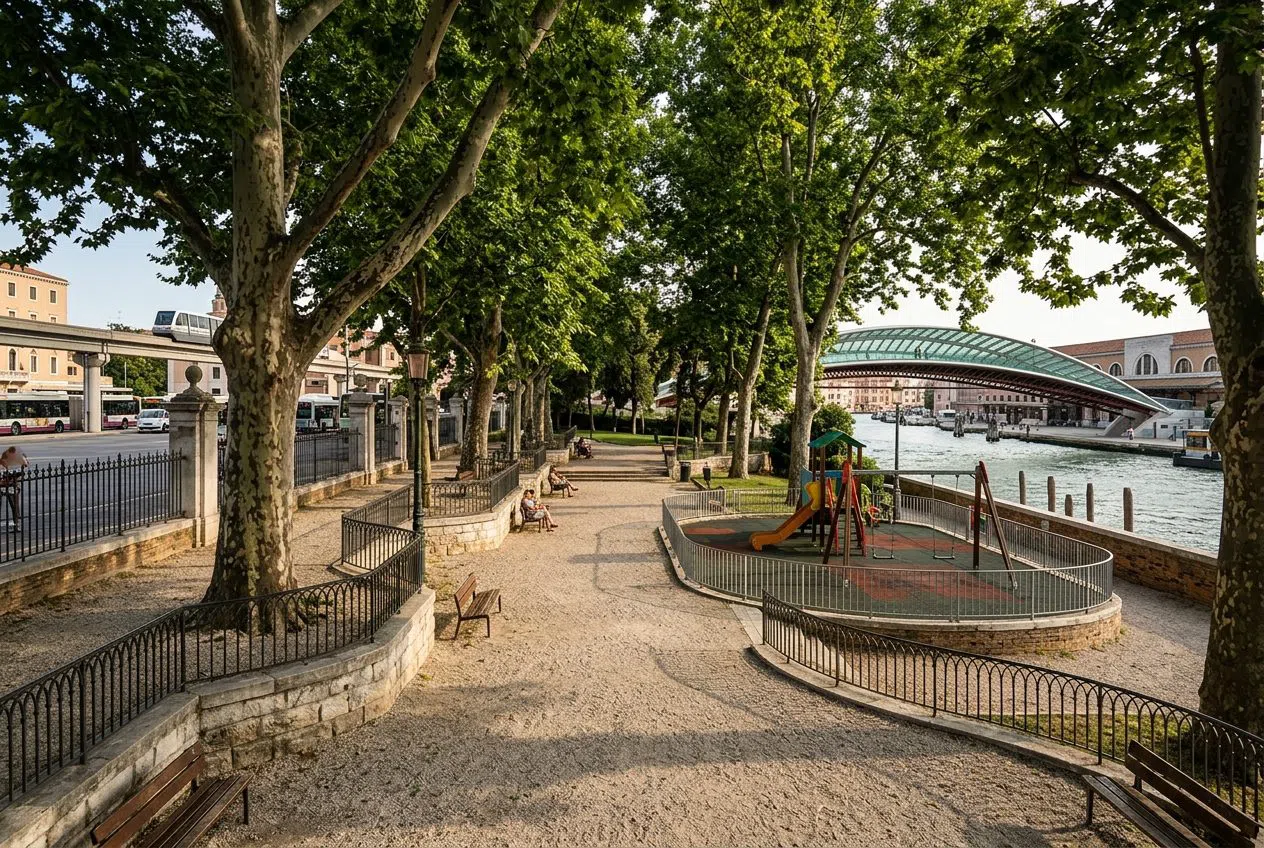
Do not start walking immediately. Giardini Papadopoli (Santa Croce, immediately east of Piazzale Roma) is sixty seconds from the bus stands and about four minutes from the station steps, and it is one of very few proper patches of grass in central Venice. It was laid out in 1834 and has been restored recently, so the benches are usable and the paths are level — which matters if you are the one with the wheeled case. It is free, it has no restrictions, and it is the obvious regroup point if your party is arriving on three different trains. Give it twenty minutes and let everyone find their bearings before you commit to a bridge.
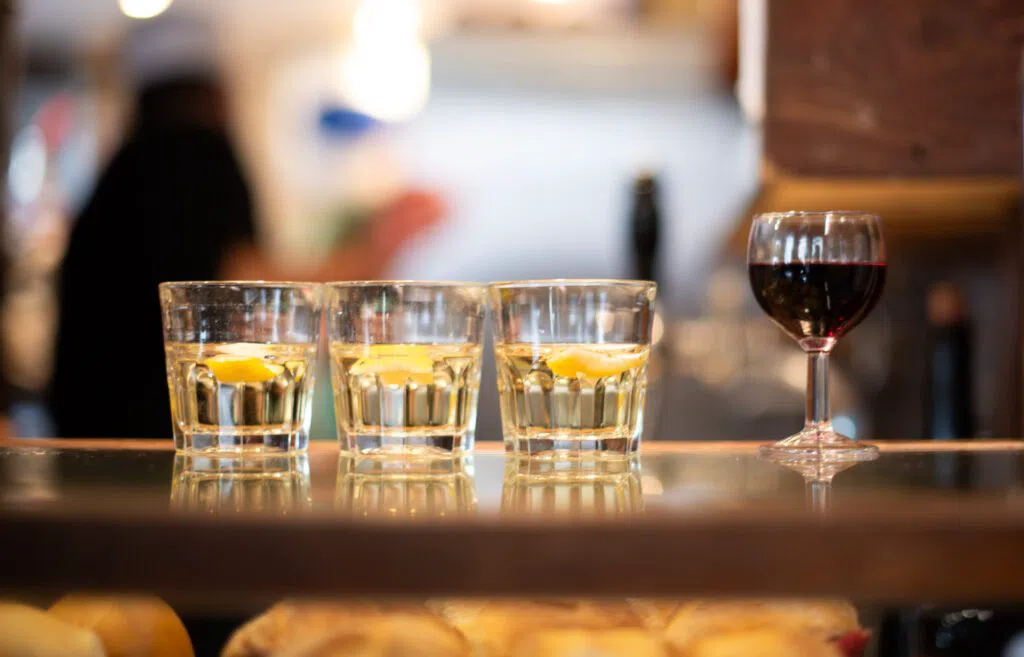
From the far side of the gardens it is a three-minute walk south to Bacareto Da Lele (Campo dei Tolentini, Santa Croce), which has been open since 1968 and is the single most useful address in the sestiere for anyone arriving hungry. Panini start at around €1.20 and a glass of wine is about €1. There are no bookings and no tables — you eat standing, or you take over the church steps outside, which is what everyone else does. Bring coins: it is cash-friendly and the queue moves faster if you are not fumbling with a card. The catch is the hours. It shuts by 8pm, at 2pm on Saturdays, and all day Sunday, so it works as the first stop of a trip or the last one before an early train, and not as dinner.
Where to stay
Three hotels here answer three different questions.
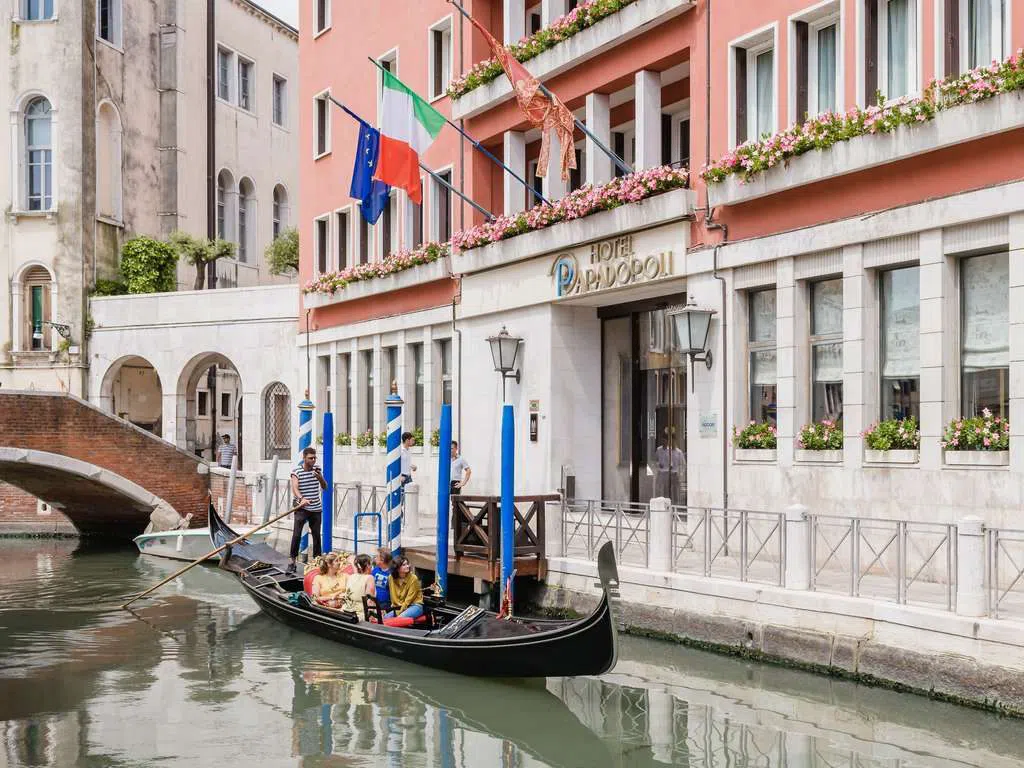
Hotel Papadopoli Venezia – MGallery Collection (Santa Croce, on the edge of the gardens) is the practical choice, and it is the largest hotel in the sestiere, so it is the easiest place to get four rooms on the same corridor. It is two minutes from Piazzale Roma and has a private canal dock, which means your luggage arrives by water rather than over three bridges. Expect roughly £150–350 a night depending on season. If the point of choosing Santa Croce is not dragging cases across the city, this is the answer.
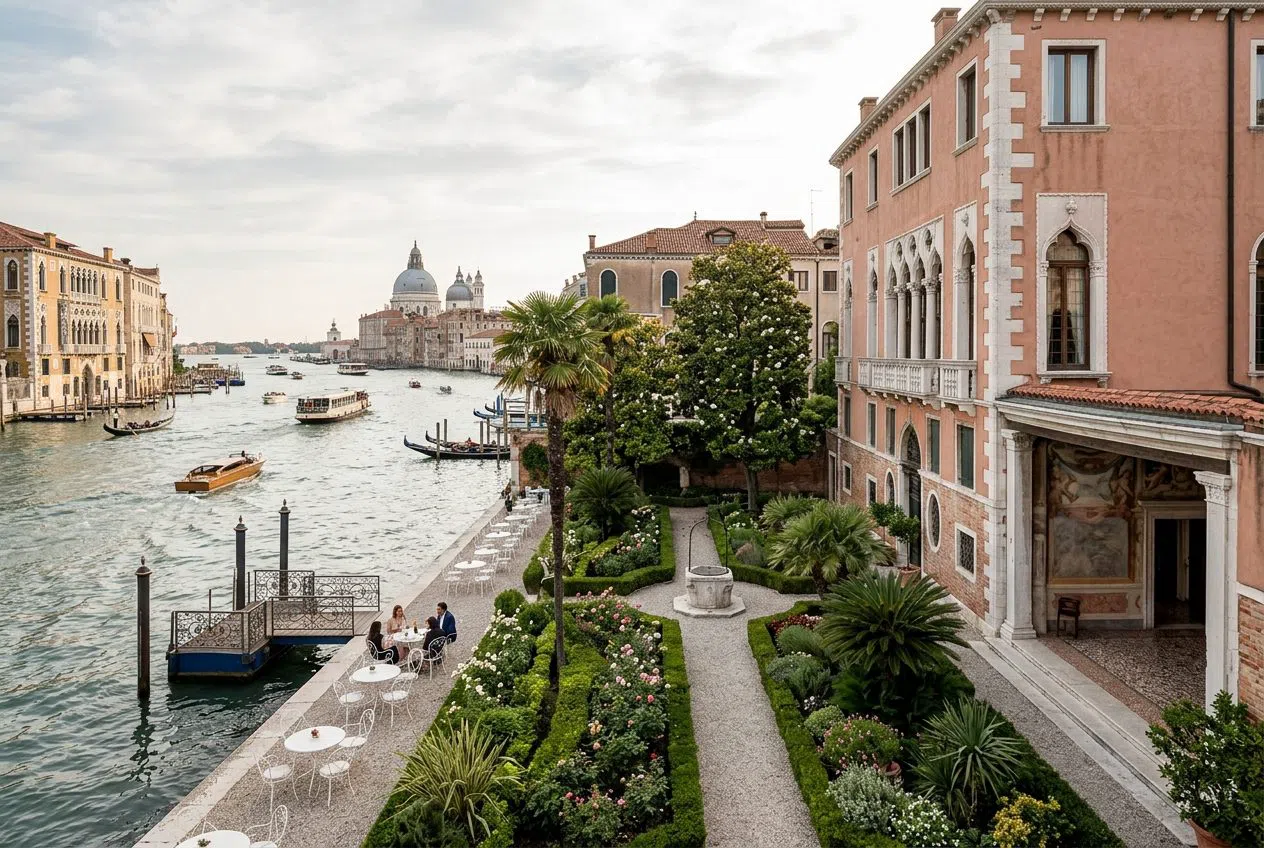
Ca' Nigra Lagoon Resort (Santa Croce, Grand Canal frontage near the station) is the quieter alternative: 22 rooms, a private garden, and a position a few hundred metres from Santa Lucia. From around £160–190 a night. Read the small print first — it is adults only, so it suits two or three couples travelling together and is simply the wrong booking for a family trip.
Palazzo Marcello Hotel Al Sole (Santa Croce, near the Tolentini) is the mid-price option, roughly £90–160 a night, renamed from plain Hotel Al Sole in 2022. It takes multiple bookings without fuss and its garden courtyard is a good place to tell six people where you are all meeting at seven. It sits 450m from the Piazzale Roma bus terminal and about ten minutes' walk from the station, which is the whole argument for the neighbourhood in one line.
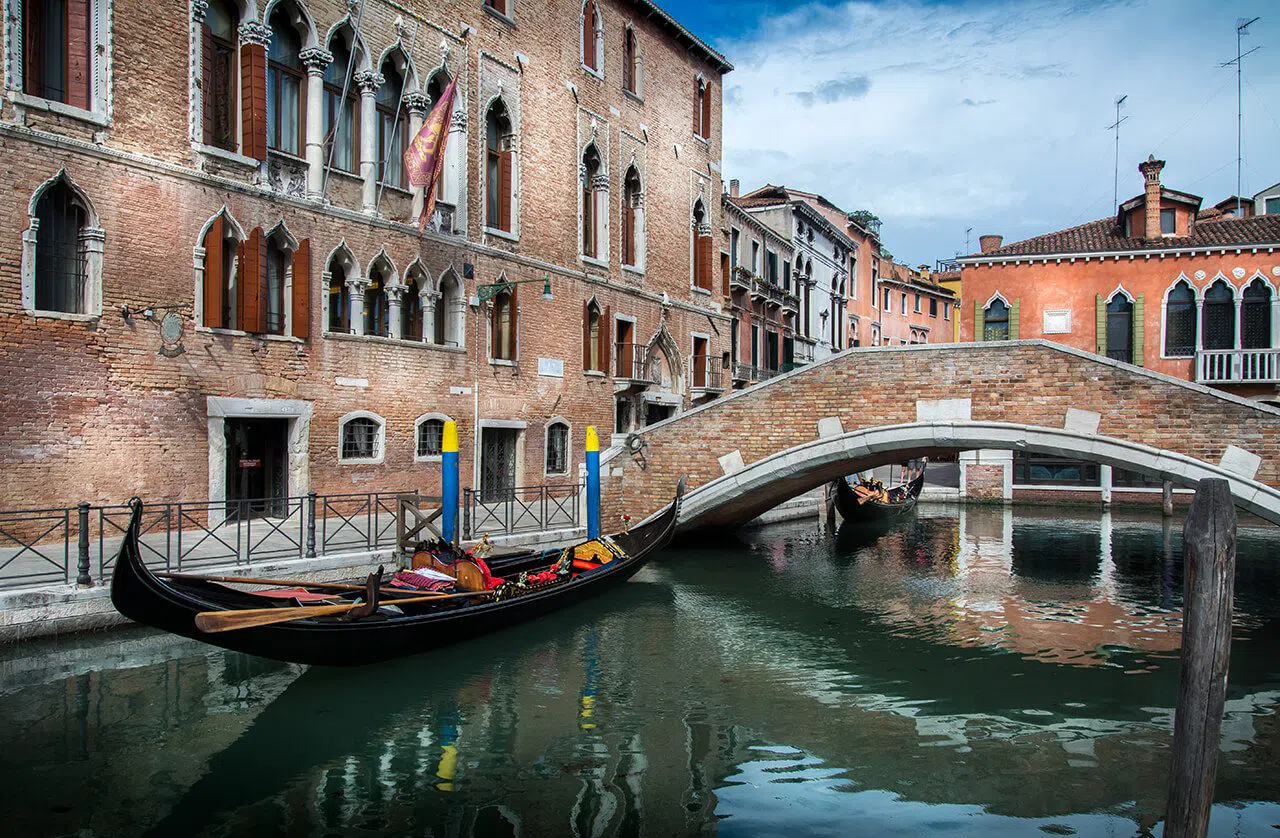
If none of those fit the dates or the budget, widen the net with a Venice hotel search and filter to the Santa Croce and Piazzale Roma end before you compare prices — the same money buys noticeably more room here than it does two bridges east.
Mornings: three museums, ten minutes apart
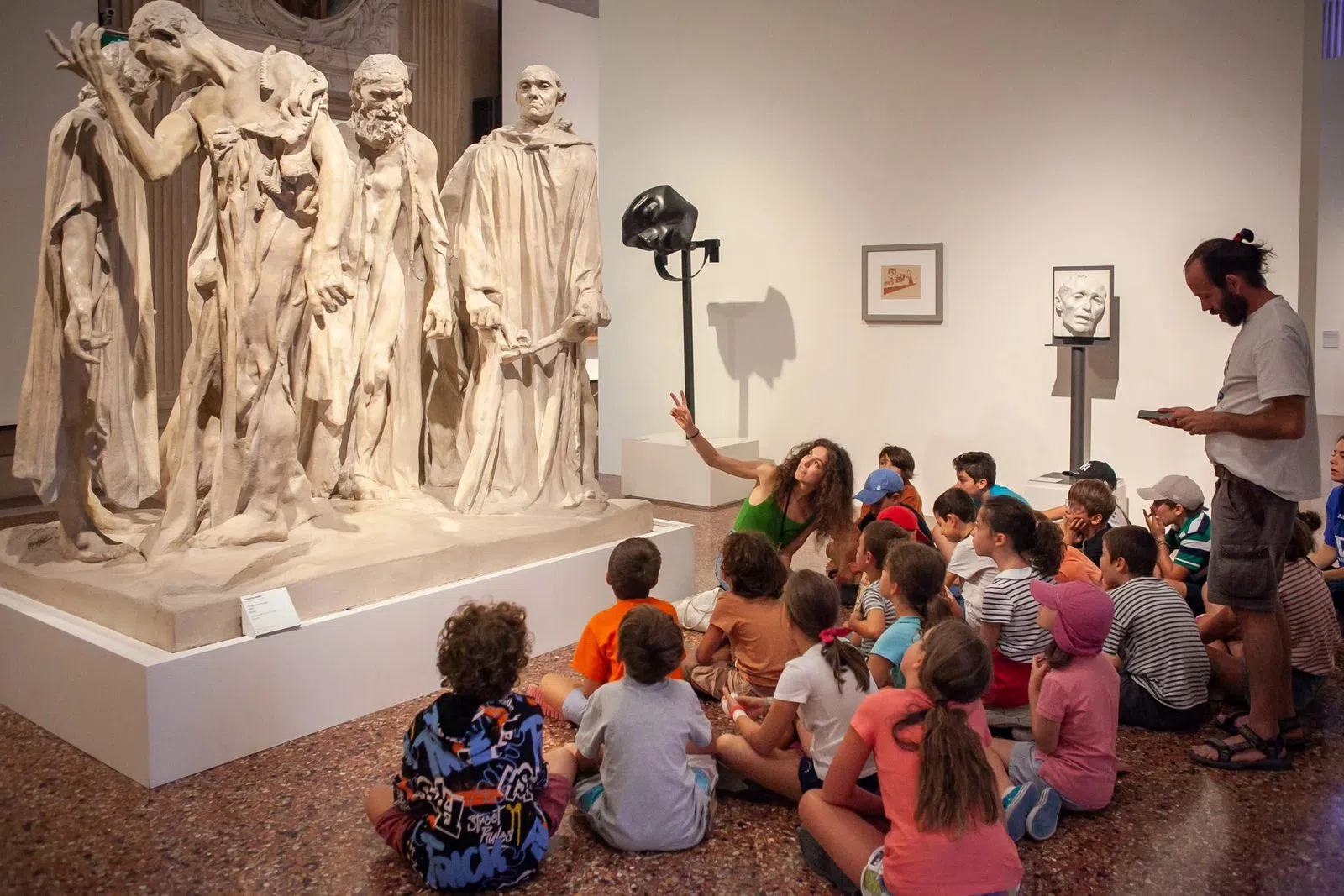
Start at Ca' Pesaro – International Gallery of Modern Art (Santa Croce, on the Grand Canal at the San Stae vaporetto stop). It is the sestiere's headline sight and it is considerably calmer than the Accademia, which means you can stand in front of a painting for as long as you like without being moved along. Tickets run around €14 full with reductions for students and over-65s, and it is included with the MUVE pass — worth the maths if you are visiting two or more civic museums. It closes Mondays, stays open to 6pm from April to October, and runs late Friday and Saturday openings to 8pm through the summer, which is the quiet slot: go at 6.30pm on a Friday in July and you will have rooms to yourself. Group tickets and booked guided visits are available and there is no cap on party size.
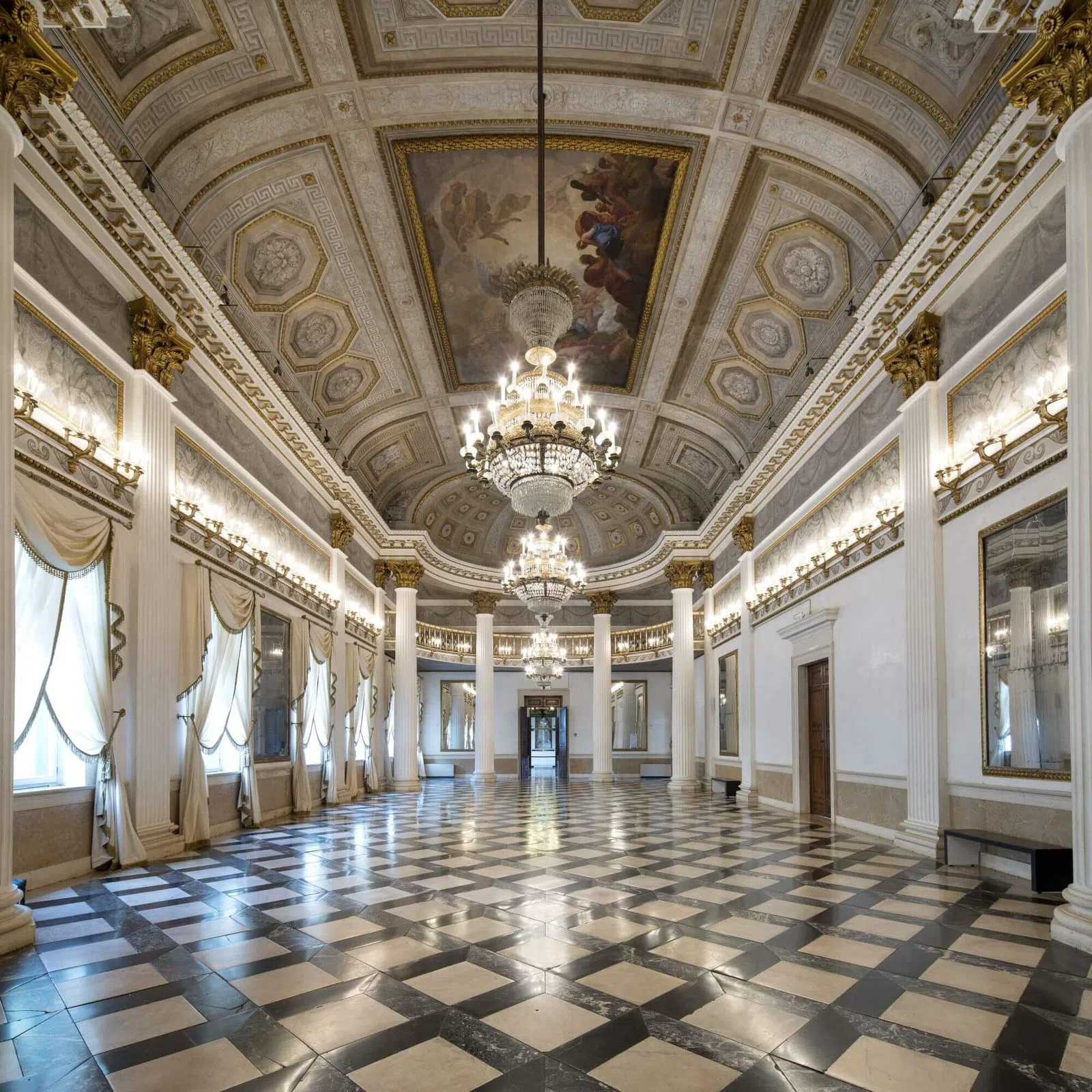
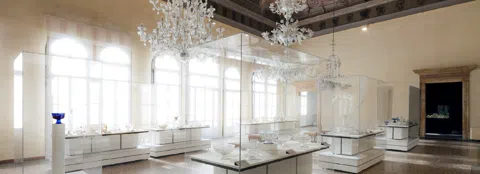
Three minutes inland, Museo di Palazzo Mocenigo (Santa Croce, just behind Ca' Pesaro) is the costume and perfume museum, and it is an odd, charming hour rather than a half-day. Around €10 full, €7.50 reduced, closed Mondays. The perfume rooms are the reason to come, and they make this a better call than most palazzi on a wet afternoon when everyone else is queueing in the rain on the other side of the Rialto.
Seven or eight minutes west along the canal, Museo di Storia Naturale di Venezia (Fondaco dei Turchi, Santa Croce, on the Grand Canal) is about €10 full and €5.50 reduced, closed Mondays, with last entry an hour before closing — check the closing time on the day, because that hour catches people out. The dinosaur hall and the cabinet-of-curiosities rooms make it the one museum in the city that works equally well with children in tow or with a group that overdid the spritzes the night before. Group and school bookings are standard here, so a party of ten is a phone call, not a problem.
All three in one morning is comfortable — roughly three hours including the walks — but it is a lot of interior. Two and a long lunch is the better shape.
The campo and the church
Chiesa di San Giacomo dall'Orio (Campo San Giacomo dell'Orio, Santa Croce) has ninth-century foundations and an upturned-hull ceiling that is worth the ten minutes on its own. Entry is about €3.50, or included if you are carrying a Chorus Pass, and it opens Monday to Saturday, 10.30 to 17.00. It is a quiet working church, so if you have arrived as a group of eight, split up at the door and keep the volume down.
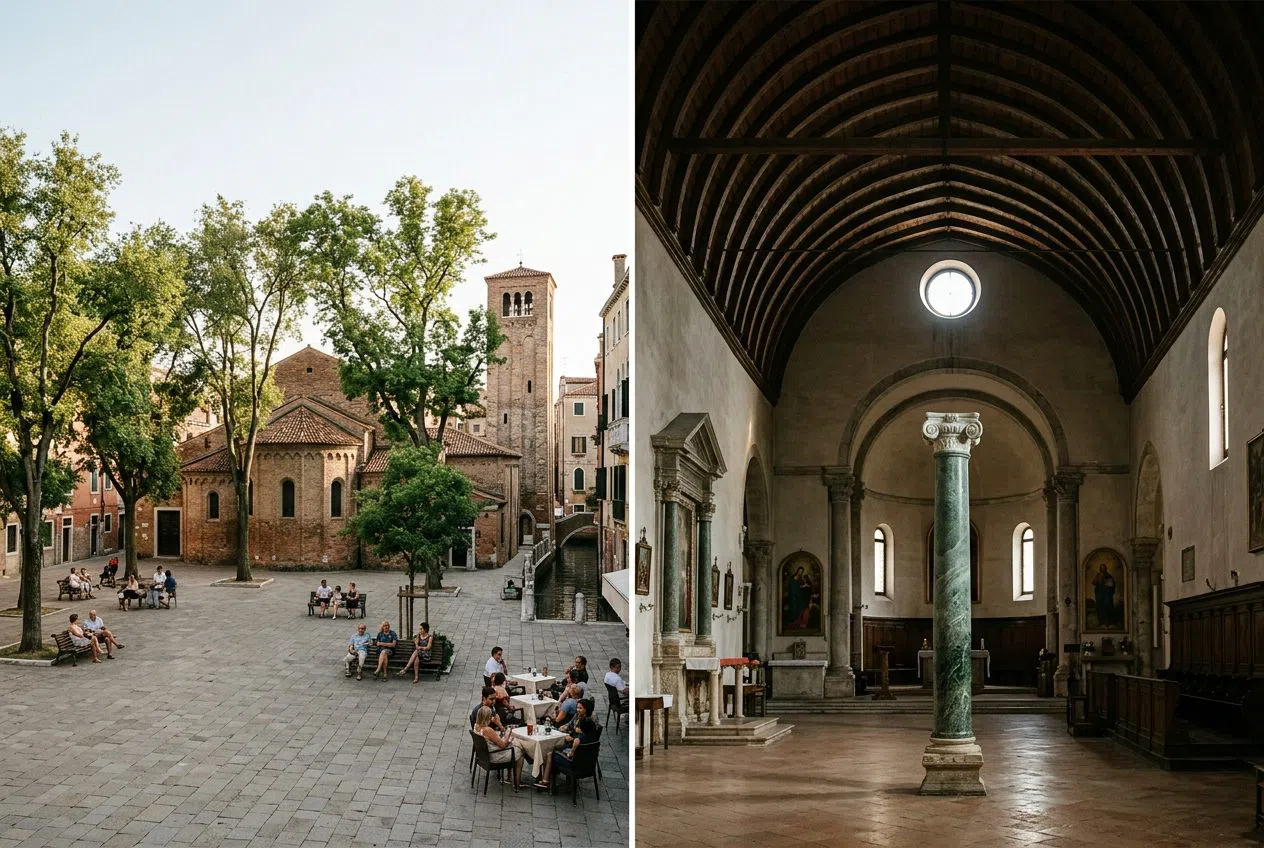
The campo outside is the real reason to be here. It is the neighbourhood's living room: benches, dogs, children playing football against the church wall, and no one trying to sell you a gondola ride. If you want to understand why people live in Venice rather than visit it, sit here for half an hour at about six in the evening. It costs nothing and it is the most useful thirty minutes in this guide.
Aperitivo hour, and the timing that catches people out
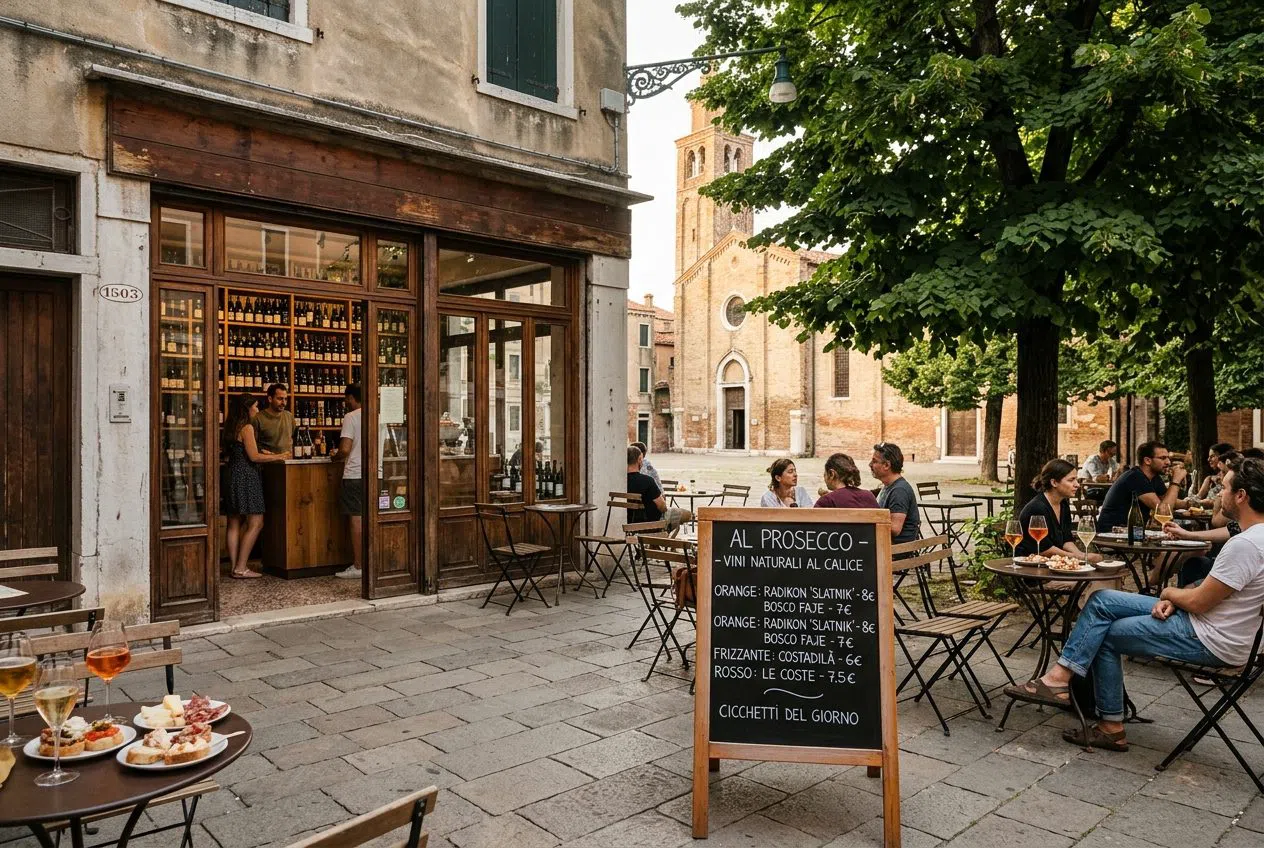
Al Prosecco (Campo San Giacomo dell'Orio, Santa Croce) has been pouring low-intervention wine since 1999 and it is the glass locals name first. Inside is tiny — fine for four to six, and larger groups spill onto the campo tables outside, which is no hardship. There are no reservations; it is first come, first served, and prices are modest. Note the hours carefully: it shuts at 8pm on weekdays, 5pm on Saturdays, and does not open on Sundays. It is an aperitivo stop, not a late one, and travellers who assume otherwise end up eating a bad pizza near the station.
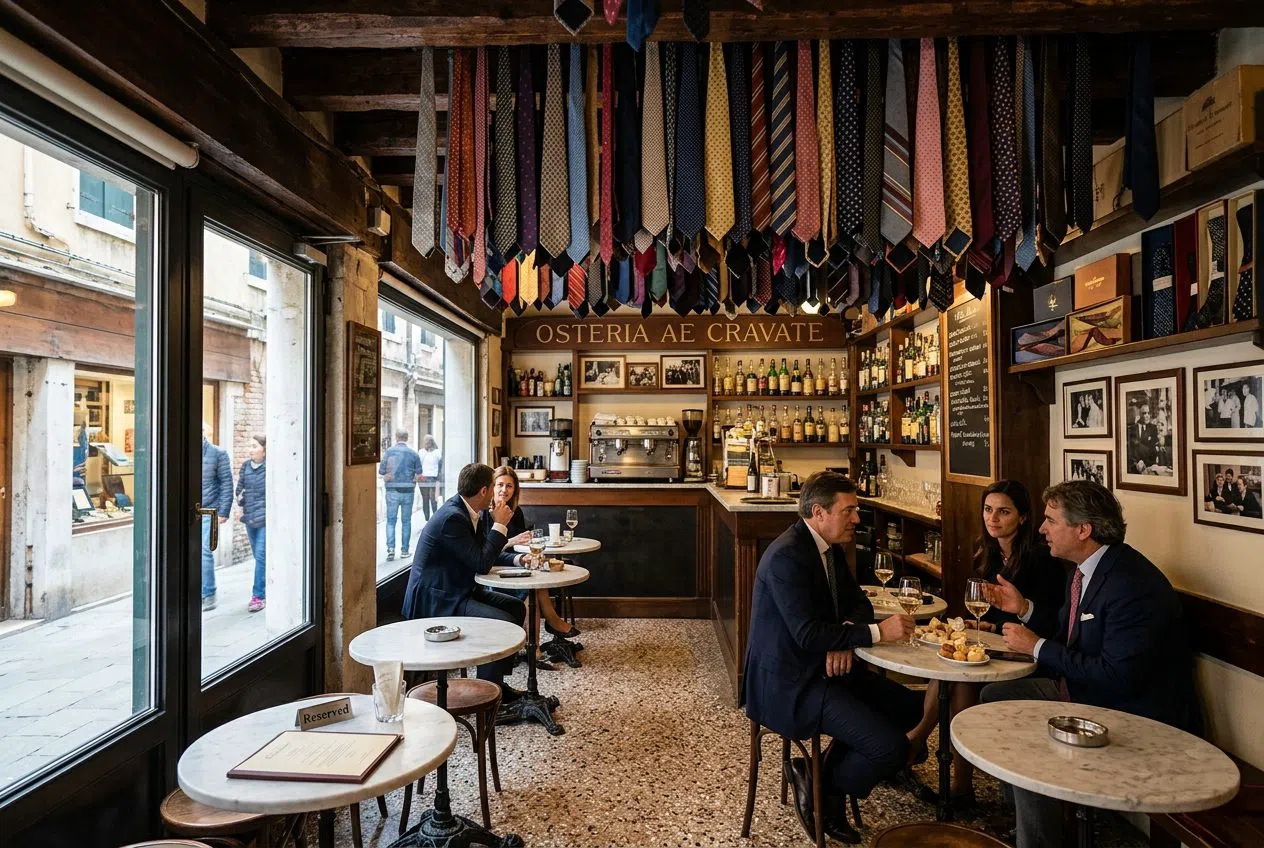
If you want somewhere that stays open past the bacaro curfew, walk eight minutes south to Osteria Ae Cravate (Santa Croce, on the seam with Dorsoduro). The ceiling of ties is the gimmick; the Venetian cooking underneath it is straight and unfussy. The room is narrow — four to six is fine with a booking, and anything bigger is a squeeze — but its position on a busier route means it keeps going later than the places around the campo.
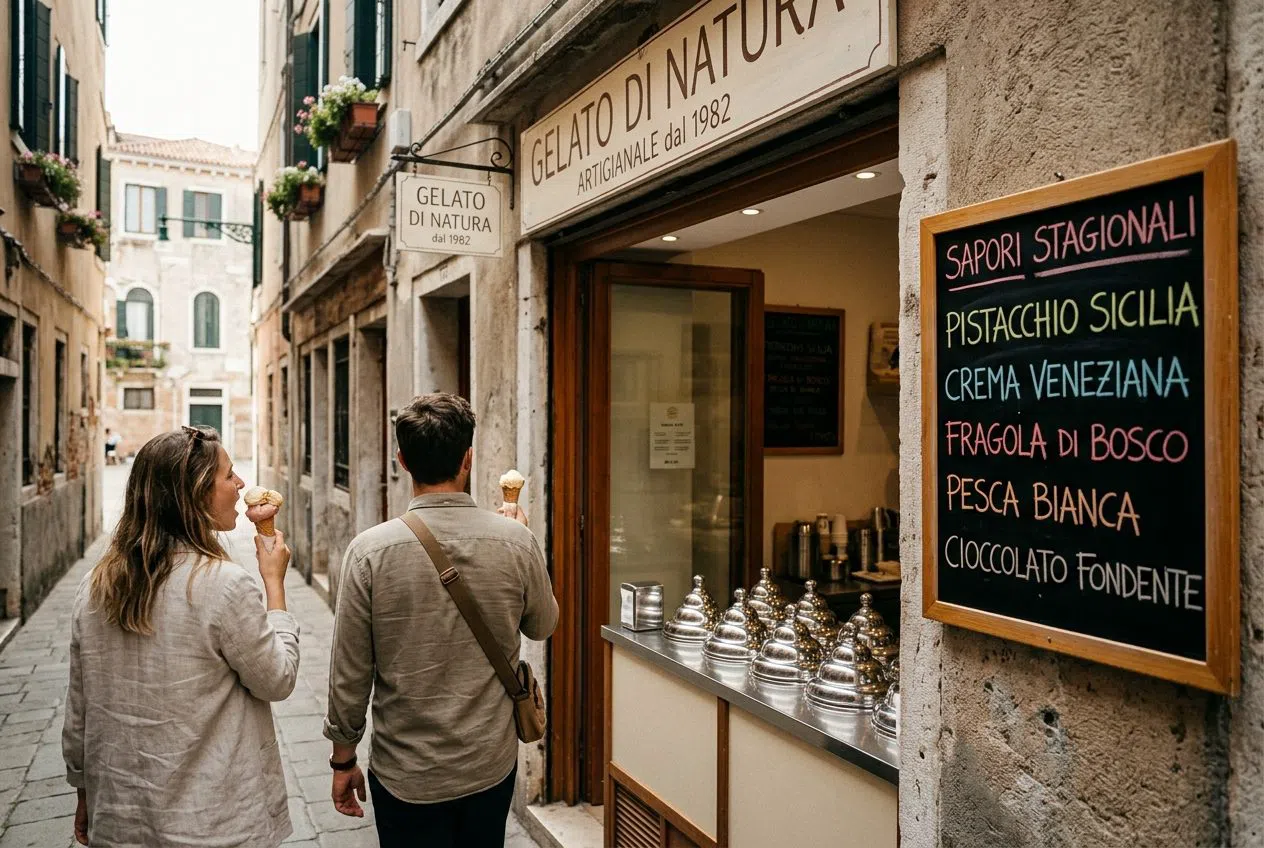
For something sweet on the way back, Gelato di Natura (Santa Croce, on the main drag between the station and Campo San Giacomo dell'Orio) is a reliable artisan counter. It is takeaway only, so any group size works — you just queue. Be clear-eyed about it: this is a small local chain with several Venice branches now, so it is a good stop rather than a discovery.
Dinner: four rooms, four different evenings
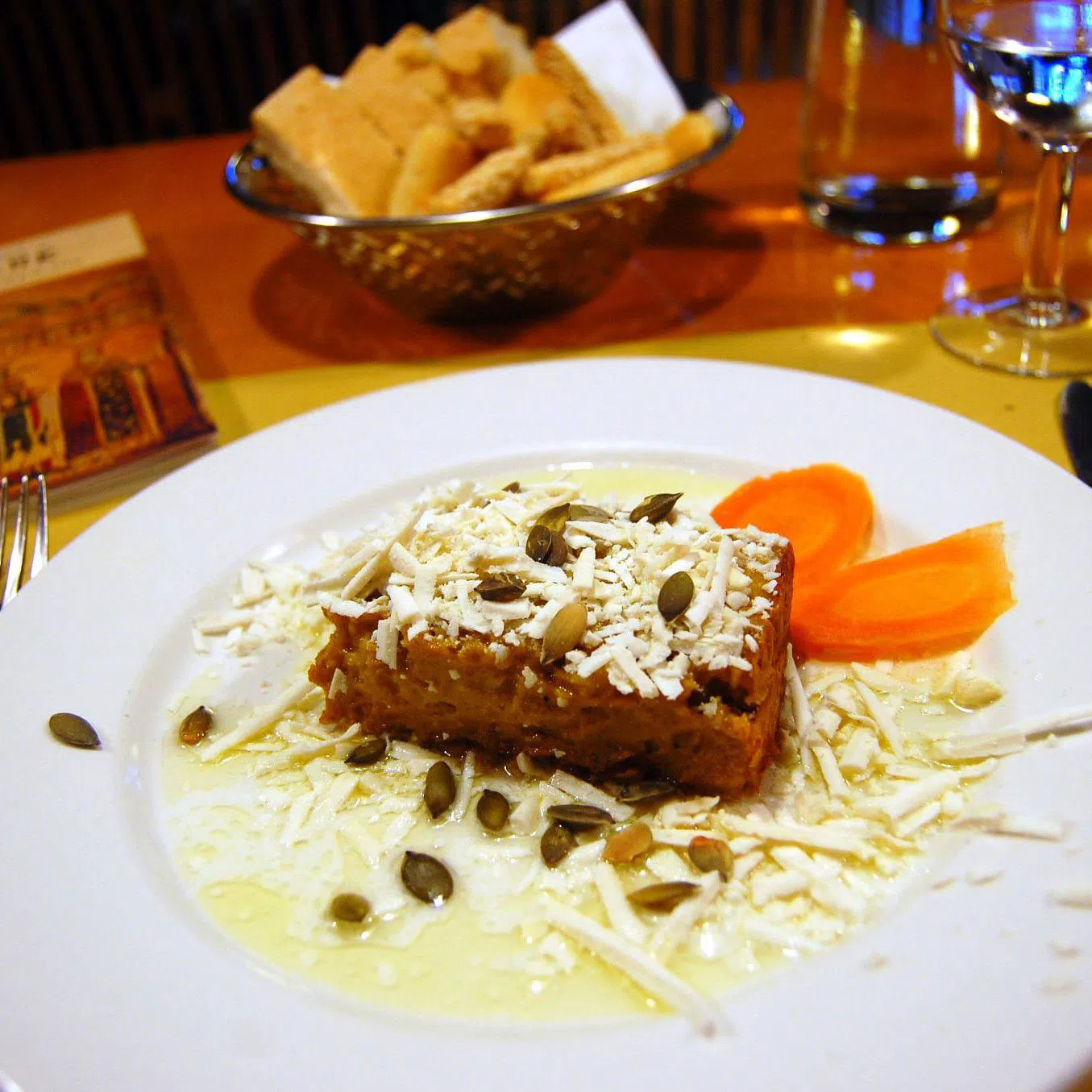
Osteria La Zucca (Santa Croce, by the Ponte del Megio) is the vegetable-led kitchen the neighbourhood is known for, and a rare Venetian dinner that is not built around fish. The pumpkin flan is the order. There are only 35 seats inside plus 12 outside, so book weeks ahead — this is not a place you walk into at eight on a Friday. Parties above six are difficult; split into two tables or eat early. Closed Sundays, and no lunch on Saturdays. Around ££.
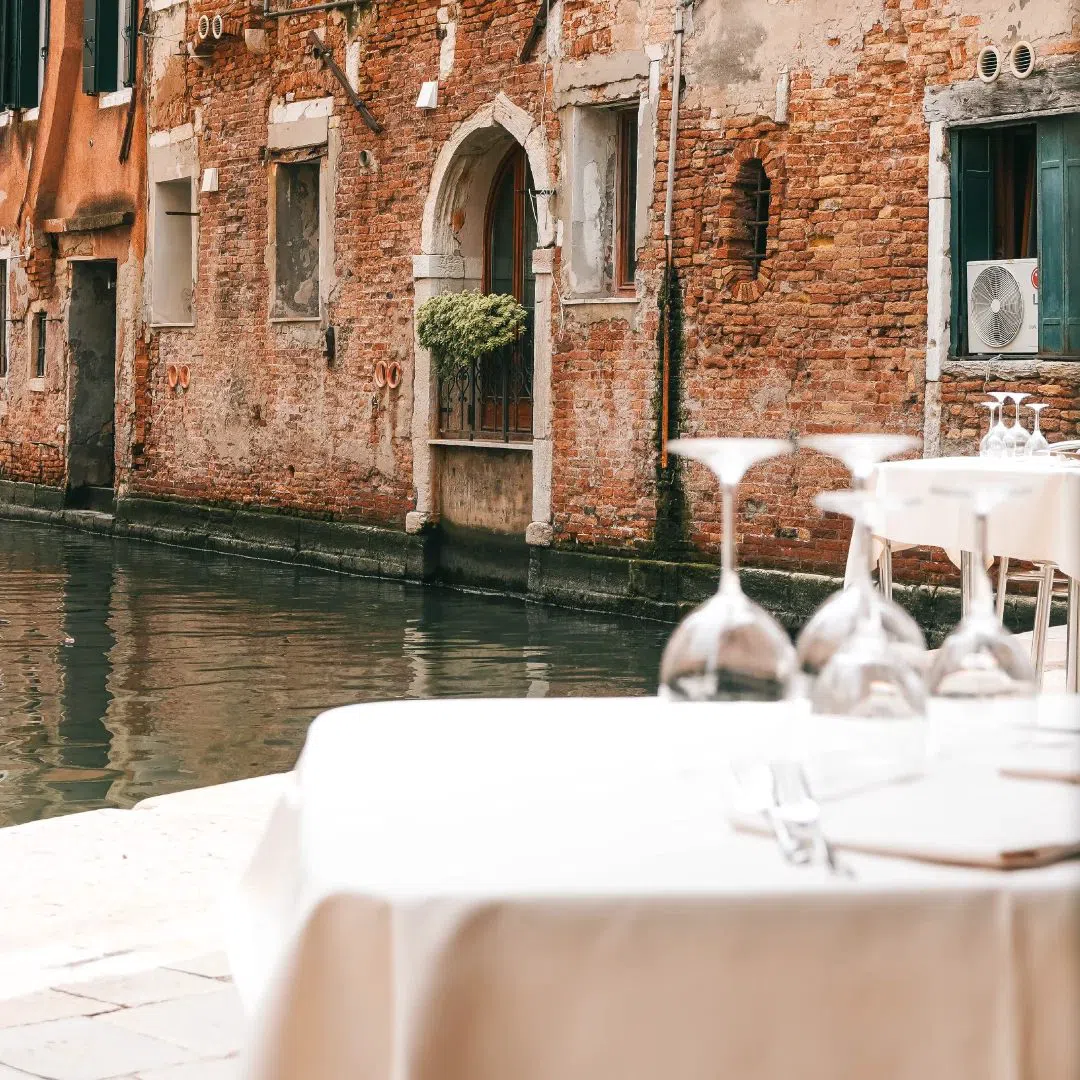
A minute's walk away, Trattoria Al Ponte del Megio (Santa Croce, canalside near Campo San Giacomo dell'Orio) is the plain, honest alternative: a small family-run room where six is comfortable and a booking is expected. Ask for the canalside terrace when you call — it is the seat worth having, and it is not a large terrace. Also around ££.
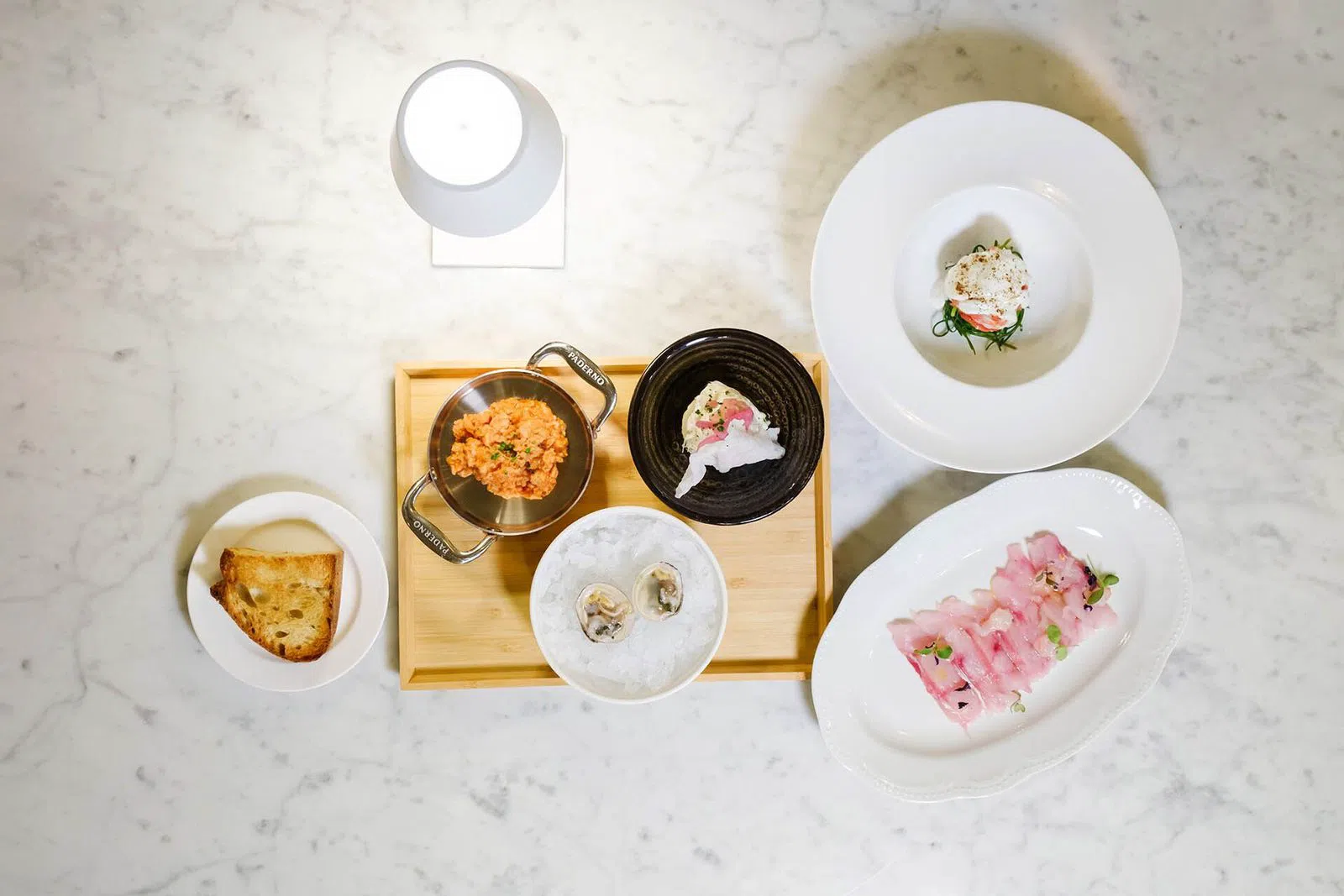
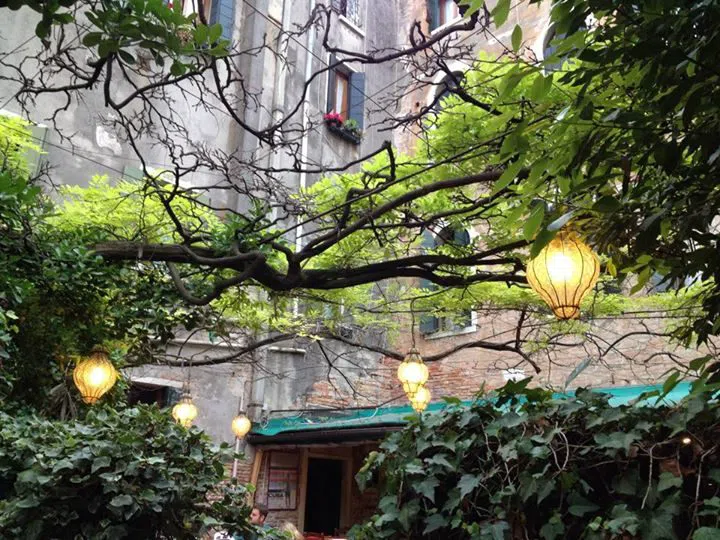
Antica Besseta (Santa Croce, tucked off the calli north of the campo) has been trading since 1887 and still buys off the Rialto market. Scallops, seafood risotto and fritto misto are the orders. It is comfortable for six to eight with a booking, and the outdoor tables work well for a group in warm weather. Expect ££–£££. It is genuinely hard to find even by Venetian standards, so give yourself ten minutes more than the map claims and do not rely on a phone signal in the calli.
When there are ten of you and nobody wants four courses of fish, Al Nono Risorto (Santa Croce, near the Ponte del Megio) is the one room here set up for a crowd: a big garden, informal service, pizza and beer, and parties of eight to twelve accepted if you ring ahead. It is closed on Wednesdays, which is the single most common way people get this one wrong. Around ££.
Groups, couples and honest door realities
The pattern in Santa Croce is consistent: the good rooms are small. If you are two, everything in this guide is open to you, and the bacari reward you for turning up early rather than booking. If you are four to six, book anything with a kitchen at least a week out, and two to three weeks for La Zucca in season. If you are eight or more, you have exactly two comfortable answers — Al Nono Risorto's garden for dinner, and Da Lele's church steps for everything else — plus the museums, which take groups without blinking. Splitting a party of ten across two tables at different restaurants is a normal Venetian solution, not a failure of planning.
Nobody here operates a door policy in the nightclub sense. The constraints are physical: 35 seats, a narrow room, a terrace with four tables. Treat a phone call the day before as the price of entry.
Practicalities
Getting in and around. Piazzale Roma is the end of the road — every bus, taxi and airport coach stops there, and nothing wheeled goes further. Santa Lucia station is a bridge away, about six minutes on foot. Vaporetto line 1 serves Piazzale Roma, Ferrovia, Riva de Biasio and San Stae, which puts the whole sestiere within a couple of stops; a single ticket is around €9.50 and valid 75 minutes, so buy a multi-day pass if you plan more than two hops a day. Within Santa Croce, walk — the water is slower than your feet here.
Cash. Carry €30–40 in small notes and coins. Da Lele is the clearest case, but several bacari prefer cash for a €1 glass and the ATMs near the station charge for the privilege.
Timing. The bacari close early — 8pm on weekdays, earlier on Saturdays, shut on Sundays — so run aperitivo at 6pm and dinner at 8pm rather than the London order. Museums close on Mondays, Al Nono Risorto closes Wednesdays, La Zucca closes Sundays. A Monday arrival is best spent on the campo and in the bacari; save the galleries for Tuesday.
Money. A realistic day here in 2026: €10 for a bacaro lunch, €14 for Ca' Pesaro, €12 for aperitivo, €40–55 a head for dinner with wine, plus a room from about £90 at the three-star end. Also check the current status of the day-visitor access fee before you travel — overnight guests are treated differently from day trippers, and the rules have moved more than once.
Where to catch your breath. Giardini Papadopoli at the start, Campo San Giacomo dell'Orio at the end of the day. Both free, both sitting down, both the reason this end of Venice is easier to like than the postcard end.
Before you go
Is Santa Croce a good area to stay in Venice?
Yes, particularly if you are arriving by bus, car or train. It is the sestiere that contains Piazzale Roma and sits a bridge from Santa Lucia station, so you can be checked in without dragging cases over bridges. Rooms are typically cheaper than San Marco for the same standard, and everything in the neighbourhood is within a fifteen-minute walk. The trade-off is that the western edge is functional rather than pretty.
What is there to actually see in Santa Croce?
Three museums within ten minutes of each other — Ca' Pesaro (modern art, around €14, closed Mondays), Palazzo Mocenigo (costume and perfume, around €10, closed Mondays) and the natural history museum at the Fondaco dei Turchi (around €10, closed Mondays) — plus the church of San Giacomo dall'Orio with its upturned-hull ceiling, about €3.50 or free with the Chorus Pass. The campo outside the church is the part most people remember.
Where should I eat in Santa Croce with a group of eight or more?
Al Nono Risorto is the practical answer: a big garden, informal service, pizza and beer, and it will take parties of eight to twelve if you ring ahead. It is closed on Wednesdays. For a cheap stand-up stop, Bacareto Da Lele takes any number because nobody sits down — the group spreads onto the church steps. Most other kitchens here have 35 seats or fewer and are difficult above six.
Why do the bars in Santa Croce close so early?
The traditional bacari are aperitivo places, not late bars. Al Prosecco shuts at 8pm on weekdays, 5pm on Saturdays and does not open on Sundays; Da Lele closes by 8pm, 2pm on Saturdays, and is shut on Sundays. Plan aperitivo for around 6pm and dinner for 8pm. If you want somewhere open later, Osteria Ae Cravate sits on a busier route and keeps going after the campo has emptied.
How much should I budget for a day in Santa Croce in 2026?
Around €10 for a bacaro lunch, €14 for Ca' Pesaro, €12 for an aperitivo, and €40–55 a head for dinner with wine. Rooms run from roughly £90–160 a night at the three-star Palazzo Marcello Hotel Al Sole up to £150–350 at the Hotel Papadopoli. Add around €9.50 per vaporetto trip, or buy a multi-day pass, and carry €30–40 in cash for the places that prefer it.